• KGS/USD = 0.01144 0%
  • KZT/USD = 0.00211 0%
  • TJS/USD = 0.10460 0.19%
  • UZS/USD = 0.00008 0%
  • TMT/USD = 0.28490 0%
  • KGS/USD = 0.01144 0%
  • KZT/USD = 0.00211 0%
  • TJS/USD = 0.10460 0.19%
  • UZS/USD = 0.00008 0%
  • TMT/USD = 0.28490 0%
  • KGS/USD = 0.01144 0%
  • KZT/USD = 0.00211 0%
  • TJS/USD = 0.10460 0.19%
  • UZS/USD = 0.00008 0%
  • TMT/USD = 0.28490 0%
  • KGS/USD = 0.01144 0%
  • KZT/USD = 0.00211 0%
  • TJS/USD = 0.10460 0.19%
  • UZS/USD = 0.00008 0%
  • TMT/USD = 0.28490 0%
  • KGS/USD = 0.01144 0%
  • KZT/USD = 0.00211 0%
  • TJS/USD = 0.10460 0.19%
  • UZS/USD = 0.00008 0%
  • TMT/USD = 0.28490 0%
  • KGS/USD = 0.01144 0%
  • KZT/USD = 0.00211 0%
  • TJS/USD = 0.10460 0.19%
  • UZS/USD = 0.00008 0%
  • TMT/USD = 0.28490 0%
  • KGS/USD = 0.01144 0%
  • KZT/USD = 0.00211 0%
  • TJS/USD = 0.10460 0.19%
  • UZS/USD = 0.00008 0%
  • TMT/USD = 0.28490 0%
  • KGS/USD = 0.01144 0%
  • KZT/USD = 0.00211 0%
  • TJS/USD = 0.10460 0.19%
  • UZS/USD = 0.00008 0%
  • TMT/USD = 0.28490 0%

Viewing results 109 - 114 of 5536

Kazakh Startup Defect AI Accepted into StartX Accelerator at Stanford University

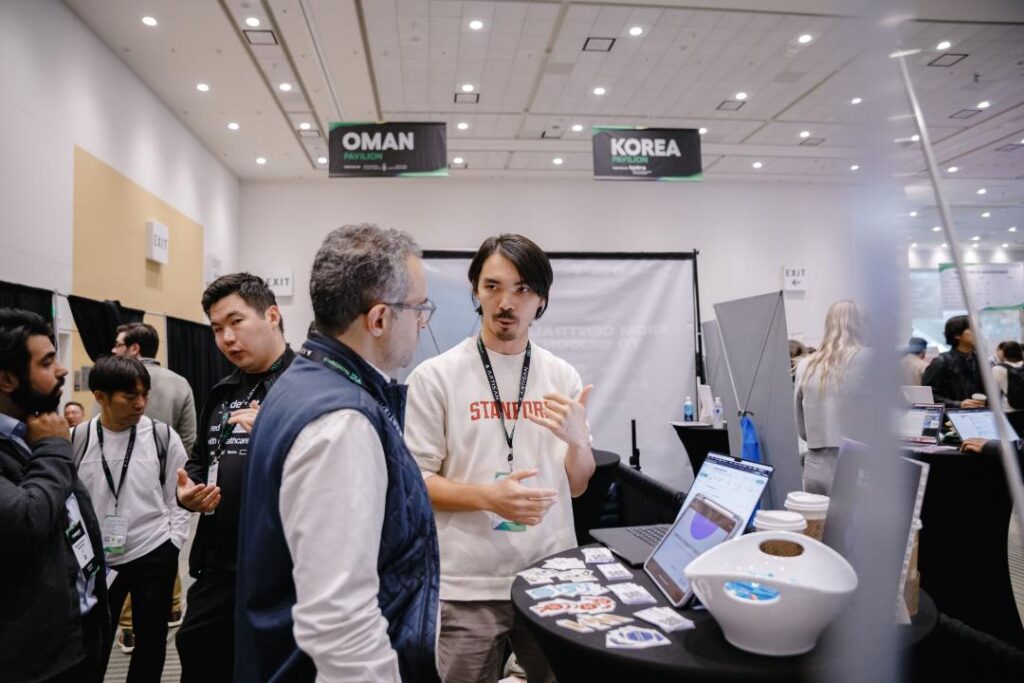
Kazakhstan-based startup Defect AI, part of the Astana Hub ecosystem, has been selected for the spring 2026 cohort of the StartX accelerator at Stanford University. The program is considered one of the most competitive in Silicon Valley and brings together promising technology projects from around the world. The platform developed by the startup uses artificial intelligence to analyze medical documentation. According to the developers, the algorithm can reduce the time spent on manual document verification by up to 95%. The service is designed to help medical organizations comply with regulatory requirements and standards while reducing the administrative burden on doctors. The product is positioned as an AI assistant that structures documentation and processes large volumes of medical data without requiring additional staff. The startup operates internationally under the brand name Rette, derived from the Kazakh word “retteu,” meaning “to put in order.” Experience gained from implementing the technology in Kazakhstan allowed the team to test the product in a real healthcare system. However, the company’s main strategic focus is now shifting to the U.S. market. The Defect AI team operates globally, with key employees based in Kazakhstan, the U.S., Japan, the United Kingdom, and Germany. The team includes specialists with experience at Meta, Google, and Microsoft. Through its participation in the StartX program, the startup has formed an advisory board that includes practicing doctors and medical technology investors. Co-founder Sanzhar Myrzagalym said the road to the accelerator was a long one. The team applied four times before being accepted into the program.
Dushanbe and London Agree on Cooperation on Critical Minerals

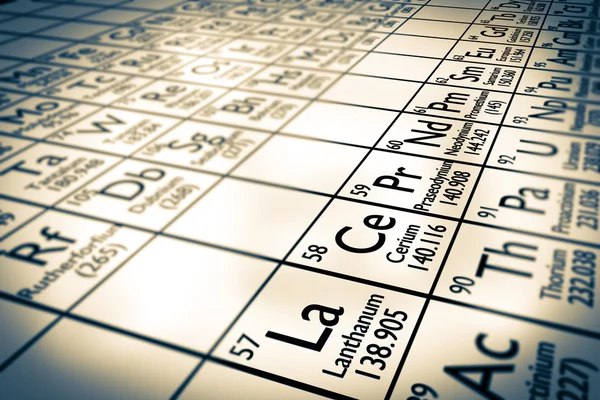
The Tajik government has approved a draft memorandum of understanding with the United Kingdom on cooperation in the field of critical minerals. The agreement is expected to be concluded between Tajikistan’s Ministry of Industry and New Technologies and the UK government. The draft memorandum emphasizes the strategic importance of critical minerals for the global economy. These resources are essential for industrial development, advanced technologies, and the transition to low-carbon energy systems. The document notes that sustainable and transparent supply chains for such minerals are crucial for economic security. The market for these resources remains vulnerable due to the high concentration of production in a limited number of countries and the risk of supply disruptions. Cooperation between Tajikistan and the UK aims to diversify supply sources and promote the development of more sustainable international supply chains for the extraction and processing of raw materials. The parties also intend to implement high sustainable development standards throughout project lifecycles, including environmental, social, and governance (ESG) principles. The memorandum also includes the possibility of export credit and project insurance, subject to certain conditions. In addition to business cooperation, the agreement provides for the development of scientific and educational initiatives. In particular, the following measures are planned: the creation of academic partnerships; the exchange of experience between research institutes; strengthening the institutional capacity of the mining sector. A joint working group on critical minerals will be established to coordinate cooperation, with meetings planned twice a year. The memorandum will be valid for five years, with the possibility of automatic renewal. Tajikistan has significant reserves of several strategic resources. According to geologists, there are indications of lithium deposits in the country, a key metal used in the production of electric vehicle batteries and electronics. Rare earth elements have also been identified, including potential deposits of cerium and praseodymium, which are used in electronics and renewable energy technologies. In addition, the country has reserves of niobium and tantalum.

UK and Kyrgyzstan Expand Financial Cooperation

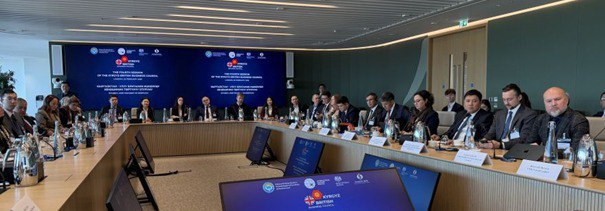
The Kyrgyz Republic Capital Markets Day was held in London, where representatives of the UK financial and investment community met with Kyrgyz officials to discuss prospects for expanding banking and investment cooperation. The Kyrgyz delegation was led by Deputy Minister of Economy and Commerce Mederbek Tumanov. During his working visit to London, Tumanov held meetings with representatives of the investment banks Oppenheimer and Citi, presenting Kyrgyzstan’s macroeconomic indicators for recent years and outlining the country’s fiscal policy and structural reforms. According to the Ministry of Economy and Commerce, Kyrgyzstan aims to improve its sovereign credit rating, which would facilitate the country’s access to international capital markets. During the discussions, particular attention was given to creating a predictable regulatory environment for investors. The Kyrgyz government also seeks to reduce the cost of external borrowing and strengthen the confidence of international investors. During the visit, the Kyrgyz delegation met with business representatives, including DG and Bankinvest, to discuss opportunities for attracting British private capital to key sectors of the Kyrgyz economy. According to the Kyrgyz Ministry of Economy, the British delegates expressed interest in expanding investment cooperation. Tumanov also participated in a meeting of the Kyrgyz-British Business Council, where participants discussed prospects for bilateral investment and the promotion of Kyrgyzstan’s economic priorities in the British market. During the event, the Kyrgyz representatives presented a number of potential investment projects to British investors, including initiatives related to the development of critical minerals, financial market development, and closer banking cooperation. According to Kyrgyz authorities, the interest shown by British businesses reflects growing international investor attention to Kyrgyzstan and the wider Central Asian region.

Middle East Conflict May Slow Growth, but Gold and Oil Dynamics Could Cushion Impact

The escalating conflict in the Middle East could weigh on Uzbekistan’s economic growth if it persists, though higher gold prices and oil-driven gains in key partner economies may soften the impact, according to Uzbek economist Mirkomil Kholboyev. Kholboyev shared his analysis on his Telegram channel, examining both the direct and indirect channels through which the crisis could affect Central Asia’s largest economy. “Several days of geopolitical tensions in the Middle East have already turned into open military confrontation,” he wrote. “It is still difficult to say how long this situation will last. If it is short-term and the previous status quo is restored, the impact on our economy will likely be limited and temporary. But if the war continues for a longer period, the consequences could be more significant.” Direct trade exposure appears limited. According to data from Uzbekistan’s national statistics portal, the country exported $157 million worth of goods to Iran in 2025, accounting for just 0.5% of total exports. Imports from Iran totaled $421 million, or 0.9% of overall imports. Trade with Israel was even smaller, with exports of $33 million and imports of $22 million. “Even a complete halt in trade with these countries would not significantly affect total exports,” Kholboyev wrote, though he noted that export and import growth could slow. Iran also plays a role as a transit hub. Its ports are part of broader regional logistics networks, including the Central Asia-India corridor via Chabahar and the International North-South Transport Corridor (INSTC). According to a regional analytical report, Uzbekistan accounts for 5.5% of total traffic along this route, compared with 61.1% for Kazakhstan and 29.4% for Turkmenistan. Kholboyev pointed out that while some of Uzbekistan’s trade passes through Iranian ports, the country is less dependent on them than other Central Asian countries. Still, he cautioned that prolonged fighting would inevitably disrupt both direct trade and transit flows. “I do not have precise data on how much of our total foreign trade passes specifically through Iranian ports,” he wrote. “That makes it difficult to assess the full effect. But if the war continues, both direct trade and transit through Iran will suffer serious damage.” Even if trade with the wider region, including Iran and other countries affected by hostilities, were to stop entirely, Kholboyev estimates the impact would remain moderate. The region accounts for about 2.4% of Uzbekistan’s exports and 1.5% of imports. A complete halt could slow export growth by roughly 3% and imports by about 2.5%, reducing overall GDP growth by around 0.6 percentage points. A 50% reduction in trade with the region would shave an estimated 0.2-0.3 percentage points off GDP growth. Energy markets represent a more significant risk channel. As trading resumed after the latest escalation, global oil prices rose by about 9%, driven by concerns over potential disruptions in the Strait of Hormuz, through which roughly one-fifth of global oil consumption passes. “If tensions escalate further and oil flows are restricted, or if prices continue rising amid uncertainty, this could slow...

Kazakhstan Plans to Expand Nature Reserves by Two Million Hectares by 2035

Kazakhstan plans to significantly expand its system of specially protected natural areas (SPNAs) over the next decade. Under a new state strategy, the country aims to increase the area of nature reserves and national parks by 2 million hectares by 2035 and expand its forest fund by 0.8 million hectares. The targets are outlined in the Concept for the Conservation and Sustainable Use of Biological Diversity for 2026-2035, which defines key environmental policy priorities and long-term measures to protect natural resources. The first priority of the concept is the development of a unified ecological network and the expansion of the system of specially protected natural areas. According to the Ministry of Ecology and Natural Resources, creating and expanding such areas is one of the most effective tools for preserving biodiversity and is widely used internationally. By 2035, the area of specially protected natural areas in Kazakhstan is expected to increase from the current 31 million hectares to 33.2 million hectares. The second priority focuses on improving forest protection and developing sustainable forest management. The government plans to increase the country’s forest area to 14.7 million hectares, up from the current 13.9 million hectares, while ensuring more rational use of timber resources. The third area of the concept concerns improving systems for monitoring and protecting wildlife. The fourth set of measures focuses on protecting fish species and natural fish resources. Authorities plan to strengthen ecosystem monitoring and expand scientific research into risk factors affecting aquatic biological resources. The fifth and sixth areas address the conservation of plant life and the problem of pasture degradation, one of the country’s most significant environmental challenges. The concept was developed through interagency cooperation with the participation of international partners. In particular, the United Nations Development Programme in Kazakhstan provided support through a project funded by the Global Environment Facility. The Ministry of Ecology says the strategy should strengthen Kazakhstan’s role as one of Central Asia’s regional leaders in nature conservation and create a foundation for new international environmental partnerships. Earlier, it was reported that Kazakhstan is also considering the possibility of limited and strictly regulated exports of saiga horns from the rare steppe antelope whose population has increased hundreds of times over the past two decades.

Navigation Seals in the EAEU: Digital Modernization or a New Barrier for Kazakhstani Businesses?

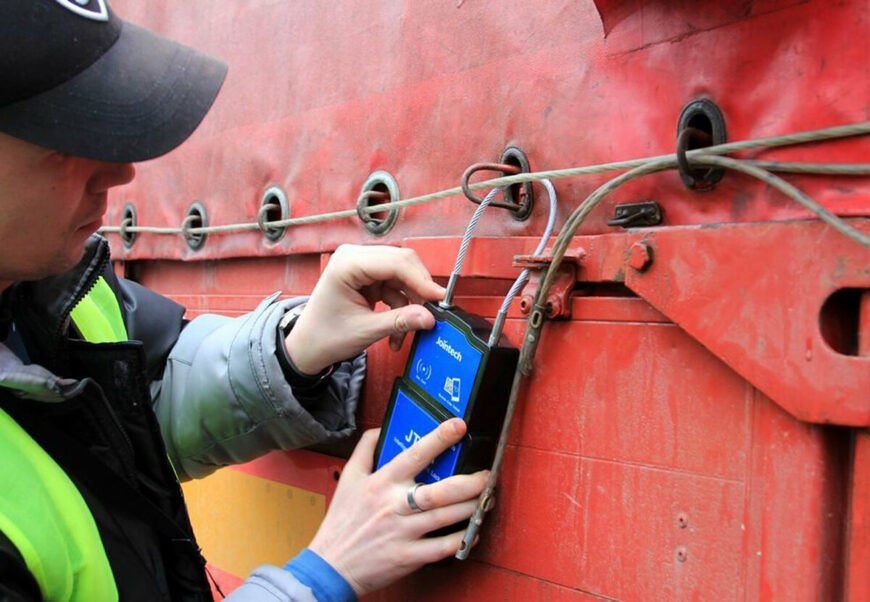
Since February 2026, the countries of the Eurasian Economic Union (EAEU), Kazakhstan, Kyrgyzstan, Tajikistan, Belarus, and Russia, have begun the phased introduction of a navigation seal system to track cargo shipments. The mechanism is designed to increase transit transparency, strengthen control over the movement of goods, and speed up logistics operations. However, business representatives warn that the new system could lead to higher logistics costs and create additional administrative barriers for carriers. Against the backdrop of the launch of the project’s first phase in Kazakhstan, debate is growing over whether digitalization will deliver the expected benefits, or become another source of pressure on the market. New Transport Control System The agreement on the use of navigation seals in the EAEU was signed by the heads of state on April 19, 2021, and ratified by Kazakhstan in 2023. The document provides for the tracking of goods transported through the territories of two or more member states of the union. In Kazakhstan, amendments were introduced to national legislation to implement the agreement, the information systems of controlling authorities were modernized, and pilot projects were conducted in both road and rail transport. Under a resolution of the Government of Kazakhstan dated September 10, 2024, the national operator of the transport tracking system is the Institute of Space Technology and Technologies LLP, which operates under the Aerospace Committee of the Ministry of Digital Development. By decision of the Eurasian Economic Commission’s Collegium dated September 23, 2025, phased transport tracking using navigation seals began on February 11, 2026, for goods transported between EAEU countries. In 2025, the national operator, together with the State Revenue Committee of the Ministry of Finance of Kazakhstan, conducted a pilot project on the use of navigation seals in transit transportation. Testing took place at road border crossings and along railway routes. The main objective was to test procedures for installing and removing seals, as well as to verify the interaction between government information systems and the Transit platform. As a result of the pilot project, more than 890 shipments involving 1,757 vehicles were tracked, and a total of 1,637 navigation seals were installed. The devices were used at key road checkpoints and along the railway route between Altynkol and Saryagash stations. Based on the results, authorities concluded that the system was technically and organizationally ready for large-scale implementation. How “Digital Seals” Work According to Osken Toishibekov, director of the Institute of Space Technology and Technologies, the system is based on the Transit information platform, which connects carriers, operators, and government agencies. He explained to The Times of Central Asia that a navigation seal is a device equipped with an electronic module and a sealing element with satellite navigation capabilities. It enables the location of a vehicle to be tracked via GPS, with data transmitted to the system through mobile networks. The device records attempts to open or damage the seal, break the sealing cable, interfere with the equipment, or trigger other abnormal events. All information is automatically transmitted to the...