• KGS/USD = 0.01143 0%
  • KZT/USD = 0.00205 0%
  • TJS/USD = 0.10433 0.1%
  • UZS/USD = 0.00008 0%
  • TMT/USD = 0.28577 0%
  • KGS/USD = 0.01143 0%
  • KZT/USD = 0.00205 0%
  • TJS/USD = 0.10433 0.1%
  • UZS/USD = 0.00008 0%
  • TMT/USD = 0.28577 0%
  • KGS/USD = 0.01143 0%
  • KZT/USD = 0.00205 0%
  • TJS/USD = 0.10433 0.1%
  • UZS/USD = 0.00008 0%
  • TMT/USD = 0.28577 0%
  • KGS/USD = 0.01143 0%
  • KZT/USD = 0.00205 0%
  • TJS/USD = 0.10433 0.1%
  • UZS/USD = 0.00008 0%
  • TMT/USD = 0.28577 0%
  • KGS/USD = 0.01143 0%
  • KZT/USD = 0.00205 0%
  • TJS/USD = 0.10433 0.1%
  • UZS/USD = 0.00008 0%
  • TMT/USD = 0.28577 0%
  • KGS/USD = 0.01143 0%
  • KZT/USD = 0.00205 0%
  • TJS/USD = 0.10433 0.1%
  • UZS/USD = 0.00008 0%
  • TMT/USD = 0.28577 0%
  • KGS/USD = 0.01143 0%
  • KZT/USD = 0.00205 0%
  • TJS/USD = 0.10433 0.1%
  • UZS/USD = 0.00008 0%
  • TMT/USD = 0.28577 0%
  • KGS/USD = 0.01143 0%
  • KZT/USD = 0.00205 0%
  • TJS/USD = 0.10433 0.1%
  • UZS/USD = 0.00008 0%
  • TMT/USD = 0.28577 0%

Viewing results 19 - 24 of 5350

Kazakhstan Condemns Missile, Drone Strikes from Iran on UAE

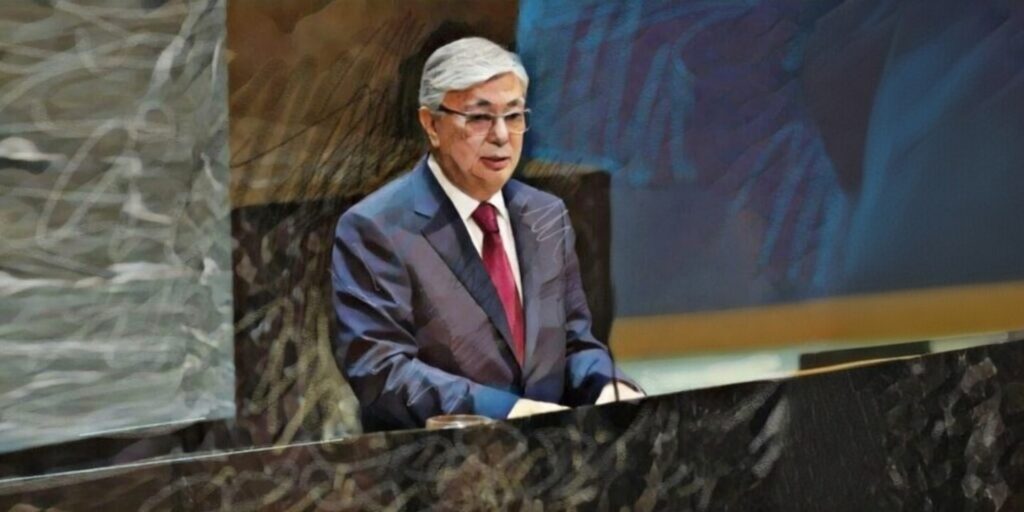
Kazakhstan has condemned aerial attacks “from Iranian territory” on the United Arab Emirates, in remarks that emphasized de-escalation and diplomacy while refraining from directly criticizing the Iranian government. “President Kassym-Jomart Tokayev condemned the missile strikes and drone attacks from Iranian territory on the United Arab Emirates, which resulted in numerous casualties among the population and damage to civilian infrastructure,” according to a statement posted by Aibek Smadiyarov, spokesman for Kazakhstan’s presidency. “The head of state considers such actions unacceptable, as they lead to a dangerous escalation of the armed conflict in the Middle East,” said the statement, which was released on Tuesday. “In Kassym-Jomart Tokayev's opinion, the use of diplomatic means is the only correct method of resolving all disputed international issues.” The statement maintained a diplomatic tone and emphasized de-escalation, differing from a statement from Tokayev several days ago in which he welcomed comments by Iranian President Masoud Pezeshkian about ending Iranian missile and drone attacks on neighboring countries. However, attacks by Iran on some U.S. allies in the region have continued in retaliation for intense U.S. and Israeli air strikes on Iran that began on February 28. Without providing evidence, some Iranian officials have claimed that some strikes on neighboring states, including a recent drone attack on Azerbaijan, were false flag operations aimed at undermining the Iranian government. Pezeshkian’s apology for Iranian attacks raised questions about the cohesion of Iranian government narratives following the death of Supreme Leader Ayatollah Ali Khamenei on the first day of the war. His son, Mojtaba Khamenei, was appointed to replace him. Central Asian countries have been trying to maintain a balance in their public pronouncements on the war, maintaining ties with the Iranian government while expressing support for Gulf Arab countries that have been targeted by Iranian missiles and drones. Central Asia has trade ties with both sides.

Uzbek Grandmaster Abdusattorov Wins in Prague: “I Was Always in Control.”

Nodirbek Abdusattorov of Uzbekistan has risen to fourth in the live chess ratings after winning the Prague Chess Festival Masters this month, following his victory in the elite Tata Steel tournament in the Netherlands earlier this year as well as the 2025 London Chess Classic.  Abdusattorov now has a classical chess live rating of 2780.3, behind Fabiano Caruana (2793.2), Hikaru Nakamura (2810), both of the United States, and top-ranked Magnus Carlsen (2840) of Norway. The player from Uzbekistan is 21 years old, while the other three players are in their 30s.   Live ratings are updates of chess ratings that happen after the end of a game in a major tournament. They are based on the official ratings of FIDE, the international governing body of chess, that are updated every month.  In the final round in Prague, Abdusattorov’s draw against American Hans Niemann was enough to win the tournament. The nine-day event ended on March 6.  “It went very smooth. I was always in control,” the Uzbek player said in an interview with lichess.org, a chess platform. “Prague is a nice place and a lucky place for me because I won two tournaments here already.”  Abdusattorov said a lot of people from Uzbekistan came to the venue to support him, and that his strong run began in London last year.  “It boosts my confidence and everything went my way since then,” he told lichess.org. “It’s continuing to get better and better. But when you are playing against absolutely top players like Magnus, Fabiano and all other super grandmasters, you need to show consistency, you need to prove everything again and again.  “That’s my mindset for now.”  According to the Prague tournament website, Abdusattorov said he took a break from the tournament last year after an earlier title there and might try the same schedule again, aiming to return in 2028.

Lukashenko Says Belarus Ready to Help Uzbekistan Build Nuclear Power Plant

Belarus is ready to assist Uzbekistan in building a nuclear power plant and training specialists for the country’s emerging nuclear energy sector, President Alexander Lukashenko said during a meeting with Uzbekistan’s ambassador to Belarus, Rakhmatulla Nazarov. According to the Belarusian president’s press service, the discussion took place on March 9 in Minsk and covered a wide range of issues ahead of a planned visit by Uzbekistan’s President Shavkat Mirziyoyev to Belarus. Lukashenko said relations between the two countries were developing steadily and that the upcoming visit could mark an important stage in expanding bilateral cooperation. “My very good friend Shavkat Miromonovich [Mirziyoyev] and I have much to discuss,” Lukashenko said at the beginning of the meeting. “By the time of his visit, we will update our agenda and develop plans for the near and medium term.” The Belarusian leader noted that both countries are working toward increasing bilateral trade to $2 billion in the coming years. He said such a target was realistic because the two economies complement rather than compete with each other. “Everything we know how to produce, from agriculture to machine building, is needed by the densely populated Uzbek state,” Lukashenko said, according to Belarusian media. Among the areas of potential cooperation, Lukashenko highlighted agriculture, industrial production, and nuclear energy. He said Belarus was prepared to share technologies, provide training, and support joint projects. “We know about your interest in our specialists in building a nuclear power plant,” Lukashenko said during the meeting. “We acquired these competencies thanks to cooperation with Russia. If it suits you, come at any time. Your representatives can meet with our specialists, and we will facilitate the construction of your nuclear power station.” Belarus has gained experience in nuclear energy through its cooperation with Russia on the Astravets nuclear power plant, which began operating in recent years. Lukashenko said Belarusian specialists currently work with Russian partners on nuclear projects in several countries. He emphasized that cooperation in nuclear energy and other sectors would be mutually beneficial, noting the size of Uzbekistan’s market and its rapidly growing economy. Lukashenko also praised Uzbekistan’s recent development efforts. “We see how Uzbekistan is drawing experience and expertise from around the world,” he said, adding that Belarus is ready to contribute to training specialists and developing technology in different sectors. The Belarusian president also said his country remains open to Uzbek workers seeking employment in Belarus, noting that migrant workers are offered access to education and social services on equal terms with local residents. In August last year, officials from Uzbekistan’s Uzatom Atomic Energy Agency met with Belarusian Energy Minister Denis Moroz in Minsk to discuss potential collaboration in nuclear infrastructure development, specialist training, and radioactive waste management. During those talks, Belarus expressed readiness to share its experience as Uzbekistan develops its national nuclear energy program.

Uzbekistan Repatriates Over 21,700 Citizens from Middle East

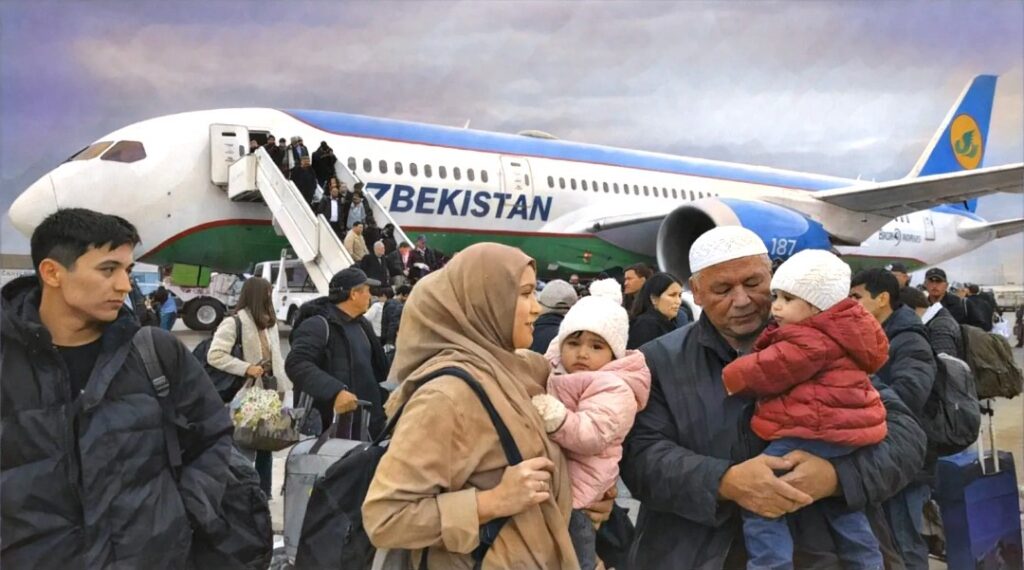
Uzbekistan has repatriated 21,712 citizens from several Middle Eastern countries as of 07:00 on March 9, the country’s Ministry of Foreign Affairs has said, as evacuation efforts continue amid regional instability. Most of those returned came from Saudi Arabia, where 17,963 citizens were brought back to Uzbekistan. Additional repatriations included 3,290 people from the United Arab Emirates, 378 from Qatar, 47 from Iran, 27 from Bahrain, and seven from Oman. The ministry said the return of Uzbek citizens is being carried out “systematically and in stages,” with authorities continuing to coordinate transport and logistics for those seeking to return. Officials noted that many repatriation flights are currently being organized through countries whose airspace remains open to civilian aviation. Uzbekistan’s evacuation reflects the scale of its citizens’ presence across the Gulf. In recent years, the country has expanded labor migration agreements with Saudi Arabia, the United Arab Emirates, and Qatar, sending thousands of workers into construction, hospitality, and service sectors. Saudi Arabia has also become a major destination for religious travel from Uzbekistan, with large annual flows of pilgrims traveling for the Hajj and Umrah. Kazakhstan has also evacuated citizens during the crisis, bringing 8,585 people home from Middle Eastern countries since the operation began. Central Asian citizens travel widely to Gulf states for work, tourism, and pilgrimage, leaving thousands affected when conflicts disrupt flights and close regional airspace. The number of returned citizens has risen steadily over the past several days. According to the foreign ministry, 19,347 Uzbek citizens had returned home as of 07:00 on March 8. Uzbek diplomatic missions in the region have also issued safety guidance to citizens who remain abroad. In a statement published by the Embassy of Uzbekistan in Israel, citizens were urged to follow official security instructions issued by local authorities. The embassy said red alerts issued by Israel’s civil defense authorities indicate a dangerous situation and require people to stay near protected shelters and immediately enter them if warning sirens sound. Blue alerts indicate that the threat has passed, and people may leave shelters. Other Central Asian countries have also organized evacuations of their citizens. According to Tajik media outlet Asia-Plus, more than 300 citizens of Tajikistan returned home on March 8 on two flights from Dubai. One charter flight brought 130 Tajik citizens to Dushanbe in the morning, while a later flight operated by Somon Air transported another 180 passengers. The charter operation was organized with support from the Tajik embassy in the United Arab Emirates, local authorities, and the airline Flydubai. About 550 Tajik citizens have returned home from Abu Dhabi and Dubai on charter flights in recent days amid the ongoing regional conflict.

Kyrgyzstan’s Health Ministry Proposes Higher Taxes on Sugary Drinks and Salty Foods to Protect Public Health

Kyrgyzstan’s Ministry of Health has proposed reforms to the country’s excise tax system targeting sugar-sweetened beverages and foods with high salt content in an effort to reduce their consumption and improve public health. The proposal was discussed on March 9 at a meeting involving representatives of the Ministry of Economy and Commerce, the Ministry of Finance, the State Tax Service, the Ministry of Agriculture, the World Health Organization (WHO), UNICEF, and leading business associations. Currently, Kyrgyzstan applies a uniform excise tax of 3 soms (about $0.03) per liter on sugar-sweetened non-alcoholic beverages, regardless of their sugar content. The Ministry of Health proposes introducing a differentiated excise tax system in which the rate would depend on the amount of sugar in a beverage: Up to 5 grams of sugar per 100 ml - 5 soms (about $0.06) per liter 5-8 grams per 100 ml - 7 soms (about $0.08) per liter 8-11 grams per 100 ml - 9 soms (about $0.10) per liter More than 11 grams per 100 ml - 11 soms (about $0.12) per liter Officials say the new structure would encourage manufacturers to reduce sugar content in beverages, promote healthier consumer habits, and decrease consumption of high-sugar products. The ministry also proposes introducing a fixed excise tax of 20 soms (about $0.20) per liter on energy drinks, citing their high levels of sugar and caffeine and the potential health risks they pose, particularly for adolescents. Authorities are also considering similar differentiated taxation for foods with high salt content, including fried and salty snacks such as chips, salted crackers, and similar products. The goal is to discourage excessive consumption of high-salt foods and reduce related health risks. Representatives of the World Health Organization and UNICEF have expressed support for the proposal. WHO representative Alina Altymyshova noted that similar measures are widely used around the world. According to her, 116 countries already apply various forms of taxation or regulation on foods and beverages high in sugar and salt to help prevent noncommunicable diseases and promote healthier diets. She also highlighted numerous international studies demonstrating the negative health impacts of regular consumption of sugary beverages, particularly among children and adolescents. Deputy Health Minister Temirbek Erkinov warned that unhealthy diets are becoming a growing public health challenge in Kyrgyzstan. According to data from the National Statistical Committee for 2023, about 9% of children in Kyrgyzstan, roughly one in eleven, are overweight. Other indicators highlight widespread unhealthy dietary habits: 75% of children aged 6-23 months consume unhealthy foods 78% regularly drink sugary beverages 16% do not consume fruits and vegetables daily More than 84,000 people in Kyrgyzstan are currently registered with diabetes, with the number increasing by 5,000 to 7,000 cases each year. “The issue of nutrition and related diseases is becoming one of the most serious challenges for the public health system,” Erkinov said. Health officials believe measures to reduce the consumption of foods high in sugar and salt should become an important tool in preventing noncommunicable diseases and improving the country’s...

Kazakhstan Considers Supporting Dairy Sector to Curb Inflation

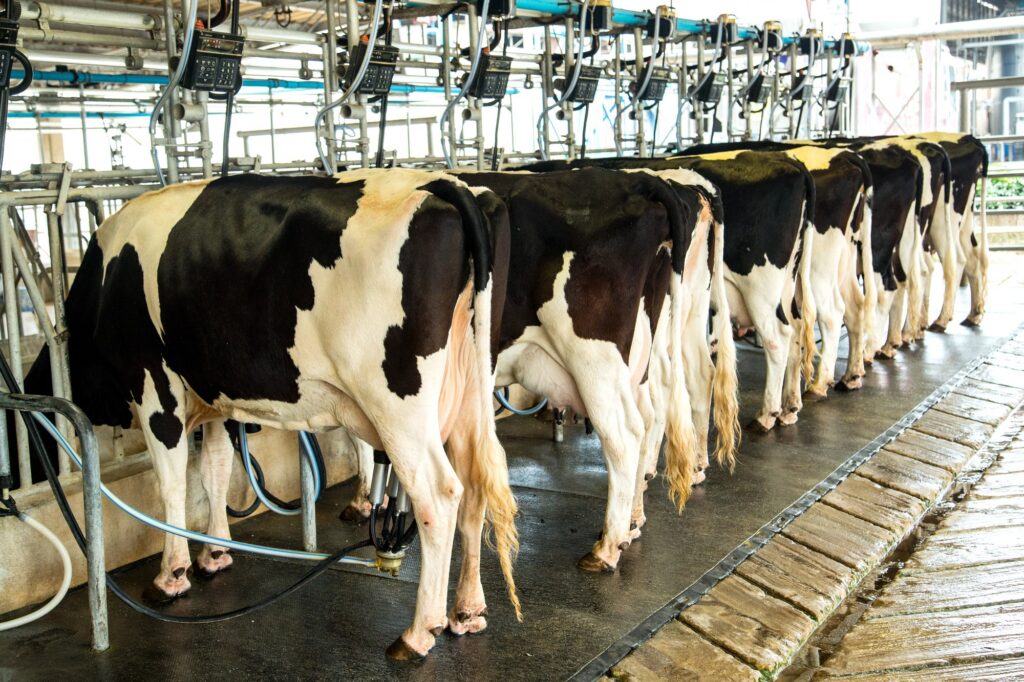
Kazakhstan’s government is considering additional support for dairy processors and bakeries as part of broader efforts to slow inflation and stabilize prices for essential food products. The proposal was discussed during a government meeting focused on inflation dynamics and price trends for socially significant food products. According to Aizhan Bizhanova, Kazakhstan’s First Vice Minister of Trade and Integration, inflation in the country has been slowing for five consecutive months, declining from 12.9% in September 2025 to 11.7% in February 2026. Food inflation has also continued to ease, falling from 13.5% in December and 12.9% in January to 12.7% in February. The ministry attributes the slowdown in part to the expansion of the list of socially significant food products subject to price regulation. The list has been expanded from 19 to 31 items, and since the beginning of the year authorities have opened more than 800 administrative cases related to violations of pricing rules. “During the first week of March, the price index for socially significant food products increased by 0.1%. At the same time, dairy products recorded price growth, mainly due to rising costs of raw milk,” the government’s press service said in a statement. Additional pressure on prices has also come from higher energy costs and increased production expenses. Dairy products account for a significant share of Kazakhstan’s food inflation, estimated at about 6.3%. The Ministry of Trade and Integration therefore proposed exploring mechanisms to support dairy processing enterprises in order to reduce production costs and stabilize prices. The government also discussed possible support measures for Kazakhstan’s bakery sector. Among the options considered were providing bakeries with discounted grain and flour and exploring the possibility of lowering railway tariffs for transporting raw materials. Officials suggested working with the national railway operator Kazakhstan Temir Zholy to reduce transportation costs for the sector. Participants at the meeting noted that prices traditionally rise in March due to seasonal factors. However, the Ministry of Trade and Integration plans to mitigate the impact through additional price discount campaigns and expanded agricultural fairs. Kazakhstan also continues to use a “green corridor” mechanism to facilitate the import of vegetables from neighboring countries. Deputy Prime Minister and Minister of National Economy Serik Zhumangarin, who chaired the meeting, instructed authorities to conduct a detailed review of pricing at 42 dairy processing enterprises operating in Kazakhstan. The aim is to identify effective mechanisms for supporting producers and stabilizing consumer prices. Officials also highlighted slow releases of vegetables from regional stabilization funds, which supply products to the market at fixed prices. The slow pace was particularly noted in the Aktobe, Zhambyl, Kyzylorda, and Ulytau regions. Zhumangarin instructed the Ministries of Agriculture and Trade to inspect regional stabilization funds and verify the actual availability of products reported by local authorities. Despite recent improvements, several international organizations expect inflation in Kazakhstan to remain elevated in 2026. S&P Global Ratings forecasts inflation will reach about 11% by the end of the year. The Eurasian Development Bank predicts inflation could fall to 9.7% by...