• KGS/USD = 0.01144 0%
  • KZT/USD = 0.00213 0%
  • TJS/USD = 0.10456 0.19%
  • UZS/USD = 0.00008 0%
  • TMT/USD = 0.28490 0%
  • KGS/USD = 0.01144 0%
  • KZT/USD = 0.00213 0%
  • TJS/USD = 0.10456 0.19%
  • UZS/USD = 0.00008 0%
  • TMT/USD = 0.28490 0%
  • KGS/USD = 0.01144 0%
  • KZT/USD = 0.00213 0%
  • TJS/USD = 0.10456 0.19%
  • UZS/USD = 0.00008 0%
  • TMT/USD = 0.28490 0%
  • KGS/USD = 0.01144 0%
  • KZT/USD = 0.00213 0%
  • TJS/USD = 0.10456 0.19%
  • UZS/USD = 0.00008 0%
  • TMT/USD = 0.28490 0%
  • KGS/USD = 0.01144 0%
  • KZT/USD = 0.00213 0%
  • TJS/USD = 0.10456 0.19%
  • UZS/USD = 0.00008 0%
  • TMT/USD = 0.28490 0%
  • KGS/USD = 0.01144 0%
  • KZT/USD = 0.00213 0%
  • TJS/USD = 0.10456 0.19%
  • UZS/USD = 0.00008 0%
  • TMT/USD = 0.28490 0%
  • KGS/USD = 0.01144 0%
  • KZT/USD = 0.00213 0%
  • TJS/USD = 0.10456 0.19%
  • UZS/USD = 0.00008 0%
  • TMT/USD = 0.28490 0%
  • KGS/USD = 0.01144 0%
  • KZT/USD = 0.00213 0%
  • TJS/USD = 0.10456 0.19%
  • UZS/USD = 0.00008 0%
  • TMT/USD = 0.28490 0%

Viewing results 265 - 270 of 870

New UNEP Atlas Highlights Kyrgyzstan’s Climate Vulnerability

Amid intensifying climate impacts, the UN Environment Programme (UNEP) released its Atlas of Environmental Change for Kyrgyzstan on March 26, offering a comprehensive assessment of the country's growing environmental risks and response strategies. Warming at Twice the Global Rate According to the Atlas, average annual temperatures in Kyrgyzstan have increased by 1.2°C between 1960 and 2023, double the global average of 0.6°C. This accelerated warming has exacerbated water scarcity and the likelihood of natural disasters, a trend expected to intensify in the coming decades. While water availability declines, demand continues to rise, particularly in agriculture. The report stresses the urgent need for robust climate adaptation measures, including reducing irrigation losses, upgrading early warning systems, and improving pasture management. Currently, an estimated 70% of Kyrgyzstan’s pastures are degraded. Declining Water Resources Hydropower accounts for up to 93% of Kyrgyzstan’s electricity generation. But as the climate shifts, rainfall patterns, snow cover, and glaciers are changing, threatening the water inflows that power these systems. Water flow into the Toktogul Reservoir, which feeds the country’s largest hydroelectric plant, could decrease by as much as 18.8% by 2050. This poses a serious threat not only to energy security but also to regional cooperation, as Kyrgyzstan lies upstream of many major Central Asian rivers. The report underscores the importance of transboundary water management. Disasters on the Rise Natural disasters are also becoming more frequent and severe. On average, Kyrgyzstan experiences around 200 emergencies per year, 90% of which are linked to natural hazards such as floods, earthquakes, mudslides, rockfalls, and avalanches. In 2022 alone, nearly 150 lives were lost to natural disasters. Between 2012 and 2018, the average annual economic loss from such events reached $27 million. Conservation Achievements Despite the mounting risks, the Atlas also highlights Kyrgyzstan’s environmental progress. Forest cover has increased from 6.2% in 2000 to 6.9% in 2023, a significant feat given the country's mountainous terrain. Protected areas have expanded from 0.5 million hectares in 2000 to 1.5 million hectares, with plans to increase this to 10% of national territory by 2040, safeguarding up to 65% of species listed on the IUCN Red List. All forests in Kyrgyzstan are protected from commercial logging. Notably, the creation of the Khan Teniri Nature Park has expanded snow leopard habitat in the Central Tien Shan mountains by 40%. A Tool for Climate Policy The UNEP Atlas offers Kyrgyz policymakers a vital evidence base for sustainable environmental management and climate adaptation. It is designed to guide future strategies as the country faces mounting ecological and socio-economic pressures.

Uzbekistan to Generate Electricity from Household Waste

Uzbekistan is advancing plans to build waste-to-energy (WTE) plants across several regions as part of a broader strategy to improve waste management and generate electricity. Presidential decrees have approved investment projects in Tashkent and the regions of Andijan, Namangan, Ferghana, Tashkent, Kashkadarya, and Samarkand. These projects aim to modernize the country’s waste processing infrastructure while enhancing environmental sustainability and attracting direct investment into the energy and utilities sectors. Under the agreements, project companies will supply the electricity generated from waste to “Uzenergosotish” JSC through 30-year guaranteed purchase contracts. Equipment launches are scheduled between 2025 and 2027, with the following projected processing capacities: Tashkent Region: 2,500 tons of waste processed daily, generating 390 million kWh annually Andijan Region: 1,500 tons for 240 million kWh Kashkadarya Region: 1,500 tons for 240 million kWh Samarkand Region: 1,500 tons for 240 million kWh Namangan Region: 1,500 tons for 227.5 million kWh Ferghana Region: 1,500 tons for 227.5 million kWh Global Models for Waste-to-Energy The concept of converting household waste into energy is widely used in countries with advanced waste management systems. Sweden, for instance, has developed a highly efficient WTE infrastructure that provides heating to over 1 million households and electricity to approximately 680,000 homes. As of 2013, the country was importing roughly 800,000 tons of waste annually from neighboring states to meet the fuel demands of its power plants. Japan has also embraced WTE technology, largely due to its limited landfill capacity. By 2020, Japanese incineration plants had a combined power generation capacity of approximately 2,200 megawatts, contributing significantly to the national grid. Challenges and Considerations Despite its promise, WTE technology is not without challenges. If not properly managed, waste incineration can result in harmful emissions and air pollution. Ensuring that Uzbekistan’s facilities meet modern environmental standards will be critical to the success and sustainability of the initiative. The government’s move reflects a growing recognition of the need for cleaner, more sustainable energy sources while addressing the persistent issue of urban waste. If implemented effectively, these projects could mark a significant step toward Uzbekistan's green energy transition.

Kyrgyzstan Combats Pastureland Degradation to Safeguard Livestock Farming

Pastureland is a strategic asset for Kyrgyzstan, where agriculture forms the backbone of rural livelihoods. A majority of the population depends on raising sheep, cattle, and horses for food and income. However, widespread degradation of pastureland, especially near settlements, now poses a growing threat to the country's livestock sector. Farmers and herders increasingly favor grazing their animals on easily accessible village pastures, leaving more remote areas underused. This uneven distribution has led to overgrazing and deterioration of pastures near populated areas. According to the Ministry of Water Resources, Agriculture and Processing Industry, more than 139,000 hectares of village pastures have been degraded and require restoration. Policy Response: Grazing Restrictions and Seasonal Rotation In response, the ministry has issued a directive mandating seasonal rotation of grazing lands. Under the new policy, farmers must move their livestock to distant pastures between April 15 and September 15 each year. This initiative aims to: Preserve natural ecosystems Promote responsible use of state-owned pastureland Enhance livestock productivity through improved pasture management Grass Reseeding Campaign Underway To rehabilitate affected areas, the government has launched a nationwide reseeding campaign. For the 2025 season, the Ministry of Agriculture has procured 94,462 kilograms of sainfoin seeds and 137,725 kilograms of other pasture grass seeds. These have been distributed across regions for use by local farmers and pasture users. The reseeding effort is expected to help restore 15,299 hectares of degraded pastureland. As of now, 2,810 hectares have already been sown with a mix of sainfoin and pasture grasses. This proactive approach underscores Kyrgyzstan's commitment to sustainable agriculture and long-term food security. Ensuring the health of its pastures is not just an environmental necessity, it’s an economic imperative for the thousands of families who depend on livestock farming for their livelihoods.

Uzbek Minister: Afghans Have the Right to Amu Darya Water Too

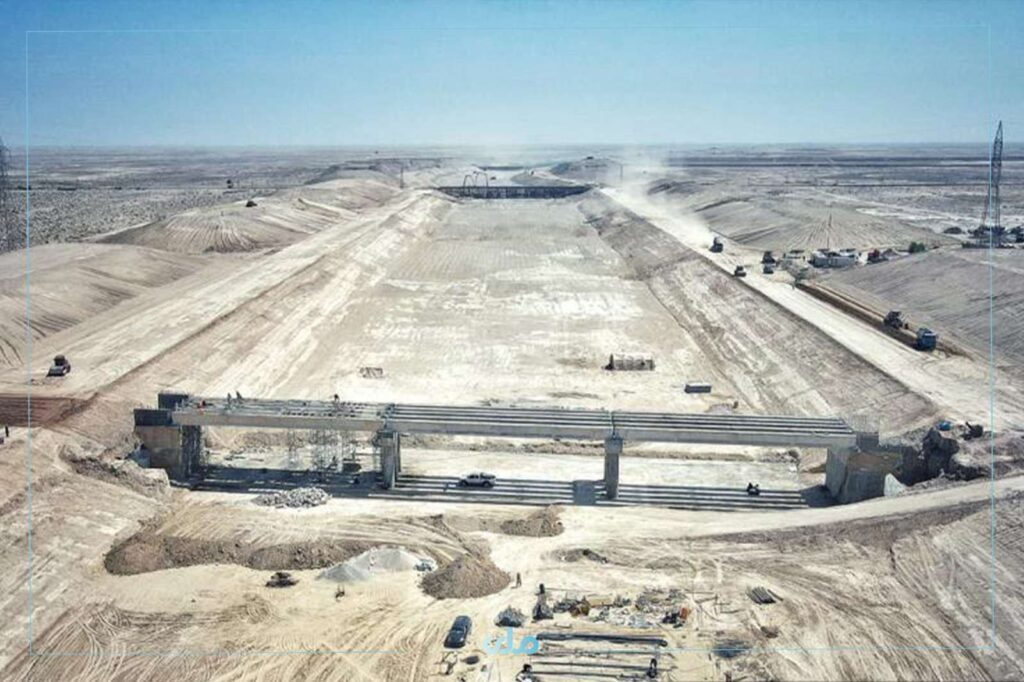
The construction of the Qosh Tepa Canal in northern Afghanistan has attracted growing attention from neighboring countries, particularly Uzbekistan. The ambitious project, initiated by the Taliban to divert water from the Amu Darya River, is expected to be completed by 2028. Uzbekistan’s Minister of Water Resources, Shavkat Khamraev, addressed the issue during a public meeting on March 18, according to Gazeta.uz. When asked about the canal’s potential impact on Uzbekistan, Khamraev emphasized that Afghanistan has a legitimate right to access the Amu Darya’s waters. He dismissed speculation that the project represents a hostile act, urging a focus on diplomacy and cooperation. “Afghans are our relatives. They also have the right to take water from the Amu Darya. Should we take up arms and fight? No, we are building better relations,” said Khamraev. He urged the public not to be swayed by rumors or misinformation, comparing such speculation to gossip that turns neighbors against each other. Khamraev also noted that he had visited Afghanistan multiple times recently and was warmly received, which he sees as a sign of improving bilateral relations. Rising Concerns About Regional Water Security Despite the minister’s reassurances, experts warn that the canal could exacerbate water shortages across Central Asia. Over 80% of the region’s water resources are used for agriculture, but nearly 40% is lost due to outdated and inefficient infrastructure. If water availability from the Amu Darya decreases, greater pressure may be placed on the Syr Darya River, potentially deepening existing water disputes. Strategic and Geopolitical Implications The canal project has also drawn attention from international observers. A report by the Center for the National Interest, a Washington, D.C.-based think tank, suggests that the United States could leverage the project to expand its influence in the region. Stretching 287 kilometers with a depth of 8.5 meters and a width of 100 meters, the Qosh Tepa Canal aims to irrigate over 1.2 million acres of farmland and create approximately 200,000 jobs in Afghanistan’s northern provinces. As construction progresses, the canal’s environmental, political, and economic impacts are likely to remain a key topic in regional diplomacy.

Climate Change – A Catalyst for Poverty and Environmental Degradation in Central Asia

Climate change encapsulates the gradual yet profound shifts in temperature and weather patterns over extended periods. While these changes can arise naturally from various phenomena — such as fluctuations in solar energy or significant volcanic eruptions — the advent of the industrial age in the 1800s marked a pivotal point where human influence became the predominant force driving climate change. This influence stems chiefly from burning fossil fuels, including coal, oil, and natural gas. The combustion of these fuels releases vast quantities of greenhouse gases into the atmosphere, creating a thick layer that envelops the Earth and traps heat from the sun, resulting in a steady rise in global temperatures. Carbon dioxide (CO2) and methane (CH4) are the most significant greenhouse gases contributing to this crisis. Carbon dioxide predominantly emerges from driving gasoline-powered vehicles and burning coal for heating. Additionally, the widespread practices of deforestation and land conversion continue to elevate carbon dioxide levels. Methane, meanwhile, is primarily produced through agricultural practices and the extraction processes associated with the oil and gas industries. The sectors that bear the heaviest burden in terms of greenhouse gas emissions include energy production, industrial processes, transportation, building operations, agriculture, and land use changes. The ramifications of this unfolding climate crisis are dire, especially for the world’s most vulnerable populations, particularly those residing in poverty. According to alarming insights from the World Bank, the 74 countries with the lowest income levels contribute a mere one-tenth of global greenhouse gas emissions. Yet, ironically, these nations are poised to endure the harshest repercussions of climate change. Over the past ten years, they have experienced an astounding surge in natural disasters, facing approximately eight times the frequency of such events compared to the 1980s. The effects on the lives of vulnerable populations are profound and far-reaching. Many face severe health challenges, including the prevalence of illnesses exacerbated by inadequate healthcare access. Erratic water supply creates a critical situation, often resulting in polluted drinking water that can lead to waterborne diseases. Additionally, the standard of education for these communities tends to be alarmingly poor, limiting future opportunities for young individuals. Many are forced to relocate as refugees, fleeing conflict and instability, which further complicates their lives. Moreover, those who find employment often encounter hazardous working conditions that put their safety and well-being at significant risk. Climate change presents profound security challenges for Central Asia, a region grappling with the dual threats of environmental shifts and social vulnerabilities. The interplay of climate change with existing fragility intensifies the risks to peace, stability, and security across the globe. This convergence will exacerbate human insecurity and escalate socio-economic and political instability. As a result of these changing climatic conditions, critical resources such as water, food, and energy face increasing threats. Countries already characterized by vulnerability — those grappling with conflict or instability — are among the most likely to experience detrimental effects. For instance, reports indicate severe drought conditions have led to a 30-40% decrease in agricultural production in some Central Asian...

Artificial Glaciers Created in Kyrgyzstan for Sustainable Agriculture and Climate Change Adaptation

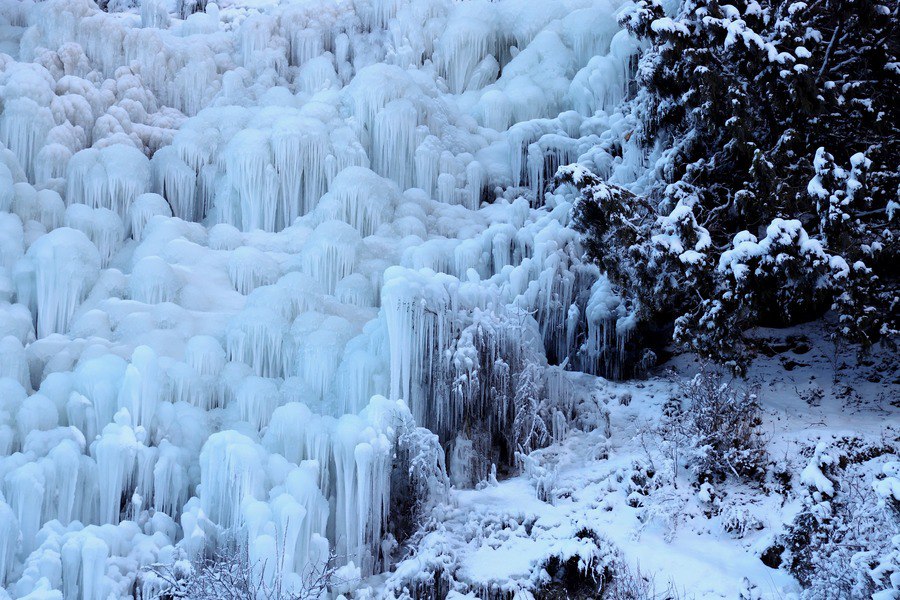
As the international community observed the first-ever World Day for Glaciers on March 21, a project led by the Food and Agriculture Organization of the United Nations (FAO) has demonstrated how artificial glaciers can help rural communities in Kyrgyzstan adapt to the effects of climate change. As part of the FAO initiative, seven artificial glaciers were constructed in villages across the Batken region of southern Kyrgyzstan in late autumn 2024​. Over the winter, these glaciers accumulated more than 1.5 million cubic meters of ice. As spring temperatures rise, the ice begins to melt, providing essential irrigation water for downstream agricultural lands. According to FAO experts, more than 1,750 hectares of land, equivalent to 2,451 football fields, can be irrigated using furrow irrigation. If modern systems are introduced, this could expand to as much as 15,000 hectares. These artificial glaciers are relatively simple structures designed to collect and freeze water in winter for agricultural use in summer, including for irrigation and livestock. On average, one glacier can support irrigation on 300 to 500 hectares. “The key is to choose the right location,” said Matraim Jusupov, FAO expert on water-saving technologies. “We channel water from a mountain spring through a pipeline ending in a vertical pipe 10-15 meters high. The elevation difference generates pressure, which allows us to spray water into the air. At sub-zero temperatures, it freezes and gradually forms an ice cone.” To build the glaciers, 6,956 meters of pipeline were laid. FAO supplied construction materials and technical guidance, while the work was carried out by local residents. The FAO office in Kyrgyzstan has since developed universal guidelines for building artificial glaciers and distributed them across the country. Based on this experience, new glacier construction is already underway in other regions. Global Glacier Melt According to the World Meteorological Organization (WMO) and the World Glacier Monitoring Service (WGMS), five of the past six years have seen the fastest glacier retreat ever recorded. The years 2022–2024 marked the largest three-year loss of glacier mass in history​. Once regarded as “eternal ice,” many glaciers are now unlikely to survive the 21st century. There are more than 275,000 glaciers worldwide, covering approximately 700,000 square kilometers. Along with ice sheets, glaciers store about 70% of the planet’s freshwater. Their depletion threatens water supplies for hundreds of millions of people. In response to this growing crisis, the UN General Assembly declared 2025 the International Year of Glaciers’ Preservation and designated March 21 as the annual World Day for Glaciers. The initiative aims to raise awareness of the critical role glaciers play in the global climate and hydrological systems, and their significance to economic and ecological stability. UNESCO and WMO are leading the global coordination effort, supported by over 200 organizations and 35 countries. Kyrgyzstan’s Initiatives A Kyrgyz delegation led by Dinara Kemelova, the President’s Special Representative for the Five Years of Action for Mountain Regions Development, participated in World Day for Glaciers events at UNESCO headquarters in Paris on March 20-21​. The meetings focused on...