
• KGS/USD = 0.01144 0%
  • KZT/USD = 0.00211 0%
  • TJS/USD = 0.10515 0.48%
  • UZS/USD = 0.00008 0%
  • TMT/USD = 0.28530 0%
  • KGS/USD = 0.01144 0%
  • KZT/USD = 0.00211 0%
  • TJS/USD = 0.10515 0.48%
  • UZS/USD = 0.00008 0%
  • TMT/USD = 0.28530 0%
  • KGS/USD = 0.01144 0%
  • KZT/USD = 0.00211 0%
  • TJS/USD = 0.10515 0.48%
  • UZS/USD = 0.00008 0%
  • TMT/USD = 0.28530 0%
  • KGS/USD = 0.01144 0%
  • KZT/USD = 0.00211 0%
  • TJS/USD = 0.10515 0.48%
  • UZS/USD = 0.00008 0%
  • TMT/USD = 0.28530 0%
  • KGS/USD = 0.01144 0%
  • KZT/USD = 0.00211 0%
  • TJS/USD = 0.10515 0.48%
  • UZS/USD = 0.00008 0%
  • TMT/USD = 0.28530 0%
  • KGS/USD = 0.01144 0%
  • KZT/USD = 0.00211 0%
  • TJS/USD = 0.10515 0.48%
  • UZS/USD = 0.00008 0%
  • TMT/USD = 0.28530 0%
  • KGS/USD = 0.01144 0%
  • KZT/USD = 0.00211 0%
  • TJS/USD = 0.10515 0.48%
  • UZS/USD = 0.00008 0%
  • TMT/USD = 0.28530 0%
  • KGS/USD = 0.01144 0%
  • KZT/USD = 0.00211 0%
  • TJS/USD = 0.10515 0.48%
  • UZS/USD = 0.00008 0%
  • TMT/USD = 0.28530 0%

Viewing results 487 - 492 of 3388

Open for Business: New Reforms Accelerate Investment in Uzbek Companies

Uzbekistan’s business sector is in a period of rapid transformation. The catalyst for this is the government's newest set of economic reforms, through which it is seeking to attract long-term investment. New legislation, targeted incentives for enterprises, and an influx of international partnerships are changing the way that companies operate and invest. A key part of this transformation is the government’s effort to create a more predictable and transparent regulatory environment. The World Bank has noted that Uzbekistan’s reform strategy is centered on expanding trade integration and accelerating the long-planned privatization of state assets. The country’s priorities include accession to the World Trade Organization, which has brought about legal adjustments designed to align Uzbek standards with global norms. Investor confidence has been encouraged by new policies that now make it easier to live and work in Uzbekistan. A five-year “golden visa” now makes it possible for foreign nationals who invest at least $250,000 to receive residency. This simplifies procedures for those developing long-term projects. Another focus for the government is financial liberalization. The International Monetary Fund recently noted that state ownership of banks is expected to fall to around 40 percent next year, which creates space for potential private lenders and foreign capital. Recent data suggests that these reforms are beginning to bear fruit. In the first quarter of 2025, Uzbekistan attracted about $8.7 billion in new foreign investment, according to figures published by UzDaily, with the total inflow this year projected to reach $42 billion. The Times of Central Asia has reported that over the past eight years, the country has absorbed more than $113 billion in foreign capital. These numbers highlight the nation's growing appeal to international investors. Alongside the surge in foreign activity, the authorities are developing policies to encourage domestic entrepreneurs. There are now more than 370,000 registered small and medium-sized businesses in Uzbekistan, which now receive more support from the government through simpler registration rules and targeted tax incentives. Private industrial parks in Tashkent and Samarkand are driving innovation in the textiles, IT and construction sectors, and creating prospective local jobs. The business community has taken notice of these reforms. At the Tashkent International Investment Forum in June, European delegates described Uzbekistan as a country “undergoing large-scale transformation”, with a growing array of opportunities for international investors. Guests in Tashkent praised efforts to increase transparency in business and cut back on beaurocracy. At the same time, they stressed the need to be consistent in their implementation across regions. Despite tangible progress, challenges remain. Inflation has remained high, and analysts continue to point to structural issues hampering growth. These include an underdeveloped financial system and a large informal economy. Foreign businesses operating in Uzbekistan are also advised to pay close attention to compliance and labor law as the legal environment evolves. Two of the government's priorities stand out in the short term. The first is the privatization of major state assets in the energy, transport and telecommunications industries -- part of the 2025 national economic program...
Beyond Infrastructure: China’s New Environmental Footprint in Central Asia

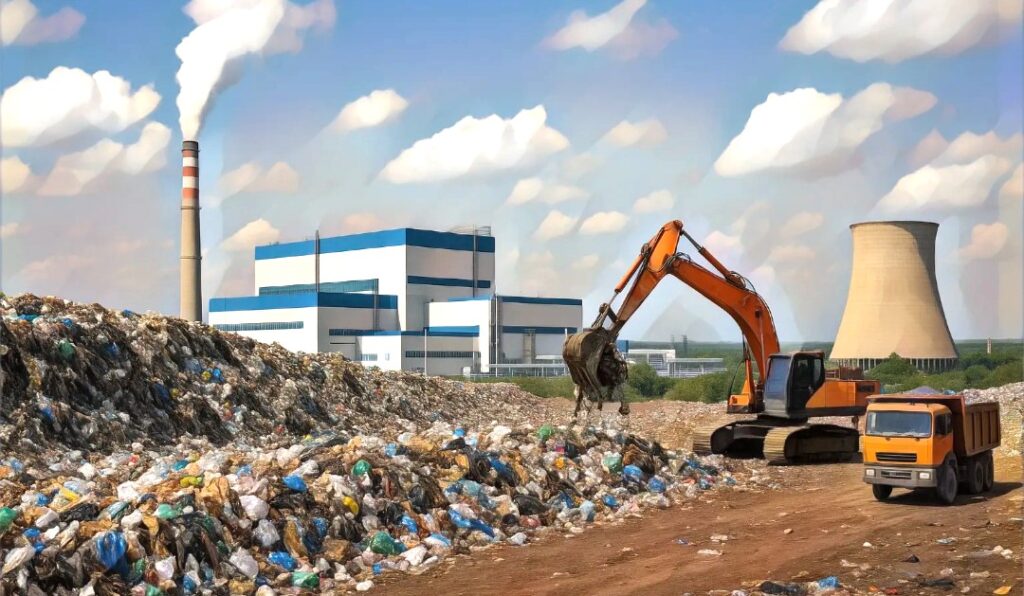
Uzbekistan’s economy is expanding at one of the fastest rates in Central Asia, creating new opportunities for businesses and citizens alike. Yet this rapid growth also brings challenges that the country must learn to manage. Among them, one of the most pressing issues is the growing problem of waste management, which has become an unfortunate consequence of economic progress. Over the past decade, the volume of municipal solid waste in Uzbekistan has increased steadily. It rose from about 6.1 million tons in 2010 to 7 million tons in 2017, and current projections suggest that annual waste generation could reach as high as 16 million tons by 2028. Currently, the country generates around 14 million tons of waste annually, but only a small portion of this - approximately 5% - is recycled. Landfills now release more than seven million tons of greenhouse gases every year, and more than forty thousand tons of toxic waste seep into the soil, threatening both the environment and public health. The government of Uzbekistan has recognized the urgency of the issue and placed waste management at the heart of its green development agenda. Alongside the promotion of renewable energy and electric vehicles, the authorities are investing in waste-to-energy projects that can help convert solid waste into electricity. This approach can reduce the amount of waste going to landfills while providing a cleaner source of energy. China’s Role in Uzbekistan’s Waste-to-Energy Development To implement these projects, Uzbekistan is actively cooperating with foreign partners who can bring technology, investment, and experience. Among these partners, China has emerged as a leading player. Chinese companies, facing a saturated domestic market, are increasingly looking abroad for new opportunities. Uzbekistan’s ambitious targets in waste management perfectly align with this interest, creating a partnership that benefits both sides. Several large-scale projects have already been launched. China’s CAMC Engineering is investing about $350 million to build two waste-to-energy plants in the Andijan and Tashkent regions. Another Chinese company, Shanghai SUS Environment, has signed an agreement with Uzbekistan’s Waste Management Agency to develop projects using advanced green technology. In addition, China Everbright Environment Group has announced the creation of joint ventures with Uzbek partners Maxsus and CR No.17 Second Engineering. These partnerships will result in two new plants in Namangan and Ferghana, each with an estimated cost of $283 million. Opportunities and Risks These initiatives promise significant benefits. For China, they open the door to exporting green technologies, generating new revenue, and deepening economic ties in Central Asia. The growing demand for waste-to-energy projects across the region also creates opportunities for China to share its proven technological model, helping partner countries build capacity while integrating more closely into China’s expanding technological ecosystem. Beyond the economic gains, this cooperation is shaping China’s broader image. Through such environmentally focused projects, Beijing is gradually being seen not only as a builder of physical infrastructure but also as a provider of innovative and sustainable solutions. This transformation strengthens China’s soft power and adds new depth to its Belt and...

Kyrgyzstan Expands Mineral Reserves Amid New Exploration Drive

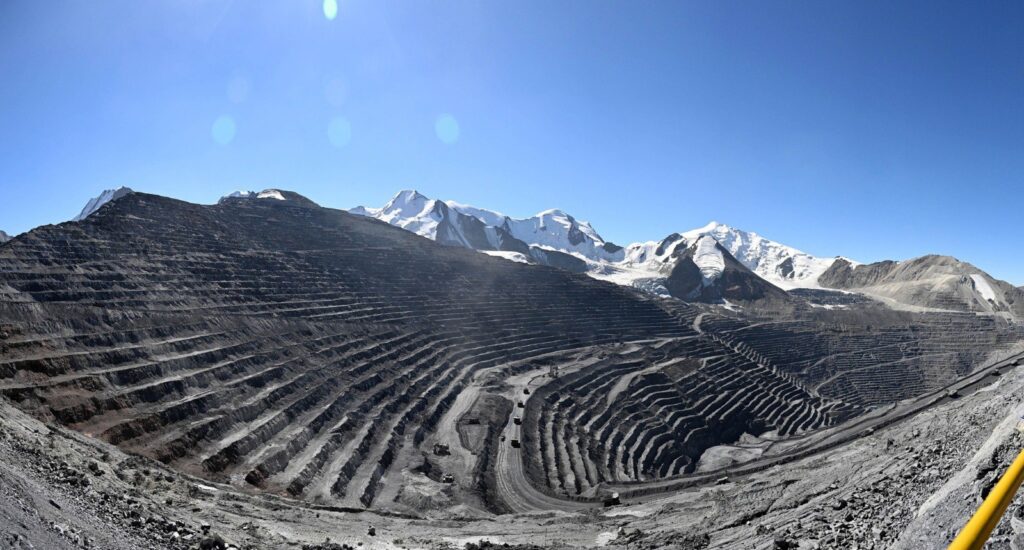
Kyrgyzstan now boasts over 1,000 deposits of 51 different types of minerals, including precious, base, and rare earth metals, as well as coal and hydrocarbons, according to the Ministry of Natural Resources, Ecology, and Technical Supervision. Among the most prominent is the Kumtor gold mine, situated at an altitude of 4,000 meters in the Issyk-Kul region. Kumtor ranks among the world’s ten largest gold deposits and remains a cornerstone of the national mining sector. Approximately 400 deposits across the country are currently under development or active exploration, while operations at around 600 sites have been suspended pending reserve reassessments and upgrades to mining technologies. The mining sector is considered a strategic priority for Kyrgyzstan’s economy. After years of limited geological activity, the government allocated 1 billion soms in 2024 to Kyrgyzgeology for equipment modernization and intensified exploration of polymetals and rare earth elements. Between January and September 2025, the industry recorded stable growth in both output and reserves. As of January 1, 2025, Kyrgyzstan’s confirmed reserves included 973 tons of gold, 1,100 tons of silver, and 960,400 tons of copper, along with significant quantities of other minerals. Recent exploration efforts yielded an additional 5.8 tons of gold, 3.7 tons of silver, and substantial volumes of non-ferrous metals, coal, and construction materials. In the first nine months of 2025, Kyrgyzstan produced 17 tons of gold, 198,000 tons of oil, 18.9 million cubic meters of gas, and 2.3 million tons of coal. To support industry growth, the government conducted 26 auctions for subsoil use rights, generating $1.6 million in revenue. As of September 2025, a total of 2,005 mining licenses had been issued, including 103 granted to state-owned enterprises.

East Kazakhstan Falconry Festival Brings Together Guardians of Steppe Traditions

The fifth International Falconry Festival was held this month in East Kazakhstan, bringing together falconry masters and custodians of ancient culture from seven countries. A Festival That Brings the Steppe to Life Traditionally held in Ulan district near the village of Bozanbay, the event, also known as Shygys Salburyny, drew more than 100 participants, including falconers and cultural figures from Kazakhstan, as well as guests from Spain, Hungary, Russia, Mongolia, China, and Kyrgyzstan. [caption id="attachment_37948" align="aligncenter" width="1280"] @TCA[/caption] Shygys Salburyny is a celebration of nomadic civilization, where customs and crafts are revived, ancestral songs are sung, ancient rituals performed, and golden eagles once again soar over the steppe. Every gesture of the participants reflects respect for the past, for the harmony between humans and nature, and for the spirit that nurtures strength and nobility. 'Berkutchi' and Golden Eagles: Guardians of the Sky and Steppe For as long as the Kazakh steppe has existed, golden eagles have ruled its skies. Revered for their strength and freedom, their cries louder than the wind, their flight graceful over mountains and rivers, the birds inspired the development of sayat, the art of hunting with birds of prey. From this tradition emerged the berkutchi, a unique brotherhood of falconers. A berkutchi is more than a hunter. He understands nature’s rhythm, reads the wind’s breath, and senses his bird’s mood. The bond between falconer and eagle cannot be imposed; it must be earned. Historically, hunting with golden eagles was a matter of survival, especially in the harsh winter months when eagles provided both meat and feathers for warmth. Over time, sayat evolved into a symbol of spiritual strength, courage, and reverence for nature. A true berkutchi was revered like a batyr, a warrior, respected for his calm, fairness, and poise. [caption id="attachment_37950" align="aligncenter" width="1280"] @TCA[/caption] Training a young eagle is an intricate art, requiring patience and reverence. Eaglets are taken from the nest and slowly trained to accept the falconer’s hand and voice. Trust is built gradually, as the bird learns to recognize and respond to its handler. Every detail is vital from hand movements to shadows on the ground. Before a hunt, the falconer dons an iyanga (sturdy glove) and fits a tomaga (leather hood) on the bird’s head to block light until the moment of release. A whispered prayer to the spirits of the steppe precedes the flight, reminding all that hunting is not conquest, but a respectful exchange with nature. Sayat Today The sayat tradition endures in many parts of Kazakhstan, but East Kazakhstan remains its heartland. “Not every bird flies in immediately,” said Daniyar Nurbek, chief judge of the festival, speaking to The Times of Central Asia. “What matters isn’t force, but mutual understanding. There must be a deep, almost spiritual bond between hunter and eagle, it cannot be commanded, only nurtured.” [caption id="attachment_37951" align="aligncenter" width="600"] @TCA[/caption] Youngsters and Masters The festival welcomed both seasoned falconers and novices. Among them, seven-year-old Abdurashid Mamyrkhan drew particular attention. His father, Mamyrkhan Manayuly, explained that...

Is TAPI Just ‘TA’ for Now?

The idea for the 1,800-kilometer Turkmenistan-Afghanistan-Pakistan-India (TAPI) natural gas pipeline project has been around for 30 years. There has not been much progress in building the pipeline during those decades. The chances of seeing TAPI realized seem far away at the moment, considering Pakistan and India were involved in fighting in May of this year, and in October, there were battles along the Pakistan-Afghanistan border. However, Turkmenistan and Afghanistan are still interested in TAPI, and top officials from those two countries just met along the border to inaugurate a new section of the pipeline, and it looks like, for now, these two countries are enough. Another Ceremony Gurbanguly Berdimuhamedov, the chairman of Turkmenistan’s Halk Maslahaty (People’s Council), went to the Turkmen-Afghan border on October 20 to meet with Afghanistan’s Deputy Prime Minister for Economic Affairs, Mullah Abdul Ghani Baradar, for an event inaugurating a new section of TAPI. The ceremony for the Serhetabat-Herat section of TAPI took place just inside Afghanistan, not far from where top officials from the four countries involved, including Berdimuhamedov, gathered in February 2018 to launch construction of the Afghan section of TAPI. Berdimuhamedov made his only previous visit to Afghanistan during that ceremony, when he, the Afghan president, Pakistani prime minister, and Indian minister for state and external affairs, briefly flew to Herat to continue celebrations marking the launch. The location of the October 20 inauguration was also not far from the Islim Chesme border crossing, where Berdimuhamedov met with Afghan officials in September 2024 to again launch construction of the Afghan section of TAPI. Baradar and Berdimuhamedov spoke about the project’s importance in fostering greater regional cooperation, the economic benefits of which include creating jobs and providing energy to areas that greatly need it. Similar remarks were made by Berdimuhamedov and others at previous TAPI launches. Work did finally start after the 2024 launch. Afghanistan’s Tolo News reported that according to the country’s Ministry of Mines and Petroleum, 14 kilometers of the pipe have been laid, and 70 more kilometers of the route are set for pipeline installation. Turkmen state media always refers to Berdimuhamedov as “Arkadag,” which means “protector” in the Turkmen language. According to Turkmen state media, the Serhetabat-Herat section of the pipeline is called “Arkadagyn Ak Yoly,” or “Arkadag’s White Road.” Tolo News also reported that, “Recently, a large quantity of gas transmission pipes was imported from Turkmenistan into Afghanistan.“ It appears the Serhetabat-Herat section of TAPI is making progress, but it could be years before the pipeline goes any farther. A More Modest Goal For nearly the entire history of the TAPI project, the major obstacle to actually building the pipeline was the security problem inside Afghanistan. That problem is not over, but it is significantly reduced now that the Taliban are again imposing brutal control over the country. Military conflicts in recent months between Pakistan and both the other partners in the TAPI project shine a spotlight on another problem that has always raised questions about the viability of...

Herat Tribal Peace Paves Way for Central Asian Connectivity Projects

In Herat province, a long-standing conflict between the Timuri and Achakzai tribal communities has officially ended. With the mediation of local authorities, religious scholars (ulemas), and community elders, peace was sealed by a public handshake. While the event may seem local in scope, it carries wider significance for Afghanistan and the broader Central Asian region. The Timuri-Achakzai feud is emblematic of a broader pattern across Afghanistan’s periphery: limited resources and the absence of effective distribution mechanisms. Disputes over land and water, exacerbated by droughts, shifting river courses, and inadequate irrigation infrastructure, had long fueled tensions over pastures and access to irrigation ditches. Compounding the problem, the disputed areas serve as a critical logistical junction, with both groups vying for control over transit routes. By the early 2020s, the conflict had calcified into a cycle of blood feuds. Traditional mediation efforts had collapsed, and the return of refugees from Iran, along with internal migration, further inflamed tensions as undocumented land claims surged. Weak central governance and legal ambiguity deepened the divide. A turning point came in 2023-2024, when Herat’s provincial leadership, working with ulemas and tribal elders, revived dialogue. The key to de-escalation was the realization of mutual dependence. Both groups faced declining agricultural yields, shrinking incomes, and reduced access to state and international aid. Their shared losses laid the groundwork for a symbolic public reconciliation, restoring a platform of trust. This reconciliation has practical implications for Central Asia. The proposed Turgundi, Herat-Kandahar-Spin Boldak railway, a critical trans-Afghan infrastructure project, passes through Timuri and Achakzai territories. Until recently, their rivalry posed a major risk from land disputes to construction security. Now, with both communities demonstrating their readiness to cooperate, political and transactional risks are receding. Herat’s peace agreement offers lessons for regional stakeholders invested in trans-Afghan corridors. First, infrastructure projects in Afghanistan require social engagement. Tribal structures must be included at every stage. Second, economic interdependence can be a catalyst for peace. When communities understand the tangible benefits of cooperation, they are more inclined to compromise. Third, local reconciliation creates what might be called a “social corridor.” The Achakzai and their related kin are present not only in Herat but also in Kandahar and Spin Boldak, spanning the planned railway’s route. Their buy-in transforms the line from a logistical corridor into a corridor of trust. This development is a strategic signal for the region. Localized Afghan conflicts can either block or enable integration efforts. Every grassroots peacebuilding success strengthens the region’s broader architecture of stability. Uzbekistan is eyeing the Trans-Afghan Highway. Turkmenistan is seeking to develop its connection through Turgundi. Kazakhstan is exploring how to link its rail networks with South Asia. All of these initiatives depend on the stability and cooperation of Afghan communities along the routes. The reconciliation between the Timuri and Achakzai should not be dismissed as a minor episode. It sets a precedent. Transitioning from high-level political declarations to the technical implementation of cross-border transit projects becomes more plausible when social dynamics are respected. If Central Asian...
