• KGS/USD = 0.01144 0%
  • KZT/USD = 0.00212 0%
  • TJS/USD = 0.10456 0.19%
  • UZS/USD = 0.00008 0%
  • TMT/USD = 0.28490 0%
  • KGS/USD = 0.01144 0%
  • KZT/USD = 0.00212 0%
  • TJS/USD = 0.10456 0.19%
  • UZS/USD = 0.00008 0%
  • TMT/USD = 0.28490 0%
  • KGS/USD = 0.01144 0%
  • KZT/USD = 0.00212 0%
  • TJS/USD = 0.10456 0.19%
  • UZS/USD = 0.00008 0%
  • TMT/USD = 0.28490 0%
  • KGS/USD = 0.01144 0%
  • KZT/USD = 0.00212 0%
  • TJS/USD = 0.10456 0.19%
  • UZS/USD = 0.00008 0%
  • TMT/USD = 0.28490 0%
  • KGS/USD = 0.01144 0%
  • KZT/USD = 0.00212 0%
  • TJS/USD = 0.10456 0.19%
  • UZS/USD = 0.00008 0%
  • TMT/USD = 0.28490 0%
  • KGS/USD = 0.01144 0%
  • KZT/USD = 0.00212 0%
  • TJS/USD = 0.10456 0.19%
  • UZS/USD = 0.00008 0%
  • TMT/USD = 0.28490 0%
  • KGS/USD = 0.01144 0%
  • KZT/USD = 0.00212 0%
  • TJS/USD = 0.10456 0.19%
  • UZS/USD = 0.00008 0%
  • TMT/USD = 0.28490 0%
  • KGS/USD = 0.01144 0%
  • KZT/USD = 0.00212 0%
  • TJS/USD = 0.10456 0.19%
  • UZS/USD = 0.00008 0%
  • TMT/USD = 0.28490 0%

Viewing results 1225 - 1230 of 3202

Kazakhstan’s Caspian Sea Ports Increase Cargo Transportation

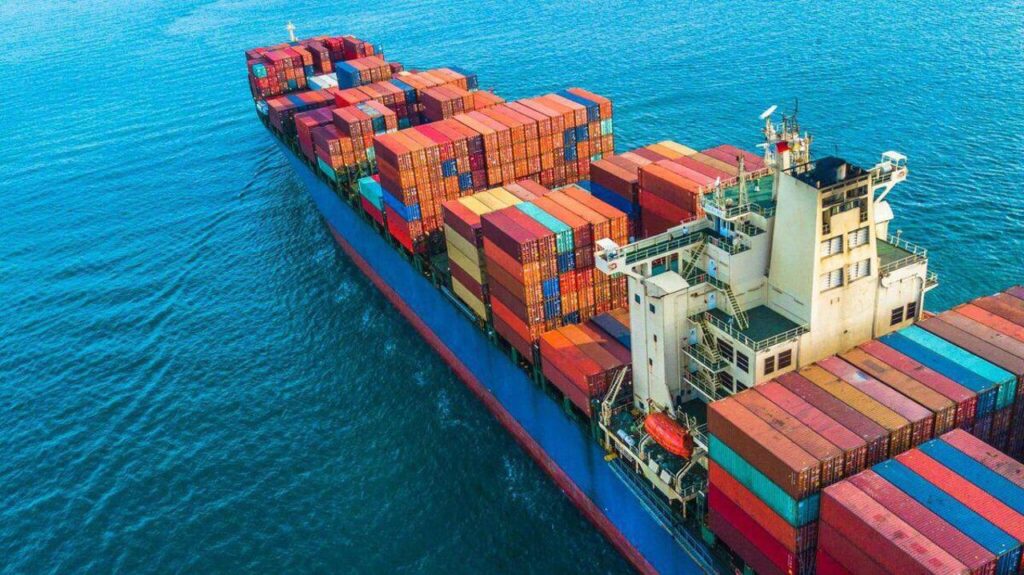
Kazakhstan’s Ministry of Transport has announced that from January to October 2024, the country’s Caspian Sea ports transported 6.2 million tons of cargo, reflecting a 3% increase compared to the same period last year. Transit cargo shipments saw even stronger growth, rising by 18%. Truck transshipment via the Kuryk port’s ferry complex increased by 22%, while container transportation through the Aktau port surged by 84%, with approximately 27,000 containers moved along the East-West transit route. During the same period, the Sarzha terminal at Kuryk port handled 55,000 tons of cargo, including non-ferrous metals, fertilizers, and barley, destined for Turkey and Iran. In October, a new grain terminal with an annual capacity of 1 million tons was inaugurated at the Kuryk port. Efforts to enhance the port’s capacity continue. The Times of Central Asia previously reported that Kazakhstan’s Ministry of Transport has undertaken dredging operations at the Kuryk port to ensure sufficient depth for ship access, bolstering the capacity of the Trans-Caspian International Transport Route (TITR). The dredging project will support further expansion of Kuryk’s terminal capacity, currently set at 6 million tons annually—4 million tons through its railway terminal and 2 million tons via its automobile terminal.

Kyrgyzstan’s High Technology Park Confirms Indefinite Preferential Tax Regime

Kyrgyzstan’s President Sadyr Japarov has signed amendments to the Law "On the High Technology Park of the Kyrgyz Republic," extending the Park’s preferential tax regime indefinitely. Established in 2011, the High Technology Park was designed to foster IT businesses by drastically reducing or eliminating tax burdens for companies exporting digital goods and services. Previously, the High Technology Park offered tax exemptions for export-oriented IT companies for a 15-year period, set to expire in 2026. Under the new amendments, this regime is now permanent. Currently, resident companies of the Park benefit from exemptions on sales tax, profit tax, and value-added tax (VAT). Employees of these companies enjoy a reduced income tax rate of 5%, while the social insurance tax is 12% of their average monthly wage. The amendments also grant the Park's supervisory board the authority to independently elect its chairperson, a change expected to enhance the Board's efficiency. This move significantly boosts the Park's appeal to both domestic and international IT businesses. Kyrgyzstan’s IT sector is among the country’s fastest-growing industries. In 2021, Kyrgyzstan established the Ministry of Digital Development, tasked with advancing e-government initiatives and expanding the range of government services available online.

Chinese Companies to Purchase Uranium Concentrates from Kazatomprom for $2.5 Billion

Shareholders of Kazatomprom, Kazakhstan’s national uranium producer, have approved agreements with two Chinese partners: CNNC Overseas and China National Uranium Corporation (CNUC). These agreements include a spot contract with CNNC Overseas and a long-term contract with CNUC. Under the terms of these deals, Kazatomprom plans to supply uranium concentrates to China valued at approximately KZT1.25 trillion (around $2.5 billion). While the company has not disclosed specific delivery timelines or volumes, the agreements mark a significant development in Kazakhstan-China nuclear energy cooperation. CNNC Overseas registered in Hong Kong, and CNUC, based in China, are both subsidiaries of the China National Nuclear Corporation, a state-owned entity responsible for operating nuclear power plants across China. Kazatomprom has been deepening its ties with China in the nuclear energy sector. In May 2023, a ceremony at the Fangchenggang Nuclear Power Plant marked the acceptance of fuel assemblies produced by Ulba-TVS LLP, a Kazakh-Chinese joint venture in Ust-Kamenogorsk. These assemblies, made from Kazakhstani uranium feedstock, are destined for use in Chinese nuclear power facilities.

Kazakhstan to Create Horse Breeding Institute

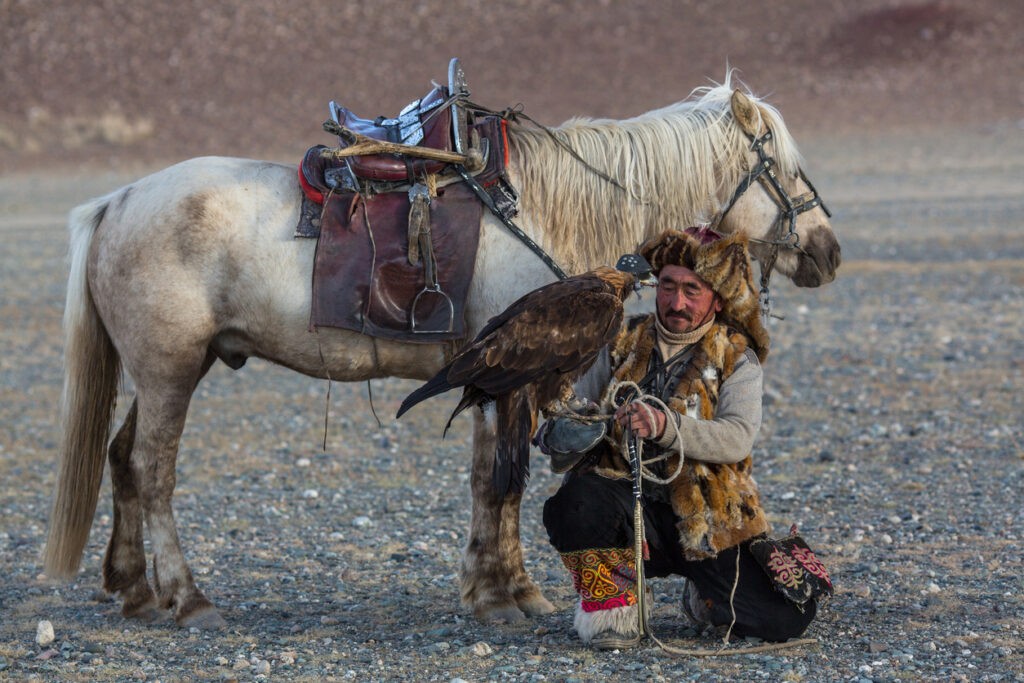
Kazakhstan’s President, Kassym-Jomart Tokayev, has directed the government to establish and fund a Horse Breeding Institute to boost the horse population and advance the breeding of traditional Kazakh breeds. Speaking at the inaugural Forum of Agricultural Workers of Kazakhstan, Tokayev highlighted the steady growth in the country’s horse population. According to the Bureau of National Statistics, as of January 1, Kazakhstan had 4 million horses—a 5.4% increase from the previous year. This number has since risen to 4.2 million. However, only 1% of the total population comprises purebred horses, with approximately 40,000 being thoroughbreds. Tokayev stressed the importance of prioritizing the breeding and development of thoroughbred horses alongside overall population growth. “I instruct the government to create the Institute of Horse Breeding. The issue of its establishment has long been raised by experts. Relevant authorities must urgently address this matter and identify funding sources for the institute,”said Tokayev. The president underscored the significance of several horse breeds in Kazakhstan’s cultural and historical heritage. The Jabe breed, for instance, has a history deeply intertwined with the lives of the Kazakh people, spanning thousands of years. Known for its resilience in harsh environments, the Jabe was historically used as a draft animal, as well as a source of meat and milk. Modern Kazakhstan is also home to other notable breeds, including the Kostanai, Kushum, and Imugaljar breeds, which were developed locally. Tokayev also praised the Adai breed, calling it a “priceless treasure of Mangystau.” He recounted his earlier directive to promote this breed globally. “Today, the Adai breed has received official recognition and represents our country proudly in races and competitions,” he noted. However, he expressed concern over the dwindling population of the Kostanai horse, with only 280 remaining. “The key task, alongside increasing the horse population, is to enhance their breeding and productive qualities,” Tokayev concluded. In November 2022, during a public meeting in Mangystau, Tokayev recognized the Adai horse as a unique asset of the region. He instructed the government to begin work on achieving scientific recognition for the Adai as an independent breed and to ensure its reproduction as a breeding animal. By January 2024, the Ministry of Agriculture and the Ministry of Justice awarded the Association of Legal Entities and Individual Entrepreneurs “Adai Breed of Horse” a certificate granting exclusive rights to use the Adai horse brand. Kazakhstan has also taken legislative steps to protect and preserve its domestic breeds. A law passed in the summer of 2024 facilitates the acquisition of foreign sport stallions by local breeding centers, supports selective breeding efforts, and reimburses related expenses. This law aims to foster the development of Kazakh sport horse breeds and promote traditional equestrian sports, including kokpar, audaryspak, zhambi atu, and tenge alu. The law also establishes strict compliance standards for horse breeding. Only purebred animals that meet the breed standard and are registered under Kazakhstan’s livestock legislation are classified as breeding animals. Experts, however, have advocated for the creation of an independent institute to oversee compliance and enhance...

Fueling Growth: IFC Strategic Initiatives for Sustainable Development in Central Asia – An Interview With Hela Cheikhrouhou

With its headquarters in Washington, D.C. the International Finance Corporation (IFC) was established in 1956 as the private-sector arm of the World Bank. The institution offers advisory, and asset-management services to promote investment in developing countries. Recent ventures in Central Asia include solar power projects in Uzbekistan and Kyrgyzstan, and an entrepreneurship scheme for women and young people in Tajikistan. TCA spoke with Hela Cheikhrouhou, IFC Vice President for the Middle East, Central Asia, Türkiye, Afghanistan, and Pakistan about the IFC’s work in Central Asia.   TCA: Can you please give us an overview of IFC's performance in Central Asia for fiscal year 2024 (July 1, 2023, to June 30, 2024)? IFC had a pivotal year in Central Asia, making strides in sustainable development and inclusive growth across the region. Our efforts concentrated on climate finance, infrastructure, agriculture, and supporting smaller businesses. By coupling investments with advisory support, we helped expand the role of the private sector, creating jobs, promoting financial inclusion, strengthening infrastructure, and supporting the region's green transition. In the fiscal year 2024, IFC committed over $1 billion to Central Asia. This includes about $400 million in long-term financing from our own account, $600 million in mobilization, and $35 million in short-term trade and supply-chain finance to facilitate trade flows. Alongside these financial commitments, we engaged in advisory projects focused on improving financial inclusion, developing innovative public-private partnerships (PPPs), and advancing climate initiatives and gender equality. Our results this year underscore our commitment to fostering sustainable, inclusive growth, and enhancing the resilience and sustainability of Central Asian economies.    TCA: Can you highlight some of the IFC’s key achievements in Central Asia this year? In addition to the strong financial commitments mentioned earlier, IFC expanded its presence in various sectors, including finance, capital markets, renewable energy, agriculture, and infrastructure. Through our advisory services, we helped structure impactful PPPs at the sectoral level. A major focus this year has been strengthening local financial markets. IFC invested $228 million across ten financial institutions in Kazakhstan, the Kyrgyz Republic, Tajikistan, and Uzbekistan. Up to half this amount was dedicated to supporting women entrepreneurs and rural enterprises. We also helped these financial institutions expand portfolios related to their micro, small, and medium enterprise (MSME) businesses, advance climate finance, foster digital transformation, and issue the region’s first sustainability, social, and green bonds. Supporting MSMEs has enabled entrepreneurs to grow their businesses and generate employment. In the past fiscal year alone, IFC-supported projects created around 35,000 direct jobs, including opportunities for over 13,000 women across the region. These efforts have been further bolstered by targeted investments and projects in individual countries across the region. In Uzbekistan, IFC, together with the World Bank, financed a new solar plant equipped with the country’s first battery energy storage system. Once completed, the plant is expected to provide electricity access to around 75,000 households in the Bukhara region. As part of its broader support for the Uzbek government’s efforts to reform its chemical sector, IFC assisted the State Asset Management Agency in privatizing Ferganaazot,...

First Train Tour Launched Between Kazakhstan and Uzbekistan

Kazakhstan is launching a new international train tour called “Silk Road,” connecting the cities of Almaty, Turkestan, and Tashkent. The first train on this route will depart on November 16. According to the Ministry of Tourism and Sports of Kazakhstan, the four-day tour will allow travelers to plunge into the atmosphere of ancient cities along the historic Silk Road. The itinerary covers the most important sights of Turkestan and Tashkent and includes guide services, meals, transfers, and entrance fees. Vice-Minister of Tourism and Sports Yerzhan Erkinbayev mentioned that the route will strengthen cultural ties between Kazakhstan and Uzbekistan and make travel more comfortable and affordable. The tour program includes visits to historical places such as the ancient city of Otyrar, the mausoleum of Arystan Baba, the historical and cultural complex Azret Sultan, and the most significant tourist complex in Central Asia, Caravan-Saray. In Tashkent, tourists can familiarize themselves with historical sights and modern architecture. Earlier, the media reported on the launch of a tourist route between China and Kazakhstan. The train from China, which began running in July 2024, passes through the Khorgos-Altynkol border crossing, adding a new opportunity for travel in Central Asia.