• KGS/USD = 0.01144 0%
  • KZT/USD = 0.00210 0%
  • TJS/USD = 0.10617 1.05%
  • UZS/USD = 0.00008 0%
  • TMT/USD = 0.28490 0%
  • KGS/USD = 0.01144 0%
  • KZT/USD = 0.00210 0%
  • TJS/USD = 0.10617 1.05%
  • UZS/USD = 0.00008 0%
  • TMT/USD = 0.28490 0%
  • KGS/USD = 0.01144 0%
  • KZT/USD = 0.00210 0%
  • TJS/USD = 0.10617 1.05%
  • UZS/USD = 0.00008 0%
  • TMT/USD = 0.28490 0%
  • KGS/USD = 0.01144 0%
  • KZT/USD = 0.00210 0%
  • TJS/USD = 0.10617 1.05%
  • UZS/USD = 0.00008 0%
  • TMT/USD = 0.28490 0%
  • KGS/USD = 0.01144 0%
  • KZT/USD = 0.00210 0%
  • TJS/USD = 0.10617 1.05%
  • UZS/USD = 0.00008 0%
  • TMT/USD = 0.28490 0%
  • KGS/USD = 0.01144 0%
  • KZT/USD = 0.00210 0%
  • TJS/USD = 0.10617 1.05%
  • UZS/USD = 0.00008 0%
  • TMT/USD = 0.28490 0%
  • KGS/USD = 0.01144 0%
  • KZT/USD = 0.00210 0%
  • TJS/USD = 0.10617 1.05%
  • UZS/USD = 0.00008 0%
  • TMT/USD = 0.28490 0%
  • KGS/USD = 0.01144 0%
  • KZT/USD = 0.00210 0%
  • TJS/USD = 0.10617 1.05%
  • UZS/USD = 0.00008 0%
  • TMT/USD = 0.28490 0%

Viewing results 1729 - 1734 of 3237

Illegal Underground Tunnel Unearthed on Uzbekistan-Kazakhstan Border

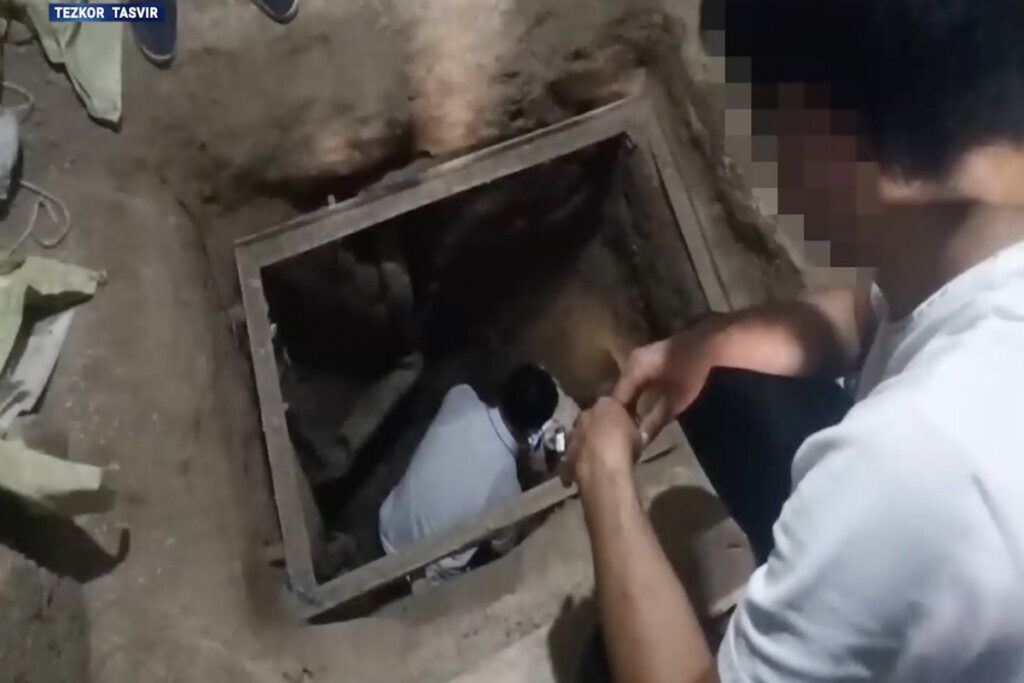
An illegal underground tunnel has been discovered in the border area of  Tashkent and Kazakhstan, according to the State Security Service of Uzbekistan (SSS). It is noted that SSS employees were quick to call a meeting to cooperate with the “Tashkent-Aero” specialized customs complex's  border troops and military personnel. The gathering exposed a cross-border criminal group's illegal importation of large quantities of substandard drugs from India through Kazakhstan to Uzbekistan. The drugs were brought into Almaty's international airport via the Delhi-Tashkent-Almaty air route. The stash was then delivered to the Dostlik settlement in the  Saryogoch district of the  Turkestan region, Kazakhstan, and transferred onwards to Tashkent's  Orikzor neighbourhood, through a secret underground route. The horde comprised 17,048 drugs, produced in India under 107 brands including Albumin, Remdesivir, and Meropenem. Valued at 1 billion 94 million UZS (approximately $87,096.82), the drugs were retained as evidence against the smugglers who are currently being held in detention. Running a distance of 310 meters, the underground tunnel is a sophisticated construction furnished with  air ventilation,  lighting , carts, and ropes for cargo transportation. In a previous post, The Times of Central Asia reported on the discovery of another secret tunnel connecting Kyrgyzstan and Uzbekistan.

SCO Summit: Eurasian Alliance Signs Security Agreements; Welcomes Belarus

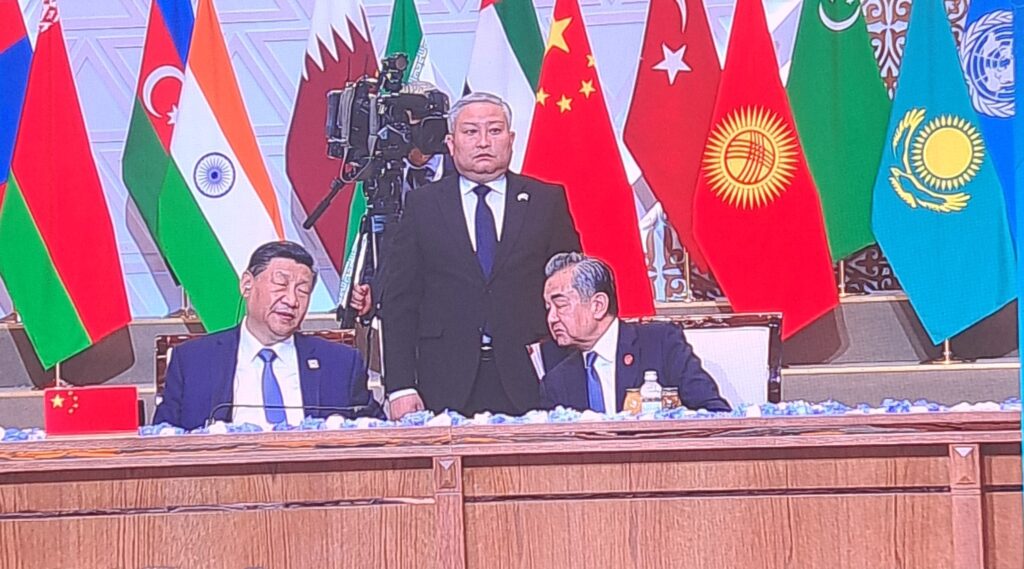
By Jonathan Campion, reporting from the SCO Summit in Astana   At the Shanghai Cooperation Organization (SCO) Summit in Astana this morning, leaders from the bloc’s member states signed a host of agreements intended to promote cohesion in the Eurasia region. The first session, which was held behind closed doors, had begun with the signing of the document that accepted Belarus as the SCO’s 10th full member. The SCO is a political, security and economic alliance, of which Kazakhstan, Kyrgyzstan, Tajikistan and Uzbekistan are founding members. The group also includes China, Russia, Iran, India, Pakistan, and now Belarus. The organization has four observer states and 14 dialogue partners, covering half of the world’s population, and almost a third of global GDP.  The first agreement signed was a document outlining the Shanghai Cooperation Organization’s development strategy for the next 12 months. In 2025 Kazakhstan will pass chairmanship of the alliance to China, and there is speculation that the SCO may grow further next year, to include at least one new member. With security a growing concern for members, particularly in light of the March terrorist attack outside Moscow, for which the terror group Islamic State Khorasan Province (ISIS-K) have claimed responsibility, leaders approved the SCO’s latest three-year Cooperation Program to counter terrorism, separatism and extremism. The parties also signed an agreement on the organization’s regional anti-drug strategy. Another high-profile document is the SCO’s development strategy for cooperation in the energy sphere. Kazakhstan is at the forefront of the region’s transition to green energy, with Chinese leader Xi Jinping mentioning the country’s new Zhanatas wind farm and the Turgusun hydropower station as key joint projects with China in an article published in the Kazakh press this week. The heads of state were welcomed to the Summit by Kazakh President Kassym-Jomart Tokayev, with his Russian counterpart Vladimir Putin, Aleksandr Lukashenko of Belarus and Chinese leader Xi Jinping the last to arrive, ten minutes after the other dignitaries. Some leaders did not arrive at all: India’s Narendra Modi is not attending this year’s SCO Summit, and has sent the country’s external affairs minister Subrahmanyam Jaishankar in his place.  The Summit's afternoon session is styled as "SCO Plus". In attendance are the heads of state of the alliance's dialogue partners, including the presidents of Turkey and Azerbaijan, Recep Tayyip Erdogan and Ilham Aliyev. Turkmenistan – which is not affiliated to the SCO but which is invited as a guest – is led not by its President Serdar Berdimuhamedov, but by his father Gurbanguly Berdimuhamedov, the former leader who is now the chairman of the country’s People’s Council.  

Remittances to Central Asia and Europe Down 10%

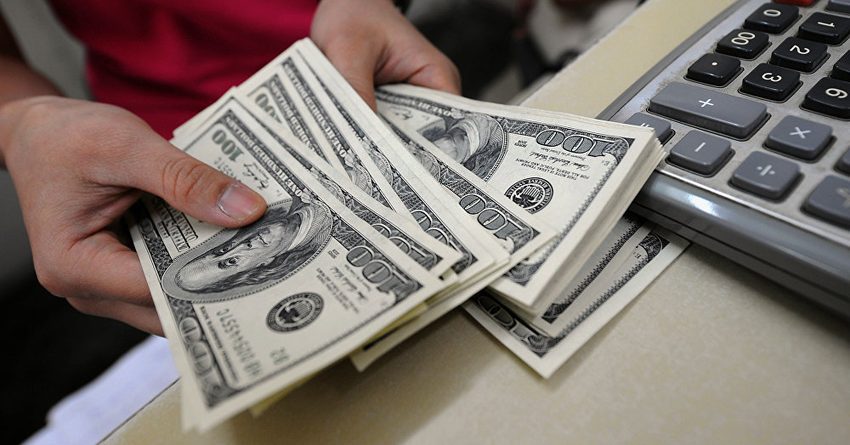
After significant growth of 18% in 2022, the inflow of remittances to Europe and Central Asia last year decreased by 10%, amounting to about $71 billion, according to an analytical review by the World Bank entitled "Migration and Development". This reduction is due to a slowdown in remittances from Russia to neighboring countries, especially the Central Asian states. Among the reasons cited are the devaluation of the ruble against the dollar (39% in 2023), a decline in the number of remittances from Russia to Ukraine, and a slowdown in the outflow of migrants to Russia from neighboring states, many of whom have decided to return home after facing a wave of xenophobia following the Crocus City Hall attack. Financial institutions in some countries have also restricted transfers from Russia for fear of sanctions, which could divert remittance flows to unofficial channels. According to the World Bank, in 2023, remittances from Russia fell significantly to Uzbekistan (from 87% to 78% of all remittances), Georgia (from 47% to 37%), Azerbaijan (from 82% to 63%), and Kyrgyzstan (from 95% to 94%). Remittances from the U.S. to these countries also declined. "In Armenia, Azerbaijan, and Kazakhstan, remittances fell by at least 29% in 2023. At the same time, remittances to Albania, Bulgaria, Kosovo, and Turkey doubled," the report states. According to the World Bank's forecast, remittance flows to Europe and Central Asia will decline by another 2% in 2024, but grow by about 4% to about $72 billion in 2025. The average cost of sending remittances also increased.

Hungarian Company to Develop Smart Parking for Tashkent

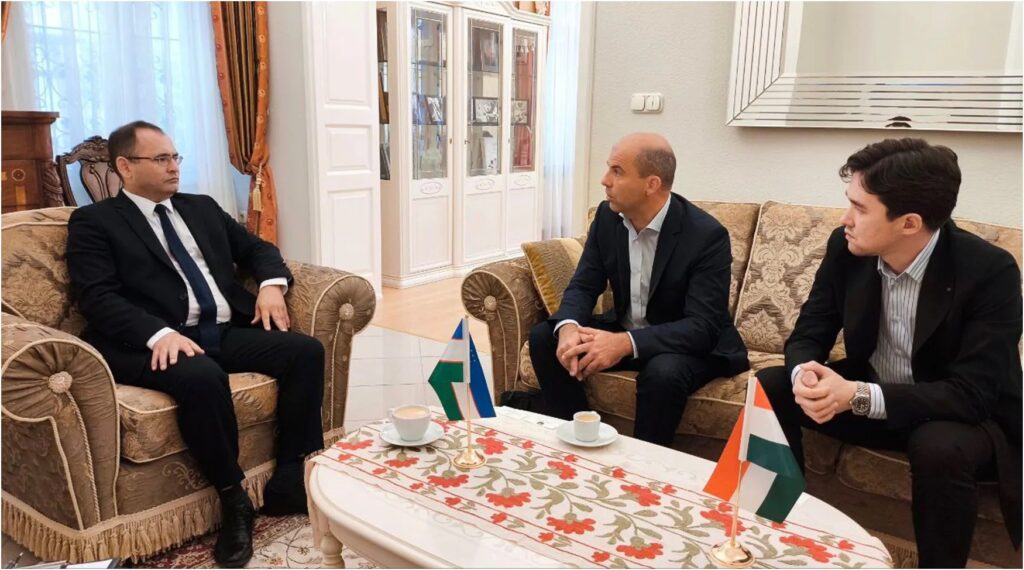
Specialists from Hungary will create an automated "smart" parking system in Tashkent. The issues of establishing cooperation and realizing investment projects in road and urban infrastructure were discussed at a meeting between Uzbekistan's Ambassador to Hungary, Oybek Shakhavdinov, and Gabor Pusztai, Advisor to the General Director of the iCell company. The parties conferred on the Hungarian group's work on a project to help establish parking management within the fast-growing city of Tashkent. The system involves introducing and using high-tech sensors and mobile applications to find, reserve, and pay for parking spaces. iCell's specialists have been working for over a year on studying possible options for the effective implementation of the project and preparing a package based on the conditions and specifics of the capital of Uzbekistan. It was stated that an essential point in implementing the project is introducing changes to the republic's current legislation regarding administrative sanctions for offenses and  articles which provide a clear understanding of the rights and obligations of road users. iCell specializes in software development and services in various technological and telecommunication sectors. The company's main activities and services include fleet management, intelligent parking solutions, IT services, energy and infrastructure management, and application development for various industries.

Uzbekistan’s Foreign Trade Turnover Reaches $62 Billion

EUROUZ member EastCham has published the “Market Outlook Uzbekistan 2024” reference guide. According to the report, Uzbekistan’s GDP per capita is lower than that of neighboring Kazakhstan, but higher than Kyrgyzstan and Tajikistan. Real GDP per capita may be higher than the official data suggests, however, as the volume of the national shadow economy is estimated at between 25 and 45% of Uzbekistan’s GDP. Per capita GDP is $2,510.1 (World Bank 2023), whilst the IMF forecasts $2,670 in 2024. GDP growth was 5.6% in 2023 (World Bank) and is expected to be 5.5% in 2024, and 5.6% in 2025. “In 2022, Uzbekistan ranked 70th globally in gross GDP, 86th in total exports, and 75th in total imports, while placing 155th in GDP per capita,” the report states. According to the report, Uzbekistan’s mining industry is one of the country’s most essential and internationally competitive industries, contributing up to around 30% of the country’s GDP. Uzbekistan is ranked 12th in the world in terms of mining. It is the world’s 5th-largest uranium, 8th-largest gold, and 11th-largest natural gas producer. Uzbekistan has the world’s 4th-largest gold, 7th-largest uranium, and 9th-largest copper reserves. In addition, metallurgy, the study of the physical and chemical behavior of metallic elements, is also one of the largest industries in Uzbekistan. Natural gas dominates Uzbekistan's energy complex. More than 85% of the country’s electricity is generated from natural gas, whilst coal generation is expected to increase from 3% to 10% in the coming years. Uzbekistan is one of the leading countries in the Eurasian region in terms of natural gas - it has large gas reserves and several small oil and coal resources. “The Uzbek authorities established the green economy and renewable energy sources (solar, wind, hydropower) as the basis of sustainable economic development and plan to increase the share of renewable energy generation to 30% by 2030. One of the concrete steps towards this goal is to build 28 solar and wind power plants with a total capacity of 8000 GW and hydropower plants with a total capacity of 868 MW by 2027. The government also plans to build a large nuclear power plant by 2028,” the report states. Last month, The Times of Central Asia published an interview with Neil McKain, the IFC regional manager for Uzbekistan, about the country’s potential to become a regional leader in renewable energy sources. The report also emphasizes problems in the country’s electricity network, including Tashkent's difficulties with heat and power supply systems in the last two years. Low temperatures have caused a decline in gas pipeline pressure (90% of power in Uzbekistan is produced by gas power plants). As a result, electrical heaters have gained popularity among residents of Tashkent, overwhelming the local power grid and leading to electricity shortages. President Mirziyoyev has acknowledged this problem, and Uzbekistan - Tashkent in particular - needs dramatic power and heat supply improvements. Foreign trade turnover in Uzbekistan has surged in recent years. In 2022, it reached $50 billion (an 18.6% increase...

China Invests over $5 billion in Tajikistan’s Energy Sector

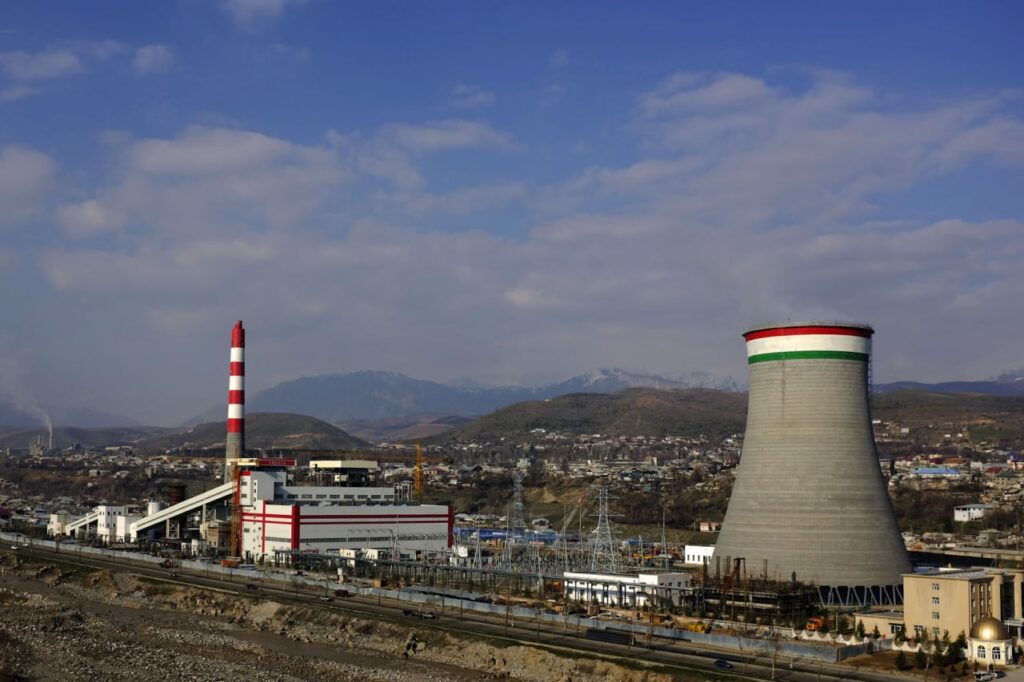
Since gaining independence, Tajikistan has implemented 35 energy projects with financial assistance from China of  over $5.3 billion, reports Tajikistan's Ministry of Energy and Water Resources press service The Export-Import Bank of China has provided $880 million in soft loans to support projects financed by the PRC include the Dushanbe TPP-2, the Dushanbe-500 and Sughd-500 500 kW electric substations, the South-North 500 kW power transmission line (263.8 km), Rogun (263.8 km), Rogun-Dushanbe (198 km), 220 kW substations in Lolazor, Khatlon, Aini, Shakhriston, and Shahrinav, as well as 220 kW transmission lines from Lolazor to Khatlon and from Khujand to Aini. Tajikistan's energy sector has also benefitted from direct investments of $197 million by Chinese companies. Participants in the realization of investment projects in the country, as contractors and suppliers of equipment, currently include:  leading design and construction company, Power Construction Corporation of China Limited (Power China), electrical and photovoltaic company TBEA Company Limited, one of the world's largest telecommunications companies, Huawei, energy company Sinohydro International Engineering, transformer equipment manufacturer Pinggao Group Co Ltd, and one of the largest electronics manufacturers Shenzhen Kaifa Technology. Within the oil and gas sector, Tajikistan has established cooperation with China National Petroleum Corporation (CNPC). The company, which conducts geophysical work, will begin seismic exploration of an area covering thousands of square kilometres, at the end of July 2024. Over the past year, memoranda on renewable energy development have been signed with TBEA and Powerchain leading to the funding and construction of a series of solar and wind power plants with a total capacity of 1,500 MW in Tajikistan.