• KGS/USD = 0.01144 0%
  • KZT/USD = 0.00216 0%
  • TJS/USD = 0.10456 0%
  • UZS/USD = 0.00008 0%
  • TMT/USD = 0.28571 0%
  • KGS/USD = 0.01144 0%
  • KZT/USD = 0.00216 0%
  • TJS/USD = 0.10456 0%
  • UZS/USD = 0.00008 0%
  • TMT/USD = 0.28571 0%
  • KGS/USD = 0.01144 0%
  • KZT/USD = 0.00216 0%
  • TJS/USD = 0.10456 0%
  • UZS/USD = 0.00008 0%
  • TMT/USD = 0.28571 0%
  • KGS/USD = 0.01144 0%
  • KZT/USD = 0.00216 0%
  • TJS/USD = 0.10456 0%
  • UZS/USD = 0.00008 0%
  • TMT/USD = 0.28571 0%
  • KGS/USD = 0.01144 0%
  • KZT/USD = 0.00216 0%
  • TJS/USD = 0.10456 0%
  • UZS/USD = 0.00008 0%
  • TMT/USD = 0.28571 0%
  • KGS/USD = 0.01144 0%
  • KZT/USD = 0.00216 0%
  • TJS/USD = 0.10456 0%
  • UZS/USD = 0.00008 0%
  • TMT/USD = 0.28571 0%
  • KGS/USD = 0.01144 0%
  • KZT/USD = 0.00216 0%
  • TJS/USD = 0.10456 0%
  • UZS/USD = 0.00008 0%
  • TMT/USD = 0.28571 0%
  • KGS/USD = 0.01144 0%
  • KZT/USD = 0.00216 0%
  • TJS/USD = 0.10456 0%
  • UZS/USD = 0.00008 0%
  • TMT/USD = 0.28571 0%

Viewing results 1741 - 1746 of 3226

Pakistan Can Become a Transport Hub for Central Asian Countries

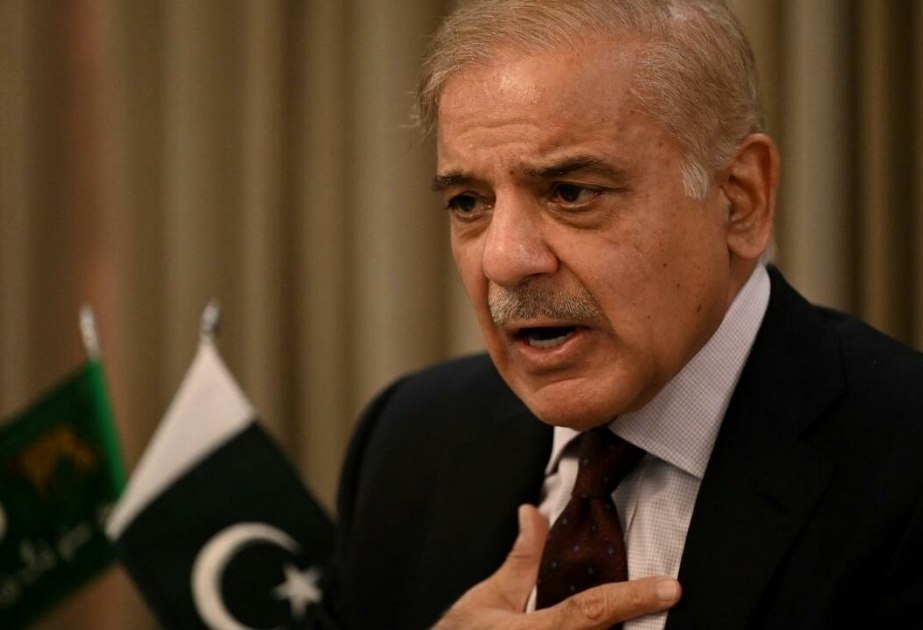
The Prime Minister of Pakistan, Shahbaz Sharif has chosen Tajikistan for his first foreign visit after being re-elected as the head of government. On July 2, he will hold talks with Tajik President Emomali Rahmon in Dushanbe, before traveling with him to the SCO summit in Astana. The head of Tajikistan and Sharif are expected to discuss the implementation of agreements reached during Rahmon's visit to Pakistan two years ago. Pakistan's capital, Islamabad, is interested in speeding up the start of the CASA-1000 energy project and expanding cooperation in transport and security. In exchange, Tajikistan is seeking access to Pakistan’s ports of Karachi and Gwadar. In December 2022, Rahmon visited Islamabad, where eight documents were signed at the end of negotiations with Sharif. “The fact is that Tajikistan’s intelligence services have historically not had warm relations with Pakistan, whose intelligence services have supported various militant groups in Afghanistan. But times are changing. In addition, it should be noted that today, Pakistan is closely cooperating with China economically and politically in the same way that active cooperation between China and Dushanbe is taking place,” said Alexander Vorobyov, a researcher at the Institute of Oriental Studies of the Russian Academy of Sciences and head of the Center for Public Diplomacy and World Policy Analysis. According to Vorobyov, improving relations between Tajikistan and Uzbekistan, whose authorities are actively promoting a project to create the Trans-Afghan railway “Termez–Mazar-i–Sharif–Kabul—Peshawar,” will help improve Tajikistan’s transport connectivity with the outside world and offer the possibility of access to South Asia. The shortest route from Tajikistan to the sea passes through Afghanistan to Pakistan. It is approximately 2,720 kilometers from Dushanbe to Karachi or Gwadar, whilst it is 3,400 kilometers to the Iranian port of Bandar Abbas in the Strait of Hormuz. Tajikistan is separated from Pakistan by the Wakhan Corridor, a narrow strip of territory in the Badakhshan province of Afghanistan. This corridor is about 350 kilometers long. Experts believe that if Afghanistan's stability and security can be ensured, then Pakistan can become a transport hub for the countries of Central Asia. Pakistan's interest in Central Asian meanwhile, lies in energy resources, of which it is desperately short. To access them, the Pakistani government is promoting several major transit projects in the region that will open access to global markets and trade opportunities for the region's countries. However, as Hina Rabbani Khar, who served as Pakistan's deputy foreign minister in February 2023, said, the situation in Afghanistan is preventing Pakistan from realizing its potential in relations with Central Asia. In particular, the Central Asia-South Asia-1000 (CASA-1000) project to transmit electricity from Tajikistan and Kyrgyzstan to Afghanistan and Pakistan still needs to be completed. The World Bank stopped financing the project after the Taliban came to power. Following an appeal by the project's participants, implementation of CASA-1000 was resumed in May 2024 with the financial support of the World Bank. In recent years, Tajikistan and Kyrgyzstan have required additional kilowatts, so the completion date of the construction still...
Push to Increase Youth Employment in Uzbekistan.

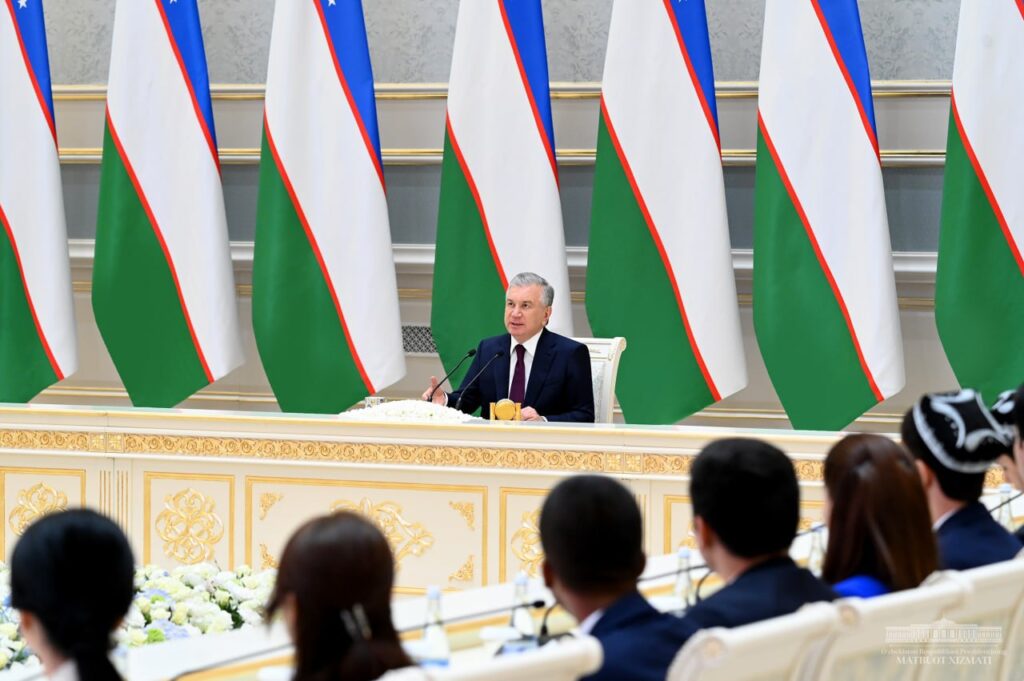
At the meeting on June 28, Uzbekistan president Shavkat Mirziyoyev forwarded a proposal for boosting employment amongst the country's youth. According to a report by press secretary Sherzod Asadov,  announced on Telegram, regional and district governors have been instructed to hold job fairs in schools, technical institutes, universities, and recreation parks over the summer, with the aim of placing some 150,000 young people in vacant positions. The president stressed the importance of organizing construction squads in the summer months and recruiting 100,000 young people for monthly jobs. He also noted that initiatives offered by businesses for vocational training and employment of young people continue to be supported. From the 2024/2025 academic year, expenses incurred by entrepreneurs in training and employing students from schools, colleges, and technical institutes are to deducted from the tax base. Student income tax and social tax are set at 1%.

Uzbekistan’s Consumer Confidence Index Falls to Record Low

Based on Freedom Finance's research, Spot has reported that the consumer confidence index in Uzbekistan fell to a record low in May. The indicator reached 126.8 points in May, decreasing by 3.4 points during the month. The decline was recorded in all five sub-indices, with the most substantial decline in economic dynamics in the last year. The assessment of changes in the economic situation decreased by 117.5 points (-7.8). In March, 58% of Uzbeks had noted that the financial crisis had improved in the last twelve months; but in April, this figure decreased to 53.5%, and in May, to 48%. Just a third of respondents living in Tashkent assessed the economic dynamics positively. In Namangan, the percentage of positive responses decreased from 58.3% to 46.1%, while in five other areas it decreased by between 7 and 9%. The sub-index of changes in citizens' financial situation also decreased by 128.4 points (-2.9). Inflation is increasing in Uzbekistan. During the past year, prices have increased significantly—by 48.5% - breaking the record set in October of last year. The share of citizens who noted increased housing and communal services tariffs rose from 21.4% to 44.1% over two months. Conversely, only 13.2% of participants expect inflation to accelerate next month, and 28% over the course of the year. Expectations of devaluation also decreased: 63.4% expected a substantial weakening of the som against the dollar during the year, and 43.5% in the monthly range. Freedom Finance analyst Daniyor Orazboev told Spot that the decline in consumer confidence was caused by a “sharp acceleration of inflation due to administrative decisions in Uzbekistan.”

Prime Minister of Kyrgyzstan Holds Meeting with U.S. Business Mission

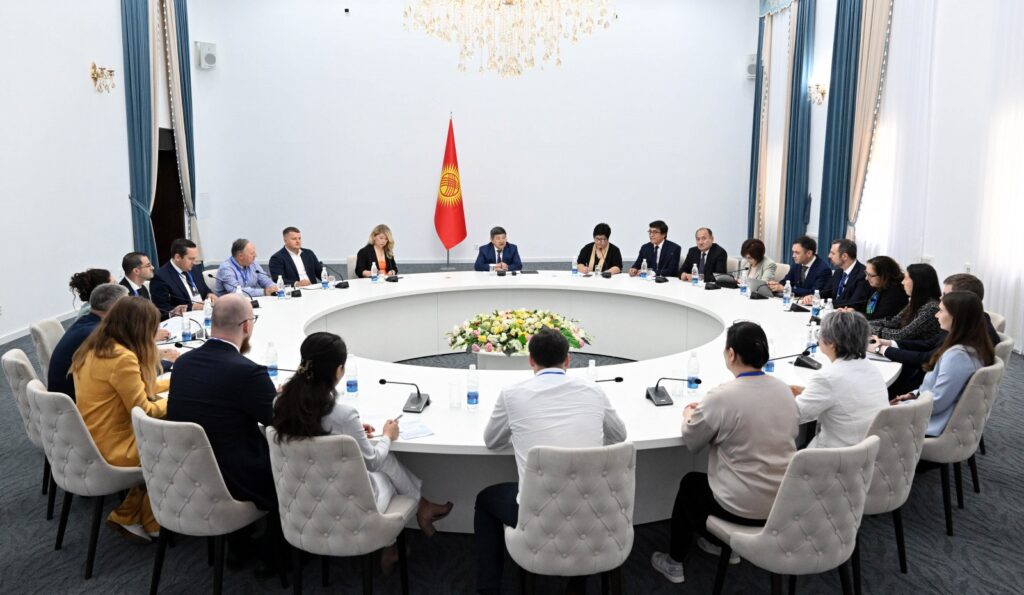
The Kyrgyz Chairman of the Cabinet of Ministers - Head of the Presidential Administration, Akylbek Japarov met with a business mission from the United States. The session was organized by the American-Kyrgyz Business Council, the Cabinet of Ministers of the Kyrgyz Republic press service reported. Representatives from several significant companies attended the meeting, including Abbott, Coca-Cola, GE Vernova Inc., OpenWay, Thomas Greg & Sons Limited, VISA, White & Case, and Jones Equity Fund. The parties discussed measures to develop and strengthen cooperation between the business communities of Kyrgyzstan and the United States, focusing on inter-bank collaboration, investment, digitization, and energy. Japarov spoke about the favorable investment climate in Kyrgyzstan and the government's efforts to create convenient conditions for doing business. During his working trip to the United States in April 2024, Japarov invited American business-people to visit Kyrgyzstan, stating that he hoped the visit would allow American business community to become acquainted with Kyrgyzstan's trade and investment potential, establish contacts, and cooperate with the local business community. Representatives of the American companies which are members of the U.S.-Kyrgyz Business Council confirmed their interest in expanding business ties between the two countries.

Central Asia Needs $12 Billion to Secure Drinking Water

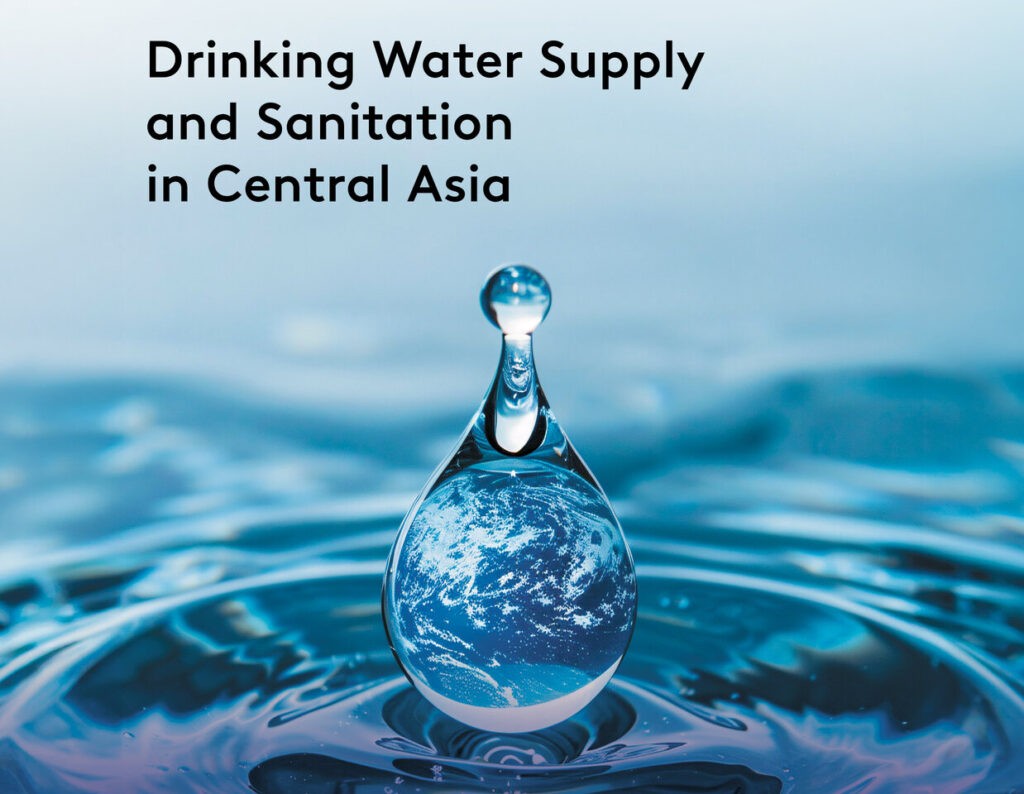
According to the new research paper “Drinking Water Supply and Sanitation in Central Asia” released by the Eurasian Development Bank (EDB), almost 10 million people, or 14% of the population, have poor access to safe drinking water in Central Asia. Water withdrawals for drinking and domestic use increased twofold to reach 8.6 km3 between 1994 and 2020. Investment in its supply infrastructure, however, failed to match growth in consumption. It is estimated that as much as 80% of the region’s water and sanitation equipment is no longer fit for purpose. In addition, physical and commercial water losses in distribution networks can be as high as 55%. The EDB research paper highlights a clear lack of  financial support for plans adopted by Central Asia to develop the sector, and forecasts a deficit of over $12 billion, or around $2 billion per year, between 2025-30. The largest shortfall is expected in Uzbekistan, estimated at $826 million per year, or almost $5 billion between 2025–30. A large shortfall is also projected for Kazakhstan at $700 million per year, or $4.2 billion from 2025–30. In Tajikistan, the shortfall will also be significant, given the size of the country’s economy, reaching $209 million per year, or more than $1.2 billion from 2025–30. To address the issue, the EDB paper outlines three solutions that could help Central Asian countries raise the required investment capital. First, the funding gap can be reduced by attracting finance from international financial institutions (IFIs), multilateral development banks, and development agencies. The water and sanitation sector in Central Asia currently accounts for only 6% of total IFI-approved sovereign funding provided to the region CA, with 147 projects valued at $4 billion (out of a total of $67.5 billion) completed from 2008–2023. Concerted efforts are required to improve the appeal of investment in the sector to attract more active involvement by IFIs. With the emergence of a new, favourable institutional environment and the arrival of private players, the potential of the corporate investment becomes significant. Secondly, to attract the much-needed finance from private investors and major players, the CA water and sanitation sector must not only  modify the ownership and governance structure, but also create conditions conducive to the effective development of market relations. Regarding the above, Evgeny Vinokurov, EDB Chief Economist, stated, “The strengthening of public-private partnership institutions can be of great help. With PPPs active in the water sector, state and private structures will be able to cooperate in a more productive fashion. Expansion of the water sector services market will boost competitiveness and improve the operating efficiency of individual companies. The presence of strong PPP institutions is likely to encourage private operators to join water sector projects. The advent of private players will help the CA countries to attract investments and gain access to innovations, technologies, and experience required to modernise the sector.” Thirdly, improving the tariff system is becoming increasingly compelling. Water tariffs in the region are extremely low and could therefore be raised to improve the financial sustainability...

Turkmenistan Strengthens Cooperation with Japanese Investors

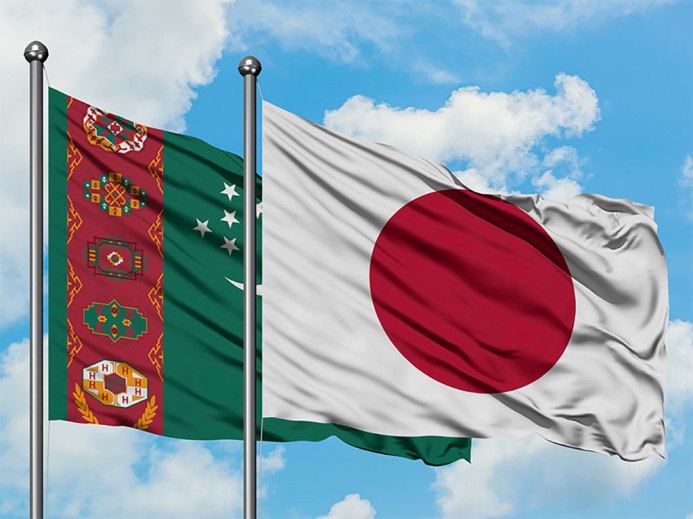
As reported by TDH, Gurbanguly Berdimuhamedov, chairman of the Halk Maslahaty of Turkmenistan, recently engaged in a meeting with representatives of Japan's Kawasaki Heavy Industries Ltd., including Senior Strategic Advisor Tatsuya Watanabe and Executive Director Kenji Sanada. During the meeting,  Japan's role as an important strategic partner for Turkmenistan in the Asia-Pacific region was noted, with particular regard to bilateral cooperation between the two countries and within the framework of international organizations, including the UN. A long-term partnership has been established with Kawasaki Heavy Industries Ltd., and several major projects have been implemented, including a plant for producing gasoline from natural gas in Ovadandepe, a urea plant in Mary province, and the Keliati cement plant. New opportunities for cooperation were discussed alongside Turkmenistan's plans to produce and process natural gas. The importance of using advanced technologies and observing environmental standards in the implementation of projects was emphasized.