• KGS/USD = 0.01144 0%
  • KZT/USD = 0.00213 0%
  • TJS/USD = 0.10562 0%
  • UZS/USD = 0.00008 0%
  • TMT/USD = 0.28530 0%
  • KGS/USD = 0.01144 0%
  • KZT/USD = 0.00213 0%
  • TJS/USD = 0.10562 0%
  • UZS/USD = 0.00008 0%
  • TMT/USD = 0.28530 0%
  • KGS/USD = 0.01144 0%
  • KZT/USD = 0.00213 0%
  • TJS/USD = 0.10562 0%
  • UZS/USD = 0.00008 0%
  • TMT/USD = 0.28530 0%
  • KGS/USD = 0.01144 0%
  • KZT/USD = 0.00213 0%
  • TJS/USD = 0.10562 0%
  • UZS/USD = 0.00008 0%
  • TMT/USD = 0.28530 0%
  • KGS/USD = 0.01144 0%
  • KZT/USD = 0.00213 0%
  • TJS/USD = 0.10562 0%
  • UZS/USD = 0.00008 0%
  • TMT/USD = 0.28530 0%
  • KGS/USD = 0.01144 0%
  • KZT/USD = 0.00213 0%
  • TJS/USD = 0.10562 0%
  • UZS/USD = 0.00008 0%
  • TMT/USD = 0.28530 0%
  • KGS/USD = 0.01144 0%
  • KZT/USD = 0.00213 0%
  • TJS/USD = 0.10562 0%
  • UZS/USD = 0.00008 0%
  • TMT/USD = 0.28530 0%
  • KGS/USD = 0.01144 0%
  • KZT/USD = 0.00213 0%
  • TJS/USD = 0.10562 0%
  • UZS/USD = 0.00008 0%
  • TMT/USD = 0.28530 0%

Viewing results 1759 - 1764 of 3359

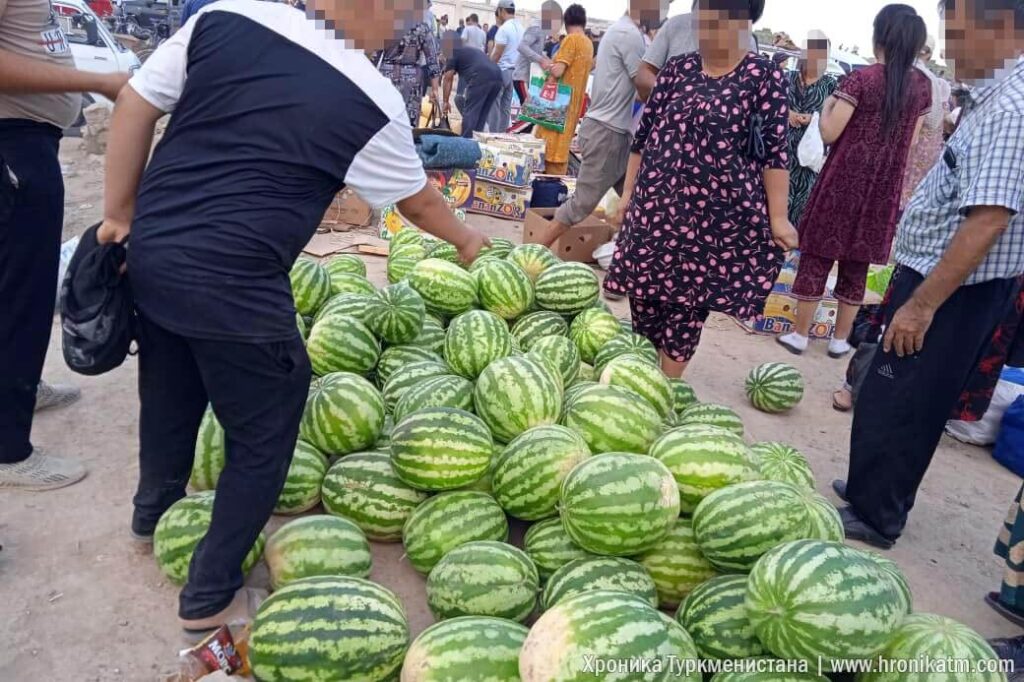
Turkmen Watermelons Struggle to Compete with Iranian Imports

Chronicles Turkmenistan reports that Iranian watermelons are now cheaper than those produced locally. Turkmen farmers were encouraged to plant watermelons on leased lands on the assurance that the crops would be irrigated at the state's expense. However, given the high volume of water required to cultivate the fruit and the need for farmers to irrigate their crops twice per season, only those with the means, could afford to pay for their own pumps. As stated in the publication's report, “-That- was not enough to get a good harvest. Also, the cost of production, including irrigation and other costs, was higher than expected." The vast stocks watermelons imported from Iran to markets  in Meri and Lebap Velayats are significantly cheaper than local produce, selling at  4–5 manats (TMT) ($1.14–1.43) per 6 to 9 kilogram compared to  1.50 TMT ($0.43) per kilogram or an average of  7-8 TMT ($2– 2.29) per Turkmen melon. As a result, Turkmen farmers struggle to sell their produce and are suffering significant losses.

Uzbekistan Offered Opportunity to Invest in Gas and Oil in Afghanistan

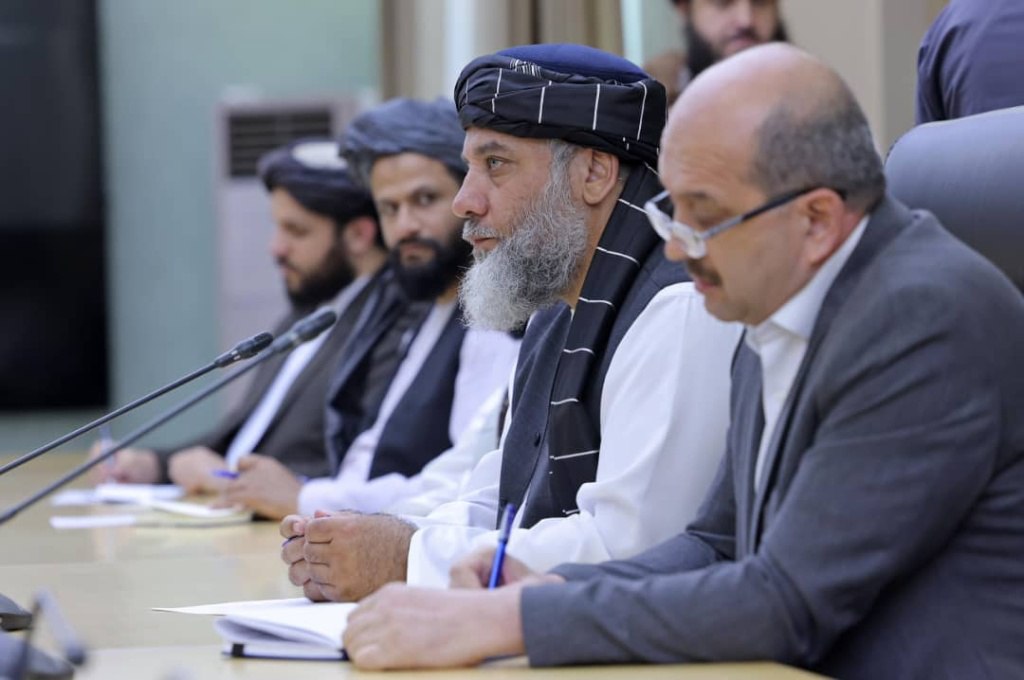
Afghanistan has offered Uzbekistan the opportunity to invest in oil, gas, and copper deposits in the provinces of Ghazni and Herat, and to create mineral processing plants. Nuriddin Azizi, the acting Afghan Minister of Industry and Trade, has proposed a meeting with Bobir Islamov, the Uzbek Minister of Mines and Geology. "Islamov reacted positively to the idea of an agreement on mutual support for investment between the two countries. He noted that two large copper processing plants are already under construction in Uzbekistan, which need to receive raw materials," reports state. It was also noted that following the talks, the parties agreed that a delegation from Uzbekistan would visit Afghanistan to conduct research and technical work.

Paving the Path Westward: Insights from the Astana and Shusha Summits

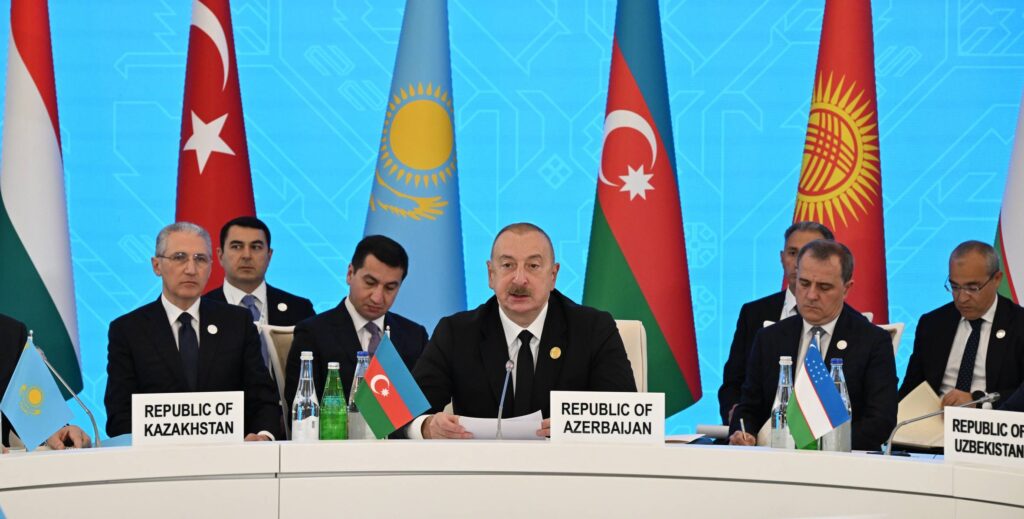
The informal OTS summit in Shusha, hosted at the invitation of Ilham Aliyev, centered on the theme of "Building a Sustainable Future through Transportation, Connectivity and Climate Action." Attendees included Presidents Kassym-Jomart Tokayev of Kazakhstan, Sadyr Japarov of Kyrgyzstan, Shavkat Mirziyoyev of Uzbekistan, Ersin Tatar of the Turkish Republic of Northern Cyprus, Prime Minister Viktor Orban of Hungary, and OTS Secretary General Kubanychbek Omuraliev. In place of Erdoğan, who was in Germany supporting the Turkish national soccer team ahead of a crucial Euro 2024 quarter-final against the Netherlands, Vice President Cevdet Yılmaz attended. Turkmen President Serdar Berdimuhamedov was also absent due to hosting UN Secretary-General António Guterres in Ashgabat. Notably, the Shusha summit occurred just two days after the meeting of SCO leaders in Astana, which drew an exceptional amount of attention from international observers due to the participation of the Russian and Chinese leaders. The intrigue surrounding the SCO summit was linked to its closed session, attended only by the Shanghai Ten. At the summit, only the speech delivered by Tokayev was made available to the press. Speeches made in the subsequent SCO+ format sessions were made public, wherein Russian President Vladimir Putin and Chinese President Xi Jinping underscored the need for a multi-polar world, suggesting that the SCO members had discussed shifting away from Western cooperation towards the Global South. At the Shusha summit Aliyev highlighted Azerbaijan's commitment to strengthening ties within the Turkic world, emphasizing the importance of the political, economic, and military consolidation of Turkic States as a global power center. Aliyev stated that Azerbaijan has consistently sought to unite the Turkic world and enhance its influence on the global stage, stressing that the OTS should seek to emerge as a significant global power. "We cover a large geographical space and positive demographic dynamics are observed in the member countries. Our greatest assets are our rich natural resources, modern infrastructure for their delivery, transportation corridors connecting Central Asia and the Caucasus with Mediterranean and Black Sea ports, and our rich and ancient history and culture. The commitment of our people to traditional values and ethnic commonality closely unites our countries. The 21st century should become the century of prosperity of the Turkic world," the Azerbaijani leader emphasized. Aliyev also addressed the primary tasks which lie ahead for the OTS, referencing the Astana Declaration of the SCO, which designates Central Asian republics as the organization's foundation. Leaders of these republics who attended the summit in Shusha, Tokayev, Shavkat Mirziyoyev, and Sadyr Japarov, endorsed Aliyev's call for the expansion of the East-West transport corridor connecting Central Asia and Eurasia to Europe. Aliyev further highlighted the Digital Silk Road project, which aims to establish a fiber-optic telecommunication route between Europe and Asia via the Caspian Sea through Azerbaijan. Furthermore, when the President of Kazakhstan delivered his speech, he stressed the significance of the Trans-Caspian International Transportation Route. "The potential of the Trans-Caspian International Transport Route should be fully utilized. Today, the volume of container transportation along this corridor has...

EDB Identifies Key Risks for Tajikistan’s Economy

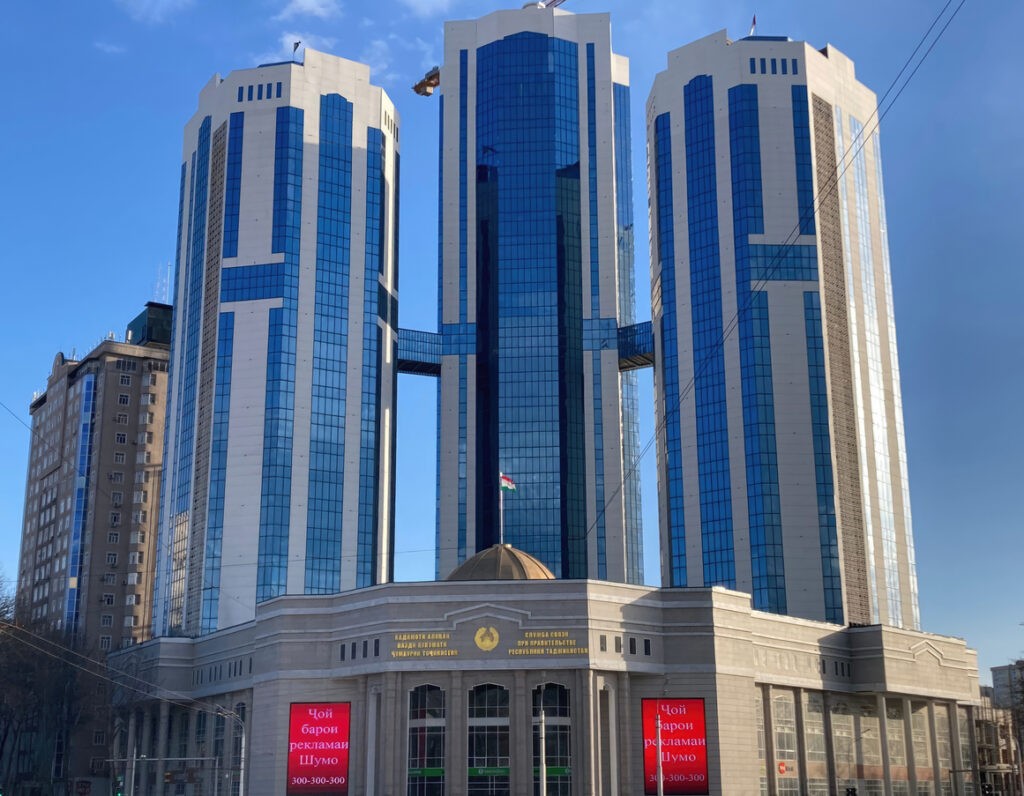
Analysts from the Eurasian Development Bank (EDB) have presented a macroeconomic forecast for Tajikistan for 2024-2026. In it they identify the main short-term risks for the country's economy. According to the forecast, the critical risks for Tajikistan come from outside. "High interest rates in developed countries and structural problems in China's economy may lead to a slowdown in global economic growth and lower prices for raw materials," the report says. This could reduce the demand for goods exported by Tajikistan. Another consequence of this scenario will be a reduction in remittances coming into the country, mainly from oil-exporting countries. This would lead to a slowdown in household consumption growth and a decline in non-state investment, pushing GDP growth below the equilibrium level. In such a development, fiscal policy, assistance from international financial organizations, and lower prices for imported food and energy will support the economy. Despite these challenges, EDB analysts forecast high growth rates for Tajikistan's economy: 8.0% in 2024, 8.2% in 2025 and 7.8% in 2026. This growth is due to strong domestic demand, higher-than-expected prices for gold and base metals exported by Tajikistan, and favorable remittance dynamics due to rising wages in the region. Until the end of this year, according to EDB economists' estimates, the slowdown in demand growth in external markets will have a restraining effect on the economy. This will negatively affect real exports and the inflow of remittances and investments into the country. However, as the authors of the forecast note, the growth of prices for metals exported by Tajikistan, especially gold, will balance this negative impact.

Nuclear Race: Will Central Asia Build a Nuclear Power Plant?

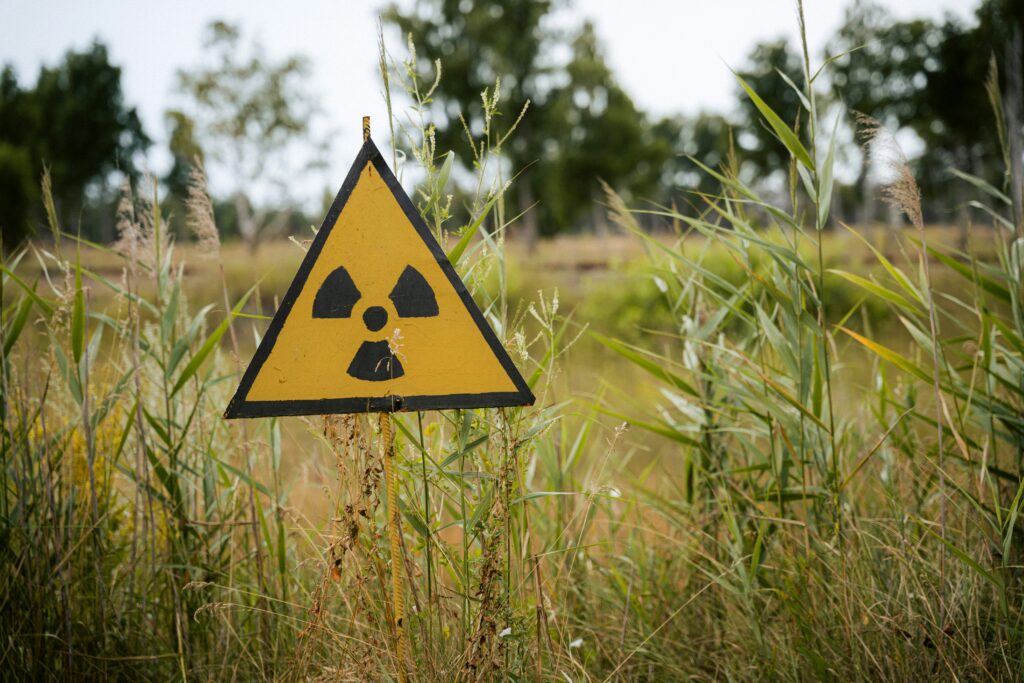
The answer to the question posed in the title remains uncertain. While Uzbekistan has plans to construct a nuclear power plant and Kazakhstan is set to hold a referendum this fall to gauge public opinion on building one, progress is sluggish. Tashkent has postponed the start of construction, and the issue sparks heated debate in Kazakhstan. The First Nuclear Power Plant in Central Asia Historically, Central Asia did host a nuclear facility. Located on the shore of the Caspian Sea in Kazakhstan, this was not a conventional nuclear power plant but a fast neutron reactor known as BN-350. The reactor was the core of the Mangistau Nuclear Power Plant, designed to transform the Mangyshlak Peninsula by providing energy to the city of Aktau (formerly Shevchenko) and powering large-scale desalination plants that supplied drinking water to the arid region. [caption id="attachment_20031" align="aligncenter" width="366"] BN-350[/caption] Operational from 1973 until its shutdown in 1999, the BN-350 reactor was decommissioned due to the allocation of U.S. funds for new desalination and heating equipment and the disposal of its remaining fuel. The extensive maintenance and decommissioning work on the BN-350 have given Kazakhstani nuclear physicists significant experience with such complex and hazardous technology. However, younger generations in Kazakhstan are largely unaware of the BN-350 reactor’s existence. Their knowledge of nuclear physics is often limited to the harrowing stories passed down about nuclear warhead tests at the Semipalatinsk test site and their devastating effects. Fear and Nuclear Power: Kazakhstan's Dilemma The societal fear surrounding nuclear energy in Kazakhstan is deeply intertwined with political concerns. For a long time, the leadership in Kazakhstan has hesitated to move beyond merely discussing the need for a nuclear power plant (NPP) to actually initiating the project. President Kassym-Jomart Tokayev recently announced that a referendum would take place in the fall of 2024. However, Ministry of Energy's officials avoided mentioning the word "referendum" until the last moment, previously asserting it was unnecessary. Public hearings were held last year in the village of Ulken, Zhambyl district, Almaty region, a proposed site for the nuclear plant. The Ministry of Energy’s press release stated that the local populace supported developing nuclear power, highlighting its significance for regional socio-economic growth. However, media reports revealed that the hearings were contentious, with opposing viewpoints almost disrupting the speech of Nurlan Ertas, the head (akim) of the Zhambyl district. Activists even displayed banners and posters against the plant's construction. Certain groups have exploited the population's fear of another disaster like Chernobyl. Additionally, the government has struggled to convince the public that nuclear technologies are becoming safer. In contrast, Europe now includes nuclear power plants in its list of green energy sources, similar to other renewable energy sources (RES). In Kazakhstan, renewable energy accounts for only 5% of the total energy produced. The introduction of NPPs could significantly enhance the country’s position in reducing carbon emissions. The government faces a growing electricity shortage that can be addressed either harmfully or fearfully. The harmful options are coal-fired thermal power plants...

EBRD Plans to Double Investments in Kazakhstan in 2024

Kazakhstan's Deputy Prime Minister, Nurlan Baibazarov, met with Hussein Ozkhan, the Acting Managing Director of the European Bank for Reconstruction and Development (EBRD) for Central Asia and Mongolia, it has been reported. The meeting discussed the status of current projects and EBRD's plans to finance new initiatives. Special attention was paid to attracting investments for Kazakhstan's sustainable socio-economic development. Ozkhan said the bank plans to double its investments in Kazakhstan's economy this year. In particular, the EBRD is developing a significant project with Kazakhstan's power grid management company, KEGOC, which aims to improve the reliability of electricity supply in the country’s western regions. The largest territorial project, the construction of new sewage treatment facilities in Aktobe, was signed earlier. Funds have also been allocated for constructing new production facilities for Araltuz JSC, a leading producer of table salt, and support for women's and youth entrepreneurship. In June 2024, ahead of schedule, the new passenger terminal of Almaty Airport opened, also financed by the EBRD. The bank also participated in the IPO of the national air carrier Air Astana. Baibazarov emphasized that Kazakhstan intends to expand cooperation with the EBRD at national and regional levels, supporting the bank's desire to invest in the private sector. "Our country is ready for mutually beneficial work with the EBRD to attract investment for the implementation of projects in energy, transport and logistics, the development of renewable energy and private business," the Deputy Prime Minister said. Since the beginning of cooperation with Kazakhstan, the EBRD has invested €10.2 billion in the country's economy through 324 projects. The bank's project portfolio in Kazakhstan currently includes 121 projects worth more than €2.9 billion.