• KGS/USD = 0.01144 0%
  • KZT/USD = 0.00208 0%
  • TJS/USD = 0.10439 0%
  • UZS/USD = 0.00008 0%
  • TMT/USD = 0.28571 0%
  • KGS/USD = 0.01144 0%
  • KZT/USD = 0.00208 0%
  • TJS/USD = 0.10439 0%
  • UZS/USD = 0.00008 0%
  • TMT/USD = 0.28571 0%
  • KGS/USD = 0.01144 0%
  • KZT/USD = 0.00208 0%
  • TJS/USD = 0.10439 0%
  • UZS/USD = 0.00008 0%
  • TMT/USD = 0.28571 0%
  • KGS/USD = 0.01144 0%
  • KZT/USD = 0.00208 0%
  • TJS/USD = 0.10439 0%
  • UZS/USD = 0.00008 0%
  • TMT/USD = 0.28571 0%
  • KGS/USD = 0.01144 0%
  • KZT/USD = 0.00208 0%
  • TJS/USD = 0.10439 0%
  • UZS/USD = 0.00008 0%
  • TMT/USD = 0.28571 0%
  • KGS/USD = 0.01144 0%
  • KZT/USD = 0.00208 0%
  • TJS/USD = 0.10439 0%
  • UZS/USD = 0.00008 0%
  • TMT/USD = 0.28571 0%
  • KGS/USD = 0.01144 0%
  • KZT/USD = 0.00208 0%
  • TJS/USD = 0.10439 0%
  • UZS/USD = 0.00008 0%
  • TMT/USD = 0.28571 0%
  • KGS/USD = 0.01144 0%
  • KZT/USD = 0.00208 0%
  • TJS/USD = 0.10439 0%
  • UZS/USD = 0.00008 0%
  • TMT/USD = 0.28571 0%

Viewing results 361 - 366 of 3059

Kazakhstan to Launch Unified Digital Platform for Energy Sector Management

Kazakhstan is moving forward with plans to establish EnergyTech, a unified national digital platform for managing its fuel and energy complex. Energy Minister Yerlan Akkenzhenov announced the initiative during a recent government meeting. EnergyTech will consolidate all elements of the sector, including power generation, subsoil use, refining, and coal, on a single platform aligned with QazTech standards. The full development and industrial launch are scheduled for 2026-2027. According to Akkenzhenov, two modules of the platform are already in pilot operation. The first, a monitoring service for heating season readiness, provides real-time data on assets, equipment condition, and repair planning. It has generated digital registries of generation facilities and is expected to reduce inspection times and lower the risk of seasonal accidents by 25%. The second module streamlines the process of submitting and reviewing tariff approval requests. By eliminating paper workflows and enhancing transparency, the system has reduced approval times, cut operating costs, and lowered the administrative burden on market participants by 56%. The pilot covers 83 combined heat and power (CHP) plants. Akkenzhenov also highlighted the low penetration of automated electricity metering systems among consumers. To address this, the government plans to install 4 million smart meters across 27 electricity suppliers within three years. This is projected to yield an annual economic benefit of $105 million by reducing regulatory losses. Parallel efforts are underway to implement automated heat metering. More than 30,000 smart devices are needed for 52 heat supply organizations. The minister noted that, based on international benchmarks, comprehensive metering can cut heat consumption by up to 15%. In addition, the ministry is planning to establish a sector-specific information security center and a national operator for energy-related information and communication infrastructure. Artificial intelligence is also central to the government’s digital transformation strategy. An AI acceleration group has been formed within the energy ministry, along with an AI alliance that includes global technology companies. The estimated economic impact of these AI projects ranges from $4.6 million to $78 million. Both are currently undergoing regulatory approval and are being prepared for broader implementation. As previously reported by The Times of Central Asia, Kazakhstan is also exploring the use of AI tools in the legislative process.

Kazakhstan Authorities Deliberate Future of Lukoil Assets

Russian oil giant Lukoil has announced plans to divest its international assets, including subsidiaries, amid ongoing Western sanctions. The company stated the sale is being conducted under a license issued by the U.S. Treasury Department’s Office of Foreign Assets Control (OFAC), which allows Lukoil to wind down its foreign operations in an orderly manner by November 21, 2025. An extension of this deadline may be requested. “Review of applications from potential buyers has begun,” the company said in an official statement. According to industry data, Lukoil currently holds stakes in several key Kazakh projects: 5% in Tengizchevroil (TCO), 13.5% in Karachaganak Petroleum Operating B.V., 50% in the Kalamkas-Khazar project (Kalamkas-Khazar Operating joint venture), 49.99% in Al-Farabi Operating (offshore exploration and production), and 12.5% in the Caspian Pipeline Consortium (CPC). While analysts suggest CPC operations are unlikely to be affected by U.S. restrictions, Kazakhstan may witness a significant redistribution of oil sector investments. Despite this, Kazakh authorities remain cautious in making definitive assessments. Nurlan Zhakupov, head of the Samruk-Kazyna sovereign wealth fund, stated that discussions are ongoing with both domestic and international advisors regarding Lukoil’s shares in Kazakh ventures. “A great deal of complex work is being carried out with relevant consultants, including international ones, on how KazMunayGas can navigate the current situation. Lukoil has major projects in Kazakhstan, so this is a complex and multifaceted issue,” Zhakupov said. Deputy Minister of Energy Sanzhar Zharkeshov emphasized that any decisions regarding the acquisition of Lukoil’s shares fall under the purview of the national oil company KazMunayGas. “Lukoil is KazMunayGas’s partner. They are jointly involved in Kalamkas, Khazar, and other projects. At this stage, the Ministry of Energy is not addressing the buyout or shareholder restructuring, this is a matter for KazMunayGas as an economic entity,” Zharkeshov said at a press conference. Energy Minister Yerlan Akkenzhenov added that decisions on potential buyouts have not yet been made. “This discussion has not yet taken place. The sanctions are still being analyzed, and their full impact on companies and the economy remains to be assessed. I believe a decision will be made soon, within the next few days, before the end of this week,” Akkenzhenov stated. The Times of Central Asia has previously reported on the broader effects of U.S. and EU sanctions on economies across Central Asia.

Central Asia Loses 14 Million Tons of Crops Annually Due to Poor Storage Infrastructure

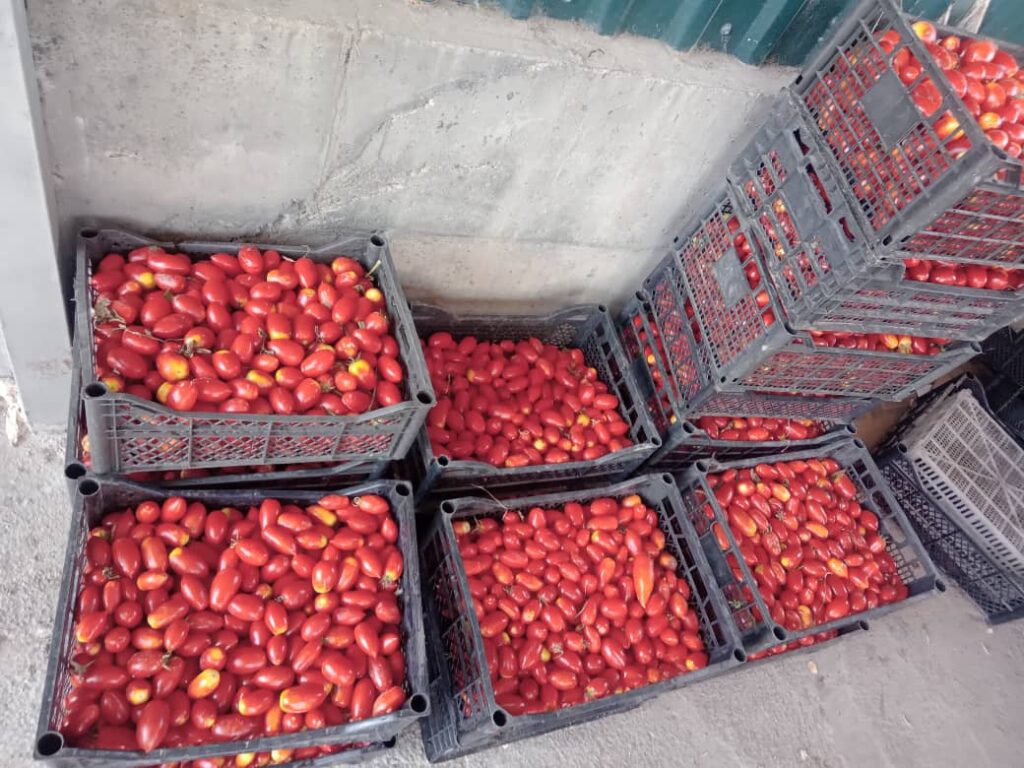
Each year, approximately 14 million tons of agricultural products are lost across Central Asia due to inadequate storage infrastructure, according to a recent analytical report from the Eurasian Development Bank (EDB). In Kyrgyzstan, Tajikistan, and Uzbekistan, so-called “dry warehouses” remain the norm. A significant share of produce is stored in facilities lacking the conditions necessary for long-term preservation. As a result, large volumes of crops spoil annually, especially during seasonal peaks. The EDB notes that Eurasian countries are entering a new logistics phase. The rapid growth of e-commerce and retail expansion is generating unprecedented demand for modern warehouse infrastructure. According to the bank’s projections, total demand for warehouse space in the region will double by 2040, surpassing 120 million square meters. Between 2020 and 2024, the region’s total warehouse space increased from 48 to 58 million square meters. Russia remains the dominant player, with around 53 million square meters of commercial and logistics space. Central Asian countries, however, continue to lag far behind. Crop losses peak during the autumn harvest and spring sales of residual stock. During these times, buffer storage and efficient transport logistics are critical. Without these, “farmers are forced to sell surpluses at the lowest price or throw them away,” EDB analysts warn. Experts identify the warehouse sector as a key driver of trade growth in Eurasia. Realizing this potential, however, will require coordinated action among governments, businesses, and international institutions. The report emphasizes the need for a unified institutional environment to enhance investment appeal and market transparency. “The region, which has long remained on the periphery of global logistics flows, is now shaping a new map of Eurasian logistics. In the coming years, the market will remain highly dynamic: more than 20 million square meters of new warehouse space is planned for commissioning, including 1.6 million square meters in Central Asian countries,” the report states. Kyrgyzstan serves as a case in point. In 2020, amid the COVID-19 pandemic, agriculture was the country’s only growing sector. Yet farmers struggled with oversupply, cabbage, in particular, had to be fed to livestock or discarded due to a lack of buyers and storage facilities. A similar situation unfolded with potatoes.

U.S. Backs Private Bid for Kazakhstan’s Tungsten

The United States is facilitating a private American bid by Cove Kaz Capital Group LLC for Kazakhstan’s Upper Kairakty and North Katpar tungsten deposits, in competition with state-backed Chinese bidders. Tungsten is not a rare earth element, but it is a critical raw material. In particular, it underpins armor-piercing ammunition, penetrators, and high-temperature tooling used across aerospace and industrial manufacturing. Reporting indicates direct engagement by senior U.S. officials and active coordination with Kazakhstan’s sovereign-wealth ecosystem. The metal’s significance elevates the commercial negotiation into a strategic policy. The policy driver is diversification away from China’s dominance along the mine-to-powder supply chains. China accounts for well over four-fifths of global tungsten production and processing, and tightened export controls in 2025 have upset pricing and availability. The U.S. has established a procurement deadline of 2027 to avoid sourcing from China or Russia for covered defense uses. All this adds urgency to securing non-Chinese volumes. Kazakhstan’s revived tungsten sector includes a newly opened processing plant, with destinations not yet announced for the concentrate to be produced. The country thus offers a practical non-Chinese source of tungsten. Strategic Stakes and Principal Actors The American role would be one of facilitation and financing, rather than ownership. The administration has supported talks linking Cove Kaz to Kazakhstan’s Samruk-Kazyna and relevant mining entities. Commerce Secretary Howard Lutnick is mentioned as a key interlocutor. Potential financial tools include the U.S. International Development Finance Corporation (DFC) and the Export-Import Bank. Insurance (EXIM), guarantees, or direct loans from these institutions would offset pricing and risk advantages historically offered by Chinese bidders. The U.S. government’s approach is to enable a private operator to compete without placing federal equity as an asset. Kazakhstan’s Samruk-Kazyna and its mining arm Tau-Ken Samruk coordinate with the national exploration company Qazgeology. Kazakhstan has pursued a wider critical-minerals investment agenda, signaling its openness to joint ventures and privatization pathways under a special legal regime that provides a familiar legal and compliance framework for Western partners. That structure streamlines licensing and dispute resolution and has already been used for joint ventures in other critical minerals projects. China remains the current market leader, dominating tungsten mining, ammonium paratungstate (APT) conversion, and downstream powders and carbides. Beijing’s 2025 export controls cover tungsten, tightening an already narrow global market and raising the policy value of non-Chinese options. Reports of Chinese interest in Vietnam’s Nui Phao tungsten complex underscore that non-Chinese sources face active competition, framing Kazakhstan’s appeal to Western buyers. The Assets and Kazakhstan’s Capacity Rebuild Kazakhstan suspended tungsten production after the 1990s but has moved over the past several years to re-establish a mine-to-processing base, with corporate and ministerial communications emphasizing the strategic nature of these deposits for long-term development. Upper Kairakty (also rendered as Verkhneye or Upper Kayrakty) and North Katpar sit in the Karaganda Region and feature repeatedly in Samruk-linked materials as the top tungsten prospects. Upper Kairakty is by itself the world’s largest tungsten deposit, and represents over two-thirds of the total tungsten reserves across the ex-Soviet territories. One...

Kyrgyzstan Advances Digital Asset Strategy with Support from Binance

The second meeting of Kyrgyzstan’s National Council for the Development of Virtual Assets and Blockchain Technologies was held in Bishkek on October 24, with the participation of President Sadyr Japarov and Changpeng Zhao, founder of Binance, the world’s largest cryptocurrency exchange. Following the meeting, Zhao, who serves as a public adviser to Japarov on digital asset development and is a member of the Council, announced on X that Kyrgyzstan’s national stablecoin, the KGST, has officially launched on @BNBChain. The KGST is pegged to the Kyrgyz som. Zhao also confirmed the creation of a National Cryptocurrency Reserve and the full localization of the Binance app for Kyrgyz-speaking users. Japarov and Zhao previously met in May to discuss the digital future of Kyrgyzstan. Their agenda included developing a national digital asset ecosystem, integrating blockchain into public administration, and strengthening cybersecurity. Zhao pledged Binance’s support through training and expertise for specialists working on the country’s digital currency initiative. As part of this collaboration, the National Council and Binance are preparing to launch an online educational platform in the Kyrgyz language, aimed at providing basic knowledge about virtual assets. The platform will be accessible to the general public. During the Council meeting, Japarov underscored Kyrgyzstan’s pioneering role in the region, highlighting that the country has enacted legislation to regulate virtual assets and is actively pursuing a coherent government policy in the sector. He noted the national market is expanding, with an increasing number of licensed participants, a stronger regulatory framework, and new infrastructure projects emerging. Japarov pointed to several national advantages, including a flexible institutional environment, a motivated and tech-savvy youth population, and the ongoing digitalization of public services, as key factors driving Kyrgyzstan’s ambition to become a regional hub for digital finance. “The combination of these factors makes the goal of transforming the country into a regional hub for virtual assets realistic and achievable,” he stated. Melis Turgunbaev, Chairman of the National Bank of Kyrgyzstan, announced that the digital som project has entered its practical implementation phase. The initiative aims to create a fully regulated blockchain-based payment system under the control of the National Bank, which will oversee the issuance and circulation of the digital currency.

National Bank of Kyrgyzstan Reports Profit Surge in 2025

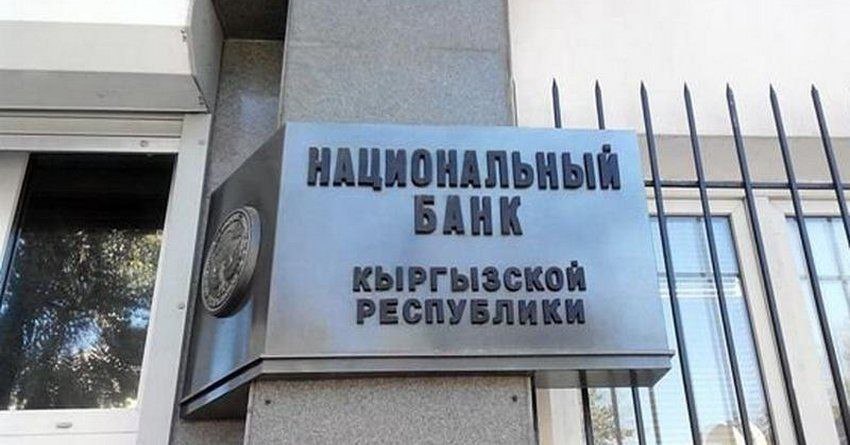
The National Bank of the Kyrgyz Republic (NBKR), the country’s central bank, reported a net profit of 33.2 billion soms (about $380.7 million) for the first nine months of 2025, nearly 13 times higher than in the same period last year. The sharp increase was driven by gains from monetary gold transactions, the revaluation of foreign currency reserves, and overall asset appreciation. According to the central bank, gold now accounts for around $5 billion of its total assets, a 2.5-fold rise from 2024. Gold holdings currently represent about half of the NBKR’s total assets. Officials attributed the growth to the bank’s risk-diversification strategy and higher global gold prices. The NBKR also reported a rise in household investment in government securities, reflecting stronger public confidence in domestic financial instruments. While the overall asset structure remains stable, several notable shifts have occurred. The volume of nonmonetary gold and bullion has declined to $1.1 billion, reflecting strong demand from the jewelry industry and increased gold exports. Gold continues to be a key contributor to Kyrgyzstan’s export portfolio. The commercial banking sector is also expanding. The total loan portfolio reached $2 billion, up from $1.5 billion a year earlier. As previously reported by The Times of Central Asia, Kyrgyzstan’s GDP grew by 11.5% in January–July 2025, supported by strong investment in finance, manufacturing, and construction. Construction firms have been borrowing more from local banks, which are expanding lending to meet rising demand from businesses.