• KGS/USD = 0.01144 0%
  • KZT/USD = 0.00215 0%
  • TJS/USD = 0.10599 -0.28%
  • UZS/USD = 0.00008 0%
  • TMT/USD = 0.28571 0%
  • KGS/USD = 0.01144 0%
  • KZT/USD = 0.00215 0%
  • TJS/USD = 0.10599 -0.28%
  • UZS/USD = 0.00008 0%
  • TMT/USD = 0.28571 0%
  • KGS/USD = 0.01144 0%
  • KZT/USD = 0.00215 0%
  • TJS/USD = 0.10599 -0.28%
  • UZS/USD = 0.00008 0%
  • TMT/USD = 0.28571 0%
  • KGS/USD = 0.01144 0%
  • KZT/USD = 0.00215 0%
  • TJS/USD = 0.10599 -0.28%
  • UZS/USD = 0.00008 0%
  • TMT/USD = 0.28571 0%
  • KGS/USD = 0.01144 0%
  • KZT/USD = 0.00215 0%
  • TJS/USD = 0.10599 -0.28%
  • UZS/USD = 0.00008 0%
  • TMT/USD = 0.28571 0%
  • KGS/USD = 0.01144 0%
  • KZT/USD = 0.00215 0%
  • TJS/USD = 0.10599 -0.28%
  • UZS/USD = 0.00008 0%
  • TMT/USD = 0.28571 0%
  • KGS/USD = 0.01144 0%
  • KZT/USD = 0.00215 0%
  • TJS/USD = 0.10599 -0.28%
  • UZS/USD = 0.00008 0%
  • TMT/USD = 0.28571 0%
  • KGS/USD = 0.01144 0%
  • KZT/USD = 0.00215 0%
  • TJS/USD = 0.10599 -0.28%
  • UZS/USD = 0.00008 0%
  • TMT/USD = 0.28571 0%

Viewing results 169 - 174 of 934

Kazakhstan Establishes New Nature Reserve in Zhambyl Region

The Merke Regional Nature Park has been established in Kazakhstan's southern Zhambyl region. Granted the status of a protected natural area, the park aims to preserve the unique ecosystems of the foothill and mountain zones of the Western Tien Shan. Covering 86,632 hectares, Merke is home to rare and endemic species, including snow leopards, argali sheep, Indian porcupines, and Turkestan lynxes. The park also opens avenues for developing ecotourism, environmental education, and inclusive community engagement in sustainable land use. Future plans include infrastructure development, job creation, and the implementation of scientific and educational programs. Its establishment was made possible through strong collaboration among government bodies, scientific institutions, local communities, and international partners, including the United Nations Development Programme (UNDP). “UNDP supports Kazakhstan’s efforts to expand its protected area system and strengthen environmental policy at the regional level. Merke Park is a strong example of how local initiatives contribute to global biodiversity goals and climate resilience,” said Katarzyna Wawiernia, UNDP Resident Representative in Kazakhstan. As part of ongoing cooperation between Kazakhstan and the UNDP, ten new specially protected natural areas have already been created nationwide, including the Akzhayik, Altyn-Dala, and Ile-Balkhash nature reserves, as well as the Buyratau, Zhongar Alatau, and Tarbagatai national parks. Additionally, six existing protected areas have been expanded. For the first time, Kazakhstan has also established the Kapshagay-Balkhash and Yrgyz-Torgay-Zhylanshyk ecological corridors, spanning 2.9 million hectares, to safeguard the migration routes of rare animal species.
The Forgotten Aral Sea That Holds the Key to Our Planet’s Future

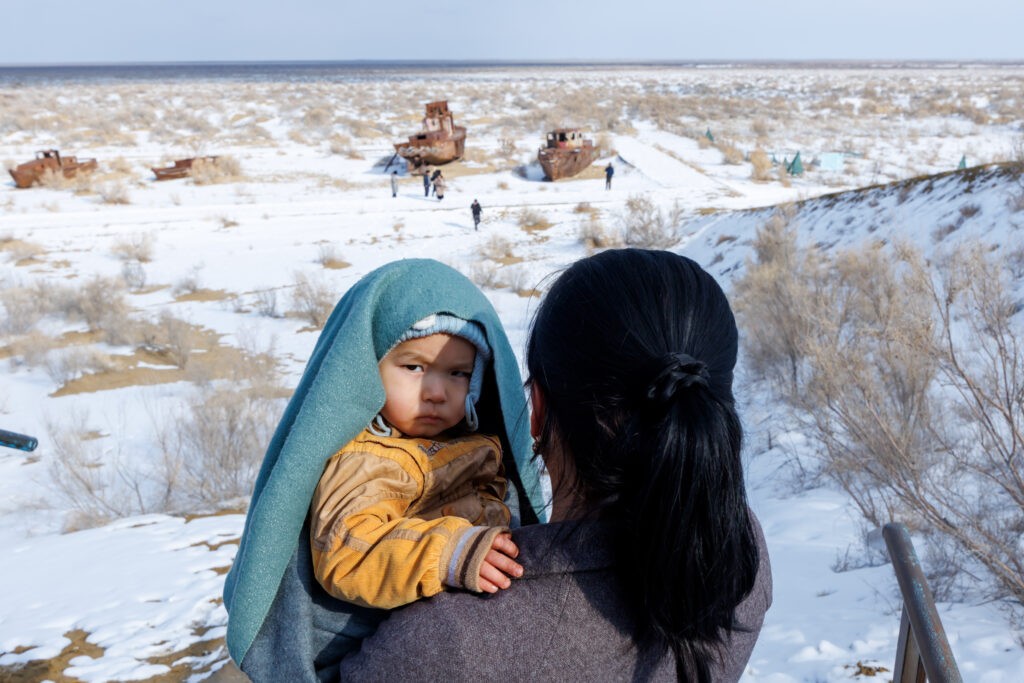
The drying of the Aral Sea is the worst environmental tragedy I have ever seen with my own eyes. Once a vast inland sea, shimmering and alive, it has now withered into patches of salt-crusted desert, where rusting ships lie stranded and winds carry toxic dust across the land. For me, the Aral’s decline is not just a local crisis but a mirror of our broader failures to protect nature. And as I look at the globe today, I see another unfolding catastrophe of equal or even greater scale: the rise of the seas, the surge in tsunamis and cyclones, and the slow drowning of coastal cities. What connects these tragedies is our failure to understand the balance of water on this planet, and our inability to act before the damage becomes irreversible. The Aral Sea was once the world’s fourth-largest inland lake, covering over 68,000 square kilometers. Situated between northern Uzbekistan and southern Kazakhstan, it supported millions of people with its fisheries, fertile lands, and unique ecosystem. The Amu Darya and Syr Darya rivers sustained it for centuries. But during the Soviet era, these rivers were diverted on a massive scale to irrigate cotton fields. At first, the shrinking of the Aral was gradual. Then, over the decades, it became catastrophic. More than 90% of the Aral Sea has disappeared. Today, the once-mighty expanse has been reduced to just 3,500 square kilometers, scattered into four smaller lakes. The consequences are heartbreaking. The fishing economy collapsed, agricultural land turned barren, and the rich biodiversity of the region has been pushed to the edge of extinction. The exposed seabed, laced with salt and pesticides, has become a toxic dust bowl, carried by winds across Central Asia, poisoning crops and human lungs alike. Villages that once lived by the water’s edge are now stranded dozens of kilometers from the shore. I have walked across that dead seabed and seen children playing where fishing boats once floated. It is a ghostly, painful reminder of how quickly human choices can destroy nature’s gifts. The Aral is often described as one of the world’s greatest environmental tragedies, yet so few people outside the region even know it happened. In the global imagination, it is almost forgotten, and that silence is itself a tragedy. For me, however, it has remained a wound, a constant reminder that ecological damage once done is almost impossible to undo. Restoration projects exist, but they move slowly, too slowly for a sea that once teemed with life. While I mourn the Aral, I cannot ignore the other side of the planet’s water crisis. Even as one great body of water has disappeared, the oceans are swelling. Sea levels are rising at an accelerating rate, fueling tsunamis and cyclones that now strike more often and with greater intensity. Where the Aral vanished through human mismanagement of rivers, the oceans rise because of another kind of mismanagement: decades of greenhouse gas emissions and our failure to protect glaciers and ice sheets. Throughout most...

New Drought Monitoring System Could Save Tajikistan Millions

Tajikistan stands to save between $4 million and $6 million annually by adopting a satellite-based drought monitoring system designed to reduce crop losses and improve water management. Regional Project Launch On August 20, a major regional initiative to monitor droughts in Central Asia was launched in Tashkent. The project, spearheaded by the United Nations Economic and Social Commission for Asia and the Pacific (ESCAP), will employ Earth Remote Sensing (ERS) technologies. The budget for the first phase is $300,000. The system will initially be piloted in Uzbekistan for two years, with implementation in Tajikistan and Kyrgyzstan expected by 2027. According to project analysts, Tajikistan’s annual savings will come from reduced agricultural losses, more efficient water use, and timely responses to drought conditions. Agriculture at High Risk Climate change poses a significant threat to Tajikistan. Over the past three decades, average temperatures in Central Asia have risen by 1.2°C, well above the global average of 0.85°C. Meanwhile, precipitation has decreased by 15-20%, increasing the frequency and severity of droughts. Agriculture accounts for 22% of Tajikistan’s GDP, and approximately 1.5 million people -- 15% of the population -- live in drought-prone areas. The country’s mountainous landscape and limited water resources further magnify the impact of even minor climate shifts. Current meteorological stations lack the capacity to monitor local variations. Weather conditions in mountainous areas can differ dramatically over short distances, rendering traditional methods insufficient. The new system will rely on satellite data from Europe’s Sentinel-2 and the U.S.’s Landsat-8. These satellites measure the normalized difference vegetation index (NDVI), soil moisture, and surface temperature. Forecasts are updated every 5-10 days and have an accuracy rate of 80-85%. This will enable farmers to better plan irrigation schedules, select suitable crops, and conserve water resources. Implementation Timeline The initiative builds on a 2024 pilot project that developed monitoring methodologies and collected baseline data. In 2025, trials began in Uzbekistan (in Karakalpakstan and the Fergana Valley). Nationwide implementation in Uzbekistan is scheduled for 2026, followed by rollout in Tajikistan and Kyrgyzstan in 2027. As part of the program, 150 specialists will be trained, and satellite data will be integrated into national meteorological systems. Tajikistan is expected to cut annual crop losses by 10-15%, boosting food security and delivering $4-6 million in economic benefits. The project also aims to mitigate social pressures in rural areas. In Uzbekistan, similar climate stresses displaced an estimated 120,000 people between 2018 and 2023 due to water shortages. By reducing drought-induced income loss, the system could help slow climate-related migration in Tajikistan as well. The initiative draws on successful international models. Australia’s Drought Watch program has cut agricultural losses by 12%, while India’s INSAT-3D satellite has improved forecast accuracy to 78%. Both approaches will be adapted for Central Asian conditions. Challenges Ahead Despite the promise, Tajikistan faces several hurdles. Internet access reaches only 55% of rural communities, there is a shortage of trained remote sensing specialists, and the system’s annual maintenance is estimated at $50,000. To address these challenges, ESCAP will provide...

Kyrgyzstan Drafts Program to Preserve Lake Issyk-Kul

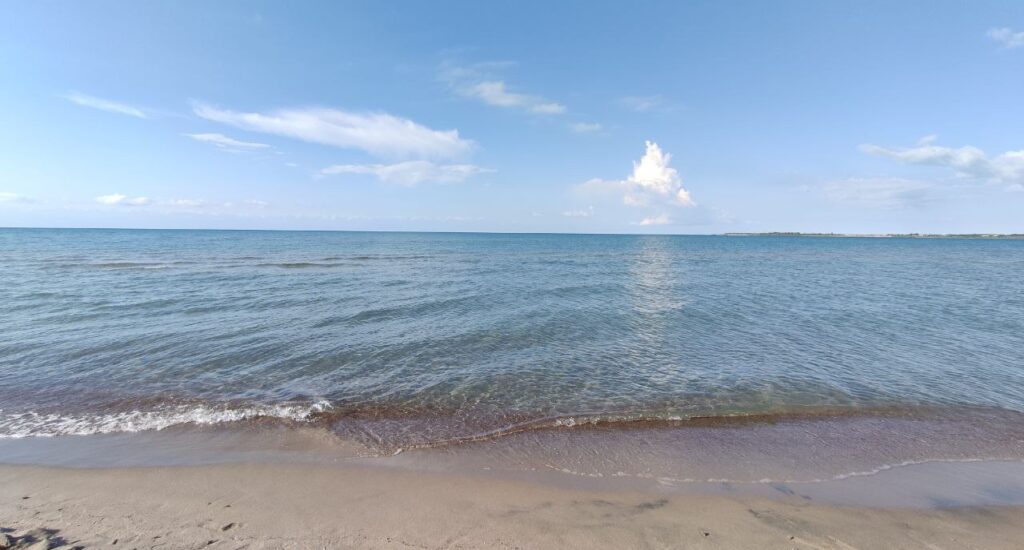
Kyrgyzstan’s Ministry of Natural Resources, Ecology, and Technical Supervision has released a draft Concept for the Sustainable Development of the Ecological and Economic System of Lake Issyk-Kul until 2030 for public discussion. The proposal addresses mounting environmental challenges that threaten the future of the lake, a vital component of the country’s climate system, biodiversity, and tourism industry. Located in northeastern Kyrgyzstan, Issyk-Kul is the nation's largest lake and one of its most important ecological assets and tourist destinations. The new Concept outlines a roadmap for sustainable management amid signs of accelerating environmental degradation. Falling Water Levels The lake’s water level has dropped by 2.75 meters between 1927 and 2003. To reverse this trend, the Concept recommends restoring hydrological monitoring infrastructure, including groundwater observation and river hydro-posts. It also proposes enforcing irrigation water accounting and transitioning local agriculture to water-saving technologies. Glacier Retreat and River Flow The 957 glaciers in the Issyk-Kul basin, spanning 560.8 km², are rapidly melting due to climate change. These glaciers feed roughly 120 rivers flowing into the lake, though only 80 reach it during the summer, largely due to irrigation withdrawals. To mitigate the loss, the government plans to introduce modern irrigation systems across 100,000 hectares of farmland, potentially redirecting up to 200 million cubic meters of water back into the lake annually. Wastewater and Sewerage Infrastructure Untreated wastewater from settlements and tourism infrastructure poses a serious threat to the lake’s ecosystem. The Concept includes measures to upgrade wastewater treatment, promote the reuse of treated water for irrigation, and expand sewerage systems. Over the past five years, 47 new treatment facilities have been built in the Issyk-Kul region. 2030 Environmental Goals The Concept sets several targets for the next five years: Reduce untreated wastewater discharge by 40% Expand specially protected natural areas to cover 20% of the region Implement ecotourism standards at all recreational facilities Introduce separate waste collection in all district centers Involve at least 80% of schoolchildren in environmental education programs “Issyk-Kul is a strategic resource for Kyrgyzstan. The Concept aims to ensure clean water, protect the shoreline, create safe recreation areas, and boost tourism and entrepreneurship,” said Meder Mashiev, Minister of Natural Resources, Ecology, and Technical Supervision.

Kyrgyzstan Draws International Attention to Glacier Meltdown

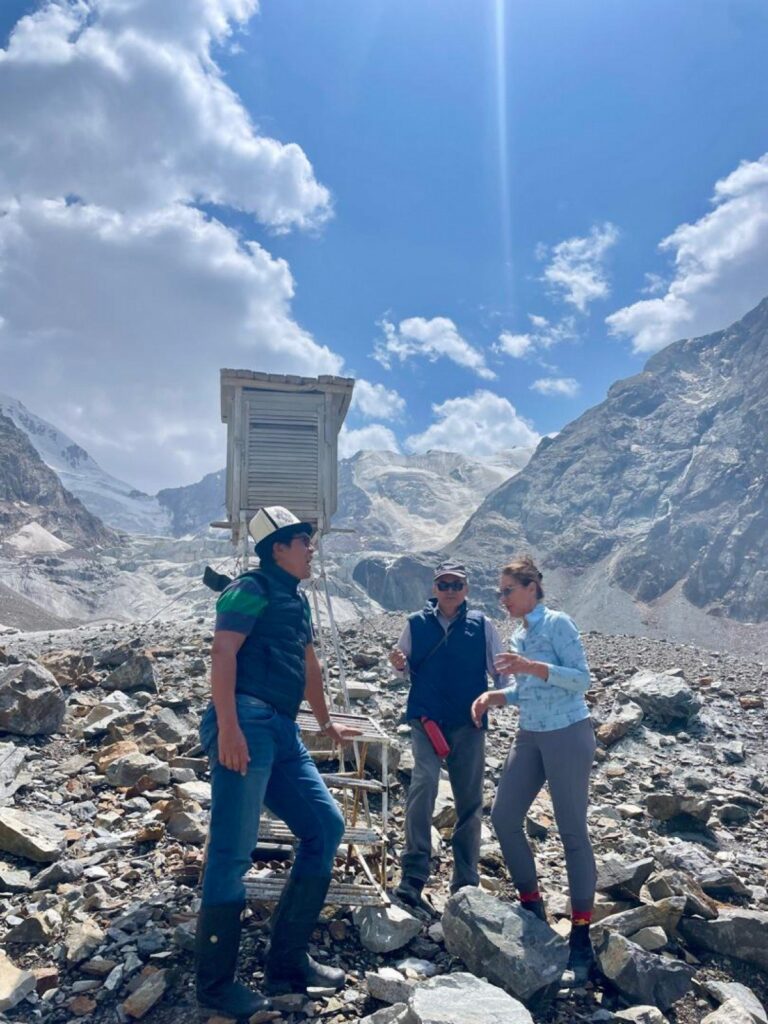
Kyrgyzstan is intensifying efforts to combat climate change and safeguard its rapidly melting glaciers through continued collaboration with the United Nations and international partners. Officials emphasize that glacier preservation is key to ensuring long-term water security for the region. On August 15, Deputy Chairman of the Cabinet of Ministers Edil Baisalov and UN Resident Coordinator in the Kyrgyz Republic Antje Grawe visited the Tien-Shan High-Altitude Physical and Geographical Station of Kyrgyzstan’s National Academy of Sciences. The joint expedition aimed to raise both domestic and global awareness of the alarming retreat of Kyrgyz glaciers, particularly the Kara-Batkak glacier, a vital source of freshwater for Kyrgyzstan and the broader Central Asian region. Located in the Terskey Ala-Too range of the Inner Tien Shan mountains, south of Lake Issyk-Kul, the Kara-Batkak glacier has long served as a key indicator of climate change. At the research station, Baisalov and Grawe reviewed decades of scientific observations and discussed policies for climate adaptation, biodiversity protection, and water resource management. “Kyrgyzstan is a land of glaciers, and it is our duty to safeguard this unique resource,” Baisalov said. “The shrinking of our glaciers is not just an environmental concern, it is a matter of national security, water stability, and the country’s future development.” Grawe underscored the broader global significance of Kyrgyz scientific research and stressed the urgency of climate finance for mountain nations: “Research on the Kara-Batkak glacier matters far beyond Kyrgyzstan. It guides national strategies and strengthens global climate action. Protecting glaciers also preserves biodiversity and sustains the ecosystems communities rely on. Therefore, climate finance must reach mountain countries like Kyrgyzstan to scale up adaptation, safeguard nature, and secure the water future of millions in Kyrgyzstan and beyond.” Also present was Rysbek Satylkanov, Director of the Institute of Water Problems and Hydropower, who presented the latest scientific data on glacial retreat and its impact on national water systems. Established in 1957, the Tien-Shan station is a unique high-altitude research facility conducting glaciological, meteorological, and hydrological monitoring. The Kara-Batkak glacier, within its observation zone, remains a crucial barometer of climate change in Central Asia. According to the World Meteorological Organization and the World Glacier Monitoring Service, five of the past six years have witnessed the fastest glacier retreat ever recorded. The years 2022-2024 marked the most significant three-year loss of glacier mass in history. Glaciers once considered “eternal ice” may not survive the 21st century. There are over 275,000 glaciers worldwide, covering approximately 700,000 square kilometers and storing about 70% of the Earth’s freshwater. Their disappearance poses a severe threat to water supplies for hundreds of millions of people. In response, the UN General Assembly has declared 2025 the International Year of Glaciers’ Preservation and designated March 21 as the annual World Day for Glaciers. The initiative aims to raise awareness of the essential role glaciers play in global climate and hydrological systems, and their significance to ecological and economic stability.

Kyrgyzstan’s Issyk-Kul and China’s Qinghai Become Sister Lakes

Kyrgyzstan and China’s Qinghai Province have signed a memorandum of intent to establish “twin” or sister-lake relations between Lake Issyk-Kul and Qinghai Lake, the Kyrgyz Ministry of Natural Resources, Environment and Technical Supervision announced. The two lakes share many natural similarities. Issyk-Kul, Kyrgyzstan’s largest lake, measures 182 km in length and up to 60 km in width. Saline and surrounded by mountain ranges, it is the country’s leading tourist destination. Qinghai Lake, located in northwest China’s Qinghai province, is the country’s largest lake, renowned for its scenic beauty and diverse birdlife. It stretches 105 km in length and 63 km in width, covering over 4,500 square kilometers. Situated at 3,200 meters above sea level, it has an average depth of 21 meters, with cold, salty waters. Under the memorandum, Kyrgyz and Chinese representatives will organize mutual visits, seminars, scientific events, and other activities to foster cooperation and share expertise on lake management. The plan also includes developing an eco-tourism route called “Sister Lakes.” The initiative forms part of broader Kyrgyz-Chinese environmental and social cooperation under the Belt and Road Initiative. It also envisions joint use of natural resources, development of infrastructure projects, and coordinated monitoring of water quality and environmental conditions.