• KGS/USD = 0.01144 0%
  • KZT/USD = 0.00202 0%
  • TJS/USD = 0.10486 0.48%
  • UZS/USD = 0.00008 0%
  • TMT/USD = 0.28571 0%
  • KGS/USD = 0.01144 0%
  • KZT/USD = 0.00202 0%
  • TJS/USD = 0.10486 0.48%
  • UZS/USD = 0.00008 0%
  • TMT/USD = 0.28571 0%
  • KGS/USD = 0.01144 0%
  • KZT/USD = 0.00202 0%
  • TJS/USD = 0.10486 0.48%
  • UZS/USD = 0.00008 0%
  • TMT/USD = 0.28571 0%
  • KGS/USD = 0.01144 0%
  • KZT/USD = 0.00202 0%
  • TJS/USD = 0.10486 0.48%
  • UZS/USD = 0.00008 0%
  • TMT/USD = 0.28571 0%
  • KGS/USD = 0.01144 0%
  • KZT/USD = 0.00202 0%
  • TJS/USD = 0.10486 0.48%
  • UZS/USD = 0.00008 0%
  • TMT/USD = 0.28571 0%
  • KGS/USD = 0.01144 0%
  • KZT/USD = 0.00202 0%
  • TJS/USD = 0.10486 0.48%
  • UZS/USD = 0.00008 0%
  • TMT/USD = 0.28571 0%
  • KGS/USD = 0.01144 0%
  • KZT/USD = 0.00202 0%
  • TJS/USD = 0.10486 0.48%
  • UZS/USD = 0.00008 0%
  • TMT/USD = 0.28571 0%
  • KGS/USD = 0.01144 0%
  • KZT/USD = 0.00202 0%
  • TJS/USD = 0.10486 0.48%
  • UZS/USD = 0.00008 0%
  • TMT/USD = 0.28571 0%

Viewing results 247 - 252 of 828

New Report Urges Local Irrigation Equipment Production to Tackle Water Scarcity in Central Asia

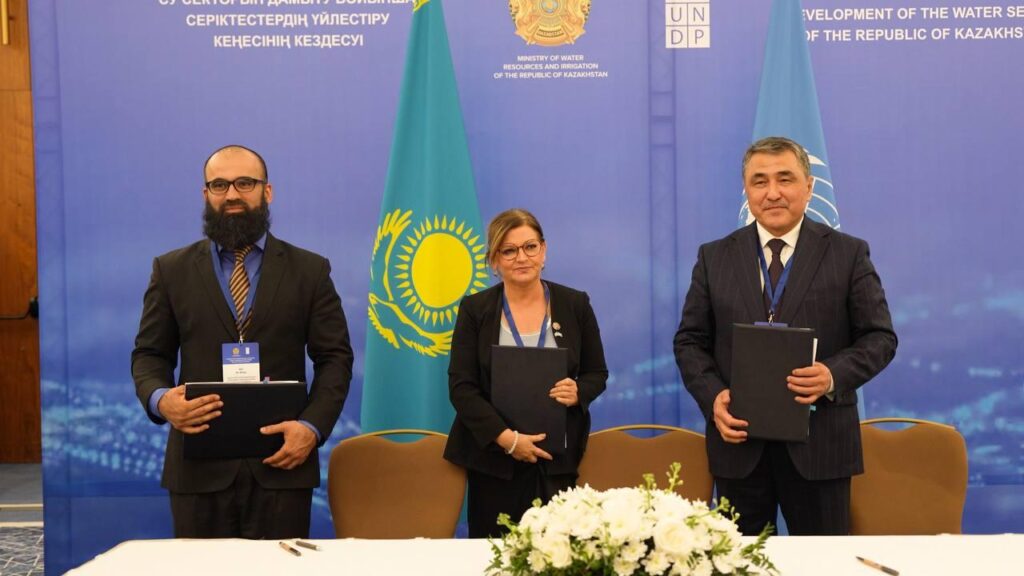
The Eurasian Development Bank (EDB) and the United Nations Industrial Development Organization (UNIDO) have jointly released a report titled Irrigation Equipment Production in Central Asia: Industrialising the Water Sector, highlighting the urgent need to localize irrigation equipment manufacturing in the region. The publication argues that establishing a domestic irrigation equipment manufacturing sector could serve as a strategic response to mounting water challenges in Central Asia. It calls for coordinated action by regional governments, international organizations, and private sector actors to implement investment and policy frameworks aimed at reducing reliance on imports and fostering a self-sufficient production ecosystem. Heavy Dependence on Imports The report identifies irrigation equipment as a key strategic area for bolstering food security and managing water resources more efficiently. Currently, the regional market for such equipment is valued between $130 million and $200 million, with over 90% of this demand met through imports. Despite this dependency, governments across Central Asia are taking proactive steps to modernize agriculture. Substantial financial and non-financial support is being extended to farmers, and plans are underway to expand irrigated farmland and adopt advanced irrigation technologies. According to the study, the irrigated area in Central Asia is projected to grow to 10.6 million hectares by 2040. This expansion is expected to drive demand for up to two million units of irrigation equipment, with the potential to generate $426 million annually in local production. The report further estimates the annual market for new sprinklers at $114 million and for drip irrigation systems at $220 million. Cluster-Based Development To address these needs, the publication proposes a cluster-based approach to developing local irrigation equipment production hubs. Nikolai Podguzov, Chairman of the EDB Management Board, emphasized the economic potential of localization: “The region’s demand for irrigation equipment could more than double by 2030. Localizing production will not only help retain investments within the local economy but also stimulate the development of precision irrigation technologies, digital water management tools, engineering labs, and knowledge-sharing centers focused on best practices in irrigation and water use.”

Kazakhstan’s Altyn-Emel Named Among World’s Most Incredible National Parks

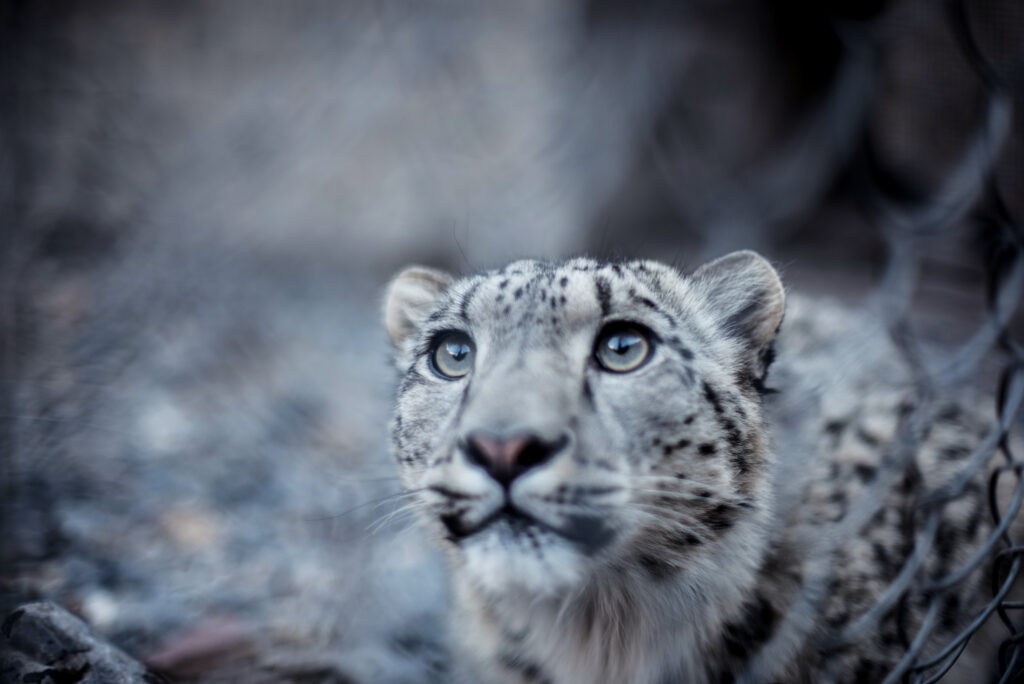
Kazakhstan’s Altyn-Emel National Park has been ranked in the world's top 10 most impressive national parks outside the United States, according to a recent article in the American travel magazine Travel + Leisure. The article praised the park’s natural diversity, rich wildlife, and distinctive landscapes. Among the standout attractions highlighted were the Singing Barchan sand dune, the Saka-era burial mounds at Besshatyr, the Kapshagai Reservoir, and the Sholak Mountains, a favored destination for birdwatchers. “In Kazakhstan’s Altyn-Emel National Park, you can encounter rare and endangered species such as the Przewalski’s horse and the snow leopard,” the article explains. [caption id="attachment_30226" align="aligncenter" width="600"] @altynemel.kz/Sakka burial mounds[/caption] A Park of History and Biodiversity Established in 1996 in Kazakhstan’s Zhetysu region, in the east of the country, Altyn-Emel National Park spans 307,600 hectares, having expanded from its original area of 209,000 hectares. The park is situated in the Ili River valley and encompasses desert plains, the foothills of the Dzungarian Alatau, and isolated rocky outcrops. The name Altyn-Emel means “Golden Saddle.” The park experiences a sharply continental climate, with dry, hot summers and limited annual precipitation of just 300-330 millimeters. Its varied landscapes include sand dunes, clay formations, and mountain zones composed of ancient Paleozoic rock, some of which date back 400 million years. [caption id="attachment_30227" align="aligncenter" width="600"] @altynemel.kz/The singing barchan[/caption] A Sanctuary for Rare Flora and Fauna Altyn-Emel is home to more than 1,800 species of plants, including 21 listed in Kazakhstan’s Red Book of endangered species. Unique vegetation includes black and white saxaul, ironwood groves, and the wild Sivers apple tree, an ancestor of modern cultivated apples. The park hosts 393 species of vertebrates: 78 mammals, 260 birds, 25 reptiles, four amphibians, and 26 species of fish. Among the rarest animals are argali sheep, goitered gazelles, kulans, and snow leopards. The park is especially proud of its Turkmen kulan population, reintroduced in 1982, which now numbers more than 2,000 individuals. [caption id="attachment_30228" align="aligncenter" width="600"] @altynemel.kz/Petroglyphs[/caption] Nature’s Wonders The park’s most iconic feature is the Singing Barchan, a sand dune stretching 1.5 kilometers and rising to 130 meters in height. In dry weather, the dune emits a humming sound reminiscent of organ music. Other geological and historical landmarks include the multi-colored Aktau clay mountains, the volcanic Katutau rocks, Chokan Valikhanov’s spring, and the Besshatyr necropolis of Saka nobility. Ancient petroglyphs in the Taigak area are also of interest to visitors. Promoting Kazakhstan’s Natural Heritage Efforts to promote Kazakhstan’s national parks internationally continue through initiatives such as the Qazaq National Parks project. In 2024, an exhibition in New York showcased a digital display of the country’s natural wonders. Among the highlights was the book Ile-Alatau Stories, a collection chronicling the lives of individuals committed to conservation efforts. Global Recognition Altyn-Emel shares its top-10 ranking in Travel + Leisure with other spectacular national parks: Galápagos National Park (Ecuador) Mana Pools (Zimbabwe) Plitvice Lakes (Croatia) Killarney National Park (Ireland) Kaz Dağları National Park (Turkey) Rishiri-Rebun-Sarobetsu National Park (Japan) Bandhavgarh National Park (India) The Azores (Portugal)...

Two Earthquakes Strike Kazakhstan and Kyrgyzstan, Causing Damage in Talas Region

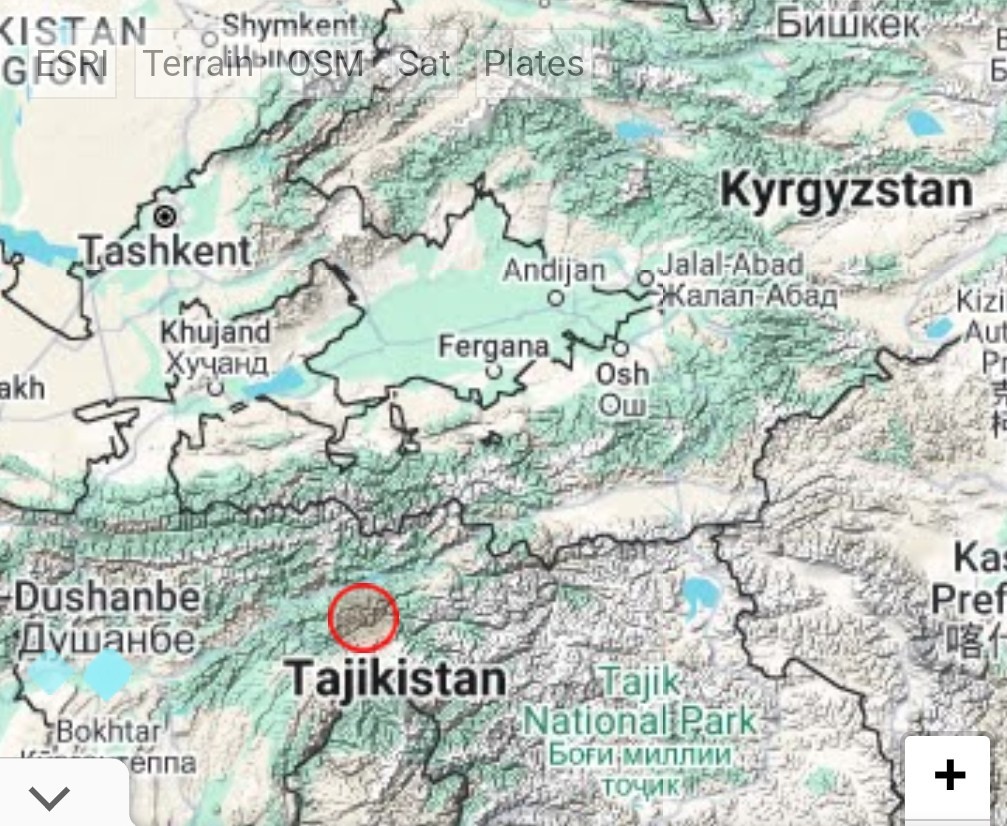
Two earthquakes struck Central Asia early on March 28, affecting parts of Kazakhstan and Kyrgyzstan. The first tremor, with a magnitude of 5.5, occurred in southern Kazakhstan, approximately 133 kilometers from Bishkek. The Kyrgyz capital felt the tremors at 4:42 a.m., according to the Institute of Seismology at the National Academy of Sciences of Kyrgyzstan. The quake registered a strength of four points in Bishkek and reached up to five points in parts of Kyrgyzstan’s Talas Region, which borders Kazakhstan. A second, less powerful earthquake was recorded at 7:00 a.m. on the Chatkal Ridge in southwestern Kyrgyzstan. It registered a magnitude of 3.5. According to the Kyrgyz Ministry of Emergency Situations, five residential buildings and one educational institution sustained damage in the Talas Region following the first quake. An operational team has been dispatched to assess the extent of the damage. “A state of emergency has been declared in connection with the earthquake recorded in Kazakhstan on March 28. An emergency meeting was held at 5 a.m. at the central office of the Ministry of Emergency Situations and the Crisis Management Center of Kyrgyzstan. First Deputy Minister of Internal Affairs Azamat Mambetov instructed officials to maintain a high alert regime,” the ministry's press service reported. No casualties have been reported. Authorities have stated that the situation remains under control. Kyrgyzstan’s Crisis Management Center is in direct communication with its counterpart in Kazakhstan, with both agencies exchanging real-time updates. Two major earthquakes were also recorded on March 28 in Southeast Asia. Seismologists from China and the United States reported tremors affecting Myanmar and Thailand. In Myanmar, the first quake registered a magnitude of 7.9 (with other sources citing 7.7), followed by a second at 6.4. The tremors were also felt in Bangladesh, India, Thailand, Laos, and China.

Kazakhstan Considers Resuming Saiga Culling Amid Ecological and Agricultural Tensions

Kazakhstan’s Minister of Ecology and Natural Resources, Yerlan Nysanbayev, has addressed the growing debate over the potential resumption of saiga culling, acknowledging that while no decision has yet been made, consultations with scientists and environmental experts are ongoing​. Conservation or Population Control? Speaking at a government briefing, Nysanbayev emphasized the complexity of the issue. “We expect a second meeting. Science needs time to comprehensively study the situation, assess obligations, and determine whether population regulation is necessary or if alternative measures are viable,” he said. The minister acknowledged that the conflict between wildlife and agricultural interests is becoming increasingly apparent. “There are epizootic risks involved. A very balanced decision is required here,” he added. Regulation Methods: Culling or Capture? When asked about potential population control methods, Nysanbayev responded candidly. “It could be corral-based capture or shooting, what other options are there? But the final decision is still under scientific review.” The idea of regulating saiga populations first stirred controversy in 2022 when farmers in West Kazakhstan and Akmola regions reported widespread crop damage caused by the animals. Fields were trampled, fences destroyed, and harvests consumed. Some farmers even called for a state of emergency​. By autumn 2023, saigas were added to the official list of animals subject to population control. Authorities initially aimed to capture 200,000 saigas, but technical challenges led to a shift toward culling. Meat processing plants began producing canned saiga meat for local consumption​. Shifting Policies and Political Pressure However, on February 10, 2024, the Ministry of Ecology suspended the population control initiative following consultations with Kazakh and international experts​. In April, President Kassym-Jomart Tokayev declared his intent to ban saiga culling altogether, calling the antelope a “symbol of the Kazakh steppe”​. Yet the issue resurfaced in March 2025 during a meeting of the National Kurultai. Tokayev again urged the government to reassess the situation, citing appeals from the AOYL political party and local residents. “Agriculture is suffering. Epizootic risks are growing. Overall, pressure on the ecosystem has increased,” he said​. Global Context and Local Dilemma According to Energyprom.kz, global wildlife populations have declined by an average of 73% over the past 50 years. While Kazakhstan’s saiga population has rebounded significantly thanks to anti-poaching efforts and conservation policies, the country now faces a new dilemma: how to reconcile ecological preservation with agricultural stability​. Minister Nysanbayev confirmed that a final decision will be made later this year but what form it will take remains uncertain.

New UNEP Atlas Highlights Kyrgyzstan’s Climate Vulnerability

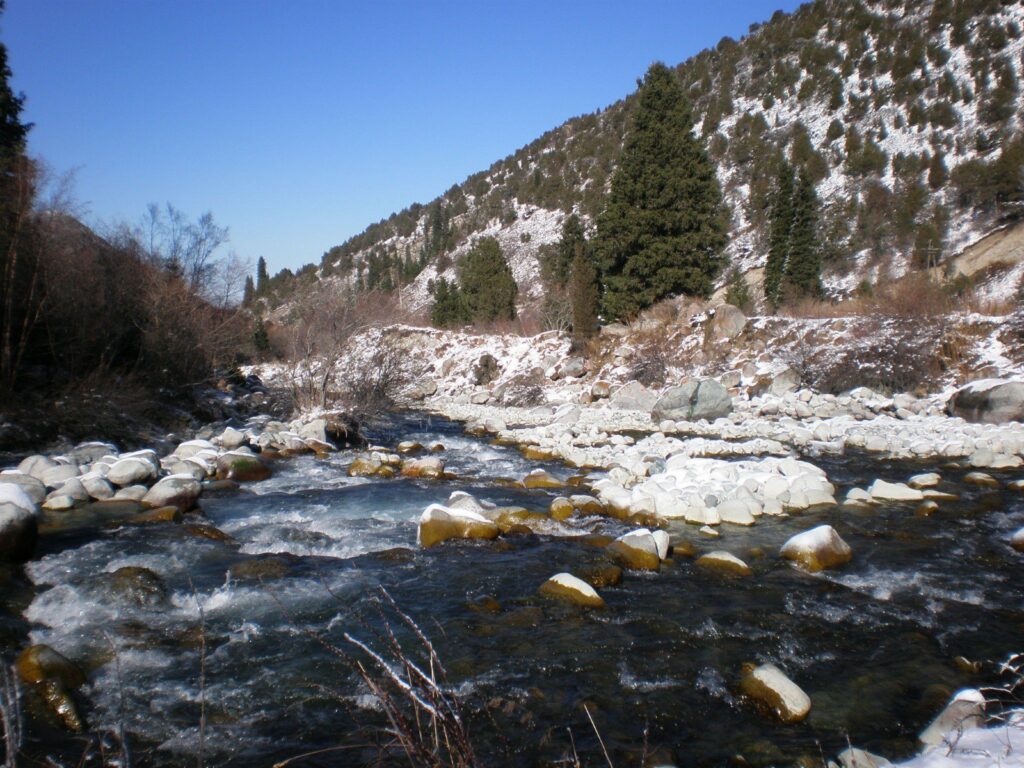
Amid intensifying climate impacts, the UN Environment Programme (UNEP) released its Atlas of Environmental Change for Kyrgyzstan on March 26, offering a comprehensive assessment of the country's growing environmental risks and response strategies. Warming at Twice the Global Rate According to the Atlas, average annual temperatures in Kyrgyzstan have increased by 1.2°C between 1960 and 2023, double the global average of 0.6°C. This accelerated warming has exacerbated water scarcity and the likelihood of natural disasters, a trend expected to intensify in the coming decades. While water availability declines, demand continues to rise, particularly in agriculture. The report stresses the urgent need for robust climate adaptation measures, including reducing irrigation losses, upgrading early warning systems, and improving pasture management. Currently, an estimated 70% of Kyrgyzstan’s pastures are degraded. Declining Water Resources Hydropower accounts for up to 93% of Kyrgyzstan’s electricity generation. But as the climate shifts, rainfall patterns, snow cover, and glaciers are changing, threatening the water inflows that power these systems. Water flow into the Toktogul Reservoir, which feeds the country’s largest hydroelectric plant, could decrease by as much as 18.8% by 2050. This poses a serious threat not only to energy security but also to regional cooperation, as Kyrgyzstan lies upstream of many major Central Asian rivers. The report underscores the importance of transboundary water management. Disasters on the Rise Natural disasters are also becoming more frequent and severe. On average, Kyrgyzstan experiences around 200 emergencies per year, 90% of which are linked to natural hazards such as floods, earthquakes, mudslides, rockfalls, and avalanches. In 2022 alone, nearly 150 lives were lost to natural disasters. Between 2012 and 2018, the average annual economic loss from such events reached $27 million. Conservation Achievements Despite the mounting risks, the Atlas also highlights Kyrgyzstan’s environmental progress. Forest cover has increased from 6.2% in 2000 to 6.9% in 2023, a significant feat given the country's mountainous terrain. Protected areas have expanded from 0.5 million hectares in 2000 to 1.5 million hectares, with plans to increase this to 10% of national territory by 2040, safeguarding up to 65% of species listed on the IUCN Red List. All forests in Kyrgyzstan are protected from commercial logging. Notably, the creation of the Khan Teniri Nature Park has expanded snow leopard habitat in the Central Tien Shan mountains by 40%. A Tool for Climate Policy The UNEP Atlas offers Kyrgyz policymakers a vital evidence base for sustainable environmental management and climate adaptation. It is designed to guide future strategies as the country faces mounting ecological and socio-economic pressures.

Uzbekistan to Generate Electricity from Household Waste

Uzbekistan is advancing plans to build waste-to-energy (WTE) plants across several regions as part of a broader strategy to improve waste management and generate electricity. Presidential decrees have approved investment projects in Tashkent and the regions of Andijan, Namangan, Ferghana, Tashkent, Kashkadarya, and Samarkand. These projects aim to modernize the country’s waste processing infrastructure while enhancing environmental sustainability and attracting direct investment into the energy and utilities sectors. Under the agreements, project companies will supply the electricity generated from waste to “Uzenergosotish” JSC through 30-year guaranteed purchase contracts. Equipment launches are scheduled between 2025 and 2027, with the following projected processing capacities: Tashkent Region: 2,500 tons of waste processed daily, generating 390 million kWh annually Andijan Region: 1,500 tons for 240 million kWh Kashkadarya Region: 1,500 tons for 240 million kWh Samarkand Region: 1,500 tons for 240 million kWh Namangan Region: 1,500 tons for 227.5 million kWh Ferghana Region: 1,500 tons for 227.5 million kWh Global Models for Waste-to-Energy The concept of converting household waste into energy is widely used in countries with advanced waste management systems. Sweden, for instance, has developed a highly efficient WTE infrastructure that provides heating to over 1 million households and electricity to approximately 680,000 homes. As of 2013, the country was importing roughly 800,000 tons of waste annually from neighboring states to meet the fuel demands of its power plants. Japan has also embraced WTE technology, largely due to its limited landfill capacity. By 2020, Japanese incineration plants had a combined power generation capacity of approximately 2,200 megawatts, contributing significantly to the national grid. Challenges and Considerations Despite its promise, WTE technology is not without challenges. If not properly managed, waste incineration can result in harmful emissions and air pollution. Ensuring that Uzbekistan’s facilities meet modern environmental standards will be critical to the success and sustainability of the initiative. The government’s move reflects a growing recognition of the need for cleaner, more sustainable energy sources while addressing the persistent issue of urban waste. If implemented effectively, these projects could mark a significant step toward Uzbekistan's green energy transition.