• KGS/USD = 0.01144 0%
  • KZT/USD = 0.00210 0%
  • TJS/USD = 0.10438 0%
  • UZS/USD = 0.00008 0%
  • TMT/USD = 0.28490 0%
  • KGS/USD = 0.01144 0%
  • KZT/USD = 0.00210 0%
  • TJS/USD = 0.10438 0%
  • UZS/USD = 0.00008 0%
  • TMT/USD = 0.28490 0%
  • KGS/USD = 0.01144 0%
  • KZT/USD = 0.00210 0%
  • TJS/USD = 0.10438 0%
  • UZS/USD = 0.00008 0%
  • TMT/USD = 0.28490 0%
  • KGS/USD = 0.01144 0%
  • KZT/USD = 0.00210 0%
  • TJS/USD = 0.10438 0%
  • UZS/USD = 0.00008 0%
  • TMT/USD = 0.28490 0%
  • KGS/USD = 0.01144 0%
  • KZT/USD = 0.00210 0%
  • TJS/USD = 0.10438 0%
  • UZS/USD = 0.00008 0%
  • TMT/USD = 0.28490 0%
  • KGS/USD = 0.01144 0%
  • KZT/USD = 0.00210 0%
  • TJS/USD = 0.10438 0%
  • UZS/USD = 0.00008 0%
  • TMT/USD = 0.28490 0%
  • KGS/USD = 0.01144 0%
  • KZT/USD = 0.00210 0%
  • TJS/USD = 0.10438 0%
  • UZS/USD = 0.00008 0%
  • TMT/USD = 0.28490 0%
  • KGS/USD = 0.01144 0%
  • KZT/USD = 0.00210 0%
  • TJS/USD = 0.10438 0%
  • UZS/USD = 0.00008 0%
  • TMT/USD = 0.28490 0%

Viewing results 319 - 324 of 867

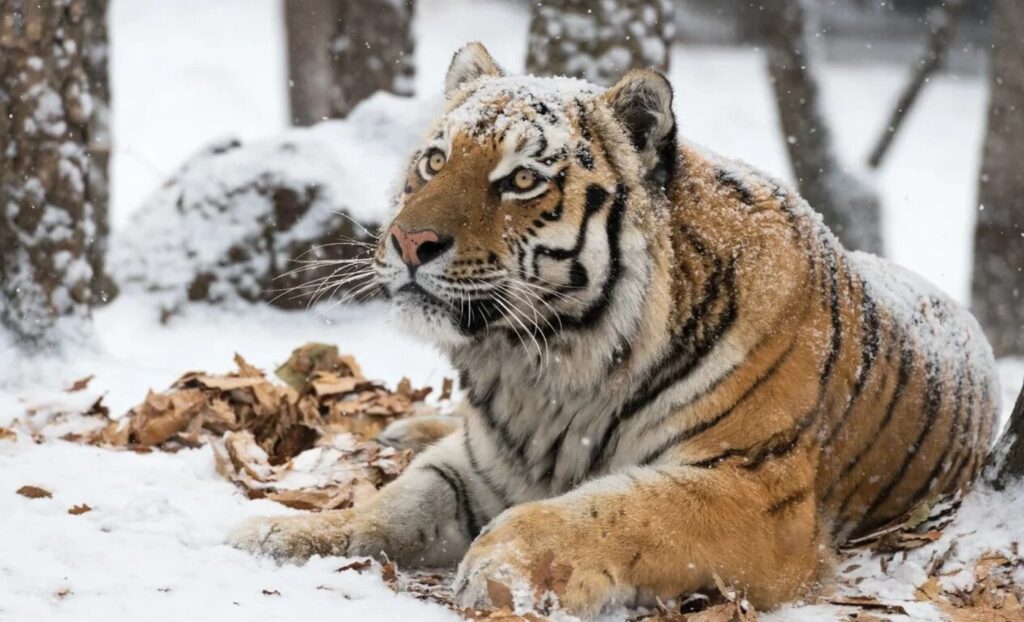
Turanian Tigers From the Netherlands Survive First Winter in Kazakhstan

Two Turanian tigers brought from the Netherlands last year have successfully completed their first winter in Kazakhstan’s Ile-Balkhash State Nature Reserve. The tigers are housed in spacious enclosures, each exceeding 0.5 hectares. Their adaptation is progressing well, with the predators actively hunting small game, including birds such as magpies and crows that venture into their feeding areas. Historically, Turanian tigers thrived in the reed beds and forests at the mouth of the Ili River near Lake Balkhash. However, the species was last sighted in the region in 1948, and subsequently declared extinct. Revival Program for Turanian Tigers Kazakhstan is undertaking an ambitious program to restore the Turanian tiger population. In addition to the two Amur tigers brought to the Ile-Balkhash Reserve for captive breeding, three or four more wild tigers are expected to arrive from Russia in 2025. Efforts to establish a sustainable ecosystem for these predators have been ongoing since 2018. To create a natural prey base, the reserve has introduced 205 riparian deer and over 100 kulans. Additionally, populations of roe deer and wild boars have been bolstered to support the tigers' dietary needs. This marks a significant step in Kazakhstan's conservation journey, reviving an iconic species that once roamed its landscapes.

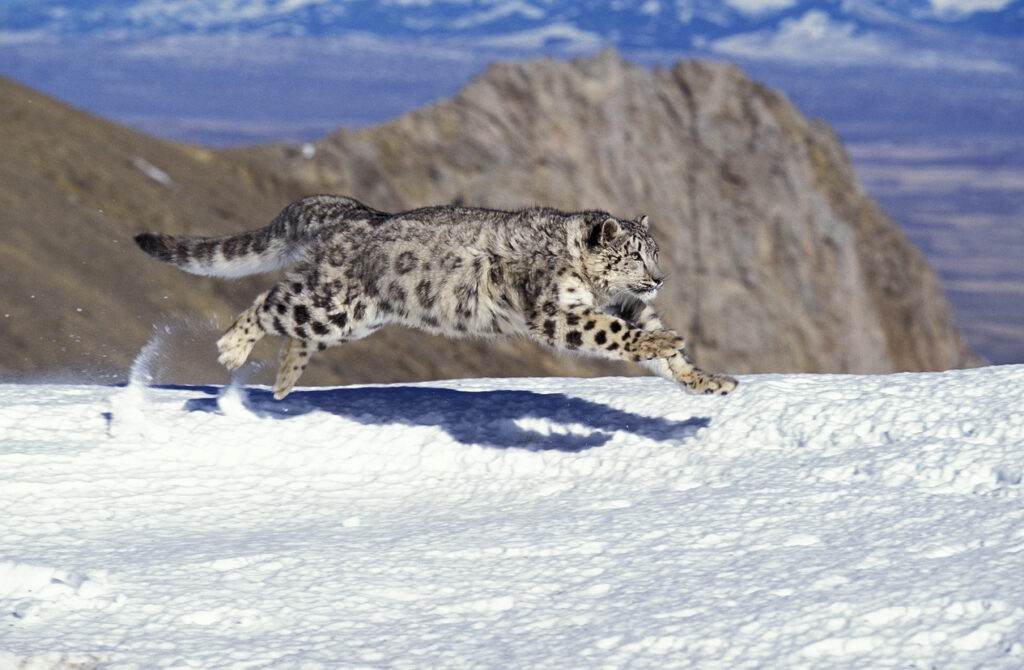
Kazakhstan’s Snow Leopard Population Reaches Near-Historic Levels

The snow leopard population in Kazakhstan has rebounded to near-historic levels, with an estimated 152 to 189 individuals now residing in the country. This marks a significant achievement in conservation efforts, as such numbers were last observed in the 1980s. Despite this progress, human activity remains the most significant threat to the survival of this elusive predator. Known as the irbis, the snow leopard is listed in the International Union for Conservation of Nature's (IUCN) Red List and the national Red Books of all 12 countries within its range. In Kazakhstan, these majestic predators reside in mountainous areas such as the Altai, Tien Shan, Zhetysu Alatau, and other large mountain systems. Since 2018, Kazakhstan has implemented a snow leopard conservation project under the United Nations Development Program (UNDP). As a result, the snow leopard population has increased by more than 26% since 2019. Alexei Grachev, executive director of the Snow Leopard Foundation and head of the Snow Leopard Monitoring Center, noted that the species' numbers have stabilized, with protected areas playing a crucial role in their survival. Key habitats include Ile-Alatau National Park, Altyn-Emel, and the Katon-Karagai Reserve. The Zhetysu region, in particular, boasts the highest population density thanks to favorable conditions such as abundant prey, effective protection, and minimal human interference. In contrast, the snow leopard population in Katon-Karagai Park remains small. Their presence was first confirmed by photo traps in 2020. A recent sighting of a female with two cubs in the park indicates a gradual recovery. Despite the positive trends, snow leopards face several threats including poaching, expanding economic activities, climate change, and conflicts with local communities. To mitigate these risks, efforts are being made to establish new protected areas, such as the Merken Regional Park in Zhambyl Oblast. Satellite telemetry has also been introduced, with 11 leopards collared in 2021 to track their movements and better understand their behavior. The high mortality rate among young leopards is a pressing issue. Without the expansion of protected areas, juvenile leopards are forced to migrate to neighboring countries, increasing the likelihood of human-wildlife conflicts. To address this, Kazakhstan is offering financial compensation to herders whose livestock is attacked, thereby reducing the retaliatory killing of the predators. Kazakhstan’s conservation measures have been widely praised by the international community. Unlike many countries where snow leopard populations are declining or stagnating, Kazakhstan has achieved tangible growth. Collaborative efforts with Kyrgyzstan, bolstered by international memorandums, have further enhanced regional conservation efforts. Additionally, UNDP initiatives have improved protection in 14 natural areas across the country through the use of advanced technologies, including camera traps, drones, and thermal imaging devices. The recovery of the snow leopard population in Kazakhstan is a rare and noteworthy example of successful conservation. By safeguarding this iconic species, the country is contributing significantly to global biodiversity, demonstrating the impact of focused and sustained environmental efforts.

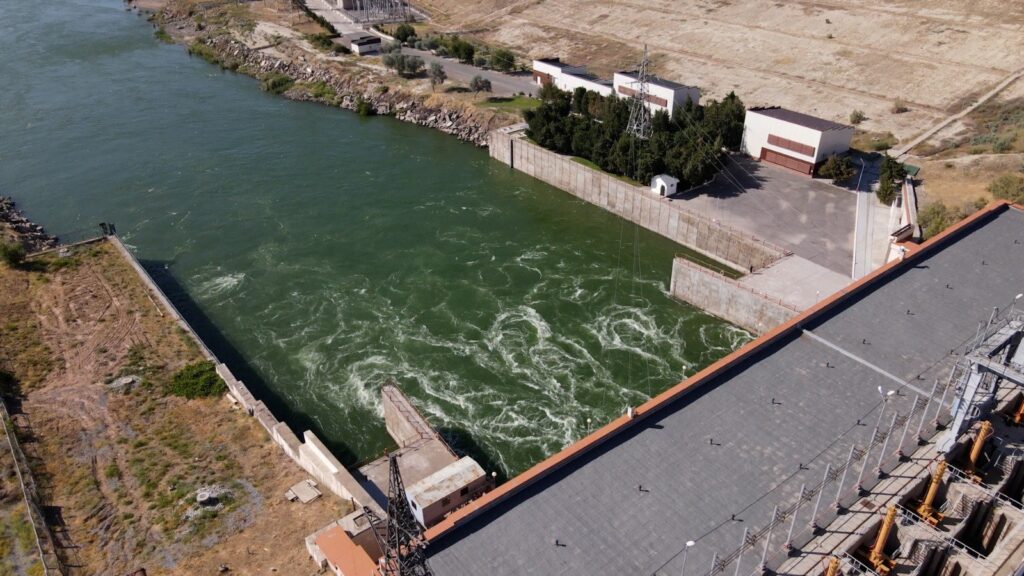
Kazakhstan Receives Abundant Water in 2024

Kazakhstan’s Ministry of Water Resources and Irrigation has reported record water accumulation in the country’s reservoirs and lakes in 2024​. This year, Kazakhstan’s reservoirs collected over 75 billion cubic meters of water, including more than 12 billion cubic meters of floodwater from unprecedented spring floods in the western and northern regions. These floods were triggered by rapid snowmelt, leading to significant increases in water availability. According to the Ministry, efficient floodwater distribution helped replenish reservoirs and direct excess water to rivers and lakes that have faced drying trends in recent years. Notable allocations include: Lake Balkhash: Received 15.4 billion cubic meters of water in 2024, a 4-billion-cubic-meter increase from 2023. Of this, 3.3 billion cubic meters came from floodwater. Located 175 miles northwest of Almaty, Balkhash is the largest lake in Kazakhstan and the fifteenth-largest in the world. Caspian Sea: Gained 17 billion cubic meters of water, addressing concerns over its declining water level. The Times of Central Asia previously reported concerns that the Caspian could lose up to 18 meters of water by the end of the century​. Kapchagay Reservoir: For the first time in a decade, this reservoir in the Almaty region filled to 100% of its capacity, collecting over 18 billion cubic meters of water. The reservoir regulates the flow of the Ili River, which originates in China and flows into Lake Balkhash. North Aral Sea: Received approximately 2.5 billion cubic meters of water, 400 million cubic meters more than in 2023. This portion of the former Aral Sea is fed by the Syr Darya River and separated from the South Aral Sea in the late 1980s due to water diversion for agriculture. Kamysh-Samar Lakes: Located in the West Kazakhstan region, these lakes were replenished with 80 million cubic meters of floodwater. Minister of Water Resources and Irrigation Nurzhan Nurzhigitov emphasized the Ministry’s efforts to preserve and restore large and small water bodies across Kazakhstan. During the 2024 irrigation season, approximately 11 billion cubic meters of water were supplied to the country’s farms to support agricultural activities. The record water accumulation and successful flood management efforts underscore Kazakhstan’s commitment to sustainable water resource management.

Rosatom to Build 100 MW Wind Farm in Kyrgyzstan

Rosatom Renewable Energy, the wind power division of Russia’s State Atomic Energy Corporation Rosatom, has signed an investment agreement with Kyrgyzstan’s Cabinet of Ministers to construct and operate a 100 MW wind farm in Kok-Moinok village, located in the Issyk-Kul region The agreement was formalized by Taalaibek Ibraev, Kyrgyzstan’s Minister of Energy; Grigory Nazarov, Director General of Rosatom Renewable Energy; and Dmitry Andreyev, Director General of NovaWind Kyrgyzstan, LLC. The project represents Rosatom’s first export initiative in wind power generation. A ceremonial milestone was reached in September 2024 with the laying of a time capsule at the site of the future wind farm. Design and survey work, along with equipment procurement, is slated to begin in 2025. Rosatom's Broader Role in Kyrgyzstan Rosatom has been actively advancing strategic energy projects in Kyrgyzstan. In January 2022, the company and Kyrgyzstan’s Ministry of Energy signed a memorandum of cooperation to construct low-power nuclear power plants based on the RITM-200N reactor. Additionally, Rosatom is contributing to the development of Kyrgyzstan’s hydroelectric capacity, including the construction of the Leilek HPP (5.9 MW), Jerooy HPP (28 MW), and Chandalash HPP (30 MW). These efforts reflect the company’s diversified approach to strengthening the country's energy sector. Kyrgyzstan continues to face electricity shortages, particularly during the harsh winter months. To tackle this issue, the country is investing in a mix of renewable energy projects, including solar and wind farms, as well as large hydroelectric power plants. Rosatom’s 100 MW wind farm in Kok-Moinok is expected to play a significant role in diversifying Kyrgyzstan’s energy sources and enhancing energy security.

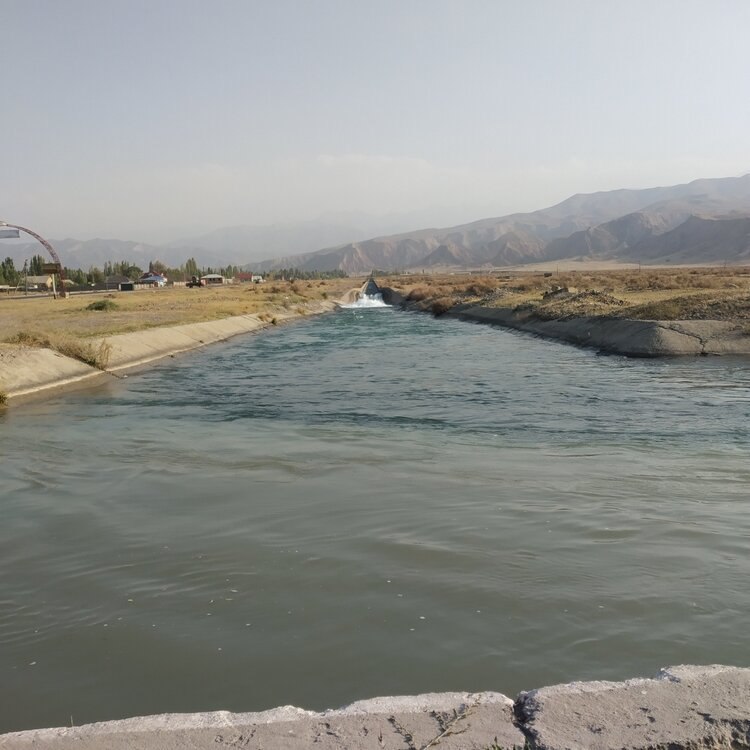
Kazakhstan’s Southern Region Receives Full Irrigation Water Supply from Kyrgyzstan

This year, five districts in Kazakhstan’s southern Zhambyl region—Kordai, Merke, Baizak, Zhambyl, and Talas—were fully supplied with irrigation water from the transboundary Shu and Talas rivers, which flow from neighboring Kyrgyzstan. The announcement was made by Kazakhstan’s Ministry of Water Resources and Irrigation. In April, Kazakhstan and Kyrgyzstan agreed on a joint water intake schedule for the 2024 irrigation season. As part of this agreement, Kazakhstan received 418 million cubic meters of water from the Talas River, exceeding the planned 380 million cubic meters and surpassing last year’s allocation by 94.2 million cubic meters. Additionally, along the Shu River (called Chu in Kyrgyzstan), Kazakhstan was allocated 165.3 million cubic meters, 29.7 million cubic meters more than in 2023. “Farmers in the Zhambyl region were fully provided with irrigation water according to their needs,” stated Kairat Amanov, director of the Zhambyl branch of Kazvodkhoz. In total, 533.3 million cubic meters of water were delivered, irrigating 90,100 hectares of farmland. Kazvodkhoz, a division of Kazakhstan’s Ministry of Water Resources and Irrigation, is responsible for managing the nation’s irrigation infrastructure, including canals and reservoirs. Kazakhstan’s agriculture, especially in its arid southern regions, relies heavily on irrigation water from Kyrgyzstan. At the same time, Kyrgyzstan faces its water management challenges. The water level of Lake Issyk-Kul, Kyrgyzstan’s largest lake, has been declining, partly due to the diversion of feeder rivers for local irrigation and to meet downstream agricultural needs in Kazakhstan. Although the Shu River does not directly feed Lake Issyk-Kul, it originates in the Issyk-Kul region and could have been utilized to irrigate nearby farmland. Instead, it plays a critical role in supporting Kazakhstan’s Zhambyl region. This allocation highlights Kyrgyzstan’s significant role in Central Asia’s water policies and its ongoing efforts to maintain cooperative relations with neighboring countries on key water and energy issues.

Kazakhstan Takes Bold Steps to Revive Caspian Sea Fishing Industry

For the first time in over 30 years, commercial fishing has resumed in Kazakhstan’s section of the Caspian Sea. On December 20, Deputy Minister of Agriculture Amangaliy Berdalin attended the ceremonial departure of fishing boats targeting sprat from the port of Sarzha in the village of Kuryk, located in the Mangistau region. Commercial fishing in the Mangistau region was active before 1991 but declined after the dissolution of the Soviet Union. Its revival is part of Kazakhstan’s broader efforts to develop a sustainable fishing industry and bolster food security. One of the first steps in this revival was the purchase of two fishing vessels by Aktau Balyk Company LLP. The company aims to catch approximately 10,000 tons of Caspian sprat annually, providing this resource to the domestic market. Plans are already underway to expand operations. Next year, Aktau Balyk intends to acquire four additional vessels, increasing its fleet and boosting its annual catch volume to 30,000 tons. The government’s commitment to revitalizing the fishing industry is underscored by the Program for the Development of Fisheries until 2030. This initiative prioritizes fish farming as a cornerstone of the sector's growth. According to the program: Kazakhstan aims to produce 270,000 tons of fish annually through fish farming by 2030. The government seeks to increase domestic fish consumption to 134,000 tons annually. Fish imports are targeted to drop from 45,000 tons to 25,000 tons annually. This strategic push signals Kazakhstan’s determination to establish a thriving fishing industry to meet domestic demand and position the country as a competitive player in the regional seafood market.