• KGS/USD = 0.01144 0%
  • KZT/USD = 0.00213 0%
  • TJS/USD = 0.10456 0.19%
  • UZS/USD = 0.00008 0%
  • TMT/USD = 0.28490 0%
  • KGS/USD = 0.01144 0%
  • KZT/USD = 0.00213 0%
  • TJS/USD = 0.10456 0.19%
  • UZS/USD = 0.00008 0%
  • TMT/USD = 0.28490 0%
  • KGS/USD = 0.01144 0%
  • KZT/USD = 0.00213 0%
  • TJS/USD = 0.10456 0.19%
  • UZS/USD = 0.00008 0%
  • TMT/USD = 0.28490 0%
  • KGS/USD = 0.01144 0%
  • KZT/USD = 0.00213 0%
  • TJS/USD = 0.10456 0.19%
  • UZS/USD = 0.00008 0%
  • TMT/USD = 0.28490 0%
  • KGS/USD = 0.01144 0%
  • KZT/USD = 0.00213 0%
  • TJS/USD = 0.10456 0.19%
  • UZS/USD = 0.00008 0%
  • TMT/USD = 0.28490 0%
  • KGS/USD = 0.01144 0%
  • KZT/USD = 0.00213 0%
  • TJS/USD = 0.10456 0.19%
  • UZS/USD = 0.00008 0%
  • TMT/USD = 0.28490 0%
  • KGS/USD = 0.01144 0%
  • KZT/USD = 0.00213 0%
  • TJS/USD = 0.10456 0.19%
  • UZS/USD = 0.00008 0%
  • TMT/USD = 0.28490 0%
  • KGS/USD = 0.01144 0%
  • KZT/USD = 0.00213 0%
  • TJS/USD = 0.10456 0.19%
  • UZS/USD = 0.00008 0%
  • TMT/USD = 0.28490 0%

Viewing results 421 - 426 of 870

Kyrgyzstan Asks IAEA for $45 Million for Nuclear Waste Remediation

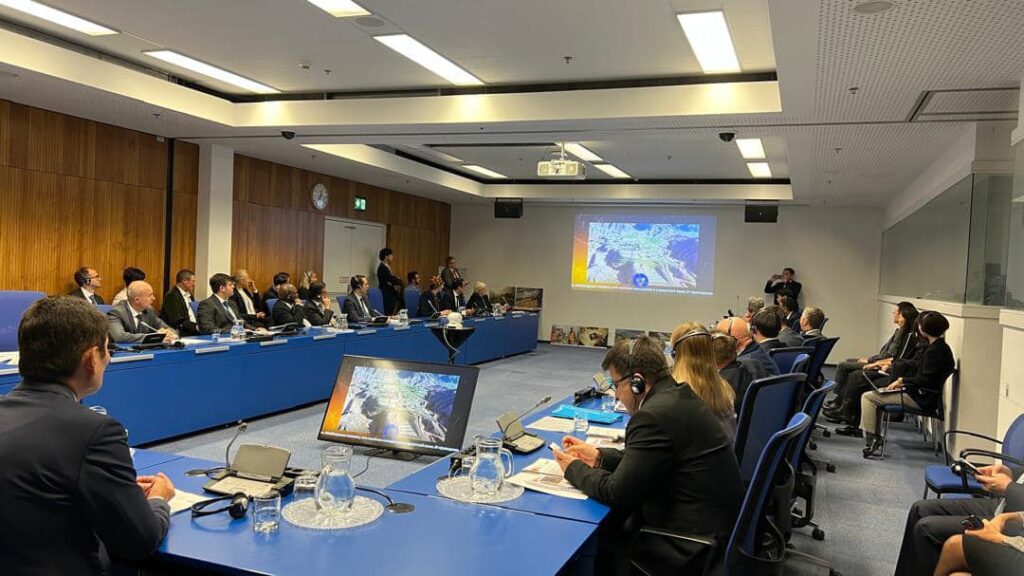
Kyrgyzstan's Deputy Minister of Emergency Situations, Azamat Mambetov, has asked for support from Central Asian countries at the International Atomic Energy Agency's General Session in Vienna, Austria. The 68th session of the IAEA General Conference is taking place from September 16 to 20, 2024. An official from the Kyrgyz Republic Ministry of Emergency Situations made a speech that called for attention to be paid to the importance of ensuring environmental safety in the region. “In his speech, Azamat Mambetov emphasized the importance of the problem of radiation safety in Central Asia and called for the intensification of international efforts to reclaim uranium tailings in the region,” the Ministry of Emergency Situations stated. The IAEA adopted a resolution on “The Role of the International Community in Preventing Radiation Threats in Central Asia.” A strategic master plan was developed to reclaim uranium sites in the region and create a special account for environmental remediation in Kyrgyzstan, Uzbekistan, and Tajikistan. The Deputy Minister of Emergency Situations of Kyrgyzstan informed IAEA members about the process of completing the reclamation of two nuclear waste sites in the country's south. This has allowed about 80,000 people in that area to live safely. The Kyrgyz Ministry of Emergency Situations stressed that it is grateful to all countries and international organizations that have made a significant contribution to the environmental rehabilitation of the tailing dumps left over from Soviet-era uranium mining in Central Asia. However, approximately another $45 million is needed to implement the Strategic Master Plan fully. According to the Kyrgyz Ministry of Emergency Situations, there are currently 92 toxic and radioactive waste dumps in the country. Of these, 23 tailings contain uranium elements, while the rest contain radioactive rock residues, heavy metals, and cyanide.
Kazakhstan Now Home to 99% of the World’s Saiga Population

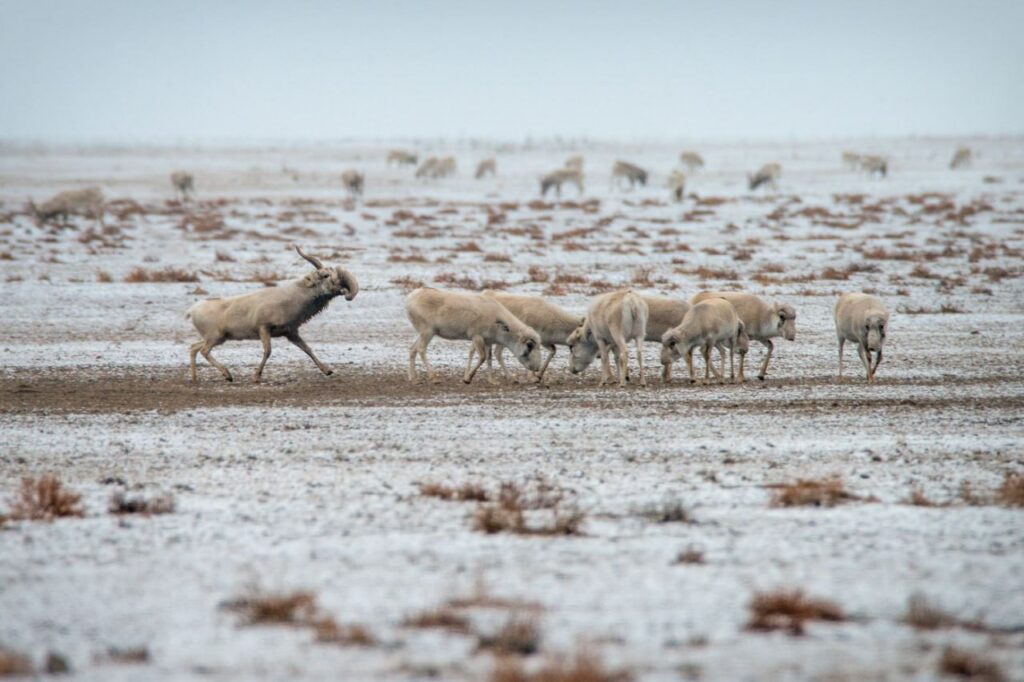
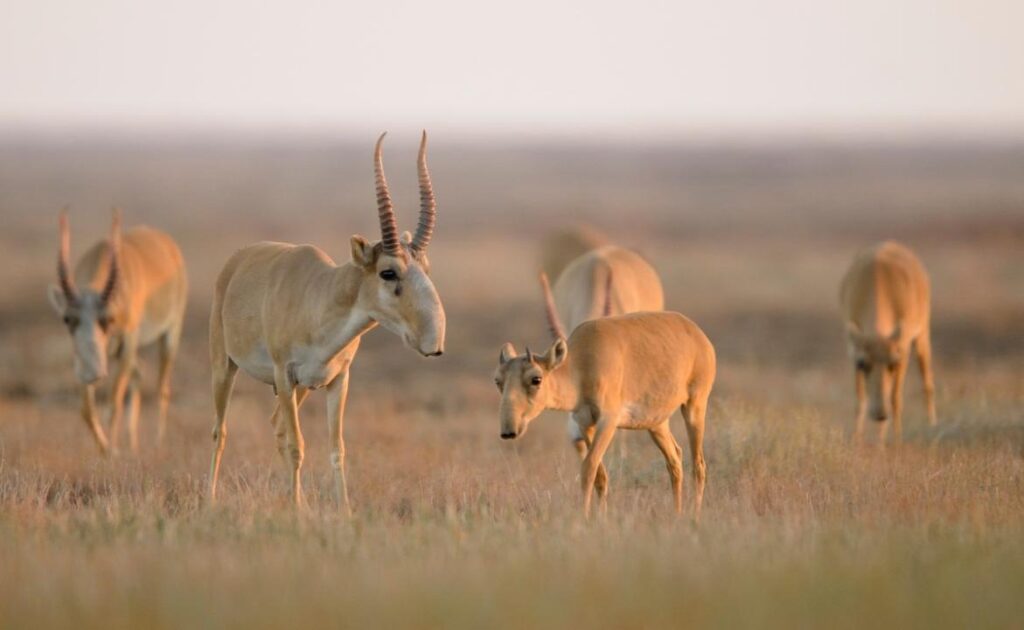
The Minister of Ecology and Natural Resources of Kazakhstan, Yerlan Nysanbayev, has announced that the number of saigas in Kazakhstan has risen to around four million, equivalent to 99% of the global population. Just over half of the population - 2.8 million- resides in West Kazakhstan Oblast and the overall figure takes into account those born during May's birthing season. The presence of such large numbers of this type of antelope has not however, always been welcomed. As referenced by Nyanbayev, to lessen their damage to agriculture, Kazakhstan had previously taken measures to regulate the population. As recently as 2023, 42,000 saigas were seized, with their meat sold through processing plants in four regions. Under instruction of the Head of State, the practice has been stopped and commending the move, Nysanbayev reported, “No other state today has such a population. This is thanks to the efforts that the state: Money was spent, specialized enterprises were organized, and many legislative measures were taken." Saigas are one of the oldest breeds on the planet, dating back 250,000 years. Capable of reaching speeds of up to 80 kilometers per hour, and with unique nasal filters to help clean the air of dust and keep cool in the heat, the saiga migrate great distances, traveling up to 1,000 kilometers in search of food. A ban on shooting and hunting saigas in Kazakhstan was introduced in 1999. This decision was part of a conservation effort to protect the animals, whose population had been significantly reduced by poachers intent on seizing their horns, highly valued in traditional medicine. In December 2023, the International Union for Conservation of Nature (IUCN) updated the status of the Saiga from Critically Endangered to Near Threatened, but estimated the global population at 1.9 million, up from a low of 39,000 as recently as 2005. An April 2024 survey conducted by the Altyn Dala Conservation Initiative, however, recorded a population of 2,833,600 in Kazakhstan prior to the birthing season. The figure 4.1 million, therefore, falls within the range of the recent average increase in numbers of 48%. Saiga Antelopes – which migrate in excess of 1,000 kilometers between their summer and winter ranges because of “extreme variations” in climate - remain acutely susceptible to sudden mass deaths from pasteurellosis, an acute bacterial disease which killed up to 200,000 of the species in a three-week period in Kazakhstan in 2015.

Air Pollution Linked to One in Five Infant Deaths in Central Asia

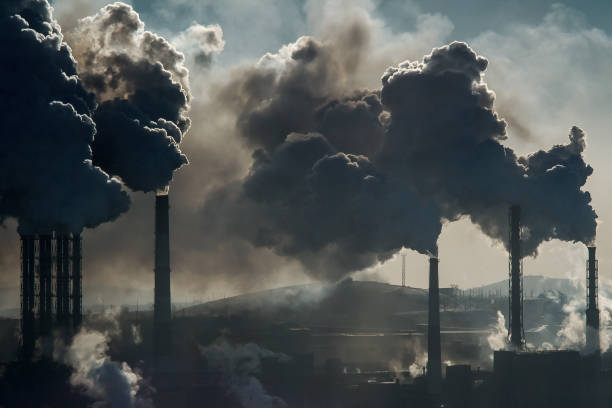
According to a report  by UNICEF, an estimated 6,441 children and teenagers died from causes attributable to air pollution in 23 countries across Europe and Central Asia in 2021. Statistics show that 85% of the children died in the first year of their lives, and one in five infant deaths were linked to air pollution. As stated in the report, “Most deaths were attributed to ambient and household fine particulate matter air pollution (PM2.5). And all of these deaths were preventable." In 2021, the region's children and teenagers lost more than 580,000 years of healthy life (DALYs) as a result of premature death and disability caused by air pollution. Compared to other environmental factors, including high temperatures, unsafe water, and poor sanitation,  polluted air has been found, by far, the most life-threatening. Exposure to PM2.5 air pollution is also associated with higher rates of miscarriage, early fetal loss, preterm birth, and low birth weight and in pregnant women, increases the risk of gestational diabetes, high blood pressure, and postpartum depression. By restricting fetal growth, air pollution can significantly increase the risk of disease, heart defects, pneumonia, asthma, eczema, allergies, and high blood pressure.   Even before birth, air pollution can harms a child’s lungs, brain, and organs, affecting cognitive development and raising the risk of respiratory diseases throughout the child's life. Since children breathe more air relative to their body weight, they absorb more pollutants than adults, and for this reason, newborns are especially vulnerable to pneumonia, a leading cause of infant death. Air pollution in Europe and Central Asia, especially from PM2.5 and PM10 particles, is mainly caused by the use of fossil fuels in homes, businesses, and institutions. Coal is especially harmful to children’s health. Energy sources vary between and within countries depending on power supplies and infrastructure. High levels of air pollution from the use of coal for residential heating in winter, coupled with the interaction of ambient air pollution with indoor air pollution in homes, schools, health care facilities, etc., are cited by UNICEF as the primary sources of exposure for children. UNICEF notes the importance of the region's governments and institutions focusing more attention and resources to air pollution prevention, energy efficiency, clean energy use, supporting clean air measures, and protecting children from exposure. The organization also emphasizes the need to develop air quality warning systems and corresponding action plans for schools and kindergartens in Europe and Central Asia. Last but not least, as a measure to improve air quality, UNICEF recommends enhancing data collection to better understand local pollution, campaigns promoting clean energy and energy efficiency in homes, and a strict smoking bans in indoor public spaces. High levels of air pollution observed in Central Asian countries is ongoing and the subject of several articles previously covered by The Times of Central Asia.

Climate Crisis May Drastically Reduce Production in Central Asia

Central Asia may face serious economic losses due to climate change, which may reach a 6.5% annual decline in production by 2060. These figures were announced by Bo Li, Deputy Managing Director of the International Monetary Fund (IMF), at the “New Economic Challenges for Long-Term Development” forum. According to Bo, the Caucasus and Central Asia region is particularly vulnerable to climate change. Soaring temperatures and increasing frequency of droughts and floods are reducing crops, destroying infrastructure, and lowering living standards. “According to IMF estimates, if no action is taken to slow down climate change, Central Asia will lose up to 6.5% of its output annually by 2060,” Bo said. He noted that possible losses could be reduced with joint actions such as reducing carbon emissions, transitioning to a green economy, and adapting to changing climate conditions. As an example, Bo noted the efforts of Kyrgyzstan, that has already started to increase electricity tariffs and reduce energy subsidies, allowing the country to adapt to climate challenges and create new jobs in the “green” sector. Many Central Asian countries are taking steps to reform the energy sector and introduce “green” technologies. For example, Kazakhstan is actively cooperating with several countries to develop renewable energy and reform the energy sector. One key example is the partnership with the United States under the USAID Power Central Asia program. This initiative supports Kazakhstan and other Central Asian countries in modernizing energy markets, introducing clean energy, and encouraging private investment in renewable energy. Uzbekistan is undergoing a major reform of its energy system to reduce subsidies and promote renewable energy. The country plans to increase the share of renewable energy to 25% by 2030, which includes solar and wind energy projects. These measures will help Uzbekistan improve energy efficiency and reduce carbon dioxide emissions. In Tajikistan, USAID is implementing the Power Central Asia program, which supports energy cooperation in the region and encourages using renewable energy to help reduce dependence on fossil fuels and modernize energy systems.

China-Europe Trade Could Disrupt Saiga Migration, Group Warns

Once close to extinction, the saiga antelope has made a big recovery in numbers in recent years, marking a major conservation success in Central Asia. However, a group that promotes Kazakhstan’s grasslands and wildlife says plans to develop business corridors between China and Europe are likely to affect the saigas, which migrate long distances to find water and pasture.    “Kazakhstan is projected to see significant development of roads and railways in the next decade, as multilateral businesses and governments aim to better connect trade routes between China and Europe through Central Asia. Much of this development is slated to impact saiga range,” the Altyn Dala Conservation Initiative said in a statement on Friday. The conservation group believes its participation in a global project to map migration corridors of ungulates – hoofed mammals – can help to offset the impact of an expected rapid expansion of trade networks on saiga populations, whose numbers in Kazakhstan reached nearly three million in a survey conducted earlier this year. The vast majority of saigas are in Kazakhstan. The Ustyurt saiga population, one of three big concentrations of the species in Kazakhstan, is now among 20 mapped populations, including reindeer in Norway and Finland and zebras in eastern and southern Africa, in an atlas compiled by the U.N.-backed Global Initiative on Ungulate Migration. The project aims to provide tracking and migration corridor information for review by state agencies and others so that the easily available data can be taken into account while planning development.   “We are now focused on mitigation measures for existing developments and assessing if crossing structures will facilitate saiga movements safely across roads and railways, and whether truncated movements can be restored,” the Altyn Dala Conservation Initiative said. Trade between China and the European Union reached 739 billion euros last year, a drop of 14 percent from 2022, according to the European Commission.  China is the EU’s second largest trading partner for goods after the United States. Currently, there are trade tensions between China and the EU. 

Silk Road Treasures: The Wild Beauty of Mangistau

Under the banner of "Silk Road Treasures", TCA's people -journalists, editors, authors - share their personal experiences of Central Asia and her people, and by listing their favorite places, literature, films, art, architecture and archaeological sites, alongside encounters and customs, provide pointers for readers wishing to visit the region. Aliya Haidar, Journalist Kazakhstan's Mangistau Peninsula (Mangyshlak) is far from fit for human habitation. Fresh water is scarce, the air is filled with dust raised by searing desert winds, huge waves roll over the turbulent Caspian Sea, and only camels can feed on its vegetation. Mangistau is a symbol of the triumph of nature and, simultaneously, a symbol of victorious industrialization. The balance between the two, however, is very fragile, as events on the peninsula have repeatedly confirmed. In 2000, the peninsula's landscape still retained its wild, natural beauty but just a decade later, it was a place plagued by social conflict. The remains of ancient nomadic sites and necropolises of Sufi missionaries illustrates that people have long been determined to tame and develop this remote and barren land but its explosive growth only occurred with the discovery of oil and uranium.  In the 1960s, geologists settled in the desert. Within ten years, cities appeared and hundreds of enterprises were established, making  Mangistau one of the gems in the Soviet Union's crown. Colossal desalination plants near the regional center of Aktau (former Shevchenko) resembling spaceships, are a legacy of the era of rapid development when the world's first industrial nuclear reactor on fast neutrons, the BN-350, was built on the peninsula. The reactor was shut down after independence in the late 1990s, but conservation is ongoing. Today, few people are allowed into the gloomy catacombs, to the heart of the reactor, but the memory of the power of the atom and the payback has remained. BN-350 is part of the Mangistau Atomic Energy Combine (MAEC), and the giant desalination plants now supply most of the peninsula with water from the Caspian Sea. But there is still insufficient capacity, and the presence of the endless row of desalination plants warns: "Beware, man. You will have to fight for every drop." Even in the regional center of Aktau, water cuts are not uncommon, and intensive farming is out of the question. In the bazaars of Mangistau, most of the products, especially fruit and vegetables, are imported and far more expensive than elsewhere in Kazakhstan where they grow in abundance.  And although salaries in the oil industry are higher than the national average, locals pay triple the price for just about  everything. Irresistibly attracted by the glitter of “black gold," the population in the peninsula continues to rise. Almost 800 thousand people currently live in the Mangistau region, making it the ninth most populous region in the country. The load on the peninsula's natural resources however, is now so disproportionate that it has become the cause of constant conflicts. But outside the cities, it is easy to forget the harsh reality of the industrial...