Viewing results 547 - 552 of 958
ALMATY, Kazakhstan - A group that represents the global nuclear industry will meet next week in Kazakhstan, which plans to hold a referendum this year to decide whether to build a nuclear power plant in order to ease power shortages. The London-based World Nuclear Association is holding the “working group” meetings in Almaty on April 15-16 in collaboration with the Energy Ministry of Kazakhstan, the world´s biggest uranium producer. Delegates at the Almaty meetings “will hear about and exchange views on the specific requirements of Kazakhstan for the deployment of nuclear power, the global landscape, and opportunities for the country in driving forward its nuclear power plans,” the association said. The periodic event, called World Nuclear Spotlight, gathers policymakers, stakeholders and industry leaders. The goal is to share best practices, conduct analysis and coordinate on economic, safety and environmental issues. A nuclear power plant in Kazakhstan would be the first since the 1990s, when the Soviet BN-350 reactor in the Caspian city of Aktau was decommissioned. Kazakhstan, however, faces conflicting energy and environmental pressures as it considers the plan to build a civilian nuclear plant. There are also geopolitical complications because of the potential involvement in the project of Russia and other foreign actors. Many people in Kazakhstan are uneasy about nuclear power, recalling the trauma caused by devastating contamination over decades at the Soviet nuclear testing site at Semipalatinsk.
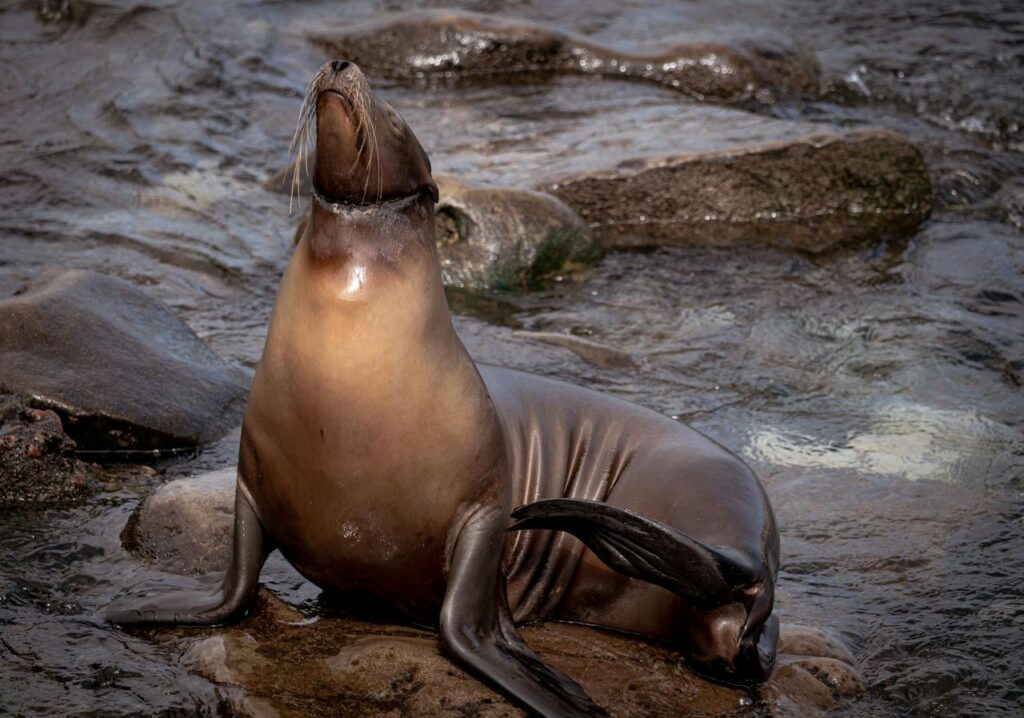
According to a report issued by the Committee of Fisheries of the Ministry of Agriculture of Kazakhstan, sea mammals in the coastal region of Mangistau region are dying at an alarming rate. On March 31, whilst monitoring the Kazakh coast of the Caspian Sea, fisheries inspection staff alongside the local executive body, discovered 16 seal carcasses, bringing the total of dead seals found this year to 78. Only one of the carcasses showed signs of physical damage. To ascertain the cause of death, samples of tissues of internal organs as well as fangs, claws and hair, were taken from 20 carcasses for examination by scientists at the Institute of Hydrobiology and Ecology. "Two major factors influence the death of Caspian seals: natural and anthropogenic," researcher Zhazira Sydykova told The Times of Central Asia. "The anthropogenic factor includes pollution of the Caspian seals' habitat, the impact of fishing and poachers' nets, as well as the extraction of oil products, which has a very negative impact on the Caspian seals' population. The natural factor we can attribute to ice drift and the death of seals during extremely warm winters." The samples are being currently being processed, and only after receiving the results will scientists be able to more accurately identify the mammals' cause of death. Until then, experts are reluctant to offer even a hypothetical explanation. Sydykova did however, highlight the fact that the institute has been monitoring the periodicity of emissions into the Caspian Sea on an annual basis since 2017. Data from the coastal zone is usually taken each spring but emissions are sometimes detected as late as autumn. The last significant death toll in the seal population was recorded back in 2021. Several pregnant cows were found amongst the carcasses. Based on the presence of traces of toxins and heavy metals in the animals' tissues, experts attributed the cause of death to pollution by heavy gases and in particular, hydrogen sulfide. The Institute of Hydrobiology and Ecology is now looking at ways to prevent the death of Caspian seals including the introduction of environmental requirements for shipping companies and the extraction of hydrocarbon resources. Scientists have also called for a stricter compliance with certain regulations and more thorough reportage on all industrial discharges released into the sea to improve their ability to monitor environmental changes and take appropriate measures.
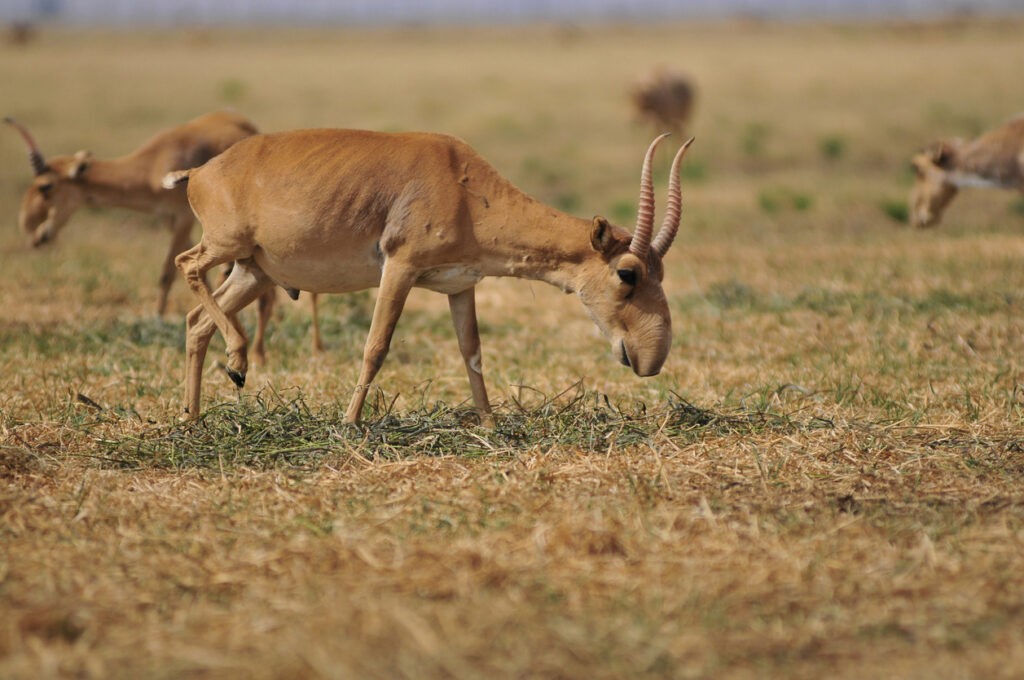
Kazakhstan's steppe is now home to booming numbers of saiga antelope, with the country's authorities and environmentalists pulling together to revive the country's iconic species. News that the saiga population is no longer classified as "endangered" has reached the Hollywood actor Leonardo diCaprio, who recently wrote on his Instagram page: "This unprecedented recovery reflects the remarkable conservation of saigas in Kazakhstan. A species that once numbered 48,000 in 2005 has now grown to over 1.9 million individuals in the wild." The animal is, however, still listed as "threatened" in Kazakhstan. The Kazakh Ministry of Ecology estimates that the saiga population will rise above 2.6 million after the calving season this year. However, as their number has grown, the Kazakh authorities have reclassified the saiga as a species that may be hunted. Environmental scientists in the West Kazakhstan region have calculated that around 340,000 adult saigas -- around 18% of the population -- can be culled this year, to which end over 40,000 have already been killed. Saiga meat is sold in stores and bazaars in Kazakhstan, often to be used in stews, and is also found online on the Russian marketplace Ozon. Kazakh society is divided about the treatment of these indigenous antelopes. Some support the cull by pointing out the damage that they cause to crops, which lost the West Kazakhstan region alone over $25 million last year. Others argue that saiga hunting, if not properly regulated, could lead to poaching and the resale of saiga antlers on the black market. This could lead to another drastic decline in a species that has been thriving in recent years.
British company Concrete Canvas Ltd. has established an office in Kazakhstan with the intention of building a plant to produce geosynthetic cement composite mats that eliminate water loss during filtration. The decision, which comes in the wake the company’s abandonment of plans to localize production in Russia due to the geopolitical situation, was embraced by Kazakhstan’s national investment promotion company Kazakh Invest. During a meeting on April 4 in Astana, chairman Yerzhan Yelekeyev assured UK representatives of the Kazakh company’s comprehensive support in realizing the project. According to Concrete Canvas Ltd. the employment of their innovative technology will solve Kazakhstan’s recurring problems regarding the construction and renovation of irrigation systems. Once implemented, the project will significantly improve operational reliability, eliminate water loss in the country's agro-industrial sector, and cut expenditure on the renovation of canals, protective dams, and other civil infrastructure facilities.
According to Kazakhstan’s Ministry of Energy, in 2023, the volume of electricity generated by renewable energy facilities reached 6.675 billion kWh or 5.92% of the country’s total electricity. Kazakhstan currently boasts 147 renewable energy facilities including 59 wind power plants with a capacity of 1,409.55 MW, 46 solar power plants with a capacity of 1,222.61 MW, 39 hydroelectric power plants with a capacity of 269.6 MW, and three biogas power plants with a capacity of 1.7 MW. In 2023, sixteen renewable energy facilities with a total installed capacity of 495.57 MW were put into operation, including 12 wind farms with a total capacity of 437.1 MW in the Akmola and Zhetisu regions, 2 hydroelectric power plants with a total capacity of 3.7 MW in the Almaty and Turkestan regions, and 2 solar power plants with a capacity 54.77 MW in the Turkestan region. Kazakhstan is forecast to commission a further 25 renewable energy facilities with a total capacity of 599.85 MW by 2027.
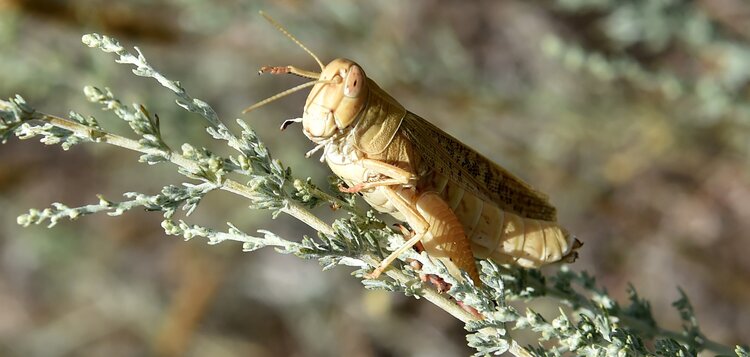
At a government meeting on locust control on March 28th, Kazakhstan’s Deputy Minister of Agriculture, Azat Sultanov reported that this year, locust swarms are predicted to hit 2.5 million hectares of agricultural land in Kazakhstan, compared to 1.6 million hectares in 2023. The largest locust invasions are expected in the regions of Aktobe (784 thousand hectares), Kostanay (776 thousand hectares), and Turkestan (271 thousand hectares). The country currently has enough stock of pesticides to treat 1.1 million hectares of land. Including pre-orders of chemicals to cover a further 323.6 thousand hectares, and new contracts to treat 607.5 thousand hectares, the central warehouse will be equipped to treat 2.09 million hectares by April 20th. The southern Turkestan region will likewise, begin treating its territory with chemical treatments against locusts at the end of the month. Kazakhstan has seen a drastic increase in agricultural land being hit by locusts, rising from 514,000 hectares in 2020 to 1.6 million hectares in 2023, and is expected to peak in 2024. According to the UN’s Food and Agriculture Organization, locust outbreaks pose a severe threat to agriculture in the South Caucasus and Central Asia, with more than 25 million hectares and 20 million people in the region rendered vulnerable by damage inflicted by these migratory pests.