• KGS/USD = 0.01144 0%
  • KZT/USD = 0.00204 0%
  • TJS/USD = 0.10429 0.29%
  • UZS/USD = 0.00008 0%
  • TMT/USD = 0.28490 0%
  • KGS/USD = 0.01144 0%
  • KZT/USD = 0.00204 0%
  • TJS/USD = 0.10429 0.29%
  • UZS/USD = 0.00008 0%
  • TMT/USD = 0.28490 0%
  • KGS/USD = 0.01144 0%
  • KZT/USD = 0.00204 0%
  • TJS/USD = 0.10429 0.29%
  • UZS/USD = 0.00008 0%
  • TMT/USD = 0.28490 0%
  • KGS/USD = 0.01144 0%
  • KZT/USD = 0.00204 0%
  • TJS/USD = 0.10429 0.29%
  • UZS/USD = 0.00008 0%
  • TMT/USD = 0.28490 0%
  • KGS/USD = 0.01144 0%
  • KZT/USD = 0.00204 0%
  • TJS/USD = 0.10429 0.29%
  • UZS/USD = 0.00008 0%
  • TMT/USD = 0.28490 0%
  • KGS/USD = 0.01144 0%
  • KZT/USD = 0.00204 0%
  • TJS/USD = 0.10429 0.29%
  • UZS/USD = 0.00008 0%
  • TMT/USD = 0.28490 0%
  • KGS/USD = 0.01144 0%
  • KZT/USD = 0.00204 0%
  • TJS/USD = 0.10429 0.29%
  • UZS/USD = 0.00008 0%
  • TMT/USD = 0.28490 0%
  • KGS/USD = 0.01144 0%
  • KZT/USD = 0.00204 0%
  • TJS/USD = 0.10429 0.29%
  • UZS/USD = 0.00008 0%
  • TMT/USD = 0.28490 0%

Viewing results 1873 - 1878 of 3191

Assassination Plan by Criminal Group on Kyrgyz Leaders

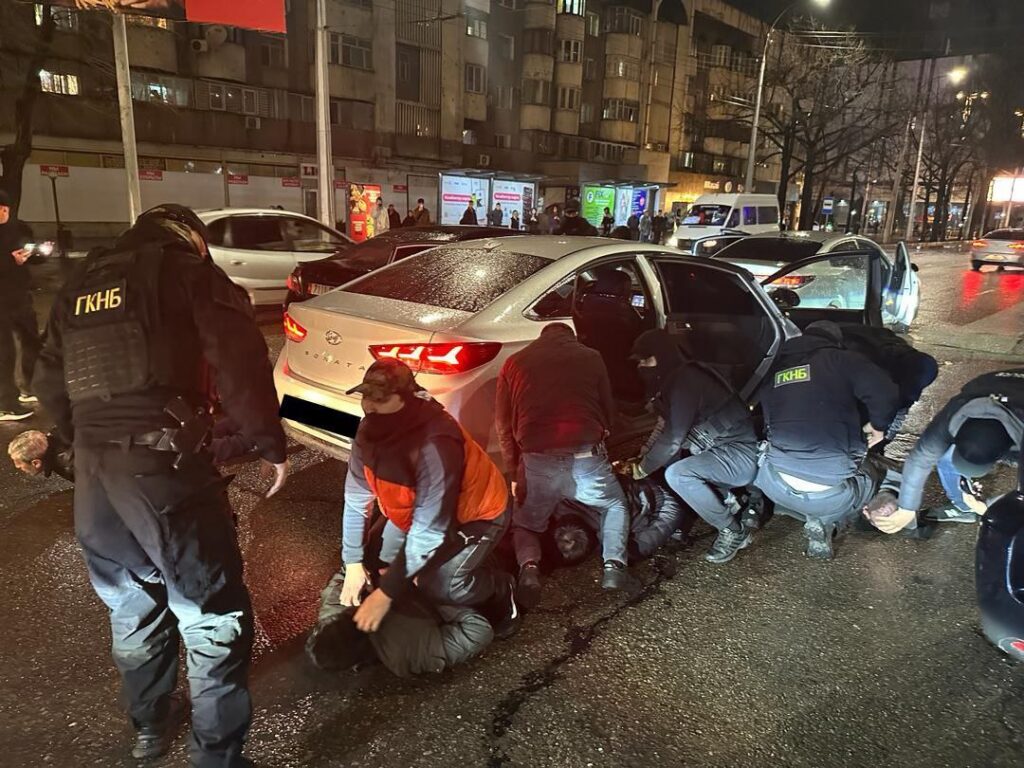
The State Committee for National Security of Kyrgyzstan (CNSK) has reported that members of a transnational organized criminal group, on the instruction of former Kyrgyz oligarch Rayimbek Matraimov, were preparing an assassination attempt on the country's top officials. The committee stated that the standard operating activities of Kyrgyz national-security organs led to the discovery of five citizens of Azerbaijan who under the leadership of a transnational organized criminal group, had arrived in Kyrgyzstan in order to strengthen their criminal enterprise and spread the group's ideology. However, according to the CNSK, the leader's main task was to organize an assassination attempt on the country's leadership in connection with the government's policy of fighting organised crime. Kyrgyz law enforcement claims that the leaders of the international criminal community are dissatisfied with the actions of the Kyrgyz authorities -- which force people involved in crime in the Commonwealth of Independent States (CIS) to abandon criminal plans. "In this regard, on March 22, employees of the CNSK carried out operational and investigative measures, as a result of which all the above-mentioned persons were detained. Currently, investigative measures are being carried out to bring them to justice, according to the laws of Kyrgyzstan," the CNSK said. Law enforcement claims that the assassination attempt on the Kyrgyz leaders was organized by Raimbek Matraimov, former deputy head of Kyrgyz customs, and a known corrupt oligarch. After being placed on the wanted list, Matraimov fled to Azerbaijan, where he remains at present. The CNSK sent a letter to Baku requesting the extradition of Matraimov to Bishkek in the belief that the former official is related to the currently detained Azerbaijanis. After the change of power in October 2020, Matraimov was accused of corruption in the customs service. The court ordered the former official to pay 2 billion som ($22.3 million) in damages and restitution back to the state. Matraimov pleaded guilty and paid the fines and penalties, in both cash and in the form of property. But, as Kyrgyz President Sadyr Japarov later noted, Matraimov continued to engage in "dark deeds" and was also accused of holding hostages. "Now Matraimov has been put on a wanted list. All his property in Osh and throughout Kyrgyzstan will be confiscated. We will not leave him even one hundredth [of a hectare] of land. Even if he returns, he will no longer be the former 'Rayim-million' (the oligarch's nickname). From now on, if he wants to live normally and feed himself, he should take a trading [stall] at the market..." said Kamchibek Tashiev, head of the CNSK at a meeting with workers at one of the markets previously owned by Matraimov. Last year, when the authorities engaged in a high-profile struggle with the leaders of organized crime groups, many so-called 'thieves in law' began, one after another, to publicly renounce criminal activity and promised to live by the law. Conversely, some leaders of Kyrgyzstan's criminal underworld were arrested and had their assets seized. One criminal mastermind when searched, was found to...
Extremists See Some Central Asian Communities as Fertile Recruiting Ground

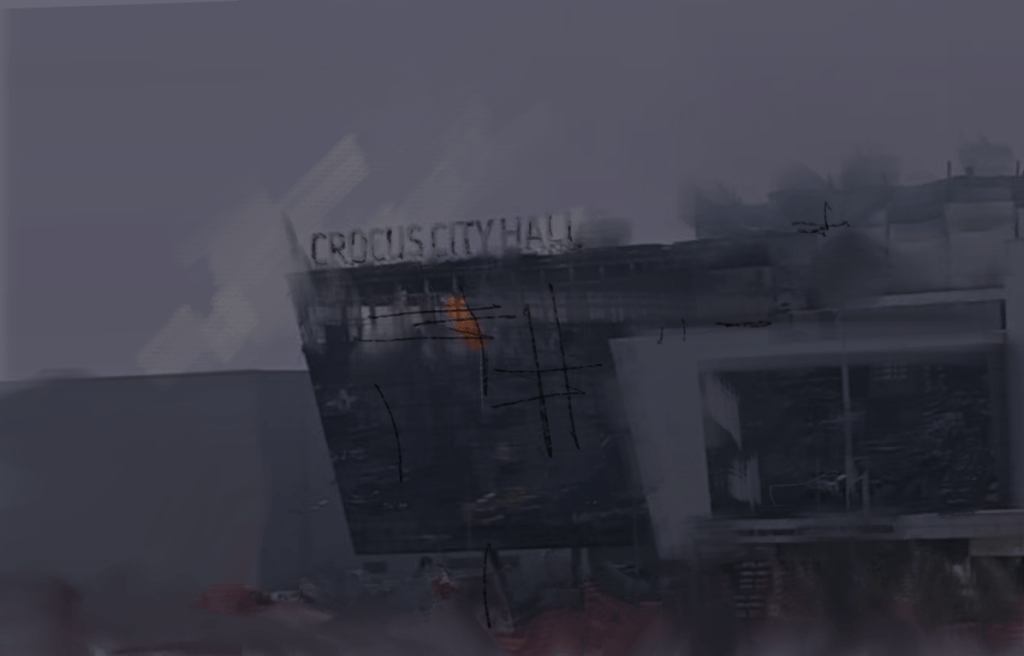
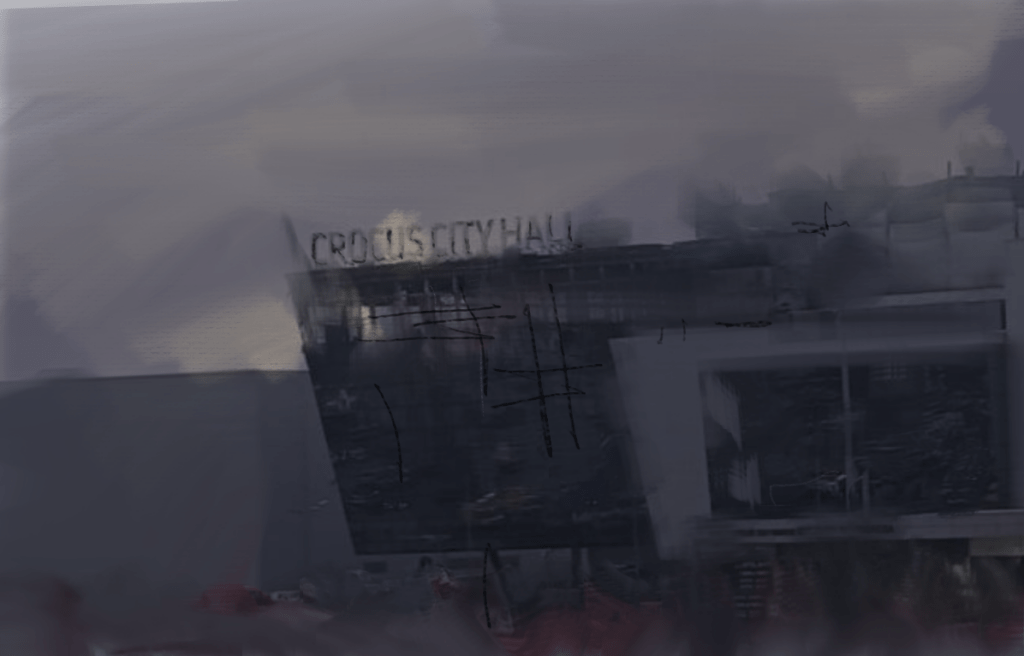
The deadly attack on the Moscow concert hall has focused attention on the large number of Central Asian migrants living – often in grim conditions - in Russia, as well as the possible vulnerability of some of them to recruitment by extremist groups. A Russian court on Sunday charged four migrant laborers from Taijikistan with terrorism in the attack at the Crocus City complex that killed about 140 people on Friday night, according to various media reports. The men appeared to have been badly beaten prior to their court appearances. The Islamic State group claimed responsibility for the attack. While Tajikistan has expressed concern that “fake information” about who was behind Moscow could scapegoat its citizens, terrorism experts have noted in recent years that extremists see some Central Asian communities as fertile ground for recruitment. A U.N. Security Council report last year highlighted the activities of the Islamic State branch in the historical Khorasan region, which includes Afghanistan and parts of Iran and southern Central Asia. The branch is known as ISIL-K. “Regional Member States estimated current ISIL-K strength at between 1,000 and 3,000 fighters, of whom approximately 200 were of Central Asian origin, but other Member States believed that number could be as much as 6,000,” the U.N. report said. It said the group’s propaganda magazine publishes in Pashto, Iranian, Tajik, Uzbek and Russian, and that outreach in the Tajik and Uzbek languages was “noteworthy” after an Uzbek national named Rashidov joined its media wing. Rashidov was recruited online while working as a migrant in Finland and he then moved to Afghanistan, the report said. The Islamic State branch is “bolstering its campaign to appeal to Central Asians in their home countries and in diasporas abroad,” Lucas Webber and Riccardo Valle wrote in a Hudson Institute analysis last year. It seeks to take advantage of “the deep-seated grievances that are present across Central Asia, Afghanistan, and Pakistan,” they wrote. Russia’s military intervention in Syria’s civil war as well as past campaigns in Chechnya and Afghanistan have made it a potential target for Muslim extremists, according to terrorism analysts. By some estimates, 10% of Tajikistan’s workforce of more than five million people have migrated to Russia. The vast majority are men. Most leave Tajikistan legally, though some end up in violation of the law because of administrative problems or more serious offenses. Workers’ remittances accounted for about one-third of Tajikistan’s annual GDP in 2019, according to the bank report. Tajik officials have been trying to generate job growth to reduce the economy’s dependency on money sent by its citizens abroad. In Russia, many migrants live in hostels and overcrowded apartments, enduring poor hygiene and health. “The majority of migrants, low skilled and economically desperate, are willing to accept any working conditions. Most migrants also have nearly zero legal literacy,”  the Asian Development Bank said in a 2020 report on labor migration in Tajikistan. “These conditions can lead to labor exploitation by employers and police abuse and extortion by criminal gangs,” the report...

Death Toll Rises to 137, as Russia Continues With Ukraine Narrative

On Monday, the Kremlin updated the death toll from Friday’s terror attack at the Crocus City Hall to 137, with another 182 confirmed injured. This came after the four suspects appeared in court, charged with committing a terrorist act. Russia’s former president and prime minister, Dmitry Medvedev, spoke of imposing the death penalty for the first time in Russia since 1996, stating, “Should they be killed? Necessary. And it will be. But it is much more important to kill everyone involved. Everyone. Who paid, who sympathized, who helped. Kill them all.” In the wake of the devastating attack, Russia has escalated security measures at crucial transportation centers and postponed several public gatherings including concerts and at sports events. The recent violence undermines the sense of safety and order within its borders that many Russians have long associated with President Vladimir Putin's reign. Despite the Afghanistan branch of the Islamic State group (ISKP) having claimed responsibility for the mass shooting on Friday night, releasing video footage related to the attack and claiming sole responsibility, Russia has continued to attempt to pin responsibility on Ukraine. On Monday, Maria Zakharova, Russia's Foreign Ministry spokesperson, wrote in an article for the Komsomolskaya Pravda newspaper, “Attention – a question to the White House: Are you sure it’s Isis? Might you think again about that?” As those detained were apprehended carrying Tajik passports, a large numbers of Tajik migrants who live in Russia, many enduring difficult conditions in hostels while struggling to find work, are now living in fear of reprisals. Tajikistan was among several Central Asian states that condemned the attack and sent condolences to relatives and friends of the dead. President Kassym-Jomart Tokayev of Kazakhstan spoke by telephone to Russian President Vladimir Putin on Saturday, Kazakhstan’s presidential press office said. “The head of our state strongly condemned the brutal act of violence against civilians and reaffirmed solidarity with Russia in the fight against terrorism,” the press office said. Kazakhstan has offered the help of its law enforcement agencies to Russia if needed and Uzbekistan’s presidential office said those responsible for the attack “will be assured of the inevitability of punishment.” Bouquets of flowers were laid outside the Russian embassy in Astana, Kazakhstan. Video recorded by witnesses at the Moscow venue showed several gunmen roaming the atrium and other parts of the entertainment complex, opening fire on civilians. A large blaze also broke out at the building during the attack and was later extinguished. On Feb. 27, Russian Defense Minister Sergei Shoigu spoke of threats coming from extremists in Afghanistan and prioritized “ensuring military security in the Central Asian strategic area.” Shoigu said the number of ISKP militants in Afghanistan had increased by 15% in the past year. He said their key objectives were to spread radical ideology and to conduct subversive activities on the southern borders of the Collective Security Treaty Organization. The organization, CSTO, is a Russian-led security alliance that includes Belarus, Kazakhstan, Kyrgyzstan, and Tajikistan. “Radicals from Central Asia have accounted for...

Soyuz Launch Successful

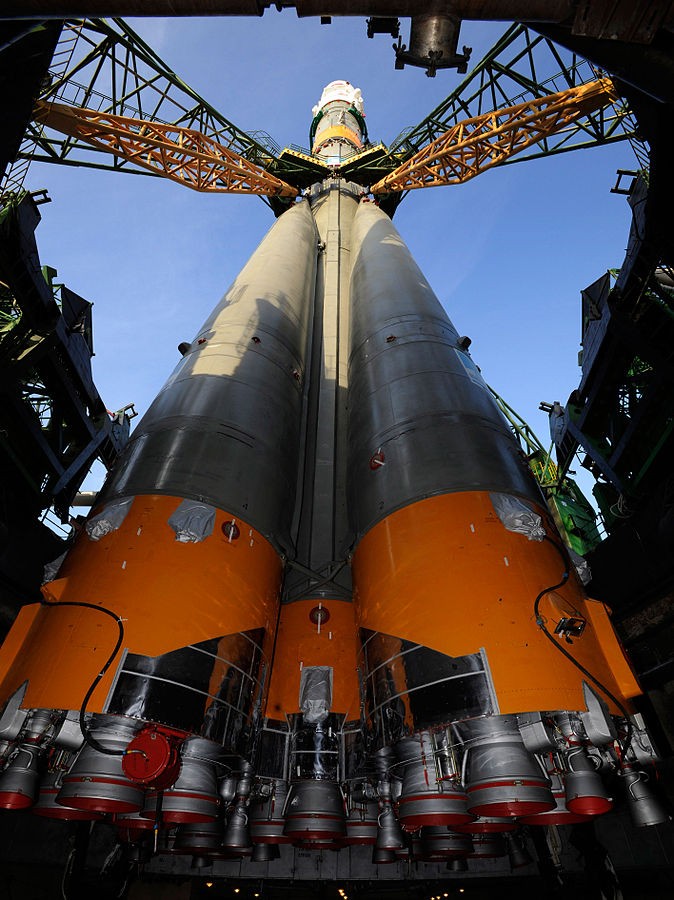
ALMATY, Kazakhstan - A Soyuz spacecraft is in orbit with three crew-members from Russia, Belarus and the United States after launching from the Baikonur Cosmodrome in Kazakhstan. The Soyuz is scheduled to dock at the International Space Station on Monday. Aboard are mission commander Oleg Novitsky of Russian space agency Roscosmos (his fourth trip to space), Belarusian Marina Vasilevskaya (her first trip) and NASA’s Tracy Caldwell Dyson (her third). The launch went smoothly from the Russia-operated site in southern Kazakhstan on Saturday. A previously planned launch was aborted with seconds to lift-off Thursday because of a technical problem. Coordination between the U.S. and Russian space agencies has continued despite international tension over the war in Ukraine. As previously reported by TCA, the launch was scheduled for the 21st, but was scrapped due to a “voltage drop in the chemical current source.”

Tajikistan Warns Against “Unverified” Reports About Moscow Attack

Tajikistan is warning against “fake information” about the alleged role of Tajik citizens in the attack that killed more than 100 people at a concert venue in Moscow. Tajikistan’s foreign ministry said on Saturday that it had not received confirmation from Russian authorities about any involvement of Tajiks in the attack at the Crocus City complex. The ministry asked media to rely on “official information” distributed by Russian authorities. The Afghanistan branch of the Islamic State group (ISKP) claimed responsibility for the mass shooting on Friday night. Telegram and other social media platforms are swirling with allegations that Tajik citizens were involved. Large numbers of Tajik migrants live in Russia, many enduring difficult conditions in hostels while struggling to find work. “We emphasize that the Tajik side has not received any confirmation from the Russian authorities regarding the currently circulating fake information about the involvement of citizens of Tajikistan,” the ministry said in a statement. “Keep in mind that the dissemination of unverified and unreliable information could harm the citizens of Tajikistan currently abroad,” the ministry said. Russia said it has arrested 11 suspects and that an investigation is ongoing. Tajikistan was among several Central Asian states that condemned the attack and sent condolences to relatives and friends of the dead. President Kassym-Jomart Tokayev of Kazakhstan spoke by telephone to Russian President Vladimir Putin on Saturday, Kazakhstan’s presidential press office said. “The head of our state strongly condemned the brutal act of violence against civilians and reaffirmed solidarity with Russia in the fight against terrorism,” the press office said. Kazakhstan has offered the help of its law enforcement agencies to Russia if needed and Uzbekistan’s presidential office said those responsible for the attack “will be assured of the inevitability of punishment.” Several bouquets of flowers were laid outside the Russian embassy in Astana, Kazakhstan. Video recorded by witnesses at the Moscow venue showed several gunmen roaming the atrium and other parts of the entertainment complex, opening fire on civilians. A large blaze also broke out at the building during the attack and was later extinguished. On Feb. 27, Russian Defense Minister Sergei Shoigu spoke of threats coming from extremists in Afghanistan and prioritized “ensuring military security in the Central Asian strategic area.” Shoigu said the number of ISKP militants in Afghanistan had increased by 15% in the past year. He said their key objectives were to spread radical ideology and to conduct subversive activities on the southern borders of the Collective Security Treaty Organization. The organization, CSTO, is a Russian-led security alliance that includes Belarus, Kazakhstan, Kyrgyzstan, and Tajikistan. “Radicals from Central Asia have accounted for a notable share of recent Islamic State-inspired or -directed plots and attacks in the United States, Europe, Turkey, and Iran,” Lucas Webber and Riccardo Valle wrote in a Hudson Institute analysis last year. In September 2022, ISKP – which vehemently opposes Russia’s support for the regime of Bashar al-Assad in Syria - claimed responsibility for a suicide bombing at the Russian embassy in Kabul...

Kyrgyzstan to Start Producing Chevrolet, Isuzu Cars This Year

A joint Kyrgyz-Uzbek factory for the production of Chevrolet and Isuzu cars is currently under construction in Kyrgyzstan. Several years ago the Kyrgyz and Uzbek governments agreed to build the plant, near Bishkek. Since then the authorities of both countries have been solving legal and investment issues related to the project. They also discussed taxation of the new enterprise and a grace period to allow the plant to get up and running.  As a result, at the beginning of 2023 Kyrgyz deputies approved the agreement and the builders started to erect production lines for the car assembly plant. The parties wanted to launch the plant last year, but the deadlines for completion of work were repeatedly pushed back. Production of Chevrolet and Isuzu cars began in Uzbekistan in 2007 at a joint venture Daewoo plant. As representatives of the Uzbek company noted earlier, Kyrgyzstan is one of the priority markets for the expansion of production, as the China-Kyrgyzstan-Uzbekistan road corridor reduces the time it takes to deliver components, making car assembly cheaper. According to the Kyrgyz government, the plant should begin operations in the second quarter of this year, and the first car should roll off the assembly line in late May. At the initial stage, Uzbekistan's UzAuto Motors should invest $50 million and produce 10,000 cars in the first year -- with the enterprise creating more than 1,000 permanent jobs. The first model produced at the plant will be the Chevrolet Nexia R3. According to agreements between Bishkek and Tashkent, the first stage will include Uzbekistan bringing components in the form of large assemblies ready for installation into Kyrgyzstan. During the second stage, targeted to start in four years, the plant will produce automobile components independently -- and produce about 20,000 cars a year. In the sixth year of operation, according to the plan, the Kyrgyz plant will perform a variety of technological operations, including body welding and painting, and should produce about 30,000 cars per year.