• KGS/USD = 0.01144 0%
  • KZT/USD = 0.00211 0%
  • TJS/USD = 0.10454 -0.1%
  • UZS/USD = 0.00008 0%
  • TMT/USD = 0.28571 0.28%
  • KGS/USD = 0.01144 0%
  • KZT/USD = 0.00211 0%
  • TJS/USD = 0.10454 -0.1%
  • UZS/USD = 0.00008 0%
  • TMT/USD = 0.28571 0.28%
  • KGS/USD = 0.01144 0%
  • KZT/USD = 0.00211 0%
  • TJS/USD = 0.10454 -0.1%
  • UZS/USD = 0.00008 0%
  • TMT/USD = 0.28571 0.28%
  • KGS/USD = 0.01144 0%
  • KZT/USD = 0.00211 0%
  • TJS/USD = 0.10454 -0.1%
  • UZS/USD = 0.00008 0%
  • TMT/USD = 0.28571 0.28%
  • KGS/USD = 0.01144 0%
  • KZT/USD = 0.00211 0%
  • TJS/USD = 0.10454 -0.1%
  • UZS/USD = 0.00008 0%
  • TMT/USD = 0.28571 0.28%
  • KGS/USD = 0.01144 0%
  • KZT/USD = 0.00211 0%
  • TJS/USD = 0.10454 -0.1%
  • UZS/USD = 0.00008 0%
  • TMT/USD = 0.28571 0.28%
  • KGS/USD = 0.01144 0%
  • KZT/USD = 0.00211 0%
  • TJS/USD = 0.10454 -0.1%
  • UZS/USD = 0.00008 0%
  • TMT/USD = 0.28571 0.28%
  • KGS/USD = 0.01144 0%
  • KZT/USD = 0.00211 0%
  • TJS/USD = 0.10454 -0.1%
  • UZS/USD = 0.00008 0%
  • TMT/USD = 0.28571 0.28%

Viewing results 979 - 984 of 2359

Kazakhstan and Russia Increase Rail Cargo Transportation to and from China

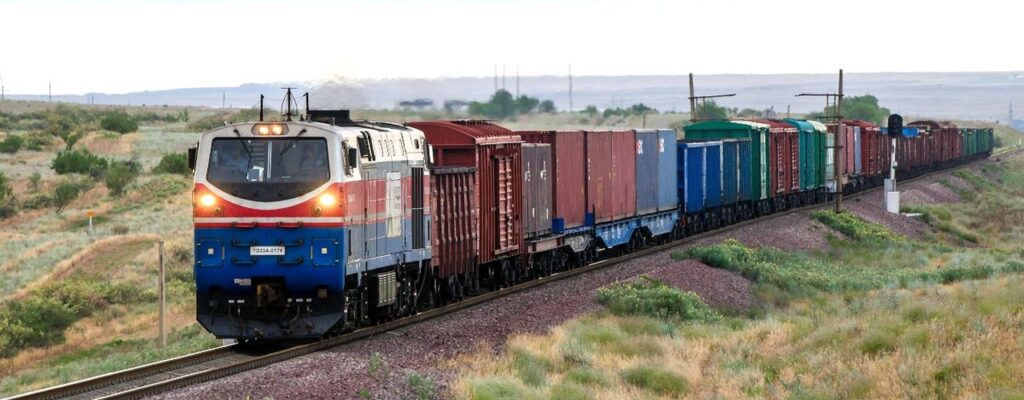
On October 18, Kazakhstan's Deputy Prime Minister Serik Zhumangarin, and Russia's Deputy Chairman of the Government Alexey Overchuk attended a meeting of the Intergovernmental Commission on Cooperation in Moscow, on Kazakhstan and Russia's transport and logistics sectors. As reported by the Kazakh government's press service, between January and September 2024, the volume of containers transported by rail from Russia to China through Kazakhstan, increased by 63% compared to the same period in 2023, while container transportation along the China-Europe-China route through Russia and Kazakhstan increased by 65%. During the meeting an agreement was made to further increase the flow of container trains on the China-Kazakhstan-Russia route by constructing the necessary transport infrastructure at the Selyatino rail station in the Moscow region. In April,  Kazakhstan’s national railway’s company Kazakhstan Temir Zholy (KTZ), Russia’s Slavtrans-Service JSC, and China’s Xian Free Trade Port Construction and Operation Co., Ltd began construction on a new transport and logistics center, CRK Terminal, at Selyatino, aimed at ensuring the efficient handling of cargo following the route Xi'an (China) - Dostyk/Altynkol (Kazakhstan) - Selyatino (Russia). The center is set to become an essential link in developing international transport corridors and increase the competitiveness of transportation through Kazakhstan. In 2023, the volume of cargo transported by rail between China and Russia through Kazakhstan amounted to 3.8 million tons, an increase of 35% compared to 2022. Kazakhstan also remains an important transit and transport link along the Trans-Caspian International Transport Route (TITR), which known as the Middle Corridor, connects China and Europe via Central Asia and the Caucasus.
Ashgabat Hosts Turkic Writers’ Forum

On October 18-19, leading cultural and literary figures gathered in Ashgabat, to attend a forum of Turkic writers organized within the program “Anau—Cultural Capital of the Turkic World 2024". With a focus on the importance of preserving and developing common cultural heritage, the event attracted representatives of the writers' unions of Turkey, Kyrgyzstan, Uzbekistan, and Kazakhstan, as well as prominent cultural figures of Turkmenistan. Honored guests included Ulugbek Esdevlet, president of the TURKSOY Writers' Union, and Sultan Raev, secretary general of the organization, who in his address, emphasized: “This forum is a unique platform for demonstrating the rich literary heritage of the Turkic world and passing on our common cultural heritage to future generations.” During the forum, the Union of TURKSOY Writers held a meeting to discuss promising projects for developing the literature of Turkic-speaking peoples, including programs to support young authors, the expansion of translation activities, and the organization of international literary contests. In addition to complementary activities such as poetry readings, the forum afforded students from the Turkmen State Institute of Culture, a unique opportunity to engage with prominent writers.

OTS Countries Take Steps Towards Turkic Integration

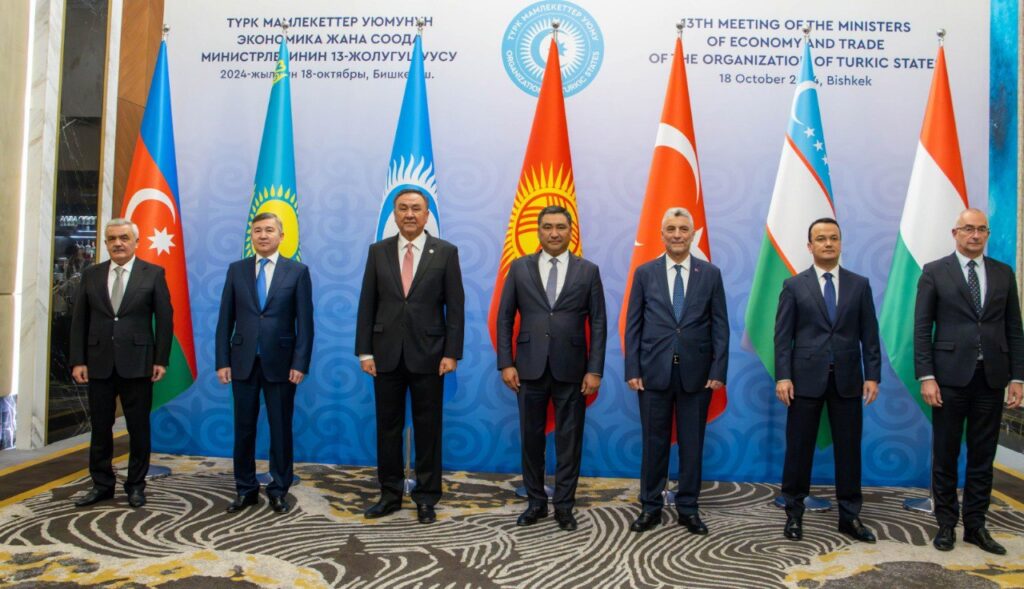
On October 18, Bishkek hosted the 13th meeting of the Organization of Turkic States (OTS), wherein Ministers of Economy and Trade aimed to strengthen economic cooperation between the OTS member states. The OTS, currently comprising Azerbaijan, Kazakhstan, Kyrgyzstan, Turkey, Uzbekistan, and Turkmenistan, with Hungary and the Turkish Republic of Northern Cyprus as observers, was founded in 2009 to foster comprehensive cooperation among Turkic-speaking nations. During the meeting, Chairman of the Cabinet of Ministers of Kyrgyzstan, Akylbek Japarov, stated that in recent years, Kyrgyzstan's trade turnover with the OTS member states has grown by almost 62%, with Kyrgyz exports increasing by 54.6%, and imports by 66%. The Deputy Prime Minister - Minister of National Economy of Kazakhstan, Nurlan Baibazarov, emphasized Kazakhstan’s adherence to the development of Turkic integration and announced that the "Turkic Investment Fund created within the OTS demonstrates a common desire to expand economic and investment cooperation, implement joint investment projects, and attract capital, technology, and talent for our countries' dynamic growth and prosperity." OTS ministers supported Kazakhstan's initiatives to create a Green Finance Council, a Council of Central (National) Banks of the OTS member states, and the inauguration of the Turan Special Economic Zone in the Kazakh city of Turkestan, where the next meeting will be held. In January-August 2024, trade between Kazakhstan and the OTS countries amounted to $7.2 billion, and according to the Turkish Ministry of Finance, by the end of 2024, the Turkic states are poised to play an important role in the world economy, reaching an economic volume of $1.9 trillion and a population of 178 million. As previously reported by The Times of Central Asia,  the Turkic Investment Fund, with an authorized capital of $1 billion, will begin financing major joint projects of the OTS member countries from January 2025.

Uzbekistan Rejects Military Alliances and Maintains Observer Role in EAEU

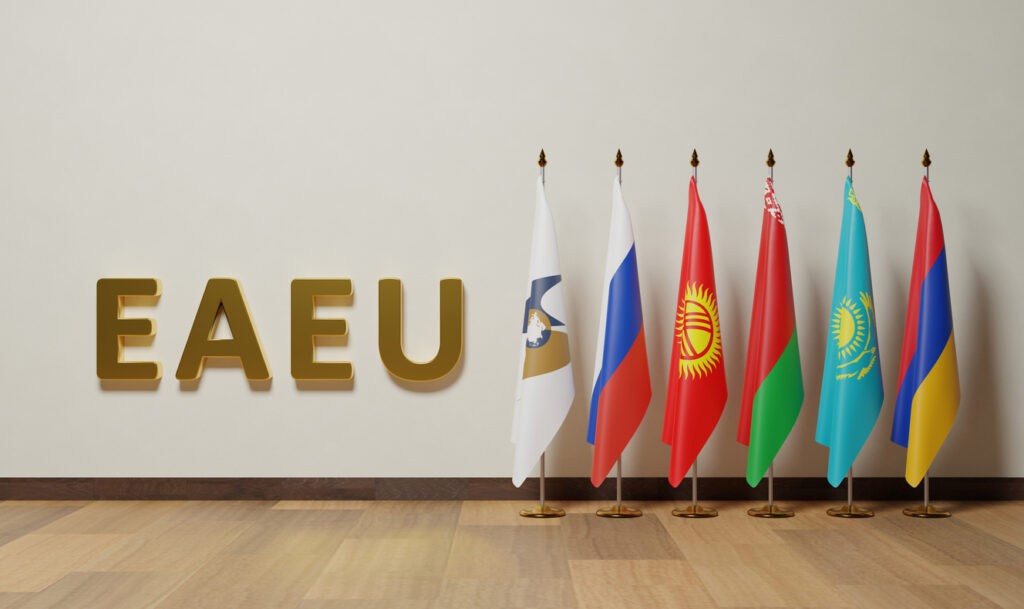
At the opening of the Week of International Partnership Initiatives in Tashkent, the first deputy speaker of the Legislative Chamber of the Oliy Majlis, Akmal Saidov, stated that Uzbekistan will not join any military formations and will remain an observer state in the Eurasian Economic Union (EAEU). Responding to a question on whether Uzbekistan would compromise its sovereignty to cooperate more closely with other countries, Saidov announced: “The first article of our constitution states that Uzbekistan is a sovereign state. If we are talking about joining any paramilitary defense structures and organizations, then no, we will not allow it. We will never send our men [overseas] on military missions, including peacekeeping missions. There will be no foreign military bases in our territory." Saidov also emphasized that Uzbekistan’s current status as an observer in the EAEU is the most appropriate for the country. As head of the parliamentary commission tasked with studying Uzbekistan’s potential accession to the EAEU, Saidov asserted that, after reviewing over a thousand documents, observer status better aligns with Uzbekistan’s interests. He further explained that Kazakhstan had gained minimal benefit from joining the EAEU and that the new Constitution strengthens and strictly follows the main principles of Uzbekistan’s foreign policy. Uzbekistan received observer status in the EAEU on December 11, 2020, during an online summit of the High Eurasian Economic Council, attended by President Shavkat Mirziyoyev.

Navigating Afghan-Pakistani Conflict: Central Asia’s Mediating Role in Regional Stability

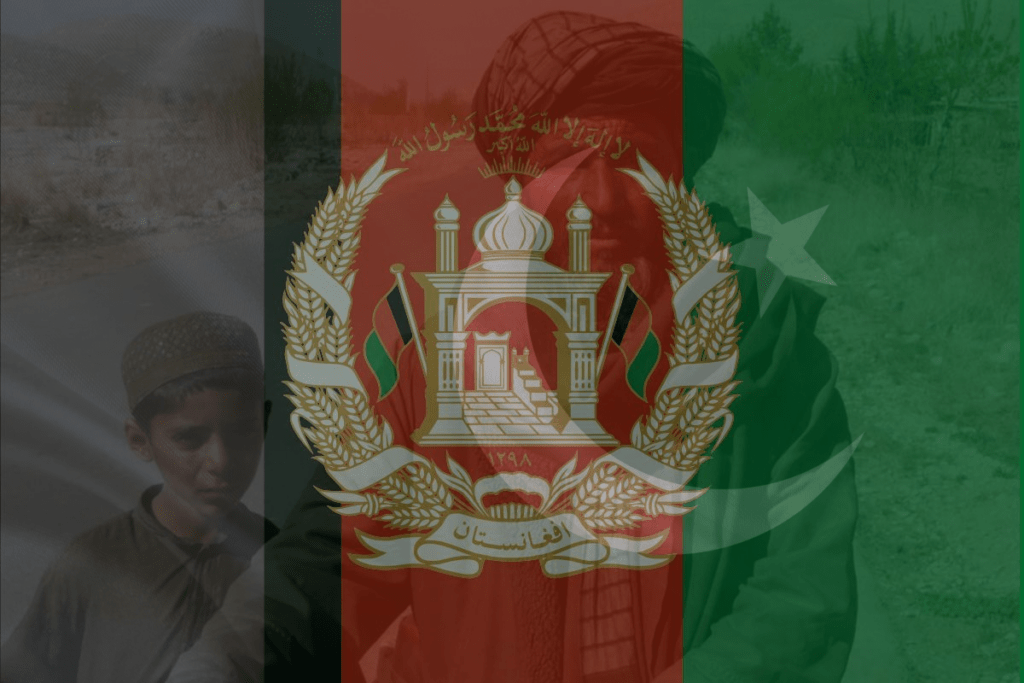
Recently, there has been a significant increase in tensions between Afghanistan and Pakistan, with both sides regularly exchanging accusations. In addition to this, border conflicts have become more frequent, with border crossings periodically closed. According to Modern Diplomacy, both countries are in a state of quite severe political conflict, and distrust and hostility from the Afghan population towards Pakistan is growing even though the "victory of the Taliban and the reincarnation of the Islamic Emirate... should have been a victory for Pakistan and strengthened its position in the region.” The confrontation between the two neighbors in South Asia is a source of concern for other countries in the region, especially for the Central Asian republics, which are increasingly acquiring the status of independent players in their dealings with Afghanistan. Due to their proximity, these republics to varying degrees link their development with a stable Afghanistan designed to become a bridge to South Asia. Negative dynamics in Afghan-Pakistani relations are a cause of much wringing of hands. Pakistan was among the first states to recognize the independence of the former Soviet Central Asian republics and has dynamic ties with them. Pakistan's trade turnover with the region is roughly $500 million annually, most of which comes from imports to Pakistan. The nations are linked by the Quadrilateral Traffic in Transit Agreement (QTTA), the Turkmenistan-Afghanistan-Pakistan-India (TAPI) gas pipeline project, the CASA-1000 energy project, and the Uzbekistan–Afghanistan–Pakistan Railway Project. The majority of these projects use Afghanistan as a bridge between Central Asia and Pakistan. In this regard, the countries of Central Asia are interested in a political situation which excludes confrontational approaches; none of them are interested in further destabilization in Afghanistan. In the Central Asian republics, there is a well-established understanding of Pakistan's exceptional and particularly important role in Afghanistan’s stability. Pakistan has a defining influence on security in Afghanistan and has historically been the most integrated in Afghan issues at the level of political and multi-ethnic conflicts. Pakistan is linked to its neighbor by historical and socio-cultural ties. In reality, however, a different story is emerging. At both a global and regional level, active measures out of Islamabad set to discredit the de facto Taliban-led government of Afghanistan have been observed. Islamabad has undertaken a robust information campaign, which has put forward an entrenched narrative about Afghanistan being one of the world’s major sources of terrorism. In this information war, Islamabad, being a fully-fledged member of the international community, has clear advantages and has used all available tools, including access to global platforms. Islamabad also has access to specialized committees and departments of the UN, which regularly prepare reports on the situation in Afghanistan. Unsurprisingly, it has used these to include ideas favorable its' position on the world stage. Acting as a source of information, Islamabad has presented its point of view, which the international community has largely accepted as objective information. However, it does not provide specific data, such as the size of terrorist groups or the location of their training camps....

Uzbekistan Hosts IV Tashkent Anti-Corruption Forum

On October 17, 2024, Uzbekistan hosted the IV Tashkent Anti-Corruption Forum, gathering over 250 participants, including officials, international experts, and representatives from civil society. The event was organized by Uzbekistan's Anti-Corruption Agency and partners including the European Union, GIZ (German International Cooperation), and the United Nations Development Programme (UNDP). The forum highlighted Uzbekistan’s progress in fighting corruption and improving its position in key international rankings, such as Transparency International’s Corruption Perceptions Index. Uzbekistan’s successful completion of the OECD’s 2023 anti-corruption evaluation, scoring over 86 points, making it the highest ranked country in Central Asia, was also praised. Key achievements include implementing a national anti-corruption program, creating a long-term strategy for 2030, and actively involving civil society in the fight against corruption. At the forum, a major milestone was the signing of an agreement between Uzbekistan’s Anti-Corruption Agency and the World Bank’s Integrity Vice Presidency to work together on training, projects, and research to combat corruption. The forum also featured discussions on using new technologies to prevent corruption, building a culture to resolve social conflicts, and addressing conflicts of interest through compliance systems.