• KGS/USD = 0.01144 0%
  • KZT/USD = 0.00218 0%
  • TJS/USD = 0.10621 0%
  • UZS/USD = 0.00008 0%
  • TMT/USD = 0.28530 0%
  • KGS/USD = 0.01144 0%
  • KZT/USD = 0.00218 0%
  • TJS/USD = 0.10621 0%
  • UZS/USD = 0.00008 0%
  • TMT/USD = 0.28530 0%
  • KGS/USD = 0.01144 0%
  • KZT/USD = 0.00218 0%
  • TJS/USD = 0.10621 0%
  • UZS/USD = 0.00008 0%
  • TMT/USD = 0.28530 0%
  • KGS/USD = 0.01144 0%
  • KZT/USD = 0.00218 0%
  • TJS/USD = 0.10621 0%
  • UZS/USD = 0.00008 0%
  • TMT/USD = 0.28530 0%
  • KGS/USD = 0.01144 0%
  • KZT/USD = 0.00218 0%
  • TJS/USD = 0.10621 0%
  • UZS/USD = 0.00008 0%
  • TMT/USD = 0.28530 0%
  • KGS/USD = 0.01144 0%
  • KZT/USD = 0.00218 0%
  • TJS/USD = 0.10621 0%
  • UZS/USD = 0.00008 0%
  • TMT/USD = 0.28530 0%
  • KGS/USD = 0.01144 0%
  • KZT/USD = 0.00218 0%
  • TJS/USD = 0.10621 0%
  • UZS/USD = 0.00008 0%
  • TMT/USD = 0.28530 0%
  • KGS/USD = 0.01144 0%
  • KZT/USD = 0.00218 0%
  • TJS/USD = 0.10621 0%
  • UZS/USD = 0.00008 0%
  • TMT/USD = 0.28530 0%

Viewing results 1033 - 1038 of 2468

Chinese Company to Build FMD Vaccine Production Plant in Kyrgyzstan

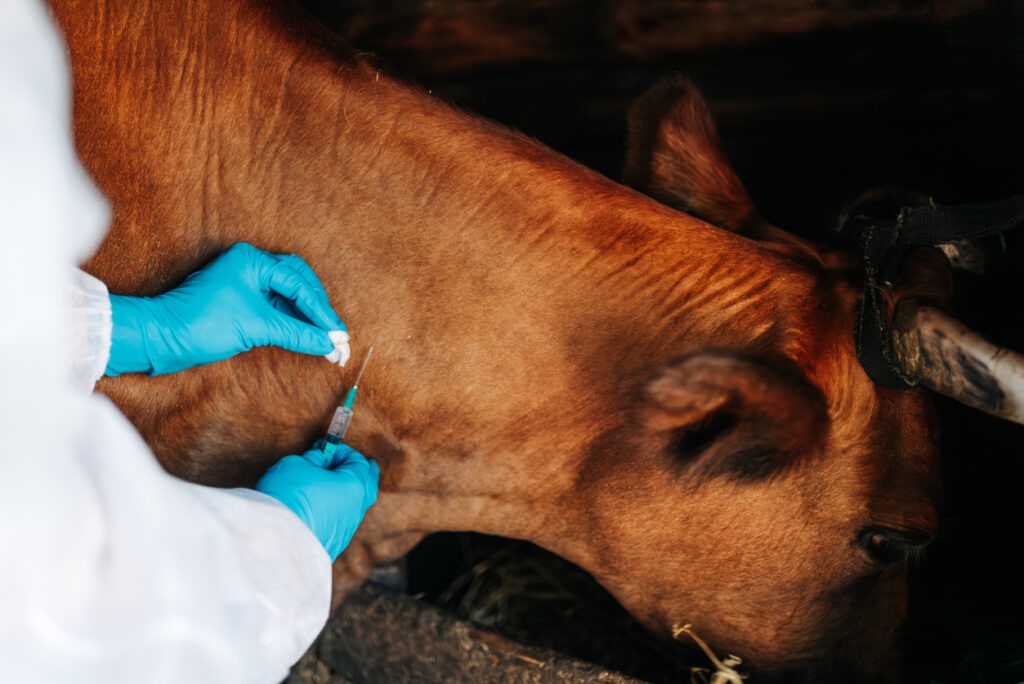
China’s Yangling Jinhai Biotechnology Co., Ltd. plans to build a plant in Kyrgyzstan to produce foot-and-mouth disease (FMD) vaccines, according to the country’s Ministry of Water Resources, Agriculture, and Processing Industry. The announcement followed a meeting between Kyrgyzstan’s Deputy Chairman of the Cabinet of Ministers and Minister of Water Resources, Agriculture, and Processing Industry, Bakyt Torobaev, and a delegation from the Chinese company. The project includes the entire production cycle, from raising and fattening livestock to vaccination and slaughtering. Yangling Jinhai Biotechnology Co., Ltd. is ready to invest in plant construction, transfer advanced technologies, and train local specialists. The parties agreed to establish a working group to implement the project. According to the World Organization for Animal Health,FMD is a severe and highly contagious viral livestock disease with a significant economic impact. It is a transboundary animal disease that profoundly affects livestock production and disrupts regional and international trade in animals and animal products. The parties emphasized the project's importance for strengthening Kyrgyzstan’s veterinary security, as domestically produced vaccines would significantly reduce the spread of infectious diseases among farm animals. Kyrgyzstan is an agricultural country, and livestock farming is the country's primary source of income for its rural population. In September 2024, the Ministry of Water Resources, Agriculture and Processing Industry reported that Kyrgyzstan had 1,802,299 head of cattle (cows), 542,527 horses, 6,216,125 sheep and goats, 6,988,968 poultry, and 29,676 pigs.
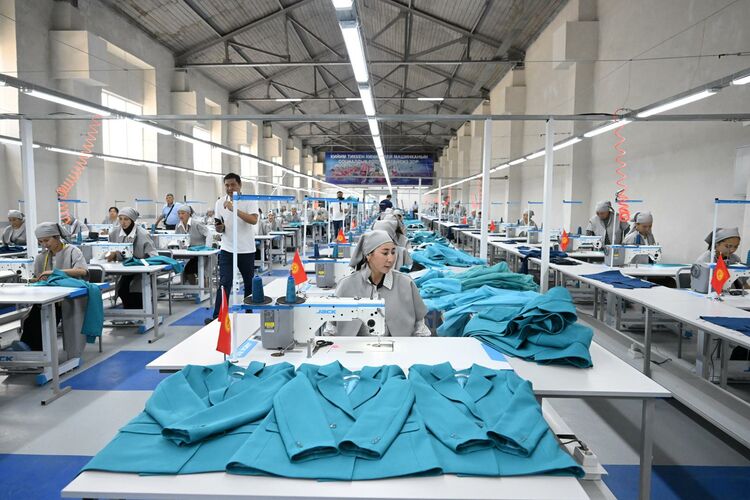
Kyrgyzstan Reports Growing Return Migration

Kyrgyzstan’s Ministry of Labor, Social Security and Migration and the International Organization for Migration (IOM) announced the results of their assessment of the country’s migration trends on October 15. The statistics show that return migration increased from 2020 to April 2024, and the number of migrants returning to Kyrgyzstan is continuing to grow. The number of returning migrants increased by 85% in 2023 compared to the previous year. Kyrgyzstan’s southern Osh and Batken regions and the northern Chui region lead the figures in the number of returning labor migrants. According to the report, the number of Kyrgyz citizens who plan to migrate once again to the country from which they have just returned has decreased by half. In June, the Speaker of the Kyrgyz Parliament, Nurlanbek Shakiyev said that more Kyrgyz people are returning from abroad, and over the past two years, the numbers have reached 241,000. Shakiyev cited the opening of many new industrial enterprises in Kyrgyzstan in recent years as a reason for growing return migration, emphasizing that Kyrgyz citizens can now earn more at home. Over the past 30 years, hundreds of thousands of Kyrgyz citizens have left their homeland as labor migrants, mainly for Russia. In the last couple of years, however, there has been a growing trend of return migration largely caused by Russia's deteriorating economic situation, depreciation of the ruble, stricter rules and harsher attitudes toward Central Asian immigrants, and increasing attempts by the Russian authorities to recruit Central Asian immigrants (with or without Russian passports) to join Russian troops fighting in Ukraine. According to a 2022 census by Kyrgyzstan’s National Statistics Committee, more than 876,000 Kyrgyz citizens (close to 15% of the country’s population) migrated abroad. The top five destination countries for Kyrgyz migrants were Russia (870,304), Kazakhstan (2,158), Turkey (1,828), Germany (336), and South Korea (240). The IOM report states that 328,458 Kyrgyz nationals have lived abroad since 2020. As of 2023, 79% live in Russia, 4.5% in Kazakhstan, and 4% in Turkey. According to the report, the primary drivers of migration were dissatisfaction with wages in Kyrgyzstan (26%), lack of job opportunities (17%), financial difficulties and debts (16%), and a perceived lack of prosperity in their homeland (10%). According to the National Bank of the Kyrgyz Republic, in 2023, remittances from Kyrgyz labor migrants totaled $2.144 billion, compared to $1.873 billion in 2022.

Inside Kazakhstan’s Nuclear Power Play

Kazakhstan recently held a referendum in which approximately 71% of voters supported the initiative to construct the country's first nuclear power plant (NPP). This project is part of Kazakhstan's broader strategy to diversify its energy mix, reduce dependence on coal, and address chronic energy shortages that have affected the country for years. As the world's largest uranium producer, Kazakhstan has abundant natural resources that make nuclear power a viable and strategic option. The government views nuclear power as crucial for enhancing energy independence and security, while also contributing to environmental sustainability by reducing greenhouse gas emissions. The goal is for nuclear energy to contribute about 5% of the national generation mix by 2035, marking a significant shift towards cleaner energy sources.   A strategic opportunity for Kazakhstan The NPP project is expected to be undertaken by an international consortium, the members of which are yet to be selected. Kazakhstan's balanced multi-vector foreign policy encourages the involvement of various potential partners, such as Russia's Rosatom, China's National Nuclear Corporation, South Korea's Hydro & Nuclear Power, and France's EDF. Kazakhstan's strategy for involving an international consortium aims to reduce potential geopolitical risks, particularly concerning Russia's Rosatom. Rosatom is a key player in the nuclear energy sector, but Western sanctions against Russian companies raise concerns about its involvement in Kazakhstan's project. By involving multiple international partners, Kazakhstan aims to prevent overreliance on any single country, such as Russia, and maintain a diversified approach to foreign relations. This approach allows Kazakhstan to leverage advanced technologies from multiple sources, foster innovation, improve efficiency, and reduce risks associated with the NPP's construction and operation. It also ensures that the best practices from leading global enterprises can be integrated into the project, enhancing overall safety and performance. Moreover, the involvement of international partners is likely to facilitate knowledge transfer, enabling Kazakhstan to build domestic expertise in nuclear energy. The estimated cost for the NPP is between $10 and $12 billion, with the expectation that contractors will secure financing. An international consortium could attract investment from multiple sources, including their own countries, thereby reducing Kazakhstan's financial burden for the project, inculcating resilience against uncertainties such as currency fluctuations, and distributing the risks among several stakeholders. As sanctions against Rosatom and broader economic concerns make sole reliance on Russian intolerably risky, attracting investment from multiple international stakeholders will also enable Kazakhstan to spread financial risks, thus enhancing the project's viability. A key strategic opportunity for Kazakhstan is to develop self-sufficiency in uranium enrichment. As the world's largest producer of uranium, Kazakhstan has the potential to enrich its own yellowcake, i.e., impure uranium obtained by processing uranium ore. Developing this capability would reduce Kazakhstan's dependence on Russia for enriched uranium imports and significantly enhance its energy independence. Japan serves as a relevant model for this, as it enriches uranium domestically under international safeguards for civilian nuclear use. Kazakhstan could pursue a similar approach under International Atomic Energy Agency (IAEA) supervision, ensuring compliance with its non-proliferation commitments under the Nuclear Non-Proliferation...

Kazakhstan, Kyrgyzstan and Uzbekistan Determine Operating Mode for Toktogul Reservoir

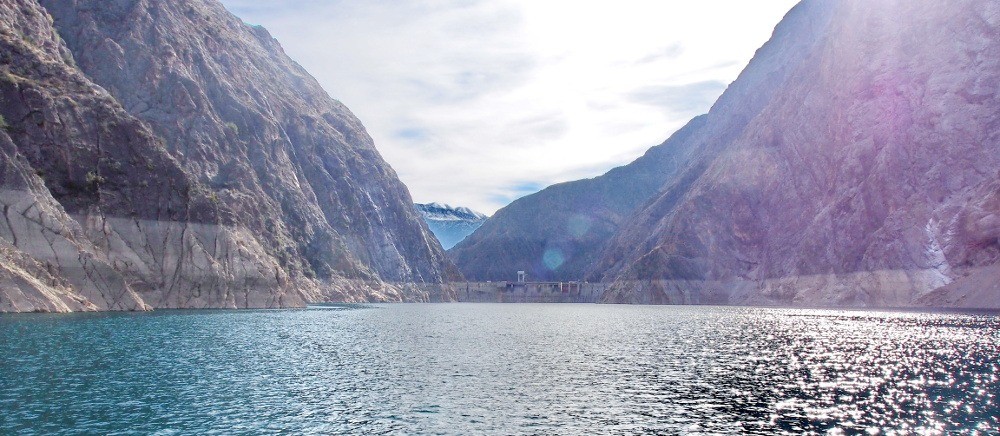
Following a meeting in Tashkent to coordinate the region's water and energy balance, ministers from Kazakhstan, Kyrgyzstan, and Uzbekistan determined a preliminary operating mode for Kyrgyzstan’s Toktogul reservoir for the autumn-winter period. Kyrgyzstan’s largest Toktogul hydroelectric power plant (HPP) reservoir on the Naryn River releases water downstream to Kazakhstan and Uzbekistan providing essential irrigation for fields in Kazakhstan's dry southern regions. In winter, the plant which produces around 40% of Kyrgyzstan’s electricity, releases more water to generate electricity to meet the country’s power shortages. Kazakhstan and Uzbekistan are now interested in helping Kyrgyzstan maintain a sufficient volume of water in the Toktogul reservoir for use during the 2025 irrigation season; a goal which could be achieved by exporting Kazakh and Uzbek electricity to Kyrgyzstan during the winter months. Commenting on the proposal, Kazakhstan’s Minister of Water Resources and Irrigation Nurzhan Nurzhigitov, stated: "An important area of cooperation for our countries is the water and energy sector. This year has become a vivid example of deepening such regional cooperation. We [Kazakhstan] have met our water needs thanks to the joint measures. For a downstream country, this is extremely important. First, it is used to fill the North Aral Sea. We will continue to adhere to the agreements reached for the autumn-winter period to provide farmers with irrigation water next year." The Kazakh Ministry of Water Resources and Irrigation announced on October 14 that the irrigation season had ended in all regions of the country and during the growing season, from April 1,  the Ministry supplied Kazakhstan's farmers with about 11.2 billion cubic meters of water.  Nurzhigitov also drew attention to the vital role of water diplomacy in preventing a shortage of irrigation water this year, with  Kyrgyzstan, Tajikistan, and Uzbekistan sending more water to Kazakhstan than planned. As previously  reported by The Times of Central Asia the Toktogul reservoir accumulated more water this year than last.

Uzbekistan’s Heritage Trees Added to International Monumental Trees List

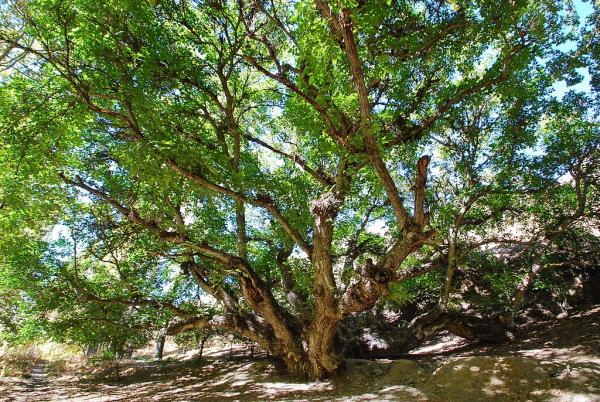
The Ministry of Ecology of Uzbekistan reports that it has participated in the compilation of data on the country's aged and relict trees for inclusion in the international list of MonumentalTrees.com. MonumentalTrees.com is an electronic record of perennial, rare, and unique tree species of international importance located throughout the world, aimed to protect and promote national natural heritage sites. Species found in Uzbekistan currently listed on MonumentalTrees.com. include: Eastern Biota (1500 years' old) in the Forish district of Jizzakh ; Sycamore ( over 1160 years' old) in the Urgut district of the Samarkand; Juniper ( over 1000 years' old), Hazel ( over 800 years' old) and Sycamore (around 600 years' old) in the Bostanlyk district of Tashkent , as well as Sycamore (some 900 years' old) in the village of Sayrob in the Boysun district of Surkhandarya; Sycamore (over 750 years' old) in the territory of the Dorus-Saodat Memorial Complex in the city of Shakhrisabz  in Kashkadarya , and a Boboyongok Hazel tree (about 700 years' old) in the Zomin national nature park in Jizzakh . Uzbekistan is the first Central Asian country and the third among the CIS republics to register its natural heritage species in this international list. Perennial trees located in Russia and Azerbaijan are also included.

Uzbekistan Joins International Agreement on Space Exploration

On October 10,  President Shavat Mirziyoyev signed a law sealing Uzbekistan's agreement on the activities of states on the exploration and use of outer space, including the Moon and other celestial bodies. The Outer Space Treaty was signed on January 27, 1967, by London, Moscow, and Washington. Since then, 115 countries have joined this agreement, and a further 22 have yet to ratify it. According to the CIS countries' rules, the Interstate Space Council chair is transferred among the participating countries in alphabetical order. Following Tajikistan, Uzbekistan will take the lead from 2024 to 2025. To this end, the Uzbekkosmos agency has announced a series of events in celebration of World Space Week, scheduled to take place in Uzbekistan in collaboration with NASA. This global event, commemorated in nearly 100 countries, was established by a UN General Assembly resolution in 1999 in recognition of the importance of space exploration.