• KGS/USD = 0.01144 0%
  • KZT/USD = 0.00215 0%
  • TJS/USD = 0.10680 0%
  • UZS/USD = 0.00008 0%
  • TMT/USD = 0.28530 0%
  • KGS/USD = 0.01144 0%
  • KZT/USD = 0.00215 0%
  • TJS/USD = 0.10680 0%
  • UZS/USD = 0.00008 0%
  • TMT/USD = 0.28530 0%
  • KGS/USD = 0.01144 0%
  • KZT/USD = 0.00215 0%
  • TJS/USD = 0.10680 0%
  • UZS/USD = 0.00008 0%
  • TMT/USD = 0.28530 0%
  • KGS/USD = 0.01144 0%
  • KZT/USD = 0.00215 0%
  • TJS/USD = 0.10680 0%
  • UZS/USD = 0.00008 0%
  • TMT/USD = 0.28530 0%
  • KGS/USD = 0.01144 0%
  • KZT/USD = 0.00215 0%
  • TJS/USD = 0.10680 0%
  • UZS/USD = 0.00008 0%
  • TMT/USD = 0.28530 0%
  • KGS/USD = 0.01144 0%
  • KZT/USD = 0.00215 0%
  • TJS/USD = 0.10680 0%
  • UZS/USD = 0.00008 0%
  • TMT/USD = 0.28530 0%
  • KGS/USD = 0.01144 0%
  • KZT/USD = 0.00215 0%
  • TJS/USD = 0.10680 0%
  • UZS/USD = 0.00008 0%
  • TMT/USD = 0.28530 0%
  • KGS/USD = 0.01144 0%
  • KZT/USD = 0.00215 0%
  • TJS/USD = 0.10680 0%
  • UZS/USD = 0.00008 0%
  • TMT/USD = 0.28530 0%

Viewing results 145 - 150 of 756

Attacks on Doctors Surge in Kyrgyzstan Amid Systemic Failures

A recent spate of violent assaults on doctors in Kyrgyzstan has sparked growing concern within the healthcare sector. Over the past week alone, multiple incidents of medical staff being physically attacked have been reported at the National Hospital in Bishkek, with relatives of patients identified as the primary perpetrators. The first major incident involved a young resident doctor who was providing emergency treatment to a patient suffering from a severe nosebleed. According to local media reports, the patient's relatives attempted to interfere during the treatment and later assaulted the doctor as he accompanied the patient to a hospital ward. The doctor sustained a concussion, and his uniform was torn during the altercation. In a controversial move, police officers responding to the scene did not detain the attackers. Instead, they arrested the injured doctor, citing his use of obscene language. A court later sentenced him to three days of administrative detention. Human rights advocates say the doctor was denied legal counsel. Despite mobile phone video footage recorded by the doctor and corroborating statements from hospital staff, law enforcement agencies reportedly ignored this evidence. “The patient is much better, he received the necessary treatment and has been stable since. His relatives, however, acted with arrogance and cruelty toward medical personnel, seemingly convinced of their own impunity,” said Barmet Baryktabasova, chair of the Medical Trade Union. Just days later, a second assault occurred at the same hospital, this time targeting an emergency department physician. Although the attack was captured on CCTV, police again refrained from detaining the perpetrators, issuing only vague statements. The Medical Trade Union has announced plans to file formal appeals to the President’s Office, the Ministry of Health, the Prosecutor General, and the State Committee for National Security. The union argues that violence against medical professionals is becoming systemic and poses a threat to the integrity of Kyrgyzstan’s already strained healthcare infrastructure. Health Minister Erkin Checheibaev condemned the assaults in a public Facebook post: “There is lawlessness against doctors! The man who attacked the doctor must be punished. This sets a dangerous precedent when attackers face no consequences.” He emphasized the urgent need to protect the dignity and physical safety of medical personnel, warning that failure to act could lead to a severe staffing crisis in the coming years. This is not the first wave of violence against healthcare workers in Kyrgyzstan. In 2023, following several incidents, the National Hospital briefly enhanced security by installing panic buttons, surveillance cameras, and hiring private guards. However, these measures were later rolled back due to budget constraints. Currently, the average salary for public sector healthcare workers in Kyrgyzstan ranges from $300 to $400 per month. Combined with long hours and frequent high-stress situations, poor compensation is prompting many experienced professionals to exit the system. The government has pledged to implement healthcare funding reforms over the next three to four years, but many in the medical community fear those changes will come too late.

“Be a Man”: Bishkek Vice Mayor Detained in Public Showdown

The Vice Mayor of Bishkek, Zhamalbek Yrsaliev, has been detained during a public meeting in the Tunguch neighborhood, presided over by Kamchybek Tashiyev, the controversial Chairman of Kyrgyzstan’s State Committee for National Security (GKNB). Residents at the July 16 meeting accused Yrsaliev of illegally occupying a 1,500 m² municipal land plot where unauthorized commercial kiosks and children's attractions had been operating for six years without any lease payments. According to Economist.kg, this misuse cost the city budget over 2.9 million Kyrgyz som ($33,160), and stalled the planned development of a public square and playground. During the meeting, Tashiyev confronted Yrsaliev directly. In a moment caught on video, he told the vice mayor to take responsibility for his actions and “Be a man,” ordering the security services to detain him immediately. Officers escorted Yrsaliev from the event to the GKNB headquarters. According to Sputnik Kyrgyzstan, Yrsaliev admitted responsibility and apologized, but Tashiyev continued to reprimand him, telling Yrsaliev, “You will not deceive the people.” The investigation is ongoing. The charges against Yrsaliev include abuse of office and corruption. Alongside him, officials from the Lenin and Oktyabr district administrations were also detained during the same operation, according to preliminary reports. Appointed as vice mayor in May 2024, Yrsaliev previously served as vice-mayor of Bishkek for housing and communal services, and akim of the Pervomaisky district. The arrest marks another chapter in Kyrgyzstan’s sweeping anti-corruption campaign under President Sadyr Japarov. In January 2023, former Deputy Prime Minister Zhenish Razakov was detained on suspicion of a $1 million fraud and abuse of office, and in December 2024, the authorities arrested the head of the state tax service and his deputy. While Yrsaliev’s detention has been officially framed as part of an anti-corruption effort, it unfolds within a broader political climate in Kyrgyzstan marked by increasing executive consolidation and the expanded role of the GKNB in domestic affairs. Independent watchdogs, including Freedom House, have noted a rise in politically motivated prosecutions and diminished judicial independence in recent years, raising concerns that cases such as this may serve not only legal but also political purposes. Further updates are expected as the investigation continues.

Hostage-Taker in Almaty Airport Drama Sentenced to 11 Years in Prison

A knife-wielding man who took a hostage at Almaty International Airport before being disarmed by a former boxer who grabbed the weapon has been sentenced to 11 years in prison, media in Kazakhstan reported on Wednesday. Mashrapbek Baratov, 67, was sentenced in an Almaty court for the March 7 incident in which he held an airport employee by her hair and made threats as security officials gathered nearby. He let go of the woman after Musa Abdraim offered himself as a hostage, then disarmed the hostage-taker shortly afterward. Several witnesses filmed the scene with their phone cameras, and the images circulated widely on the internet. Baratov admitted guilt, and his trial was conducted in a relatively short time. He had been charged with hostage-taking, hooliganism, and intentionally making a false report of a terrorist act, according to Tengri News, a media outlet based in Kazakhstan. Abdraim won praise for his bold action from Kazakh President Kassym-Jomart Tokayev and the World Boxing Council.

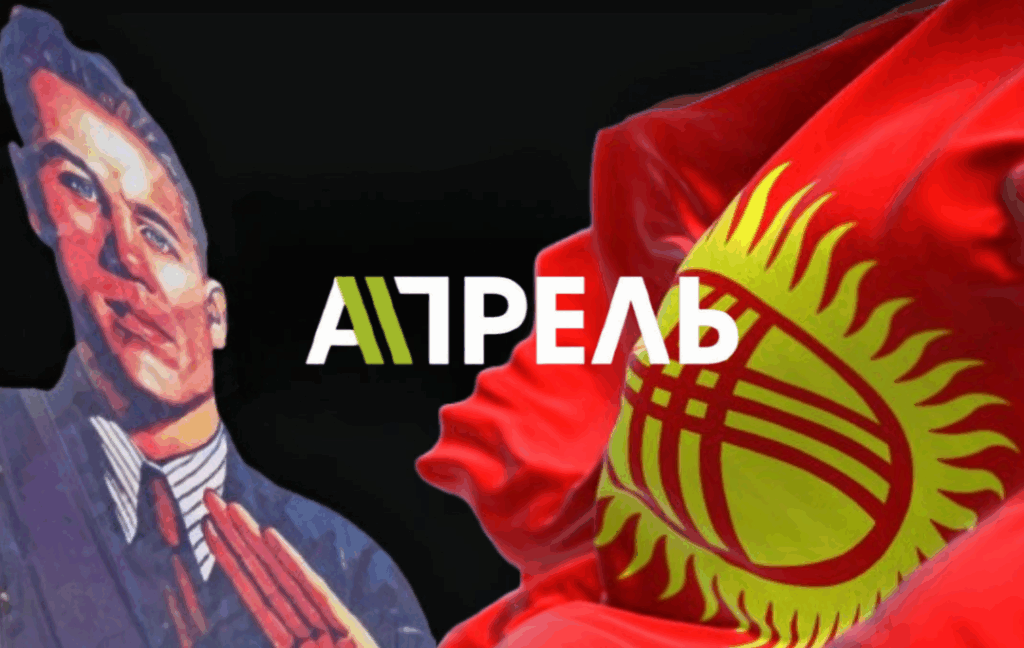
Kyrgyzstan Shutters April TV as President Signs New Media Law

A district court in Bishkek has ordered the liquidation of April TV, one of Kyrgyzstan’s few remaining independent broadcasters, intensifying what some observers are calling an ongoing campaign to silence dissenting voices in the country’s media landscape. The decision, handed down by the Oktyabr District Court on July 9, followed a lawsuit brought by state prosecutors who alleged that the broadcaster's content was “biased, one-sided, destructive and manipulative,” and posed a threat to the constitutional order. In a related development, on July 11, President Sadyr Japarov signed a new law clamping down on media freedom into force. In the district court, prosecutors argued that April TV’s content risked inciting mass unrest and undermining the authority of the state. The court’s ruling cited assessments conducted by the State Committee for National Security (GKNB), which claimed that the broadcaster’s video reports negatively influenced public opinion, insulted government officials, and could provoke calls for the seizure of power. Over the past two years, President Japarov's administration claims to have successfully thwarted several attempted coups and assassination plots targeting high-ranking officials. These incidents, according to the government, highlight ongoing challenges to political stability in Kyrgyzstan, which has framed its efforts as critical to ensuring the country’s continued progress amidst a complex regional and domestic landscape. In addition to terminating April TV’s legal status, the court also authorized the blocking of its online platforms and affiliated channels, including the popular YouTube-based partner channel Next TV. Editor-in-chief of April TV, Dmitriy Lozhnikov, rejected the government’s claims, defending the station’s critical tone and stating that “criticizing the government isn’t a crime, but one of the core functions of the press.” In a final message before going offline, the outlet declared it was taking “a vacation from which [we] might never return.” At least ten current and former staff members of April TV were summoned for questioning by the GKNB as part of a broader criminal probe. No specific charges have been disclosed. The closure of April TV mirrors actions taken against other prominent independent outlets in Kyrgyzstan over the past two years. In February 2024, a Bishkek court approved the liquidation of Kloop, a media organization known for its investigative reporting on corruption – a ruling later upheld by the Supreme Court. The authorities claimed that its charter did not permit Kloop to engage in journalism, and objected to what they described as the “negative tone” of its reporting. In late May, the security forces conducted coordinated raids on the homes of eight current and former Kloop employees in Bishkek and Osh — detaining two on charges of “public calls for mass unrest” and compelling the others to sign non-disclosure agreements. Kloop has relocated its operations abroad, maintaining access to its content in Kyrgyzstan through mirror sites and launching a new podcast studio in Georgia. Despite mounting pressure, the outlet’s leadership remains defiant, vowing to continue producing the “most incisive investigations, the most objective news, and the boldest commentary.” In a similar vein, the investigative media outlet Temirov...

Kazakhstan Engaged in Legal Disputes with 20 Foreign Companies

Kazakhstan is currently involved in 20 legal disputes with foreign companies, a decrease from 26 cases in 2023, according to Yerlan Musabayev, Acting Director of the Department for the Protection of State Property Rights under the Ministry of Justice. “As of now, the Ministry is handling 20 cases involving claims totaling more than $7.5 billion,” Musabayev stated during a briefing in Astana. Of these, 13 are under review in international arbitration, five are in foreign courts, and two are in the pre-litigation stage. The reduction in the number of disputes reflects progress made over the past year, he noted. Among the Ministry's recent successes, Musabayev highlighted a key ruling by the High Court of Justice in London in favor of Kazakhstan in a case filed by Canadian uranium company World Wide Minerals (WWM). The dispute originated from Kazakhstan’s 1997 decision to deny WWM an export license for uranium and terminate a trust management contract for the Tselinograd Mining and Chemical Plant (now the Stepnogorsk Mining and Chemical Plant). The High Court ruling, issued on February 28, 2025, overturned a 2024 decision that had awarded WWM approximately $65 million. “Under the 2025 decision, the Republic of Kazakhstan has no obligations toward World Wide Minerals. It’s worth noting that the bar for appeals in UK courts is exceptionally high, fewer than 2% succeed,” Musabayev said. Another legal victory came in a case involving the Kazakh-Italian construction joint venture Todini Impregilo Kazakhdorstroy. The company had sought $20 million in claims, but the International Chamber of Commerce Arbitration Court in Paris dismissed all demands and ordered the joint venture to reimburse $277,000 in legal costs. Enforcement of the ruling required compulsory measures. “The Ministry of Justice is actively working to further reduce the number of disputes with foreign entities. Through coordinated efforts with other state bodies and the Government’s legal advisors, we’ve saved considerable budgetary resources, preserved Kazakhstan’s investment attractiveness, and strengthened the country’s international reputation,” Musabayev concluded. As previously reported by The Times of Central Asia, Kazakhstan resolved a long-standing legal battle with Anatolie and Gabriel Stati’s Tristan Oil in 2024, following protracted litigation over the nationalization of oil assets. Meanwhile, early reviews of certain production-sharing agreements in the oil sector could lead to new legal proceedings in the near future.

Tackling Corruption in Kazakhstan: The Latest Trends

As previously reported by The Times of Central Asia, anti-corruption efforts are a cornerstone of President Kassym-Jomart Tokayev’s agenda. Court-ordered funds confiscated from corrupt officials have been used to finance public infrastructure: over the past three years, 150 billion tenge have been allocated to build 89 schools. On June 30, Tokayev signed a decree dissolving the country’s standalone Anti-Corruption Agency and transferring its functions to the National Security Committee (NSC), in what officials described as a move to modernize and streamline public administration. A recent analysis by Ranking.kz sheds light on the latest trends, identifying the institutions most often entangled in scandals and criminal investigations. Corruption Reaches Across All Levels Between January and May 2025, the Kazakh authorities charged 640 individuals with corruption-related offenses, representing a 3% decrease compared to the same period in 2024. However, the number of identified offenders rose to 464, up 4.3% from 445 last year. During the same period, 405 individuals were referred to the courts, an increase of 9.2% year-on-year. The largest number of defendants were employees of Akimats and their subordinate departments, totaling 66 individuals, though this figure is one-third lower than in 2024. In addition, 49 police officers, 16 employees from the Ministry of Finance, 11 from the Ministry of Agriculture, and 7 from the Criminal Executive Committee under the Ministry of Internal Affairs were brought to court. Notably, three regional akims were among those referred to court this year, compared to just one in the same period last year. One judge was also prosecuted. In total, 57 individuals from 12 different ministries faced judicial proceedings, up slightly from 54 last year. However, the data does not encompass all divisions; for instance, the figures for the Ministry of Internal Affairs include only selected departments. Bribery Remains the Most Common Offense Bribery continues to be the most prevalent form of corruption, with 167 recorded cases in the first five months of 2025, a 27.5% increase from the previous year. Internal affairs personnel were the most frequently detained for bribery (22 cases), followed by local government officials (13 cases) and employees of the Ministry of Finance (9 cases). In terms of the number of individuals involved, bribery accounted for 99 people. Corruption-related fraud followed, with 71 cases documented, rounding out the top three categories of offenses. Kazakhstan in Global Perspective Kazakhstan ranked 88th out of 180 countries in the 2024 Corruption Perceptions Index published by Transparency International, scoring 40 out of 100. This position is shared with North Macedonia, Suriname, and Vietnam. The index, based on assessments from organizations such as the World Bank and the World Economic Forum, ranks countries from 0 (most corrupt) to 100 (least corrupt). According to the same report, 17% of Kazakhstani citizens who accessed public services in the previous year admitted to paying bribes. By way of comparison, in Denmark and Finland, the top-ranked countries, only 1% of citizens reported such experiences. Within the Commonwealth of Independent States (CIS), Kazakhstan ranks third, behind Armenia (63rd) and Moldova (77th)....