• KGS/USD = 0.01144 0%
  • KZT/USD = 0.00212 0%
  • TJS/USD = 0.10523 0%
  • UZS/USD = 0.00008 0%
  • TMT/USD = 0.28530 0%
  • KGS/USD = 0.01144 0%
  • KZT/USD = 0.00212 0%
  • TJS/USD = 0.10523 0%
  • UZS/USD = 0.00008 0%
  • TMT/USD = 0.28530 0%
  • KGS/USD = 0.01144 0%
  • KZT/USD = 0.00212 0%
  • TJS/USD = 0.10523 0%
  • UZS/USD = 0.00008 0%
  • TMT/USD = 0.28530 0%
  • KGS/USD = 0.01144 0%
  • KZT/USD = 0.00212 0%
  • TJS/USD = 0.10523 0%
  • UZS/USD = 0.00008 0%
  • TMT/USD = 0.28530 0%
  • KGS/USD = 0.01144 0%
  • KZT/USD = 0.00212 0%
  • TJS/USD = 0.10523 0%
  • UZS/USD = 0.00008 0%
  • TMT/USD = 0.28530 0%
  • KGS/USD = 0.01144 0%
  • KZT/USD = 0.00212 0%
  • TJS/USD = 0.10523 0%
  • UZS/USD = 0.00008 0%
  • TMT/USD = 0.28530 0%
  • KGS/USD = 0.01144 0%
  • KZT/USD = 0.00212 0%
  • TJS/USD = 0.10523 0%
  • UZS/USD = 0.00008 0%
  • TMT/USD = 0.28530 0%
  • KGS/USD = 0.01144 0%
  • KZT/USD = 0.00212 0%
  • TJS/USD = 0.10523 0%
  • UZS/USD = 0.00008 0%
  • TMT/USD = 0.28530 0%

Viewing results 643 - 648 of 1573

English Proficiency Index: Kazakhstan Still Among Least Fluent Countries

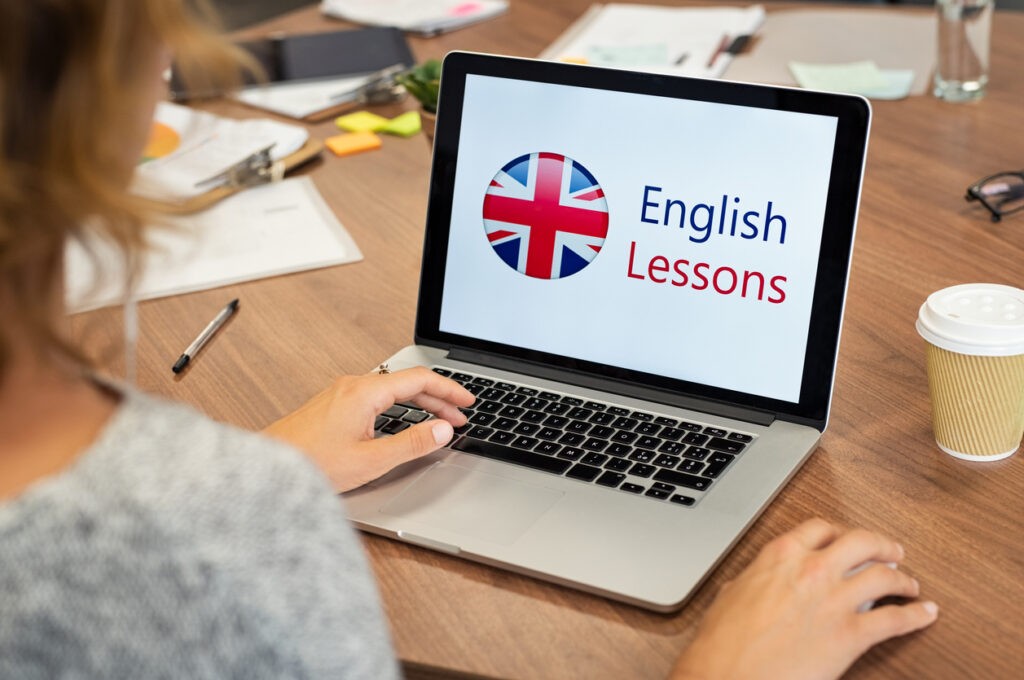
Kazakhstan ranks 103rd out of 116 countries in the 2024 EF English Proficiency Index (EF EPI), improving by just one position from the previous year. Despite this slight progress, the country remains in the group of nations with very low English proficiency, according to Ranking.kz analysts. Leading the global rankings was the Netherlands, scoring 636 out of 700 points, followed by Norway, Singapore, Sweden, and Croatia. In the Eurasia region, Belarus and Russia performed best, achieving scores of 539 and 532 respectively, while Kyrgyzstan, Uzbekistan, and Tajikistan showed comparatively low results. Regional and Historical Context In Kazakhstan, the highest proficiency scores were recorded in Almaty (476 points) and the Almaty region (475 points), with Astana, Akmola, Kostanai, and Pavlodar regions also performing relatively well. Since Kazakhstan’s first appearance in the EF EPI rankings in 2011, where it ranked last among 44 participants, little progress has been made. Current scores remain similar to those recorded over a decade ago. Globally, English remains the most widely spoken language, with over 1.5 billion speakers in 2024, according to Ethnologue. The Cost of Learning English in Kazakhstan English education costs in Kazakhstan vary widely depending on the method of instruction: Individual lessons: Average 96,000 KZT ($182) for a course of 12 sessions. Private tutors: Range from 15,300 KZT ($29) to 54,000 KZT ($102) per month. Online tutors: Cost between 48,000 and 96,000 KZT ($91 to $182) monthly. AI-assisted classes: Start at 5,000 KZT ($9.5) and go up to 25,000 KZT ($47), depending on the number of assignments. Group lessons: Range from 36,000 KZT ($68) to 64,000 KZT ($121) for 12 lessons. In major cities, free courses and conversation clubs organized by libraries and language centers provide alternative learning opportunities. The low level of English proficiency in Kazakhstan continues to be a pressing issue, requiring systematic reforms. Analysts emphasize that improving the situation will demand enhanced educational programs, more accessible learning opportunities, and greater public engagement in mastering the language.
Public Opinion Survey: One in Five Kazakhs Considering Emigrating

One in five Kazakhstanis is contemplating leaving the country, citing low income and a lack of confidence in the future as the primary reasons, according to a survey by the Bureau of Express Monitoring of Public Opinion DEMOSCOPE. The study, titled “Attitude of Kazakhstanis to the Problem of Brain Drain,” was conducted in partnership with the MediaNet International Journalism Center, PAPERLAB research center, and supported by the Konrad Adenauer Foundation.  Migration Sentiment in Numbers The survey revealed that: 21% of respondents are considering emigration. 6.9% intend to leave within the next two to three years. 5.6% wish to move but lack the means to do so. 8.4% are open to moving under certain conditions. However, the majority - 78.5% - do not plan to emigrate in the foreseeable future. Young and middle-aged respondents were the most interested in moving abroad. Among 18-29-year-olds, a quarter said that they wanted to emigrate, while nearly 30% of those in their 30s are considering relocation. Reasons for Leaving The top motivations for emigration included: Higher wages (24.5%) Better prospects for themselves and their children (23.9%) Access to better jobs (14%) Opportunities for quality education (11.7%) Self-development (13.2%) Improved healthcare services (4.9%) Younger respondents were more focused on education and self-development, while older individuals prioritized long-term opportunities. Emigration Trends and Impacts Despite growing migration sentiments, official data for the first three quarters of 2024 show a positive migration balance. Over 20,000 people moved to Kazakhstan, while 10,200 emigrated. However, the qualitative characteristics of migration raise concerns. Many who leave are skilled professionals, including engineers, economists, teachers, and lawyers. A detailed analysis of migration patterns highlights this trend. Popular Destinations and Public Opinion The most desired emigration destinations are: United States (7.7%) Russia (6.2%) European countries (5.1%) Turkey (4.6%) Canada (2.6%) However, 35% of respondents had no specific preference for a destination. Societal attitudes toward emigration remain largely understanding, with 63.3% expressing support for those who choose to leave. Only 11.4% voiced disapproval. Looking ahead, 39% of respondents anticipate a rise in the outflow of skilled workers, while 21.7% predict an increase in immigration to Kazakhstan. Addressing the Brain Drain Experts stress that mitigating the brain drain will require a systematic approach, including: Improving living standards. Enhancing access to quality education and healthcare. Ensuring security and economic stability. The survey, conducted across 17 regions of Kazakhstan, included 1,100 participants. The margin of error does not exceed 3% with a 95% confidence level.

You Can Now Pay Your Fare on Tashkent’s Subway with the Palm of Your Hand

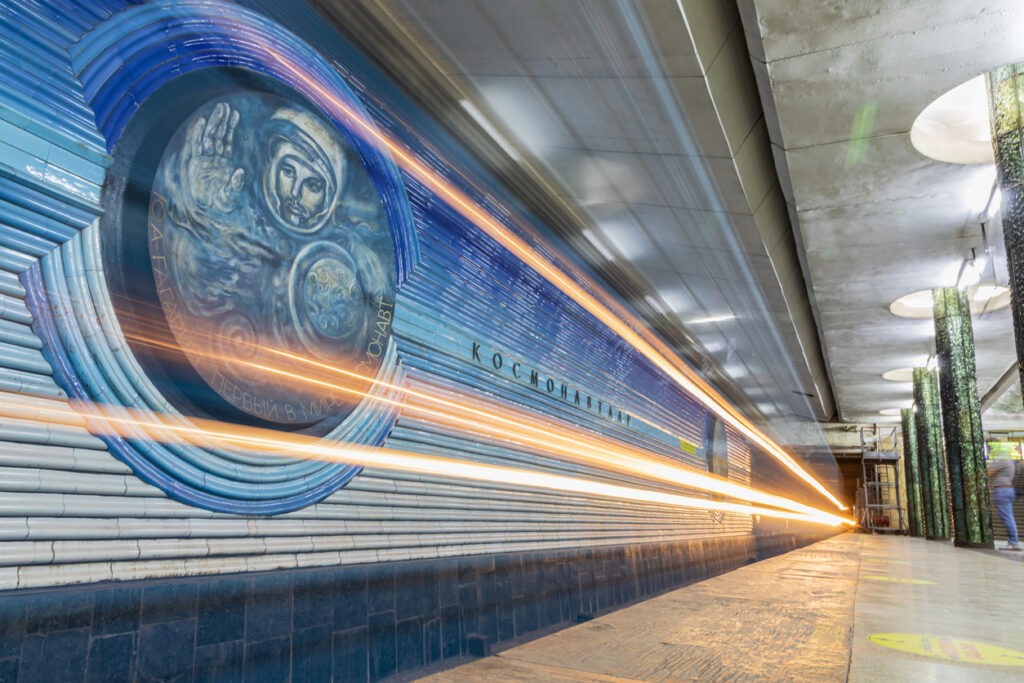
The Tashkent subway has introduced a pilot project for the “MyID Palm” fare payment system, which uses biometric technology to identify passengers by the unique vein pattern in their palms​. This innovative system was developed by local scientists in collaboration with the Ministry of Transport, the payment service “ATTO,” and Octobank. It marks a significant advancement in biometric identification for public transportation. The system relies on palm vein scanners to read each passenger's unique vein pattern. According to the developers, this data is securely protected against unauthorized access and forgery. The goal of the technology is to enhance both security and convenience in fare payments. Currently, “MyID Palm” devices have been installed at 12 stations along the Chilanzar line, where they are operating in test mode. Plans are underway to expand this system to all metro stations in Tashkent. To use the service, passengers need an “ATTO” transportation card and the associated mobile application to create a biometric profile. The activation process involves scanning their palm at a designated info kiosk located at one of the stations equipped with the technology. Testing of the palm payment system began in late October 2023, with Druzhba Narodov station becoming the first to enable this feature​. Earlier, in September 2023, the Tashkent subway began testing a Face ID payment system, which allows passengers to pay their fare using facial recognition technology​. These advancements signal a move toward a more modernized and user-friendly public transportation system in Uzbekistan's capital, with both residents and visitors benefiting from the improved efficiency and security of biometric payment solutions.

Uzbekistan Sends Food and Medicine to Afghanistan

Uzbekistan has delivered humanitarian aid to Afghanistan. The aid package includes food and medicines, with nine wagons of “Salomatlik” (Health) medical and sanitary products en route to the country. From December 25 to 30, residents of Afghanistan’s Balkh region will receive free medical examinations conducted by qualified Uzbek doctors. This humanitarian initiative follows a request for medical assistance made during a meeting between the governments of Uzbekistan and Afghanistan. To further strengthen bilateral ties, Uzbekistan’s Ambassador to Afghanistan, Abibek Usmanov, met with Mawlawi Abdul Salam Hanafi, Afghanistan's Deputy Prime Minister for Administrative Affairs, in Kabul on December 24. During the meeting, Usmanov underscored the importance of enhancing cooperation between the two countries across various sectors. He highlighted Uzbekistan’s willingness to deepen economic and trade relations, emphasizing the interest of Uzbek businesses in projects such as establishing health centers, exporting medicines, constructing cement plants, and engaging in coal trade.

Kyrgyzstan to Update National Anthem

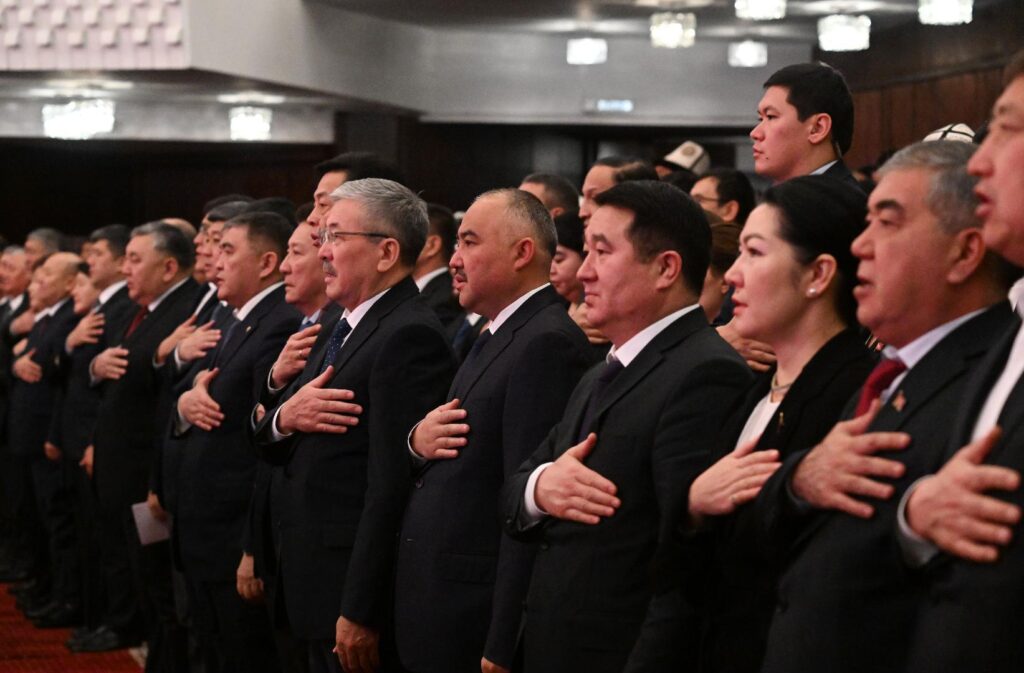
The Ministry of Culture, Information, Sports, and Youth Policy of Kyrgyzstan, in collaboration with creative unions, is working on crafting a new national anthem. The announcement was made during a press conference in Bishkek by Melis Murataliyev, chairman of the National Commission on the State Language. An interdepartmental commission has been established to evaluate proposed versions of the anthem. “We have been tasked with conducting a linguistic examination of all selected variants to ensure they align with our culture, traditions, and worldview. We will assess whether the meaning of word combinations remains consistent when pronounced. Three versions will ultimately be submitted to the Jogorku Kenesh for approval, but not before undergoing rigorous linguistic review,” Murataliyev stated. Parliament Speaker Nurlanbek Shakiyev had first proposed changing the anthem several months ago. He noted that the current anthem was adopted during a challenging period following Kyrgyzstan’s independence. “Today, we are a stable and developing state. For this reason, the anthem should reflect our progress and be one that everyone can sing with pride,” Shakiyev said. He emphasized that the selection process should involve public participation, allowing citizens to contribute text and melody proposals. The contest criteria stipulate that the anthem should celebrate Kyrgyzstan, inspire its people, and encourage development and progress. President Sadyr Japarov has also expressed support for the initiative. He believes the current anthem has lost its relevance and sees no issue with updating it. “The anthem should be the work of creative individuals - composers and poets - and its development should involve public discussion. If the majority supports a new anthem, it would be a positive step forward. Imagine schoolchildren and Aksakals singing it together; that would be truly wonderful,” Japarov remarked. The new anthem is expected to be adopted by April next year.

Turkmenistan Explores Integration of Artificial Intelligence in Education

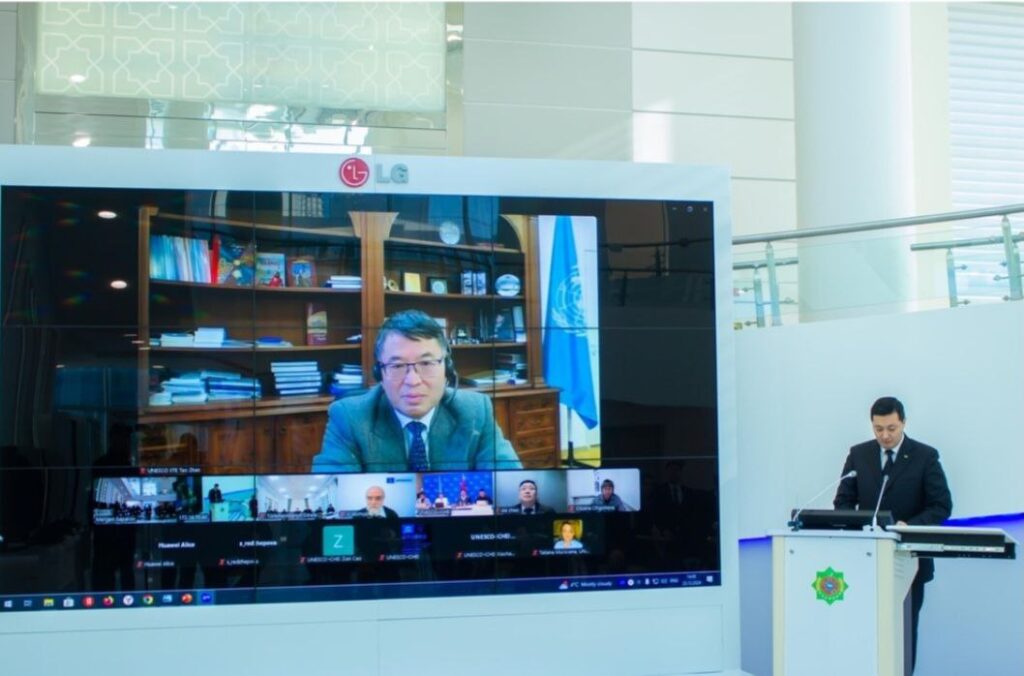
Turkmenistan has taken a significant step toward integrating artificial intelligence (AI) into its education system by hosting a scientific and practical conference. Organized by the Ministry of Education in collaboration with the UNESCO Institute for Information Technologies in Education, the event marked progress in implementing the goals outlined in the “Roadmap of Cooperation for 2024-2025.” Key Discussions The conference explored critical aspects of applying AI in education. Topics included the development of education management information systems, improving teachers’ digital literacy, and adapting cutting-edge technologies to Turkmenistan’s specific conditions. Participants also presented a draft strategy for the development of AI in education and highlighted international platforms already in use in this field. Special emphasis was placed on the competencies required for both teachers and students to effectively work with AI. Experts noted that fostering such skills is essential in an increasingly digitalized society and workplace. They stressed that equipping young people with AI-related knowledge could significantly enhance their future professional prospects. Practical Implementation and Examples Turkmenistan is already incorporating AI into educational initiatives. A notable example was presented on October 4 in Ashgabat, where Selin Ataeva, a 12th-grade student at the Swiss School of Dubai and leader of a startup development team, showcased an AI-driven math learning platform. This innovative software adopts a personalized approach to education, catering particularly to students in rural and remote regions. By optimizing the learning process and improving access to quality education, the platform exemplifies the transformative potential of AI in bridging educational gaps. As Turkmenistan advances toward integrating AI into its education system, the conference highlighted the importance of aligning technology with local needs and preparing students and teachers for a digitally driven future. With initiatives like Ataeva’s math learning platform, the country demonstrates a commitment to using AI to enhance education accessibility and efficiency.