• KGS/USD = 0.01144 0%
  • KZT/USD = 0.00204 0%
  • TJS/USD = 0.10394 -0.38%
  • UZS/USD = 0.00008 0%
  • TMT/USD = 0.28571 0%
  • KGS/USD = 0.01144 0%
  • KZT/USD = 0.00204 0%
  • TJS/USD = 0.10394 -0.38%
  • UZS/USD = 0.00008 0%
  • TMT/USD = 0.28571 0%
  • KGS/USD = 0.01144 0%
  • KZT/USD = 0.00204 0%
  • TJS/USD = 0.10394 -0.38%
  • UZS/USD = 0.00008 0%
  • TMT/USD = 0.28571 0%
  • KGS/USD = 0.01144 0%
  • KZT/USD = 0.00204 0%
  • TJS/USD = 0.10394 -0.38%
  • UZS/USD = 0.00008 0%
  • TMT/USD = 0.28571 0%
  • KGS/USD = 0.01144 0%
  • KZT/USD = 0.00204 0%
  • TJS/USD = 0.10394 -0.38%
  • UZS/USD = 0.00008 0%
  • TMT/USD = 0.28571 0%
  • KGS/USD = 0.01144 0%
  • KZT/USD = 0.00204 0%
  • TJS/USD = 0.10394 -0.38%
  • UZS/USD = 0.00008 0%
  • TMT/USD = 0.28571 0%
  • KGS/USD = 0.01144 0%
  • KZT/USD = 0.00204 0%
  • TJS/USD = 0.10394 -0.38%
  • UZS/USD = 0.00008 0%
  • TMT/USD = 0.28571 0%
  • KGS/USD = 0.01144 0%
  • KZT/USD = 0.00204 0%
  • TJS/USD = 0.10394 -0.38%
  • UZS/USD = 0.00008 0%
  • TMT/USD = 0.28571 0%

Viewing results 811 - 816 of 1426

Universities of Kazakhstan and China to Cooperate on Microsatellite Launch

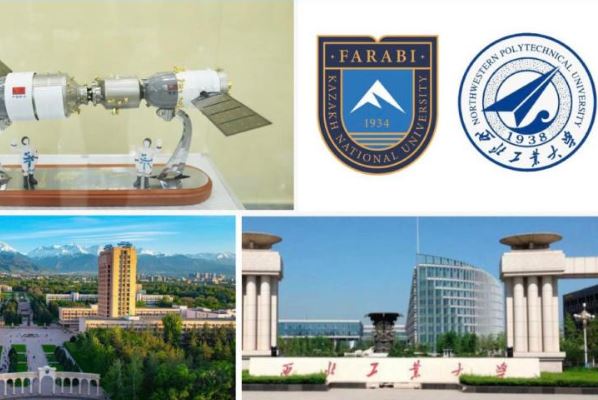
Al-Farabi Kazakh National University and the Northwest Polytechnic University of China have agreed to conduct joint scientific research using microsatellites. According to the press service of the Ministry of Science and Higher Education of the Republic of Kazakhstan, the agreement was reached during  talks between the President of the Republic of Kazakhstan, Kassym-Jomart Tokayev, and Xi Jinping, during the latter's official visit to Kazakhstan. The initiative, the first of its kind to be implemented by Kazakh universities,  opens up new opportunities for space research, training qualified specialists, and developing joint satellites, as well as enabling remote sensing studies of the Earth via a microsatellite. Integral to the project, is an aim to develop equipment for gravimetric measurements, including a specialized ground station and a transmitter on the satellite, designed to detect density inhomogeneities in the Earth's crust and mantle. The employment of such, will help solve fundamental problems in the study of geodynamic processes at great depths. The North-West Polytechnic University of China is a leader in launching objects into space whilst Al-Farabi Kazakh National University, the only Kazakh university with experience in launching nanosatellites into orbit , has already launched its own Al-Farabi-1 and Al-Farabi-2 nanosatellites.

Taking the Necessary Steps to Curb Child Abuse in Kazakhstan

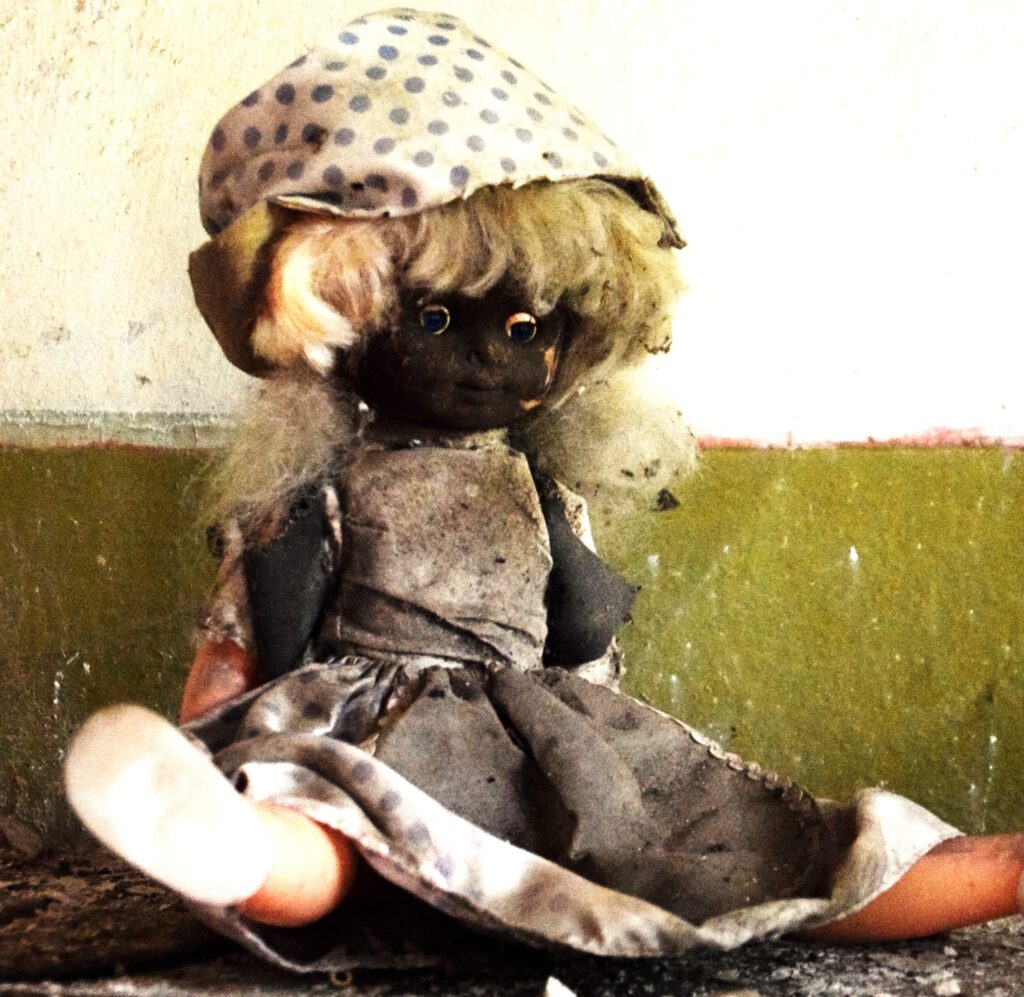
In Almaty, a young woman threw herself off a Ferris wheel, falling to her death. Before committing suicide, she had strangled her five-year-old daughter. The number of children in Kazakhstan has soared over the past decade, but so have the number of crimes committed against minors. When Mom and Dad are the murderers In 2023, twenty-five children were murdered in Kazakhstan, seven of them by their relatives according to the country’s children's ombudsman, Dinara Zakiyeva. This year, Kazakhstanis were shocked by numerous horrifying cases of child abuse. According to relatives and neighbors, the family of the woman who strangled her daughter lived in the Ile District of Almaty Region and were financially secure and successful. The regional commissioner for children's rights, Aigul Yesimbekova, explained that the woman had confesses her crime to her sister before committing suicide. “The child had Down's syndrome. The mother was most likely in an internal crisis and despair when she decided to do this,"Yesimbekova explained. "She went to her sister and told her that she was going to kill herself. When her sister tried to calm her down, she went to the park (the Central Park of Culture and Leisure in Almaty). Her husband is an IT specialist, and the financial component [of her life] was fine. She was not registered with psychiatrists, her husband makes money, and everything seemed fine, but the child was sick. Probably, her soul was in such a state of crisis; it is hard when a child is sick. Maybe she murdered the child in a rush of emotion, and then, unable to cope with the guilt, she took the step she did.” According to Zakiyeva, such families are in critical need of psychological support, and child protective services should supervise them. However, the situation with psychologists and child social workers in Kazakhstan is poor. At the end of June, a court in the Turkestan Region convicted a mother of killing her two children. Their bodies were found in a rented apartment in February 2024 in the city of Turkistan. The mother was sentenced to 15 years in prison. After killing her children, the woman called her friend and told her what she'd done. Even against the backdrop of Kazakhstan’s high birth rates, the Turkestan Region - as is the entire south of the country - is an outlier. The percentage of people under the age of 18 in Kazakhstan stands at 34.1%, whereas in the Turkestan Region, this figure is 43.3%, followed by the Mangystau Region at 41.9%, and the federal city of Shymkent at 40.6%. Experts say that it is in the regions with the highest birth rates that the highest rates of violence against children are recorded. In September of last year, a pedophile raped and brutally murdered a five-year-old girl who lived next to him in the village of Zhibek Zholy in the Turkestan Region. He was sentenced to life imprisonment and chemical castration. News of the murder almost sparked a riot and deadly reprisals against the rapist;...

Travel Guide to Kazakhstan, Kyrgyzstan, and Uzbekistan Presented in Seoul

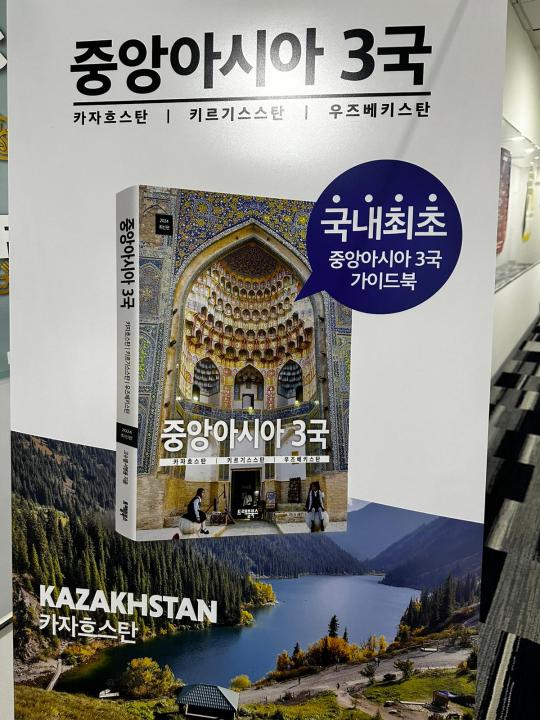
A presentation of the book, A Travel Guide to Three Countries of Central Asia, took place in the capital of South Korea on July 2, and was attended by the heads of the diplomatic missions of Kazakhstan, Kyrgyzstan, and Uzbekistan, as well as representatives of leading South Korean tour operators, airlines, and journalists, the Kazakh Foreign Ministry has reported. During the event, Korean writer Seo Byung Yong spoke in detail about his book, which describes the unique tourist destinations of the region. The author spoke about the huge potential for tourism development in Central Asia, noting the visa-free regimes, the availability of direct flights, and the rich gastronomic culture and variety of destinations. Speaking at the event, the Ambassador of Kazakhstan to the Republic of Korea, Nurgali Arystanov, emphasized the importance of expanding cooperation in the field of tourism, and invited Korean citizens to visit the 5th World Nomad Games, which will be held in Astana from September 8 to 13, 2024. The Executive Director of the Central Asia - Republic of Korea Cooperation Forum’s Secretariat, Rhee Jong Kook, spoke of the importance of further strengthening cooperation with the countries of Central Asia in light of the recently adopted K-Silk Road strategy, as well as the successful negotiations of President of South Korea, Yoon Suk Yeol, with the President of Kazakhstan and leaders of other Central Asian nations.

Azerbaijan and Turkmenistan Nominate Traditional Craft of ‘Guram’ for UNESCO Cultural Heritage List

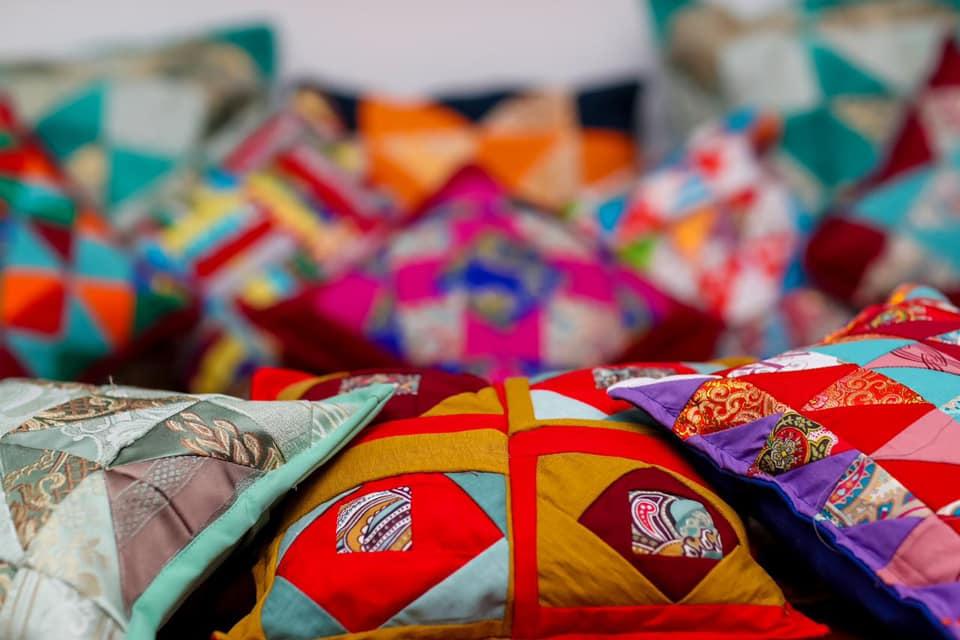
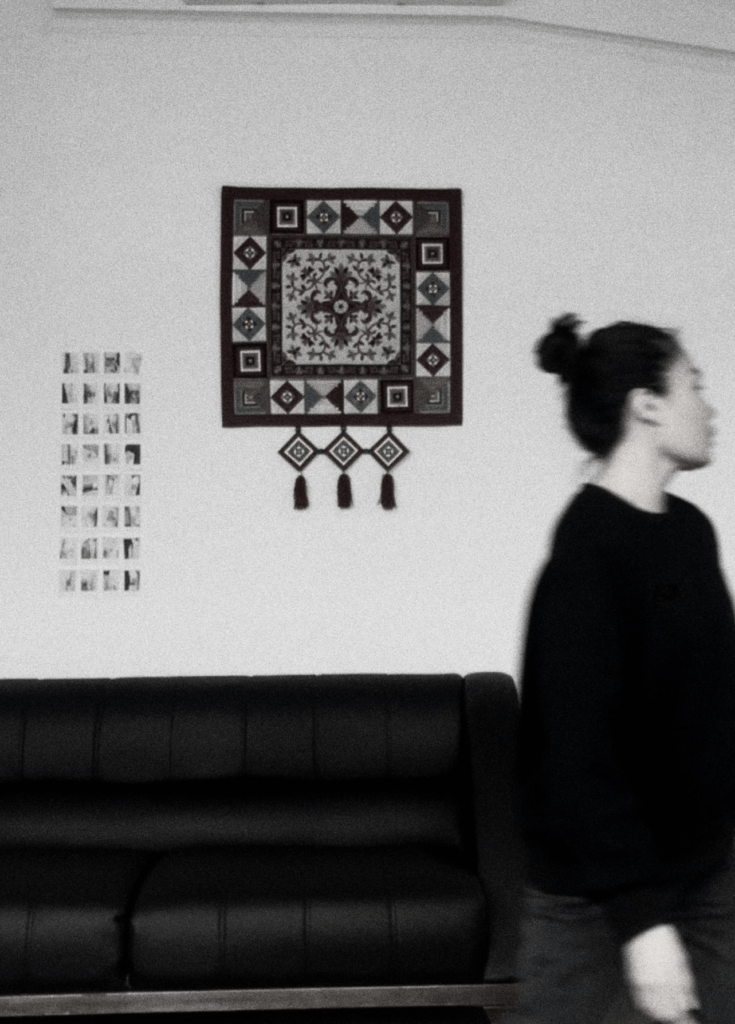
Turkmenistan's National Commission to UNESCO is actively working towards the international promotion of the country's cultural heritage and in collaboration with Azerbaijan, has nominated the patchwork art of 'guram' for inclusion in the List of Intangible Cultural Heritage of Humanity. Regarding the move, Chinar Rustemova, Executive Secretary of the National Commission of Turkmenistan for UNESCO, stated, "We have also started talks with the Turkic History and Culture Foundation of the Republic of Turkey (TURKTAV) on cooperation in popularizing the cultural heritage of the Turkmen people in the Turkic world. The plans include expanding exhibition and library activities and organizing specific events within the framework of the regional project 'Our Heritage' proposed by the Turkmen side." It should be noted that this year, on the initiative of Turkmenistan, Tajikistan, and Iran, preparations are underway to nominate "Traditions of making cradles and singing cradle songs" for inclusion in the List of Intangible Cultural Heritage of Humanity.

A Permanent Piece of ‘Home’: The Trend for Kyrgyz Ornament Tattoos

An interview with Master Tattoo Artist, Zarema Kubanychbekova In recent years, there has been a growing interest in representing traditional, national ornament in the art of tattooing in Kyrgyzstan. TCA met Zarema Kubanychbekova, a talented tattoo artist with nine years' experience, to discuss this trend and its peculiarities.   TCA: How did you become involved in the tattoo industry? I first picked up a tattooing machine on October 17, 2015, almost 9 years ago. It was challenging but exciting. I have been drawing since early childhood, literally from kindergarten, and subsequently all my activities were somehow connected with creativity, but I never imagined that my life would be connected with tattooing. The decision to embark on this path was absolutely spontaneous, but after completing my first piece, I was in no doubt that it was exactly what I wanted to do. [caption id="attachment_19780" align="aligncenter" width="431"] Zarema[/caption]   TCA: What can you say about the popularity of tattoos incorporating traditional Kyrgyz motifs? There is definitely a trend, and it is good to see. I believe that it is mostly because people have begun to value their roots and culture. A lot of tattoos are made for people who travelling abroad, want something to remind them of home. Tourists regard them as souvenirs of their time spent in Kyrgyzstan whilst locals want something to remind them of their origins.   TCA: What features of Kyrgyz ornament do you use most frequently in your work and what do they symbolise? Some time ago, we collaborated with a client on the idea to ‘embroider’ the ornament on the skin. In other words, to replicate the texture of threads to make it resemble a ‘tush-kiyiz’ or traditional wall-hanging. It came together somehow by itself, although the initial request was for a simple contour work, and the result was both highly unusual and beautiful. I often create patterns inspired by petroglyphs using point by point (dot work), which is interesting, because motifs were originally applied to these ancient stones by almost the same method. Each ornament has its own unique meaning, and people generally choose those which best resonate with them.   [caption id="attachment_19779" align="aligncenter" width="476"] artist's own tattoo[/caption]   TCA: Do you consider such tattoos a form of self-expression? Yes; in recent years I have noticed more and more, people's desire to express themselves through their ethnicity and love for their land. It's great!   TCA: What are the difficulties or peculiarities of creating tattoos from traditional motifs compared to other styles? There are no particular difficulties as such. There was however, a case whereby my client and I consulted with a woman specialist in runes/ornaments to clarify how best to marry two symbols so that when combined, they would not lose their meaning. [caption id="attachment_19781" align="aligncenter" width="494"] Zarema[/caption]   TCA: How do you view the future of this current trend in Kyrgyzstan? I think the theme of Kyrgyz ornamental tattoos will always be relevant. Time passes, the world changes, but our roots remain solid.

A Greater Role for Kazakhstan’s Media

On June 27, in the lead-up to Mass Media Workers' Day, Kazakhstan’s President Kassym-Jomart Tokayev took to the stage to address a gathering of journalists and media professionals. His engagement underscored the government’s response to the public’s increasing attention to a more liberalized media landscape. Western observers, having taken a renewed interest in former Soviet states amidst Russia’s invasion of Ukraine, are pushing these countries for progress, particularly on press freedoms. The European Center for Press Freedoms criticized the passage of Georgia’s foreign agent law that drove of tens of thousands of citizens to protest in the streets. Amnesty International condemned raids of journalists’ offices and homes in Kyrgyzstan. Reporters Without Borders downgraded Uzbekistan’s position in its State of Press Freedom Index to “very serious”. Kazakhstan has also received its fair share of Western criticism about freedom of the country’s media. Human Rights Watch reports that “although Kazakhstan’s new mass media law has some amendments that should improve the status quo, its ambiguity and the restrictive nature of other provisions threaten to create obstacles to the work of local and foreign journalists”. Government attitudes towards the media vary widely along the periphery of Russia and the former Soviet Union. In Kazakhstan, despite ongoing challenges and shortcomings, it is increasingly seen as the fourth estate, providing citizens with the information they need to check the government’s power. Increasing media influence on society and elected officials Indeed, Tokayev referred to the media as the “fourth estate” in his address, expanding on its growing roles and responsibilities in building “a just and fair Kazakhstan”. He acknowledged the media provides a “pluralism of opinion (which) is exactly what we strived for from the beginning, (and) is our fundamental achievement,” noting that it can “criticize the activities of the authorities”. He called it the “voice of the people, the messenger of the nation, and the spiritual support of society,” adding that it can “shape the legal culture”. A recent example of the media’s influence in the legal realm in Kazakhstan can be seen in the aftermath of Saltanat Nukenova’s murder by her husband, who is a former Minister of the Economy. This tragic story garnered an enormous reaction in Kazakhstani media and resulted in calls for legislation to protect women against domestic violence. Consequently, in April 2024, the President signed what became known as “Saltanat’s Law”, and the former minister was sentenced to 24 years in prison. A burgeoning media space, but some challenges remain According to the TCA’s count, over a hundred independent media outlets operate in Kazakhstan through sites and social media channels. They express a wide range of opinions, including criticizing government activities. On the other hand, the government maintains the right to revoke their license to operate inside Kazakhstan. In the last year, for instance, the Ministry of Culture and Information has blocked digital currency platform, Coinbase.com, as well as an LGBTQ+ site for children called Selftanu.kz, and the Russian news portal Sputnik24. In this environment, the June 27 ceremony did...