• KGS/USD = 0.01143 0%
  • KZT/USD = 0.00212 0%
  • TJS/USD = 0.10718 -0.09%
  • UZS/USD = 0.00008 0%
  • TMT/USD = 0.28571 0%
  • KGS/USD = 0.01143 0%
  • KZT/USD = 0.00212 0%
  • TJS/USD = 0.10718 -0.09%
  • UZS/USD = 0.00008 0%
  • TMT/USD = 0.28571 0%
  • KGS/USD = 0.01143 0%
  • KZT/USD = 0.00212 0%
  • TJS/USD = 0.10718 -0.09%
  • UZS/USD = 0.00008 0%
  • TMT/USD = 0.28571 0%
  • KGS/USD = 0.01143 0%
  • KZT/USD = 0.00212 0%
  • TJS/USD = 0.10718 -0.09%
  • UZS/USD = 0.00008 0%
  • TMT/USD = 0.28571 0%
  • KGS/USD = 0.01143 0%
  • KZT/USD = 0.00212 0%
  • TJS/USD = 0.10718 -0.09%
  • UZS/USD = 0.00008 0%
  • TMT/USD = 0.28571 0%
  • KGS/USD = 0.01143 0%
  • KZT/USD = 0.00212 0%
  • TJS/USD = 0.10718 -0.09%
  • UZS/USD = 0.00008 0%
  • TMT/USD = 0.28571 0%
  • KGS/USD = 0.01143 0%
  • KZT/USD = 0.00212 0%
  • TJS/USD = 0.10718 -0.09%
  • UZS/USD = 0.00008 0%
  • TMT/USD = 0.28571 0%
  • KGS/USD = 0.01143 0%
  • KZT/USD = 0.00212 0%
  • TJS/USD = 0.10718 -0.09%
  • UZS/USD = 0.00008 0%
  • TMT/USD = 0.28571 0%

Viewing results 811 - 816 of 1735

Rejuvenating Kyrgyzstan’s Traditional Performing Arts: Razia Syrdybaeva on the Ustatshakirt Ensemble

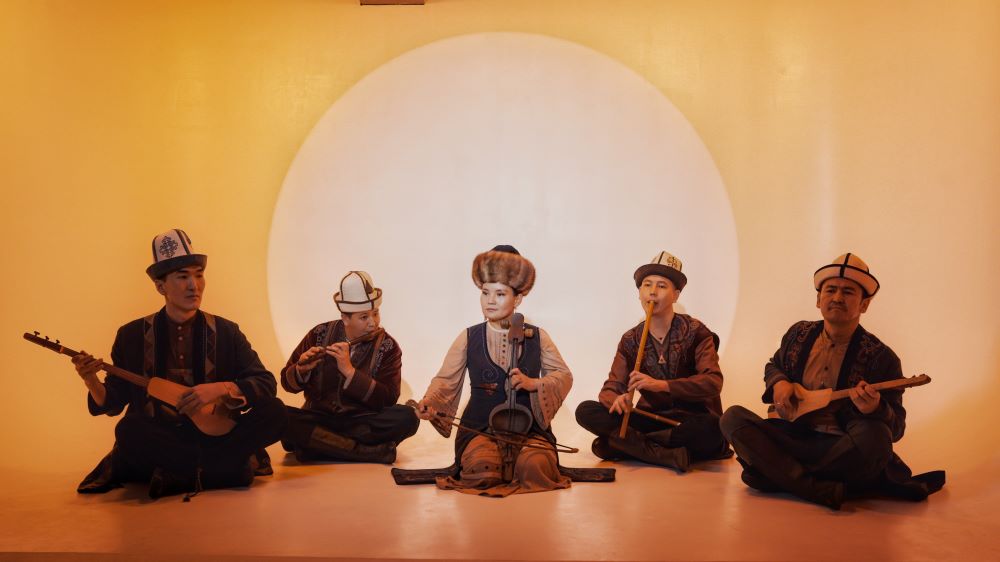
On August 13, Kyrgyzstan’s Ustatshakirt Ensemble, a five-piece group of traditional musicians, gave its first ever performance at Edinburgh’s International Festival. Following a mesmerizing, sell- out concert, Kyrgyz author Shahsanem Murray spoke on behalf of TCA, to musicologist Razia Syrdybaeva about Ustatshakirt , its origins, aims and future plans. [caption id="attachment_23314" align="aligncenter" width="1665"] Photo: TCA Razia Syrdybaeva and the Ustatshakirt Ensemble[/caption]   TCA:  Razia, please tell us a little about yourself and the Ustatshakirt Ensemble. I am a musicologist, producer, and researcher of Kyrgyz culture, and hold a PhD in Philology. Twenty years ago, I established Ustatshakirt; an NGO educational organization with a mission to preserve Kyrgyzstan’s centuries-old musical heritage. The name Ustatshakrit - Ustat meaning master, and shakirt, student - embodies our aim to serve as a bridge between old masters and young musicians. Founded in 2003, with support from the Aga Khan Music Programme (AKA) the Ustatshakrit Center now has branches offering tuition in music, literature, and theatre to pupils in 41 primary & secondary schools across Kyrgyzstan. Over the past twenty years, through the development of faster and more effective methodology, we have taught over 10,000 children to play traditional Kyrgyz instruments such as the komuz and temir ooz komuz. We also provide tuition in other performing art forms including basic theater skills in our ‘dramalab’, and singing epics. The key goal of our work is to introduce children to their native music and help them appreciate and fall in love with their ancient culture. This is very important, especially in the present climate where exposed to external influences and technology, young people are increasingly moving away from their roots, their native language, and music. Attracted by modern rhythms and gadgets, they have little time and few opportunities to listen to their ancestral music. To more effectively engage both our pupils and audiences, we are constantly implementing the development of special methodological textbooks, music notation programs, etc. Authored by our teachers, musicians and prominent figures in the Arts, our now comprehensive collection of publications is used by Kyrgyzstan’s music educational institutions, from children's art schools to universities and conservatories. TCA: Concerts of traditional Kyrgyz music accompanied by excerpts from the great Manas epic are rarely performed in the UK, and especially, Scotland. What challenges did you face in securing a venue at the Edinburgh Festival? We heard about the festival several years ago. Getting to Edinburgh involved a lot of planning and expense and was only made possible thanks to the generous support of the Aga Khan Trust for Culture, the Aga Khan Music Program and its director Fairouz Nishanova, and our sponsors Sir Ewan & Lady Brown together with Flure Gossart. Work on repertoires for international audiences has now been ongoing for two years, and over many months prior to playing at Edinburgh, we focused on creating a program that would embrace the rich traditions of Kyrgyzstan’s music and culture. TCA: What were your impressions of the Edinburgh audience? We were all delighted by the high...

Kyrgyzstan’s Cholpon-Ata and Turkey’s Antalya Become Twin Cities

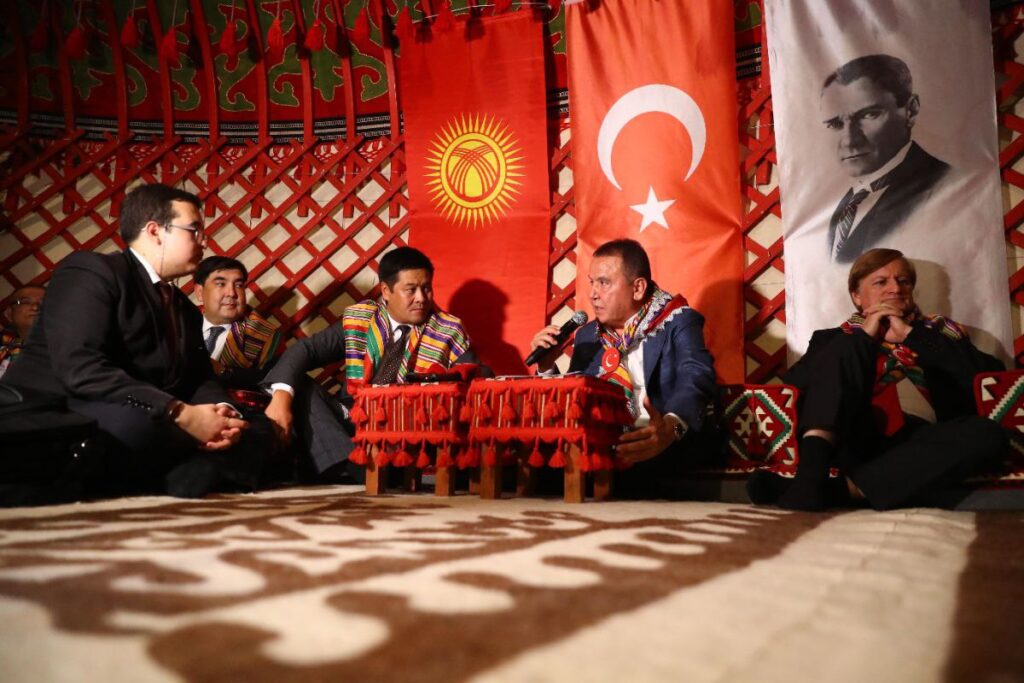
Turkey's Antalya and Kyrgyzstan's Cholpon-Ata have become twin cities; the official ceremony on the establishment of ties was held in Turkey. According to the Kyrgyz Foreign Ministry, the corresponding document between the resort towns of the two countries was signed by the mayors of the cities. Both sides believe that cooperation between Cholpon-Ata and Antalya will open up opportunities for tourism and infrastructure development projects. “Special attention in the framework of future interaction will be paid to the exchange of experience in the development of urban infrastructure and the coastal zone of Lake Issyk-Kul, construction technologies, as well as environmentally friendly solutions to protect the environment,” representatives of the Foreign Ministry stated. Diplomats believe signing a protocol on "twin" relations will create favorable conditions for attracting Turkish investment in Kyrgyzstan's tourism sector and implementing joint initiatives. The Kyrgyz side also proposed to the Antalya authorities that a Turkish educational center be built in Cholpon-Ata to train tourism specialists.

Kyrgyzstan Seeks Legalization of Traditional Medicines and Practices

Kyrgyzstan's Health Ministry has devised an initiative to legalize traditional folk medicine. A draft decree of the Cabinet of Ministers on the procedure for training specialists has now been submitted for public discussion. Proposed by Minister of Health Alymkadyr Beishenaliev, the initiative concerns the study of traditional healing methods such as phytotherapy, massage, acupuncture, apitherapy, and hippotherapy, conducted through specialist training programs. He has also mooted the establishment of a research institute or Academy of Traditional Kyrgyz Medicine offering courses in theoretical and practical skills taught by professionals in the field, alongside the foundation of a dissertation council for the defense of academic degrees in the discipline. Central to the project, is the introduction of a budget for traditional medicine specialists, such as acupuncturists and physiotherapists, in all medical institutions of the country. There are also plans to open a research institute to test the efficacy of medicinal plants and conduct clinical trials. In addition, the Cabinet of Ministers has proposed the implementation of medicinal herb plantations for the subsequent production of related medical drugs. It is worth noting that in both several former Soviet Union and countries worldwide, traditional medicine has been legalized and integrated into state healthcare systems. For example, Russia and Belarus practice traditional treatments, including phytotherapy, acupuncture, alongside modern medical procedures. Traditional Chinese medicine is widely practiced in China, Japan, and Korea, and Ayurveda and Yunani are actively being developed in India. The World Health Organization also supports the development of traditional medicine by helping countries develop recognized international standards.

Citing Obstacles, Polling Group ‘Central Asia Barometer’ to Stop Work

Central Asia Barometer, a non-governmental group that surveys public opinion in Central Asia with the help of international partners, said on Monday that it faces insecurity and challenges to “academic freedom” and will temporarily suspend all operations on December 1. “This long-planned decision is due to the growing insecurity and challenges in conducting ethical survey research in the region, which has significantly impacted our ability to continue our work,” Kasiet Ysmanova, director of the Central Asia Barometer, said in a statement. The group is based in Bishkek, Kyrgyzstan. While Ysmanova did not go into details about the problems that the Central Asia Barometer was encountering, rights groups have long pointed out that advocates for freedom of expression and other democratic principles can face persecution in a region steeped in authoritarian traditions.  Earlier this year, Kyrgyzstan´s passage of a law tightening control over non-governmental organizations that receive foreign funding raised more concern about the erosion of such rights, though the government there alleges that some of the groups are corrupt and has urged international critics to stay out of its internal affairs. In April, the Open Society Foundations criticized the law as restrictive and ill-defined and said it was closing its national foundation in Kyrgyzstan. Maximilian Hess, founder of Ementena Advisory, a political risk company based in London, said on X that the Central Asia Barometer was “long a valuable resource to researchers such as myself” and that its suspension of operations was a “very worrying development.” The Central Asia Barometer says its mission is to provide data that helps institutions make informed decisions for the benefit of people in the region. Its website lists 18 partners, including the U.N. International Organization for Migration, Sunway University in Malaysia, the Friedrich Ebert Foundation in Germany and Abu Dhabi-based TRENDS Research & Advisory. American partners include D3 Systems, Inc. and the Central Asia Program at George Washington University.  The Central Asia polling group says it gets funding from research grants, paid subscriptions to survey data, omnibus surveys and contract work for research.  Last year, the Central Asia Barometer conducted research on attitudes in Central Asia toward Russia's war in Ukraine, and Central Asian perceptions of Turkey and other countries. In addition, Ysmanova, the director, wrote an article about awareness in Central Asia of discrimination against labor migrants for a book about human rights in the region. The group has also surveyed people about the economy, the environment, public health and other issues. The group said that it will maintain a small team to answer emails and other requests after ceasing operations on December 1.   “We hope that the situation regarding academic freedom in the region improves, allowing us to resume our activities in the future,” Ysmanova said. 

Video Highlights: World Nomad Games Day Six

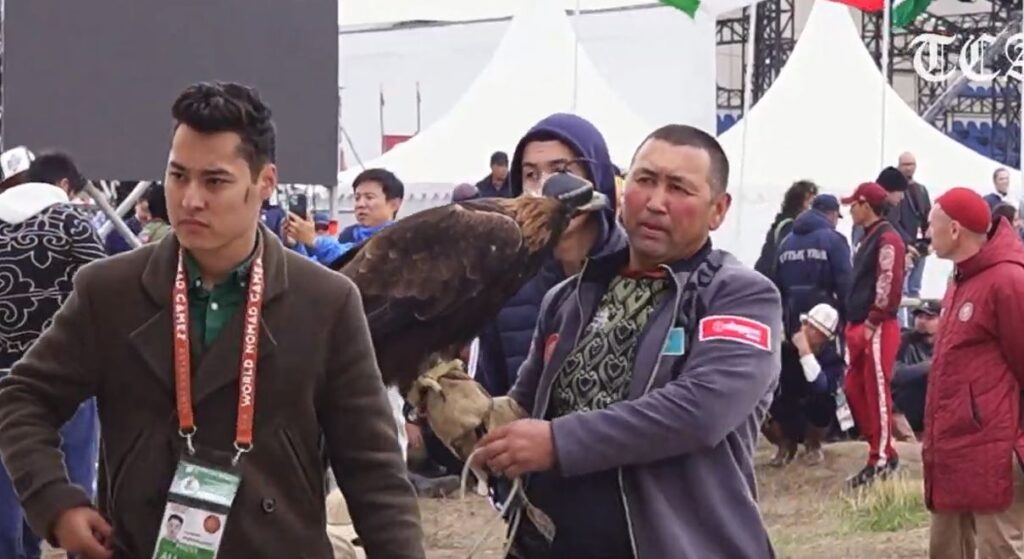
On the final day of the World Nomad Games, themed as the “Gathering of the Great Steppe,”  TCA took in the Tenge Ilu and the Baige, with a focus on the Kusbegilik (hunting with birds). It's been a blast! Stick with us and let's Go Nomad again in 2026. [video width="1920" height="1080" mp4="https://timesca.com/wp-content/uploads/2024/09/nomad-game_2.mp4"][/video]

Video Highlights: World Nomad Games Day Five

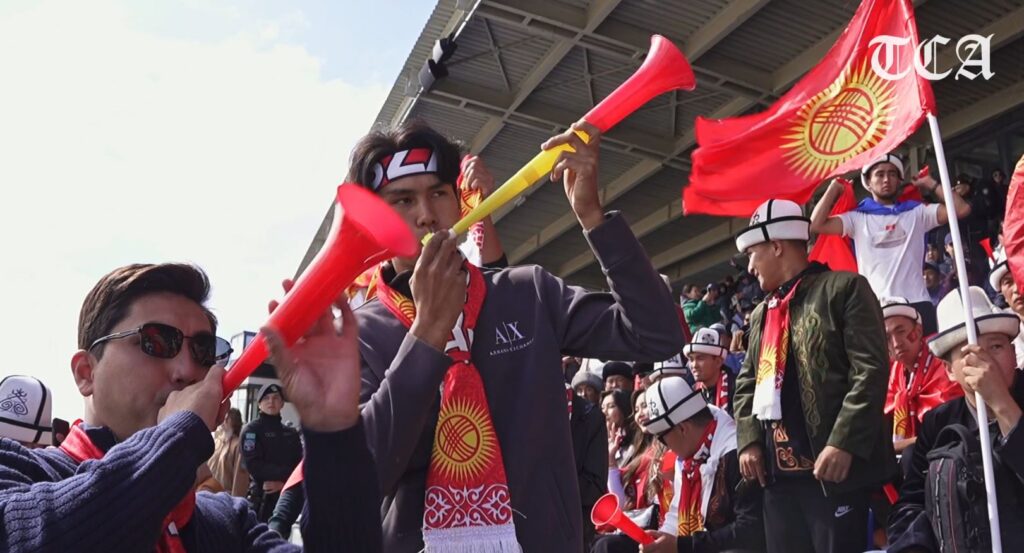
On the fifth day of the World Nomad Games, themed as the “Gathering of the Great Steppe,” TCA soaked up the raucous atmosphere and took in the finals of the equestrian events, including the ever-popular kokpar and kok boru: [video width="1920" height="1080" mp4="https://timesca.com/wp-content/uploads/2024/09/nomad-game-1.mp4"][/video]