• KGS/USD = 0.01144 0%
  • KZT/USD = 0.00204 0%
  • TJS/USD = 0.10441 0%
  • UZS/USD = 0.00008 0%
  • TMT/USD = 0.28490 0%
  • KGS/USD = 0.01144 0%
  • KZT/USD = 0.00204 0%
  • TJS/USD = 0.10441 0%
  • UZS/USD = 0.00008 0%
  • TMT/USD = 0.28490 0%
  • KGS/USD = 0.01144 0%
  • KZT/USD = 0.00204 0%
  • TJS/USD = 0.10441 0%
  • UZS/USD = 0.00008 0%
  • TMT/USD = 0.28490 0%
  • KGS/USD = 0.01144 0%
  • KZT/USD = 0.00204 0%
  • TJS/USD = 0.10441 0%
  • UZS/USD = 0.00008 0%
  • TMT/USD = 0.28490 0%
  • KGS/USD = 0.01144 0%
  • KZT/USD = 0.00204 0%
  • TJS/USD = 0.10441 0%
  • UZS/USD = 0.00008 0%
  • TMT/USD = 0.28490 0%
  • KGS/USD = 0.01144 0%
  • KZT/USD = 0.00204 0%
  • TJS/USD = 0.10441 0%
  • UZS/USD = 0.00008 0%
  • TMT/USD = 0.28490 0%
  • KGS/USD = 0.01144 0%
  • KZT/USD = 0.00204 0%
  • TJS/USD = 0.10441 0%
  • UZS/USD = 0.00008 0%
  • TMT/USD = 0.28490 0%
  • KGS/USD = 0.01144 0%
  • KZT/USD = 0.00204 0%
  • TJS/USD = 0.10441 0%
  • UZS/USD = 0.00008 0%
  • TMT/USD = 0.28490 0%

Viewing results 97 - 102 of 1420

Chinese Uzbek Archaeologists Uncover Ancient City Walls at Kuva Silk Road Site

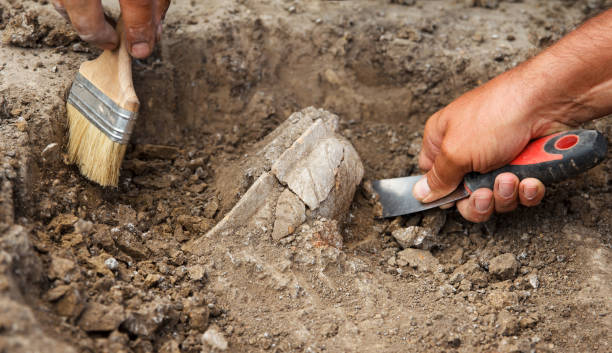
A team of Chinese and Uzbek archaeologists has uncovered a well-preserved section of city walls at the ancient settlement of Kuva in eastern Uzbekistan, dating from the 3rd century BCE to the 10th century CE, according to a report published by Xinhua. The discovery was made by the joint Luoyang-Ferghana archaeological expedition. Researchers say the find offers critical physical evidence for understanding the historical development of a Silk Road city and the enduring cultural exchange between East and West. The team also hailed the excavation as a key achievement of international cooperation under the Belt and Road Initiative. Located in the Ferghana Valley, a historic hub along the ancient Silk Road, the ruins of Kuva cover an area of approximately 110,000 square meters. Xinhua noted that the valley has maintained close ties with China for over 2,000 years. Preliminary findings indicate that the city’s fortifications were rebuilt multiple times and remained in use across several historical eras from the Parthian Kingdom and the states of Dayuan and Sogdiana to the Samanid dynasty. Liu Bin, head of the Chinese delegation to the joint expedition, said the evolving construction techniques used in the walls provide valuable insights into the architectural practices, building materials, and cultural influences of different periods. He added that such features help trace the diffusion of cultural traditions along major trade routes. The Luoyang-Ferghana team was established in 2023 as a collaboration between the Luoyang Archaeological Institute in China’s Henan Province and Ferghana State University in Uzbekistan. Since then, archaeologists have identified palaces, city gates, fortifications, residential structures, streets, and craft workshops at the site. Liu Bin noted that systematic excavations of the palace areas are planned for next year, which will further clarify the city’s layout and functional zones. As previously reported by The Times of Central Asia, similar Chinese-Uzbek archaeological partnerships are underway in Surkhandarya, Samarkand, Ferghana, and Khorezm. These projects have led to discoveries of ancient settlements, urban infrastructure, and even an Iron Age city-state, underscoring the growing scope of bilateral archaeological cooperation in Uzbekistan.

Kazakhstan and Kyrgyzstan Plan Shorter Route from Almaty to Lake Issyk-Kul

Kazakhstan has formed a working group to develop a shorter road route from Almaty to Lake Issyk-Kul in Kyrgyzstan, which could reduce travel time by nearly half. The initiative, reported by Kazakh media, aims to improve regional connectivity and enhance tourism flows between the two countries. According to Kazakhstan's Ministry of Transport, the proposed route will serve as an alternative to the current 460-kilometer drive through Korday and Bishkek. The new road is expected to be approximately 277 kilometers long, with a travel time of about three hours. Preliminary estimates indicate the road will traverse roughly equal distances in both countries: 127 kilometers in Kazakhstan and 150 kilometers in Kyrgyzstan. Much of the required infrastructure is already in place. Kazakhstan will need to repair about 80 kilometers of road, while Kyrgyzstan is expected to reconstruct just six kilometers. The project was initiated by the Asian Development Bank (ADB), which has committed grant funding for the development of a feasibility study. An agreement to that effect was signed in December 2024. In spring 2025, Kazakhstan and Kyrgyzstan established a joint working group to develop infrastructure for the Almaty-Bishkek and Almaty-Issyk-Kul economic corridors. That summer, both countries also began upgrading border crossing facilities. The current phase of the project involves preparing the feasibility study. The study, led by the Kazakh authorities in collaboration with the Eurasian Development Bank, is expected to be completed by September 2026. It will determine the road’s exact route, classification, projected traffic volume, financial model, and potential toll structure. Early indications suggest the road may operate as a toll road. Once approved by both governments, the feasibility study will serve as the basis for a final construction decision. Project financing is expected to follow a public-private partnership model, including the formation of a joint venture between Kazakhstan and Kyrgyzstan. The idea of creating a direct route to Issyk-Kul for Kazakh tourists has been under discussion for decades. Since Kyrgyzstan’s independence, successive presidents have expressed support for the project, but political disagreements have repeatedly stalled progress. Similar political issues prevented the reopening of a once-popular hiking trail from Almaty to Issyk-Kul. During the Soviet era, tourists could walk from Kol-Sai to Issyk-Kul via the Kyrgyz village of Tyup, roughly a 30-kilometer journey. The trail remained active until the 2000s, when it was closed due to bilateral tensions. A final attempt to revive cross-border tourism occurred in August 2022, when a delegation of politicians, journalists, and tourism experts retraced the route. While the two governments agreed on border and passport control protocols, the initiative was soon suspended again. Experts suggest that, with sustained political will, both the highway project and the restoration of the historic hiking route could be implemented in the future.

Kazakhstan’s Bublik Breaks Into Top 10 With Ninth Title Win

After a stellar 2025 season, Alexander Bublik of Kazakhstan has started 2026 by becoming a top 10 player for the first time. Bublik defeated Italian Lorenzo Musetti 7-6 (2), 6-3 in the final of the ATP tournament in Hong Kong on Sunday and will move up one spot to world No. 10 when the new rankings come out on Monday. It’s the first time that Kazakhstan has had a player among the 10 best tennis players in the world. Smiling broadly, Bublik went down on one knee after winning the match on a Musetti forehand into the net. In his on-court victory speech, he said Hong Kong would always be a special place because of what he achieved there. “I’m being honest with you,” Bublik said. “If you tell me that, at the beginning of my career or last April, that I’m going to be standing here, 10 in the world… I would probably not believe you.” The Russia-born, 28-year-old player had his best season last year, winning four titles after struggling early in 2025. With the Hong Kong win, he has won a total of nine titles in his career. Bublik now has a 3-1 head-to-head record over Musetti, a top 10 player. Despite his success, Musetti has lost his last seven tour finals. In his speech, Bublik said that he too had lost a lot of finals and that he expected the Italian to build on those losses and achieve “some very big moments of your career.” Bublik told the Hong Kong crowd that he “can’t wait” to return next year.

Insider’s View – Primary Healthcare 2030: Why Uzbekistan Is Shifting from Hospitals to Prevention and Local Care

For decades, health systems across the world have followed a familiar path: investing in hospitals, expanding specialized care, and treating disease when it becomes severe. Yet evidence from both high- and middle-income countries increasingly shows that this model is costly, inefficient, and poorly suited to today’s disease burden. Uzbekistan’s health reform agenda through 2030 reflects this global rethinking by placing primary healthcare and prevention at the center of the system. The logic is straightforward. The more health problems are resolved at the primary care level, before complications arise, the less pressure there is on hospitals, and the lower the overall cost of care. This principle underpins the World Health Organization’s approach to Universal Health Coverage (UHC) and is now explicitly shaping Uzbekistan’s national strategy. According to the report, “A reformed service delivery system in Uzbekistan should be able to manage about 80% of the population’s outpatient and 85% of inpatient health needs at the primary health care/district level.” The cost of a hospital-centered model Noncommunicable diseases (NCDs) are the main driver behind this shift. In Uzbekistan, as in many countries in the WHO European Region, cardiovascular disease, diabetes, cancer, and chronic respiratory conditions account for the majority of premature mortality. WHO assessments note that the burden of these conditions is rising and that health systems built around inpatient treatment tend to intervene too late, when care is most expensive, and outcomes are poorest. Economic estimates cited in national policy discussions place annual losses associated with NCDs at around $1 billion. These losses are not limited to public spending; they include foregone productivity, long-term disability, and avoidable premature deaths. Without early detection of hypertension, elevated blood glucose, and cholesterol at the primary care level, health systems end up financing complications rather than preventing disease. Diabetes illustrates this dynamic clearly. International projections show a steady rise in adult diabetes prevalence in Uzbekistan through 2045. The most cost-effective interventions, including routine screening, lifestyle counseling, and continuous follow-up, are delivered through primary healthcare. Dialysis, stroke rehabilitation, and complex inpatient care are not. Uzbekistan 2030: from strategy to system design Uzbekistan’s National Health System Strategy 2030 translates this logic into concrete system objectives. Developed with support from the World Bank and international partners, the strategy emphasizes integrated service delivery, strengthened family medicine, and expanded preventive services throughout the country. A central performance objective is resolving the majority of patient needs at the primary healthcare level. This is not about convenience alone; it is about reallocating resources toward early intervention and chronic disease management, while allowing hospitals to focus on cases that genuinely require inpatient treatment. Prevention is being operationalized through specific policy instruments. The strategy includes expanded access to preventive services and micronutrient support, particularly for children and vulnerable groups, with an expected reduction in the prevalence of selected infectious and noncommunicable conditions. This marks a shift from abstract commitments to prevention toward interventions with measurable public health impact. Progress toward UHC provides additional context. According to WHO and World Bank reporting, Uzbekistan’s UHC service...

Turkmen Pensioners Endure Long Queues to Prove They Are Alive

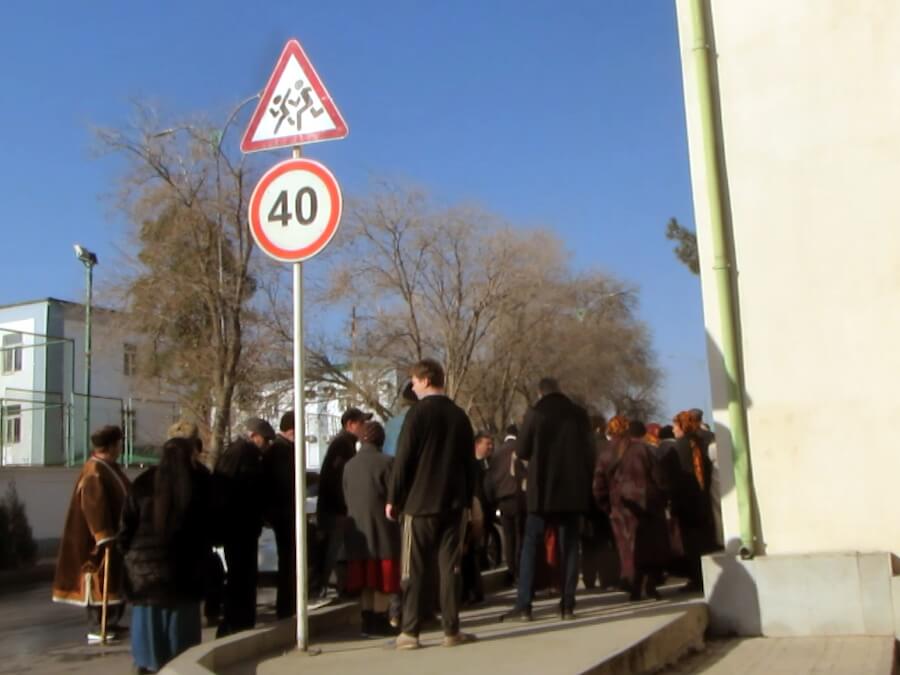
At the start of each year, elderly citizens and benefit recipients across Turkmenistan are forced to endure long hours in line at social security offices, as part of a biannual process requiring them to prove they are still alive. This routine formality has become a grueling ordeal, especially amid growing discontent over the government’s refusal to adjust payments as it had in previous years. Twice annually, in January and July, pensioners and beneficiaries must appear in person at local offices to receive a stamp in their pension books, confirming eligibility and the amount of payment for the next six months. Failure to do so results in an immediate suspension of payments. While retroactive disbursements are promised upon eventual reappearance, surviving without income for six months is an impossible burden for many. Reports of queues have emerged from across the country. Beneficiaries point out that the process could be easily streamlined with scheduled appointments or structured lists. However, no such measures are being implemented. Instead, in freezing cold or scorching heat, elderly people, women with young children, and individuals with disabilities must wait for hours. In the city of Turkmenbashi, residents expressed particular frustration. Many pensioners reportedly held out hope until the last moment for the traditional 10% increase in payments and were shocked to find it canceled this year. For those in rural areas, even an extra $2.50 to $3 per month can make a significant difference. The Times of Central Asia previously reported that the cancellation of the 2026 pension and benefit indexation triggered sharp discontent among older residents. Many only learned of the decision during their January visits and openly expressed their anger. The move stems from a position voiced in the fall of 2025 at a parliamentary session. Honorary elder Yazmyrat Atamyradov proposed a complete freeze on wage, pension, benefit, and scholarship growth, claiming the standard of living for Turkmenistan’s “happy people” was rising sufficiently. 

Family Album of 20th Century Kazakh Leader Mustafa Shokay Added to National Museum

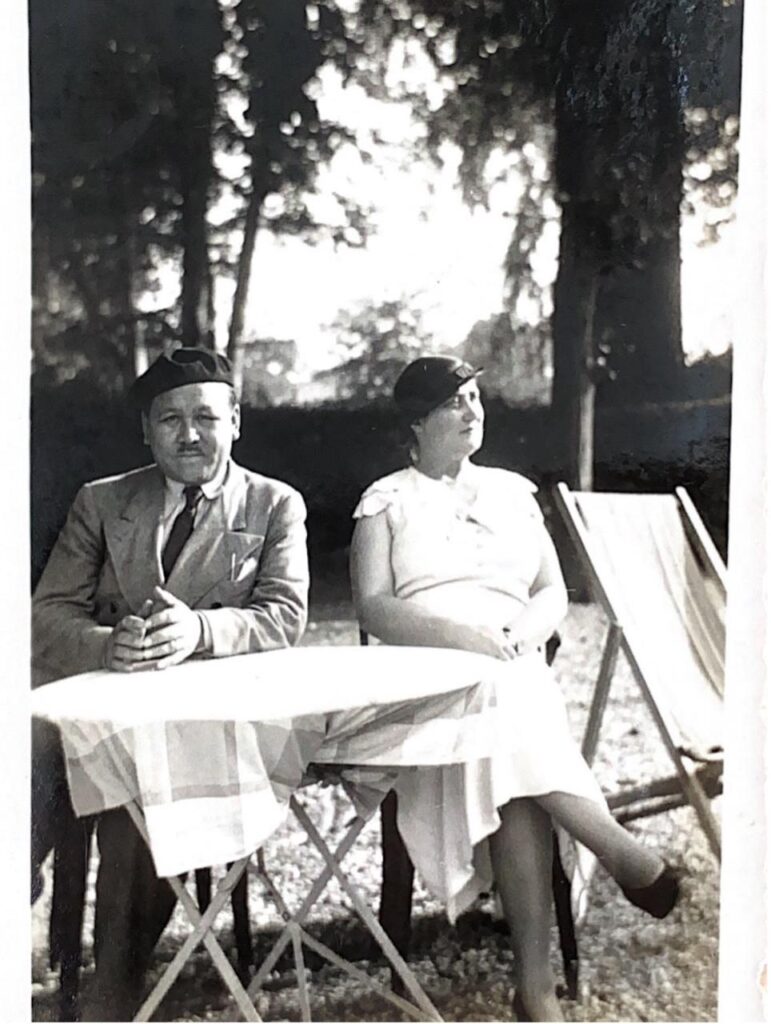
The National Museum in Astana has acquired a rare and historically significant family photo album belonging to Mustafa Shokay, a leader of the Alash Orda political movement of the 1920s that strove for Kazakh autonomy, and his wife, Maria Shokay. The original album was formally donated to the museum by Shokay’s relative, Gulbarshyn Zairova. For decades, the album was safeguarded by the distinguished violinist Alim Almat (born Galymzhan Absalyamov), who survived wartime imprisonment with the help of Mustafa Shokay and later became a spiritual son to Maria Shokay. Almat eventually entrusted this valuable heirloom to Shokay scholar Bakyt Sadykova, who in turn passed it on to Zairova in 2022. [caption id="attachment_41949" align="aligncenter" width="225"] From the Shokay family archive[/caption] Reflecting on the importance of the donation, Zairova said: “This artifact was preserved for many years by Alim Almat, the first violinist who survived captivity during the war thanks to Mustafa Shokay and who was taken under the care of Maria Shokay after the war. Following Kazakhstan’s independence, Alim Almat returned to the country and entrusted Mustafa Shokay’s typewriter, three seals used during the publication of the Yash Turkistan newspaper, the couple’s wedding portrait, and this album to Shokay scholar Bakyt Sadykova. In 2022, the album was entrusted to me, and on December 25, 2025, marking the 135th anniversary of Mustafa Shokay's birth, it found its permanent home at the National Museum in Astana. Honoring history means safeguarding the future.” [caption id="attachment_41950" align="aligncenter" width="225"] From the Shokay family archive[/caption] Mustafa Shokay was a statesman who dedicated his life to the struggle for the freedom and equality of the Kazakh people. Born in 1890 in the Syr Darya region, he showed remarkable intellectual ability and a passion for learning from an early age. [caption id="attachment_41951" align="aligncenter" width="226"] From the Shokay family archive[/caption] He studied law in St. Petersburg and was fluent in Kazakh, Russian, Turkish, and French. Equipped with deep knowledge and a strong sense of justice, Shokay devoted himself to defending the rights of his people. [caption id="attachment_41952" align="aligncenter" width="225"] From the Shokay family archive[/caption] Amid the political transformations of 1917, Shokay emerged as a leading advocate for the future of Turkestan. He played a central role in the establishment of the Turkestan Autonomy, envisioning a homeland where Kazakhs and other Turkic peoples could live freely and with equal rights. [caption id="attachment_41953" align="aligncenter" width="226"] From the Shokay family archive[/caption] Although this vision was never fully realized, Shokay continued his mission in exile following the rise of Soviet power. Living in Europe, he remained deeply connected to his homeland, publishing newspapers and journals, writing influential works, and drawing international attention to the struggles of the Turkic world. Mustafa Shokay passed away in 1941, yet his ideals of freedom, dignity, and national self-determination continue to resonate today.