• KGS/USD = 0.01144 0%
  • KZT/USD = 0.00205 0%
  • TJS/USD = 0.10761 -0.19%
  • UZS/USD = 0.00008 0%
  • TMT/USD = 0.28490 -0.28%
  • KGS/USD = 0.01144 0%
  • KZT/USD = 0.00205 0%
  • TJS/USD = 0.10761 -0.19%
  • UZS/USD = 0.00008 0%
  • TMT/USD = 0.28490 -0.28%
  • KGS/USD = 0.01144 0%
  • KZT/USD = 0.00205 0%
  • TJS/USD = 0.10761 -0.19%
  • UZS/USD = 0.00008 0%
  • TMT/USD = 0.28490 -0.28%
  • KGS/USD = 0.01144 0%
  • KZT/USD = 0.00205 0%
  • TJS/USD = 0.10761 -0.19%
  • UZS/USD = 0.00008 0%
  • TMT/USD = 0.28490 -0.28%
  • KGS/USD = 0.01144 0%
  • KZT/USD = 0.00205 0%
  • TJS/USD = 0.10761 -0.19%
  • UZS/USD = 0.00008 0%
  • TMT/USD = 0.28490 -0.28%
  • KGS/USD = 0.01144 0%
  • KZT/USD = 0.00205 0%
  • TJS/USD = 0.10761 -0.19%
  • UZS/USD = 0.00008 0%
  • TMT/USD = 0.28490 -0.28%
  • KGS/USD = 0.01144 0%
  • KZT/USD = 0.00205 0%
  • TJS/USD = 0.10761 -0.19%
  • UZS/USD = 0.00008 0%
  • TMT/USD = 0.28490 -0.28%
  • KGS/USD = 0.01144 0%
  • KZT/USD = 0.00205 0%
  • TJS/USD = 0.10761 -0.19%
  • UZS/USD = 0.00008 0%
  • TMT/USD = 0.28490 -0.28%

Viewing results 19 - 24 of 1109

The Aural Sea: Uzbekistan’s Pavilion at the 2026 Venice Biennale

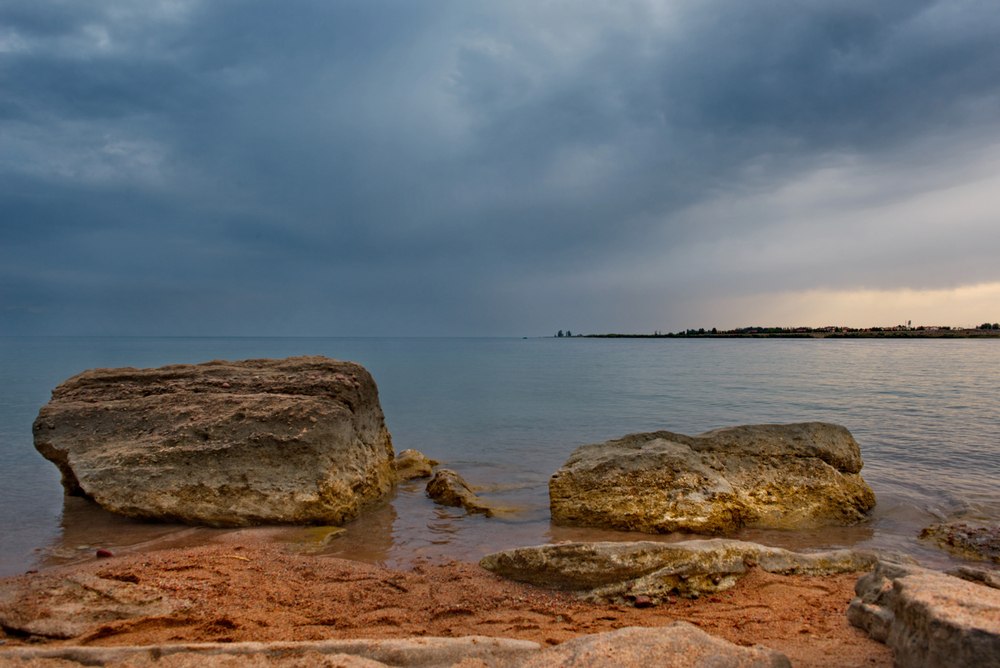
No other edition of the Venice Biennale has seen Central Asia so well represented. Kazakhstan, Kyrgyzstan and Uzbekistan all have their own national pavilions, and there are also two exhibitions featuring Central Asian artists at the Palazzo Franchetti – “Instruments of the Mind” by the Uzbek conceptual artist Vyacheslav Akhunov, and the show “TURANDOT: To the Daughters of the East”. All three national pavilions have nailed the theme for the 61st Biennale: “In Minor Keys”. Conceived by the late curator Koyo Kouoh, this edition of the Biennale aims to showcase subjects that might not be the major issues of our times. Each pavilion has done so by connecting specific problems concerning the region to wider cultural or ecological concerns. You can read the Times of Central Asia's coverage of the Kazakh pavilion here. The Uzbekistan Pavilion, housed in the Quarta Tesa of the Arsenale, tackles ecological crisis in a way that is deeply personal to the country, but can speak to everyone. The pavilion conveys beauty and hope while not shying away from destruction. The Aural Sea It’s all there the pavilion’s title. "The Aural Sea" is a play on the Aral Sea, one of the great ecological tragedies of our times. You are being asked, before you even enter, to prepare for an alchemy of sorts. The Aral Sea – or rather, the place where the Aral Sea used to be – sits predominantly in the autonomous republic of Karakalpakstan, in Uzbekistan’s northwest. In the 1960s, Soviet irrigation projects redirected the rivers that fed it, and over the following decades, the world's fourth largest inland lake shrank to a fraction of its former size, leaving behind a salt desert scattered with the rusting hulls of fishing boats. [caption id="attachment_32633" align="aligncenter" width="1600"] Stranded boats on the former shoreline of the Aral Sea; image: TCA, Joe Luc Barnes[/caption] It is one of the most complete environmental catastrophes of the twentieth century, but the Uzbekistan Pavilion decides to speak about the crisis in an imaginative and almost abstract language. Bringing together perspectives from Central Asia – as well as from even further east – the curators position myths and fiction as alternative systems of knowledge, capable of carrying emotional and ecological memory. The curatorial framework was developed by the inaugural cohort of the Bukhara Biennial Curatorial School, constituted by Kamila Mukhitdinova, Sophie Mayuko Arni, Nico Sun, Thái Hà and Aziza Izamova. The collective was assembled through Uzbekistan’s Art and Cultural Development Foundation, convened by curator Diana Campbell (who already curated the much-acclaimed Bukhara Biennale) in partnership with the Delfina Foundation. The exhibition takes its cue from Allayar Darmenov, a young Karakalpak author who began writing about the Aral Sea in 2015, and has created new mythologies around it for contemporary times. [caption id="attachment_50040" align="aligncenter" width="2500"] Installation view, The Aural Sea, Uzbekistan National Pavilion, 61st International Art Exhibition – La Biennale di Venezia, 2026. Photo by Gerda Studio. Courtesy of the Uzbekistan Art and Culture Development Foundation. [/caption] The Artworks Coming into the...

Bronze Age Trepanation in Uzbekistan May Be Central Asia’s Oldest Evidence of Surgery

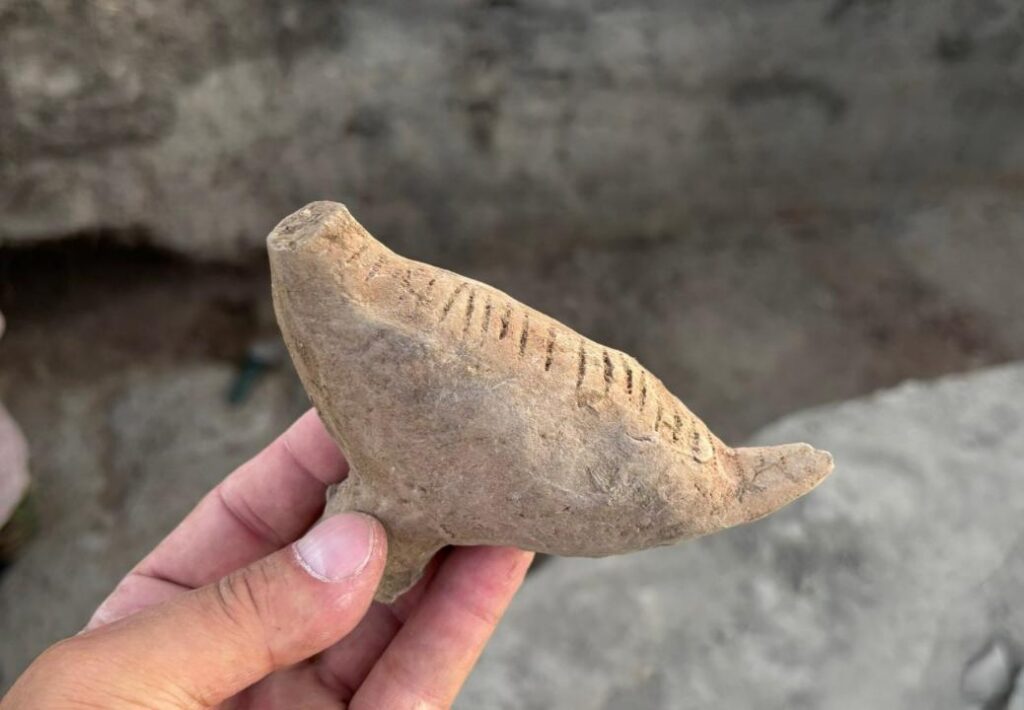
Archaeologists working in southern Uzbekistan have uncovered what may be the earliest known evidence of surgery in Central Asia. The discovery involves the remains of a Bronze Age child whose skull bears signs of trepanation, a procedure involving the deliberate opening of the skull. The discovery was reported by the Turkish archaeology magazine Arkeofili, citing research conducted by a joint Italian-Uzbek archaeological team in the historic region of Northern Bactria, near the present-day border with Afghanistan. Researchers found the skeleton of a child who died at about age five in a shared grave with another child believed to have been about three years old. The burial dates to the late third millennium BCE, approximately 4,000 years ago. According to the researchers, the older child’s skull shows clear traces of cranial trepanation, likely performed using stone or bone tools. The marks indicate that the skull was intentionally opened, making it one of the oldest known examples of surgical intervention in Asia and potentially the earliest documented evidence of surgery in Central Asia. Trepanation was practiced in various ancient societies around the world. Scholars believe it may have been used to treat conditions such as head injuries, epilepsy, severe headaches, or behavioral disorders. However, researchers note that in prehistoric societies, the boundary between medicine and ritual practice was often unclear. The remains were discovered during excavations at Djarkutan, one of the major urban centers of the Oxus Civilization, also known as the Bactria-Margiana Archaeological Complex. The civilization flourished across parts of modern-day Uzbekistan, Turkmenistan, Afghanistan, and Tajikistan between roughly 2500 BCE and 1500 BCE. It was known for its advanced agricultural systems, urban settlements, and rich material culture. The discovery adds to growing evidence that ancient Central Asia played a significant role in the development of early human societies. Last year, an international team of archaeologists reported finding evidence that hunter-gatherer communities in Uzbekistan’s Surkhandarya Valley harvested wild barley about 9,200 years ago. Researchers said the finding challenged the long-held view that the origins of agriculture were limited primarily to the Fertile Crescent.

Kyrgyzstan Chess Development a Priority Says Japarov

Kyrgyzstan chess development is a priority of state social policy, according to a decree signed by the country's president, Sadyr Japarov. Through measures such as after school clubs and training a new generation of teachers, Kyrgyzstan to the sport known as the "Game of Kings". The decree, titled “On Urgent Measures for the Development and Popularization of Chess in the Kyrgyz Republic for 2026-2030,” calls for creating conditions to broaden access to chess and strengthen the country’s system for training players and coaches. Under the decree, the Cabinet of Ministers and the Kyrgyz Chess Union have been tasked with drafting a National Program for the Development and Popularization of Chess by September 1, 2026. A Chess Development Fund is also envisaged to provide financial backing for the sport. One of the centerpiece projects is “Chess in Schools,” a pilot program that will introduce after-school chess clubs at 500 schools across the country for students in Grades 3-5 . The decree also establishes annual presidential awards for the country’s best chess player and best chess coach, with nominees to be proposed by the Kyrgyz Chess Union. The initiative has been welcomed by Aida Salyanova, the newly elected president of the Kyrgyz Chess Union and a former prosecutor general of Kyrgyzstan. Salyanova said government support creates an opportunity to turn chess into one of Kyrgyzstan’s intellectual brands and a tool for developing strategic thinking, discipline, and decision-making skills amongst young people. In a statement published after her election on May 23, she described state support for chess as an investment in human capital rather than merely support for a sport. “Chess should become part of the country’s modern educational, digital, and intellectual environment,” Salyanova said, adding that the long-term goal is to create a sustainable system extending from school chess programs to international competitive success. Kyrgyzstan has an active chess scene, though it remains a modest player internationally. At the 2025 national championship, the open title was won by International Master Eldiyar Orozbaev, while Woman FIDE Master Begimai Zairbek Kyzy won the women’s event. Five of the top 10 finishers in the open tournament were under 20, suggesting the country already has a young competitive base on which the new program can build. The decree comes as chess is attracting wider attention across Central Asia. Uzbekistan’s Nodirbek Abdusattorov won the elite Tata Steel Chess Tournament in the Netherlands in early 2026 and later rose to fourth in the live world rankings after victory at the Prague Chess Festival Masters. Kazakhstan has also been investing in chess education, including through KazChessLab, a program designed to train chess teachers for secondary schools.

Alcohol and Male Mortality in Kazakhstan: A Problem People Do Not Usually Talk About

The figures are alarming when examined closely, although Kazakhstan seems to have grown used to them. Women in the country still live noticeably longer than men. According to the Bureau of National Statistics, women’s life expectancy has reached 79.8 years, while men’s is 72.19 years. A gap of almost eight years has persisted for several years. In 2024, women lived on average to 79.42 years, while men lived to 71.33 years. In 2023, the figures were 79.06 and 70.99 years, respectively. The statistics are changing gradually, but the main conclusion remains the same: male mortality in Kazakhstan remains one of the country’s most visible demographic problems. A gender gap in life expectancy is not unique to Kazakhstan – according to estimates by Our World in Data, men live shorter lives than women in every country in the world. The problem in Kazakhstan is the size of the gap. In prosperous countries, it is often three to four years. In Kazakhstan, it is about eight. Biology explains only part of this difference. The rest comes down to behavior, environment, and habits. What the Statistics Show At first glance, the level of alcohol consumption in Kazakhstan does not look extreme. According to WHO data, in 2022, alcohol consumption in Kazakhstan stood at 5.4 liters of pure ethanol per person over the age of 15. For comparison, the figure in Germany is about 13 liters, while in Russia it is more than 11 liters. However, the average figure is not the only thing that matters. The statistics do not show exactly who drinks, how often, or in what circumstances. That is why alcohol rarely appears in official statistics as a direct cause of death, but it often remains an invisible background to tragedy. Documents may list a heart attack, an injury, liver disease, or complications after poisoning, yet alcohol abuse may be a contributing factor behind many of these diagnoses. According to the WHO, more than 3 million people worldwide die every year from diseases and consequences related to alcohol, and a significant share of these deaths are among men. Kazakhstan has also appeared in international rankings of countries with high alcohol-related mortality. The example of Almaty is also revealing: over the course of a year, more than 6,000 cases of poisoning from alcoholic products were recorded there, around 2,000 people were hospitalized, and 23 cases ended in death. But even these data reflect only part of the problem. Alcohol may not be named as the main culprit, although it can trigger or intensify a chain of consequences, including heart disease, injuries, gastrointestinal diseases, infections, cancer, and mental disorders. Why Men in Particular According to the Bureau of National Statistics collection Men and Women of Kazakhstan, in 2023 there were 95 cases of alcohol-related disorders per 100,000 men, compared with 18 among women. Men suffer from these problems 5.3 times more often. The portrait of the typical consumer is also recognizable. Most often, this is a man aged 30 to 44, with secondary...

A Polyphonic Process: Kazakhstan at the 2026 Venice Biennale

"There is a Kazakh proverb that says: a foolish person arrives with noise, sweeping everything away in their path, while a wise person arrives quietly, carefully observing the world around them." Syrlybek Bekbota, the curator of the Kazakhstan Pavilion at the 61st Venice Biennale – the most important art event in the world – offers me this thought at the dawn of the exhibition's opening, and it feels like both a manifesto and an omen. The theme of the pavilion is perfectly in line with the overarching curatorial theme, In Minor Keys, conceived by the late Cameroonian-Swiss curator Koyo Kouoh, who tragically passed away before the Biennale opened. And yet the controversies around this edition contradicted this minor key premise, instead turning it into a highly political event: the jury's resignation, widespread protests against the participation of Israel and Russia, rallies against the exploitation of art workers. The Kazakh pavilion was not immune to controversies itself, after artist Äsel Kadyrhanova's installation Machine (2013) – a meditation on Stalin-era repression featuring a vintage typewriter, Soviet-era arrest warrants, and red thread – was dismantled before the exhibition opened. However, on the day of the pavilion inauguration itself, no trace of the controversies was visible inside the high-ceilinged space. Listening to the Quiet Housed within the Museo Storico Navale near the Arsenale entrance, Qoñyr: The Archive of Silence marks Kazakhstan's third participation in the International Art Exhibition of La Biennale di Venezia, and its most ambitious yet. It is also worth noting that it is the first time a Central Asian nation has selected its pavilion curator and artists through an open call – open to citizens of Kazakhstan, with priority given to those currently living and working in the country. It is a deliberate emphasis on rootedness rather than the diaspora-friendly internationalism that, for better or worse, dominates many national pavilions. The exhibition centres around the word qoñyr, a key term in Kazakh cosmology. While its literal meaning refers to the colour brown, qoñyr carries a far richer metaphorical significance: it can describe a sonic register, the scent of earth, or a form of silence with deeply embodied meaning. It is the attentiveness to minor vibrations – the wind, the breath, a footstep – that renders audible what is usually displaced by noise. The pavilion takes its cue from a traditional Kazakh instrumental composition of the same name by the twentieth-century composer Äbiken Khasenov, whose work embodies a broader cultural shift: as cultural theorist Zira Nauryzbay has noted, Kazakh music before the twentieth century was predominantly composed in major keys, while the century's upheavals – Soviet occupation, famine, mass deportations – precipitated a distinctive turn toward minor tonalities. That sonic transformation is the exhibition's guiding metaphor. "In periods of global instability, attention is often drawn to loud events and immediate reactions," the curator Bekbota explains. "Within this atmosphere of noise, personal memory, everyday experience, and quieter forms of knowledge can easily remain unnoticed." His curatorial wager is that restraint, rather than volume, can...

Love Takes Center Stage at TEDxMarvila in Lisbon

Pátio da Galé, one of Lisbon’s most iconic public spaces, became a gathering place for ideas, art, and cultural exchange on Saturday as TEDxMarvila held its latest edition under the theme “What is Love.” Held in the heart of the Portuguese capital, the event drew an international audience for a full day of talks exploring love as emotion, language, identity, and shared human experience. Anel Imanbay, who is originally from Kazakhstan, founded and organized the event. She has built TEDxMarvila as a Lisbon-based platform that brings together people of different nationalities and creative backgrounds. This year’s edition extended beyond the stage, featuring an art exhibition titled “Love at First Sight,” which brought together artists from around the world. Among the participating artists was acclaimed Kazakhstani artist Eduard Kazaryan, who exhibited three works as part of the program. Kazakhstan was also represented diplomatically at the event. Jean Galiev, Kazakhstan’s ambassador to Portugal, attended as an honorary guest, adding to the gathering’s international character and its connections with the Kazakhstani community abroad. The event created an atmosphere of openness and exchange. Guiomar de Oliveira, one of the attendees, said the event showed how differently people can express the same universal emotion. “It was interesting to hear how different people translated love as emotion with words,” she said. “I met people from all over the world. Love is international, and I loved meeting all those translators of emotions.” Behind the scenes, organizers said the event reflected the work of a committed international team. Co-organizer Henrique Tiago del Castro praised Imanbay’s leadership in developing the event. “Anel Imanbay is the kind of professional who brings clarity, dedication, and a strong sense of purpose to every project she is part of,” he said. “For TEDxMarvila, her contribution reflects both confidence and thoughtful engagement, helping shape the conversation with relevance and depth.” With its blend of talks, international art, and cross-cultural participation, TEDxMarvila highlighted love as both a personal emotion and a language of connection across communities and borders.