• KGS/USD = 0.01144 0%
  • KZT/USD = 0.00195 0%
  • TJS/USD = 0.10866 -0.18%
  • UZS/USD = 0.00008 -0%
  • TMT/USD = 0.28490 0%
  • KGS/USD = 0.01144 0%
  • KZT/USD = 0.00195 0%
  • TJS/USD = 0.10866 -0.18%
  • UZS/USD = 0.00008 -0%
  • TMT/USD = 0.28490 0%
  • KGS/USD = 0.01144 0%
  • KZT/USD = 0.00195 0%
  • TJS/USD = 0.10866 -0.18%
  • UZS/USD = 0.00008 -0%
  • TMT/USD = 0.28490 0%
  • KGS/USD = 0.01144 0%
  • KZT/USD = 0.00195 0%
  • TJS/USD = 0.10866 -0.18%
  • UZS/USD = 0.00008 -0%
  • TMT/USD = 0.28490 0%
  • KGS/USD = 0.01144 0%
  • KZT/USD = 0.00195 0%
  • TJS/USD = 0.10866 -0.18%
  • UZS/USD = 0.00008 -0%
  • TMT/USD = 0.28490 0%
  • KGS/USD = 0.01144 0%
  • KZT/USD = 0.00195 0%
  • TJS/USD = 0.10866 -0.18%
  • UZS/USD = 0.00008 -0%
  • TMT/USD = 0.28490 0%
  • KGS/USD = 0.01144 0%
  • KZT/USD = 0.00195 0%
  • TJS/USD = 0.10866 -0.18%
  • UZS/USD = 0.00008 -0%
  • TMT/USD = 0.28490 0%
  • KGS/USD = 0.01144 0%
  • KZT/USD = 0.00195 0%
  • TJS/USD = 0.10866 -0.18%
  • UZS/USD = 0.00008 -0%
  • TMT/USD = 0.28490 0%
17 December 2025

Viewing results 247 - 252 of 1060

Kyrgyzstan to Ban Frog Imports to Combat Drug Trafficking

On January 23, Kyrgyzstan’s parliament discussed amendments to the law on combating the illicit trafficking of narcotics and psychotropic substances. Among the proposed changes is a ban on the import of frogs and toads, which can contain psychoactive substances. Psychoactive Risks of Amphibians During the parliamentary session, MP Iskhak Masaliyev questioned the use of the term “living organisms” in the text of the bill and asked for clarification. Deputy Health Minister Kaarmanbek Baidavletov explained that certain species of toads, whose skin and venom have narcotic effects, are prevalent in some countries. The amendment aims to prevent the import of such amphibians into Kyrgyzstan. Nurbek Abdiyev, Deputy Head of the Interior Ministry, elaborated that the term “living organisms” encompasses both plants and animals, including dried toads that are used as sources of banned substances. Unusual Laws and Global Context The bill’s sponsor, Meder Aliyev, referenced examples of foreign legislation to highlight the necessity of such laws, even if they may seem unusual. “For instance, in one U.S. state, teenagers are forbidden to kiss frogs because some frogs secrete psychoactive substances,” Aliyev said. While MP Iskhak Masaliyev supported the bill, he criticized its wording. “It turns out that now our young people are forbidden to kiss frogs! I’m not against this initiative, but it should have been analyzed in more detail when drafting. A frog is not just a living organism - it is an animal, an amphibian,” he said. The Danger of 5-MeO-DMT Some amphibians, such as the Bufo alvarius toad, secrete the psychoactive substance 5-MeO-DMT (5-methoxy-N,N-dimethyltryptamine). This powerful alkaloid, belonging to the class of tryptamines, can cause intense hallucinations, euphoria, and a sensation of warmth when its vapors are inhaled. The compound is known for its use in shamanic rituals in South America and poses risks of misuse in other contexts. Legislative Context The proposed amendment aims to address concerns about the potential for these amphibians, or their derivatives, to be trafficked for illegal drug use. By banning their import, Kyrgyzstan seeks to prevent the introduction of new psychoactive substances into the country, reinforcing its broader fight against drug trafficking. The debate over the bill underscores Kyrgyzstan's ongoing efforts to strengthen its drug policies while also illustrating the challenges of crafting precise legislative language. While some aspects of the law may seem peculiar, the government views it as a necessary step to curb the risks posed by psychoactive substances derived from amphibians.
Bishkek Authorities Plan to Relocate Railroad and Build Expressway

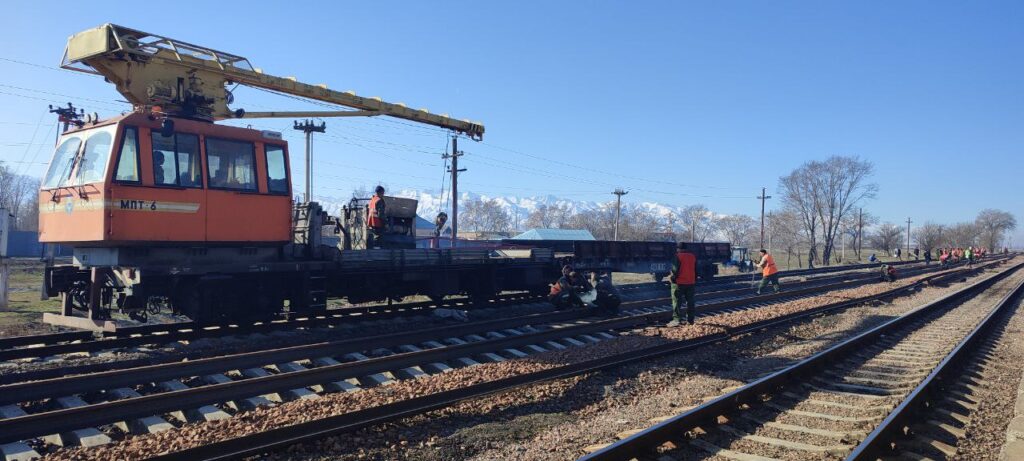
Bishkek City Hall has unveiled plans to relocate the railroad from the city center to the outskirts, replacing it with an expressway and residential developments with integrated shopping centers. While the initiative aims to modernize the capital's infrastructure, it has drawn criticism from experts in transportation and urban planning. Plans for Relocation Bishkek Mayor Aibek Junushaliev outlined the project during a parliamentary session, revealing that the new railroad route would be constructed near the northern bypass road. The Chinese company China Road and Bridge Corporation (CRBC) has expressed readiness to finance the project, which is estimated to cost $550 million. In exchange, CRBC is seeking ownership of the land vacated by the current railroad. Alternatively, the city is also exploring the possibility of self-financing the project. “We've conducted the necessary studies. Relocating the railroad to the south of Bishkek would harm the environment, so we decided to move it to the north, outside the city,” Junushaliev explained. He added that the project would include the creation of a new transportation hub with a railroad and a modern railway station. CRBC recently presented several potential routes for the relocated railroad during a working meeting with city officials. Criticism from Experts Despite the ambitious nature of the proposal, the plan has been met with skepticism from some in Kyrgyzstan. Specialists in transport infrastructure argue that Bishkek’s traffic congestion issues would be better addressed by improving traffic regulation and constructing multi-level interchanges, rather than embarking on an expensive relocation project. Talant Sadakbayev, head of the Independent Engineering Association, emphasized the need for detailed planning and feasibility studies before proceeding. “Relocating the railroad will involve more than just moving the tracks—it will require rebuilding the entire railroad infrastructure, including stations, sidings, signal systems, and freight loading and unloading facilities. This is a complex and costly endeavor,” Sadakbayev told The Times of Central Asia. He added that Kyrgyzstan already has affordable access to reinforced concrete due to production quarries near Bishkek, suggesting that constructing an expressway over the existing railroad could be a more cost-effective solution. Challenges and Alternative Solutions Sadakbayev questioned whether the proposed expressway would deliver the anticipated benefits, stressing the importance of data-driven planning. “Authorities need to analyze cellular data to determine where people live and work, as well as how cargo and passenger traffic is organized. In some areas, solutions might involve widening streets, improving traffic signals, or simply changing road markings,” he said. Sadakbayev also noted that Bishkek’s road network problems are not being addressed comprehensively, leading to persistent traffic congestion. He criticized the lack of specialized expertise within city authorities, pointing to this as a barrier to effective urban planning. Future Developments In addition to the railroad relocation project, the mayor’s office is planning to build new traffic interchanges to alleviate congestion. CRBC is also expected to participate in these developments. According to Mayor Junushaliev, construction on three overpasses in different parts of Bishkek will commence in the near future. While the relocation of the railroad and the construction...

Kyrgyz Deputy Maripov Proposes Moving Capital Away From Bishkek

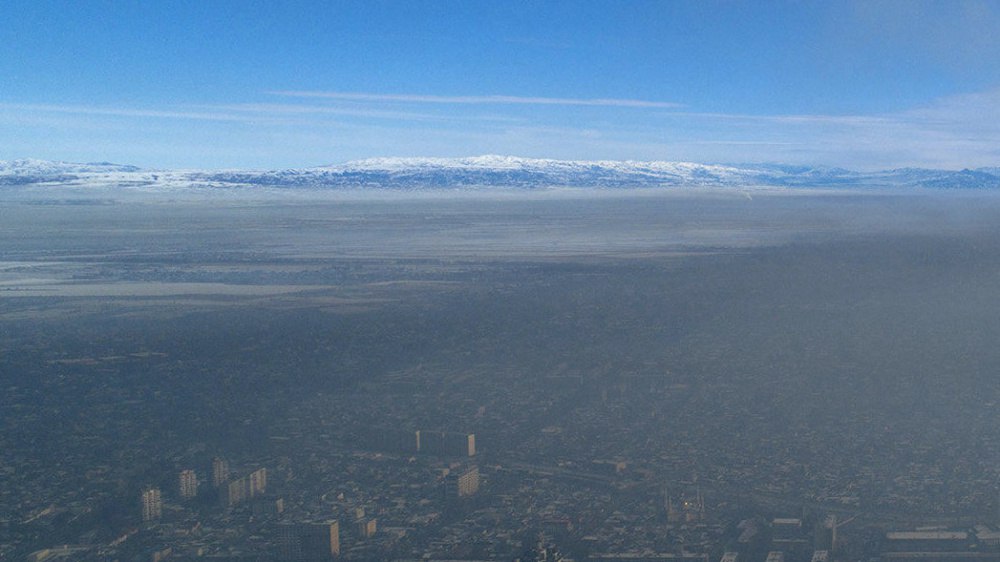
Jogorku Kenesh (Parliament) deputy Bakytbek Maripov has proposed moving Kyrgyzstan’s capital away from Bishkek, presenting the idea during a parliamentary session on January 22. Maripov argued that even radical measures to improve Bishkek’s infrastructure - such as reforming the city’s management system or developing transportation networks - would be insufficient to solve its persistent issues with smog and traffic congestion. The deputy suggested that relocating the capital could offer an effective long-term solution, particularly when viewed in the context of large-scale investment opportunities. He cited a comparison of major infrastructure costs: for instance, the construction of the planned city of Asman on the coast of Issyk-Kul is already drawing $10 billion in investments. Meanwhile, relocating Bishkek’s railroad infrastructure would cost $550 million, and building a ring road around the city would require approximately $1 billion. “If the capital were moved, the problems of traffic congestion and air pollution could be avoided,” Maripov emphasized. Although the proposal to move the capital remains at an early stage, it has sparked significant debate among lawmakers and the public. Bishkek’s Challenges: Traffic and Smog Bishkek is grappling with severe traffic congestion and air pollution, which are fueling calls for drastic action. According to data from the 2GIS navigation service, residents spent 777 hours stuck in traffic during July, August, and September of 2024. In October, congestion levels in the city reached nine out of 10 points. The primary factors contributing to traffic jams include a surge in the number of vehicles, insufficient road capacity, and inefficient traffic light management. The city’s air pollution problem is equally pressing. In November 2024, Bishkek ranked among the top 10 most polluted cities in the world. Key sources of pollution include emissions from motor vehicles, the use of low-quality fuels for heating private homes, and unfavorable meteorological conditions that trap pollutants. Government Efforts and Public Concerns Authorities have introduced several initiatives to address Bishkek’s environmental and transportation challenges. In January 2025, the Jogorku Kenesh discussed measures aimed at reducing smog and alleviating traffic congestion in both Bishkek and Osh. However, despite ongoing efforts, the situation remains critical, underscoring the need for a comprehensive and systemic approach to improving urban infrastructure and environmental conditions. While the idea of relocating Kyrgyzstan’s capital is far from finalized, it has already opened up discussions about long-term solutions to Bishkek’s chronic problems. For now, the debate continues as the city’s residents and lawmakers consider the potential benefits and challenges of such a monumental shift.

Tokayev’s Approval Rating Soars Amid Economic Gains, But Leadership Challenges Persist

President Kassym-Jomart Tokayev’s approval rating remains consistently high, as confirmed by multiple surveys. However, experts note challenges within Kazakhstan's political landscape, including a lack of standout leaders and frequent staff turnover in government structures. High Approval Ratings Linked to Economic Well-Being In December 2024, the Social and Political Research Foundation "Strategy" released a survey showing President Tokayev's approval rating at 80.4%. This marks an increase from December 2023, when the foundation reported a 76.4% approval rating. Other studies corroborate these findings; for instance, the Kazakhstan Institute for Strategic Studies found in July 2024 that 77.1% of Kazakhstanis trust the president. Explaining the methodology behind these surveys, Gulmira Ileuova, head of the Strategy Foundation and a member of the advisory public organization, the National Kurultai, told the Times of Central Asia: “The question to respondents is framed as, ‘Do you approve of the activities of the president, parliament, and government?’ Of those surveyed, 80.4% chose ‘I approve/Somewhat approve.’ Additionally, a separate project showed trust in the president at 77%.” Ileuova highlighted that Tokayev has faced numerous social, economic, and political challenges during his tenure. She noted a significant drop in his approval rating during December 2021, when the COVID-19 pandemic and quarantine restrictions were in effect. At that time, his approval rating fell to 40%. However, it rebounded in the subsequent years, reaching its highest level in 2024. By comparison, the government and parliament lag in terms of public support, with approval ratings of 59% and 54%, respectively. Ileuova explained that such gaps between the president’s popularity and that of other branches of government were also characteristic during the presidency of Nursultan Nazarbayev, which ended in 2019. The sustainability of these high ratings, she argued, hinges on the country’s economic performance. Historically, fluctuations in citizens’ well-being have had a direct impact on the approval ratings of political leaders. Criticism and Public Perception Despite the high ratings, Ileuova acknowledged skepticism toward her research. Critics often accuse survey organizations of bias, particularly those who inhabit what she describes as “information bubbles.” “On social media, individuals often focus solely on content that aligns with their negative perception of the president or the country’s overall situation. For example, some claim the government failed to help flood victims. While isolated cases exist, most victims received aid, and houses were built for them. Of course, there are valid reasons for criticism, but there are also many achievements that benefit ordinary people,” she explained. The connection between Tokayev’s approval rating and public living standards is evident. According to Strategy’s December 2024 survey, 29.6% of respondents described their financial situation as “good” or “very good,” while 15% rated theirs as “bad” or “very bad.” The majority - 52.8% - said their family’s financial situation is “average.” The Challenge of Personnel Management Experts point to difficulties in assessing President Tokayev’s personnel policies. While some figures - such as Mazhilis Speaker Yerlan Koshanov, Senate Speaker Maulen Ashimbayev, State Counselor Yerlan Karin, and Prime Minister Olzhas Bektenov - maintain steady approval ratings,...

Kazakhstan Plans to End State Regulation of Fuel Prices

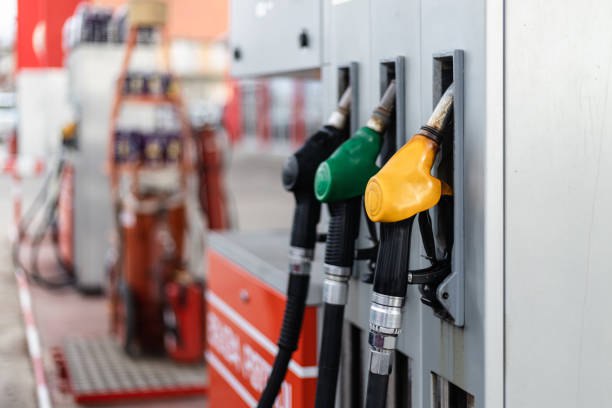
Kazakhstan's Ministry of Energy is considering the phased liberalization of gasoline and diesel fuel prices as part of a broader reform aimed at addressing price disparities with neighboring countries and curbing illegal fuel exports. The proposed changes have been outlined in a draft document published on the Open NAP portal. The reform would gradually shift fuel pricing from state regulation to a market-based system. Since May 2024, Kazakhstan has implemented a differentiated pricing mechanism, but the Ministry of Energy acknowledges that state regulation has made Kazakhstan the country with the lowest fuel prices in the region. This disparity has incentivized “gray” fuel exports - illegal cross-border sales - and contributed to domestic shortages of petroleum products. Currently, a liter of AI-92 gasoline in Kazakhstan costs 205 KZT ($0.39), significantly cheaper than in neighboring countries: Russia: 288 KZT ($0.54) Kyrgyzstan: 385 KZT ($0.72) Uzbekistan: 489 KZT ($0.92) The price gap is similarly wide for diesel fuel: Kazakhstan: 295 KZT ($0.56) Russia: 355 KZT ($0.67) Kyrgyzstan: 427 KZT ($0.80) Uzbekistan: 528 KZT ($0.90) Price differences for gasoline range from 40% to 138%, while for diesel fuel the gap is between 20% and 79%. The Ministry of Energy emphasizes that this price liberalization is crucial for addressing the challenges caused by these discrepancies. According to the Ministry, the reform will help: Prevent illegal fuel exports. Ensure the economic viability of oil production projects. Enable expansion of refinery capacity from 18 million to 28 million tons per year. The modernization of the oil refining sector, spurred by market-based pricing, would also create new jobs and provide additional funding for government programs. “Phased liberalization of prices with priority support for socially vulnerable segments of the population is necessary. It will create a sustainable system for supplying the domestic market and ensure economic feasibility,” the Ministry’s explanatory note states. The Ministry has assured the public that the transition to market pricing will be gradual and carefully managed to avoid sharp or sudden price increases. Authorities also promise strengthened oversight of the fuel and lubricants market to ensure uninterrupted supply and compliance with legal standards. Agricultural producers, a key sector reliant on affordable fuel, will retain access to subsidized pricing under transparent mechanisms. Additionally, the government has pledged to implement social support measures to protect low-income and vulnerable populations from the financial impact of rising fuel prices. “Liberalization will ensure predictability of changes and create conditions for modernization of the industry. Social support will be prioritized, and agricultural producers will continue to benefit from structured access to fuel,” the Ministry emphasized. Kazakhstan’s plan to phase out state regulation of fuel prices marks a significant shift in the country’s energy policy. By transitioning to market pricing, the government aims to address long-standing challenges, including illegal exports and underinvestment in refinery modernization, while also ensuring social protections for vulnerable groups. The success of this reform will depend on how effectively the government balances economic modernization with public concerns over rising fuel costs.

Study Highlights Plastic Waste Challenges in Kazakhstan

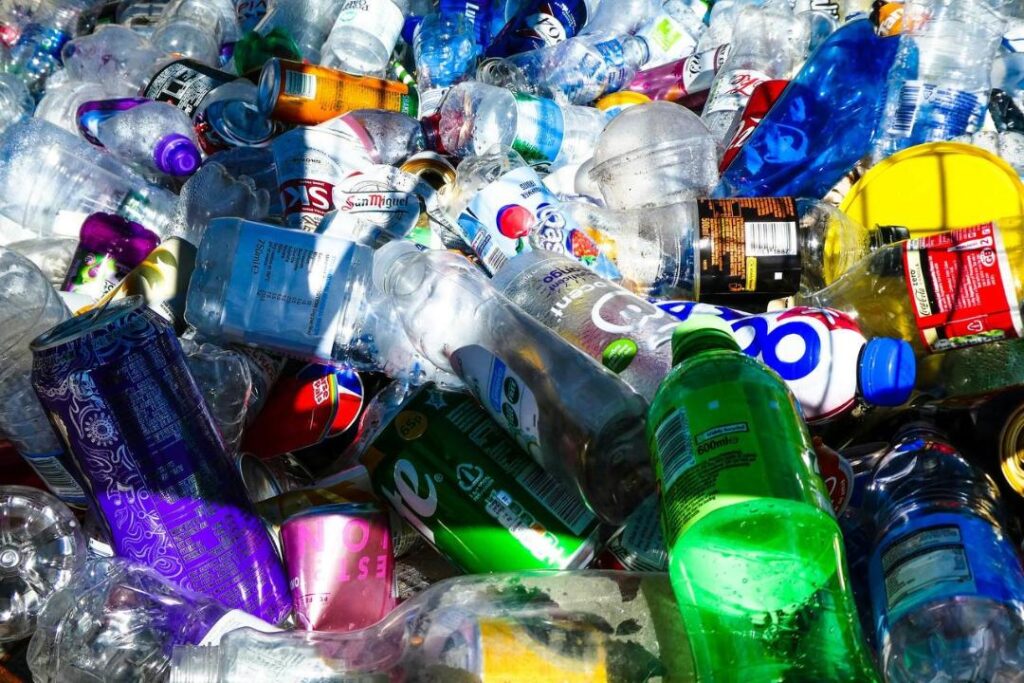
Kazakhstan is grappling with a growing plastic pollution problem, as highlighted in a recent study conducted by the Ministry of Ecology and Natural Resources. The research, covering the period from 2013 to 2022, provides critical insights into the increase in plastic consumption, the resulting waste, and the systemic challenges that hinder effective waste management. The findings were part of the regional project "Plastic Waste in Remote and Mountainous Areas of Kazakhstan and Uzbekistan," implemented by the CSD Center (Cooperation for Sustainable Development of the Republic of Kazakhstan). Rapid Growth in Plastic Consumption The study revealed a significant rise in the volume of plastic products entering the Kazakh market over the past decade, increasing from 387,000 tons in 2013 to 855,000 tons in 2022. Key industries driving this growth include: Packaging: Representing over 23% of total plastic consumption, with 196,000 tons used in 2022 alone. Construction: Accounting for 19% (167,000 tons), where plastic is used in durable materials such as pipes and insulation. Transport: Consuming 17% of all plastic due to the increased production of vehicles and the use of lightweight plastic components. Escalation in Plastic Waste The growing use of plastic has led to a corresponding rise in waste. In 2022, plastic waste generation reached 296,000 tons, more than double the amount recorded in 2013. Packaging remains the largest source of waste, comprising 66% of the total, largely due to the prevalence of disposable plastic bags and other single-use packaging materials. By contrast, the construction and transport sectors generated relatively less waste, as the plastic used in these industries typically has a longer lifespan. The study also identified the primary types of plastic waste in Kazakhstan: Polyethylene: 38% Polypropylene: 23% Polyethylene terephthalate (PET): 14% Challenges in Plastic Waste Management The research outlined several obstacles that hinder effective management of plastic waste in Kazakhstan: Insufficient Infrastructure: Existing waste management facilities are unable to handle the growing volumes of plastic waste. Lack of Separate Collection Systems: The absence of infrastructure for sorting waste at the source limits recycling efforts. Low Environmental Awareness: A significant portion of the population remains unaware of the importance of waste sorting and recycling. Recommendations for a Circular Economy To address these issues, the study suggests improving legislation to limit the use of single-use plastic items and promote the adoption of recycled materials. These measures could create favorable conditions for Kazakhstan’s transition to a circular economy, where resources are reused and recycled rather than discarded. Additionally, the research emphasizes the need to develop infrastructure for waste sorting and recycling while raising public awareness about the environmental impact of plastic pollution. Regional Context Kazakhstan’s findings are part of broader efforts across Central Asia to combat plastic pollution. Countries in the region, including Kazakhstan, are exploring initiatives such as phasing out plastic bags to address the growing environmental challenge. For an overview of these regional efforts, see The Times of Central Asia’s reporton plastic bag bans. Conclusion Kazakhstan’s plastic waste study highlights the urgent need for systemic change in managing...