• KGS/USD = 0.01144 0%
  • KZT/USD = 0.00216 0%
  • TJS/USD = 0.10456 0%
  • UZS/USD = 0.00008 0%
  • TMT/USD = 0.28571 0%
  • KGS/USD = 0.01144 0%
  • KZT/USD = 0.00216 0%
  • TJS/USD = 0.10456 0%
  • UZS/USD = 0.00008 0%
  • TMT/USD = 0.28571 0%
  • KGS/USD = 0.01144 0%
  • KZT/USD = 0.00216 0%
  • TJS/USD = 0.10456 0%
  • UZS/USD = 0.00008 0%
  • TMT/USD = 0.28571 0%
  • KGS/USD = 0.01144 0%
  • KZT/USD = 0.00216 0%
  • TJS/USD = 0.10456 0%
  • UZS/USD = 0.00008 0%
  • TMT/USD = 0.28571 0%
  • KGS/USD = 0.01144 0%
  • KZT/USD = 0.00216 0%
  • TJS/USD = 0.10456 0%
  • UZS/USD = 0.00008 0%
  • TMT/USD = 0.28571 0%
  • KGS/USD = 0.01144 0%
  • KZT/USD = 0.00216 0%
  • TJS/USD = 0.10456 0%
  • UZS/USD = 0.00008 0%
  • TMT/USD = 0.28571 0%
  • KGS/USD = 0.01144 0%
  • KZT/USD = 0.00216 0%
  • TJS/USD = 0.10456 0%
  • UZS/USD = 0.00008 0%
  • TMT/USD = 0.28571 0%
  • KGS/USD = 0.01144 0%
  • KZT/USD = 0.00216 0%
  • TJS/USD = 0.10456 0%
  • UZS/USD = 0.00008 0%
  • TMT/USD = 0.28571 0%

Viewing results 115 - 120 of 266

How Central Asia Is Shifting From Russia Towards Turkey

For Turkey, a NATO member and EU hopeful, the Organization of Turkic States (OTS) is an instrument that helps Ankara increase its presence in the strategically important region of Central Asia. For Kazakhstan, Kyrgyzstan, Uzbekistan, and Turkmenistan, the Turkish-dominated group seems to be a tool that allows them to achieve their economic goals, while also continuing to distance themselves from Russia. Although Moscow still has a relatively strong foothold in Central Asia, it does not seem able to prevent the growing role of the Organization of Turkic States in the post-Soviet space. This entity – whose members are Azerbaijan, Kazakhstan, Kyrgyzstan, Turkey, and Uzbekistan, while Turkmenistan, Hungary, and the self-proclaimed Turkish Republic of Northern Cyprus hold observer status – has the potential to eventually serve as a counterbalance not only to Russian, but also Chinese influence in the region. Since its foundation in 2009, the OTS has held ten summits of its leaders. Over this period, the intergovernmental organization’s working bodies have also convened dozens of times. On November 5-6 in the Kyrgyz capital Bishkek, the OTS heads of states will meet for the eleventh time to discuss the future of the Turkic world. Although the agenda has yet to be announced, it is believed that the OTS leaders will seek to strengthen economic cooperation between its members. Currently, their major trade partners are nations outside the bloc. For instance, Turkey’s largest trading partner is Germany, Azerbaijan’s is Italy, while China has recently become Kazakhstan’s biggest trade partner with bilateral trade hitting $31.5 billion. For neighboring Kyrgyzstan and Uzbekistan, China and Russia remain the most important economic partners. One of the group’s major problems is the fact that its members, excluding Turkey, are landlocked countries heavily-dependent on Russia and China geographically. Turkmenistan and Kazakhstan, as major energy exporters, rely on oil and gas pipelines traversing Russian territory to reach their customers in Europe. It is, therefore, no surprise that the Organization of Turkic States governments’ agreed in September to create a simplified customs corridor, aiming at reducing the number of documents required for customs operations and customs procedures between OTS member states. In other words, they plan to increase trade among themselves. According to Omer Kocaman, OTS Deputy Secretary-General, the Turkic nations are also looking to “continue cooperation to stimulate positive changes in their financial systems.” That is why the organization has recently launched the Turkic Investment Fund – the first joint financial institution for economic integration of the Turkic countries, with an initial capital of $500 million. Kyrgyzstan’s Chamber of Commerce and Industry announced on October 17 that, starting in January 2025, the Turkic Investment Fund will begin financing major joint projects in OTS nations. However, in July, Azerbaijani President Ilham Aliyev said that the current structure of the Organization of Turkic States does not meet its established goals, and that its budget is insufficient for their implementation. In order to change that, on October 19, ministers of economy and trade of the OTS nations met in Bishkek to...

Navigating Afghan-Pakistani Conflict: Central Asia’s Mediating Role in Regional Stability

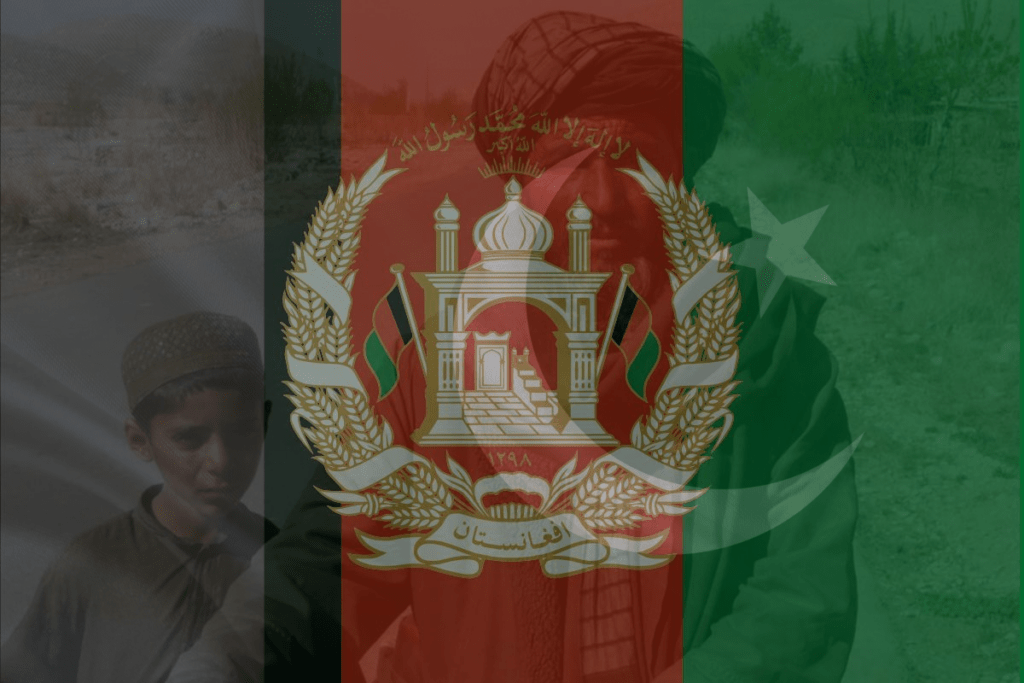
Recently, there has been a significant increase in tensions between Afghanistan and Pakistan, with both sides regularly exchanging accusations. In addition to this, border conflicts have become more frequent, with border crossings periodically closed. According to Modern Diplomacy, both countries are in a state of quite severe political conflict, and distrust and hostility from the Afghan population towards Pakistan is growing even though the "victory of the Taliban and the reincarnation of the Islamic Emirate... should have been a victory for Pakistan and strengthened its position in the region.” The confrontation between the two neighbors in South Asia is a source of concern for other countries in the region, especially for the Central Asian republics, which are increasingly acquiring the status of independent players in their dealings with Afghanistan. Due to their proximity, these republics to varying degrees link their development with a stable Afghanistan designed to become a bridge to South Asia. Negative dynamics in Afghan-Pakistani relations are a cause of much wringing of hands. Pakistan was among the first states to recognize the independence of the former Soviet Central Asian republics and has dynamic ties with them. Pakistan's trade turnover with the region is roughly $500 million annually, most of which comes from imports to Pakistan. The nations are linked by the Quadrilateral Traffic in Transit Agreement (QTTA), the Turkmenistan-Afghanistan-Pakistan-India (TAPI) gas pipeline project, the CASA-1000 energy project, and the Uzbekistan–Afghanistan–Pakistan Railway Project. The majority of these projects use Afghanistan as a bridge between Central Asia and Pakistan. In this regard, the countries of Central Asia are interested in a political situation which excludes confrontational approaches; none of them are interested in further destabilization in Afghanistan. In the Central Asian republics, there is a well-established understanding of Pakistan's exceptional and particularly important role in Afghanistan’s stability. Pakistan has a defining influence on security in Afghanistan and has historically been the most integrated in Afghan issues at the level of political and multi-ethnic conflicts. Pakistan is linked to its neighbor by historical and socio-cultural ties. In reality, however, a different story is emerging. At both a global and regional level, active measures out of Islamabad set to discredit the de facto Taliban-led government of Afghanistan have been observed. Islamabad has undertaken a robust information campaign, which has put forward an entrenched narrative about Afghanistan being one of the world’s major sources of terrorism. In this information war, Islamabad, being a fully-fledged member of the international community, has clear advantages and has used all available tools, including access to global platforms. Islamabad also has access to specialized committees and departments of the UN, which regularly prepare reports on the situation in Afghanistan. Unsurprisingly, it has used these to include ideas favorable its' position on the world stage. Acting as a source of information, Islamabad has presented its point of view, which the international community has largely accepted as objective information. However, it does not provide specific data, such as the size of terrorist groups or the location of their training camps....

Central Asia’s Increasing Profile in Global Climate Policy

Between 11 and 22 November, the 29th Conference of the Parties (COP29) to the United Nations Framework Convention on Climate Change (UNFCCC) will take place in Baku, Azerbaijan. In the run-up to this global event, Central Asian countries have been continuing their integration into the cooperative implementation of the global energy and environmental agenda. Such measures include, but are not limited to, commitments to reducing methane emissions, contributions to green supply chains, and — for Kazakhstan in particular — its nuclear policy based on multi-vector diplomacy. One may anticipate their especially enhanced presence in view of the fact that several them have strategic-partner relations with Azerbaijan, which is cooperating with them also in the implementation of the Trans-Caspian International Trade Corridor (TITR or "Middle Corridor"). The Central Asian states are using their implementation of global energy and environmental priorities as an instrument to integrate further into the international system. Following their participation at COP28 (30 November – 23 December 2023, in Dubai, United Arab Emirates), all five of them signed the Global Methane Pledge to reduce methane emissions by at least 30% by 2030. They have also stepped up their contributions to green supply chains, signalling their ambitions to become more important players in global geoeconomics. At the same time, these initiatives also seek to promote domestic economic diversification. Kazakhstan, in particular, continues to play a central role with its multi-vector approach, notably in the nuclear energy sector, positioning itself at the intersection of sustainability and global energy security. Kazakhstan holds 12% of global uranium reserves. It became the world’s leading producer in 2009 and in 2022 accounted for 43% of global production. In Central Asia, Uzbekistan has a Rosatom-sponsored NPP project under way, as does Kyrgyzstan. Along with Kazakhstan, Uzbekistan and Turkmenistan in particular actively engaged in discussions on climate policy at COP28, acknowledging the need to balance their resource-rich economies with global sustainability goals. One of the key outcomes was the region's collective involvement in the Global Methane Pledge. Global environmental policy bodies have assessed that methane emissions are a significant concern for global climate policy. The effect of this assessment will be to load still greater financial burdens on oil and gas companies by making development of hydrocarbon deposits, and the transmission of hydrocarbon resources to market, more expensive. Kazakhstan’s commitment to cutting methane emissions by 30% by 2030 exemplifies this shift, signalling a readiness to reform domestic industries in line with global climate targets. Turkmenistan has the highest methane emissions intensity in the region, but challenges remain in terms of monitoring and implementation. Uzbekistan’s leadership was also highlighted at COP28. The country’s ambitious plans to scale up solar and wind energy by 2030 align with broader regional goals of reducing dependence on hydrocarbons. This is Tashkent's (and the region's) way of enhancing their profile as "good global citizens" as policy decisions by political bodies at the international level increasingly emphasize decarbonization. Uzbekistan has made strides in "green supply chains" by focusing on the renewable energy sector...

The Geopolitical Battle for Kazakhstan’s First Nuclear Power Plant

Nuclear power plants currently operate in only 32 countries in the world. Kazakhstan seems poised to join their ranks in the near future; but what does this shift mean for the energy-rich Central Asian nation? Following the collapse of the Soviet Union in 1991, Kazakhstan has been a strong advocate for nuclear non-proliferation and disarmament. Astana not only eliminated its nuclear arsenal, which was one of the largest in the world at the time, but also closed the Semipalatinsk nuclear test site, where the Soviet Union conducted more than 450 nuclear tests over 40 years. Thousands of people in Kazakhstan experienced birth defects and cancer linked to nuclear testing. This history makes the construction of a nuclear power plant in the former Soviet republic a particularly sensitive issue. Nevertheless, a majority of the population in Kazakhstan is expected to support building a nuclear facility in the national referendum scheduled for October 6. But what comes after the vote? If the citizens of Kazakhstan approve the government’s plans to go nuclear, the country might get its first nuclear power plant no earlier than 2035. In the meantime, Astana will have to find a strategic partner to participate in the development of the facility. Building and operation a nuclear power plant requires advanced technology, engineering expertise, and rigorous safety standards – areas where Kazakhstan currently lacks experience. “As a result, the country will likely need to rely on international partners to design, build, and possibly even operate its first nuclear power plant,” said James Walker, CEO and Head of Reactor Development at NANO Nuclear Energy, in an interview with The Times of Central Asia. Although most policymakers in Kazakhstan would like Western companies to build a nuclear power plant in Ulken, on the western shore of Lake Balkhash, at this point the Russian State Nuclear Energy Corporation Rosatom seems to have the best chance of playing a key role in the project. In Walker’s view, Russia has a long history of cooperation with Kazakhstan in the nuclear sector and could be a logical partner, especially given its extensive experience in building and operating nuclear power plants in other countries. “Rosatom has been actively involved in Kazakhstan’s nuclear sector for years, including uranium mining and nuclear fuel cycle activities. This established presence, coupled with Russia’s geopolitical influence in Central Asia, makes Rosatom a strong contender,” stressed the CEO of NANO Nuclear Energy, pointing out that Chinese corporations are also very interested in the potential construction of the first Kazakh nuclear power plant. Indeed, according to reports, the China National Nuclear Corporation offered to build a 1.2 GW nuclear power plant unit in Kazakhstan for $2.8 billion, with the construction taking five years. Another candidate for the project is South Korea’s Korea Electric Power Corporation. The largest electric utility in the East Asian nation reportedly proposed building a water-cooled power reactor –using water as a coolant to transfer heat away from the core. Walker, however, argues that while South Korea has a competitive edge...

The Ferghana Valley: Navigating Complex Challenges in Central Asia’s Most Volatile Region

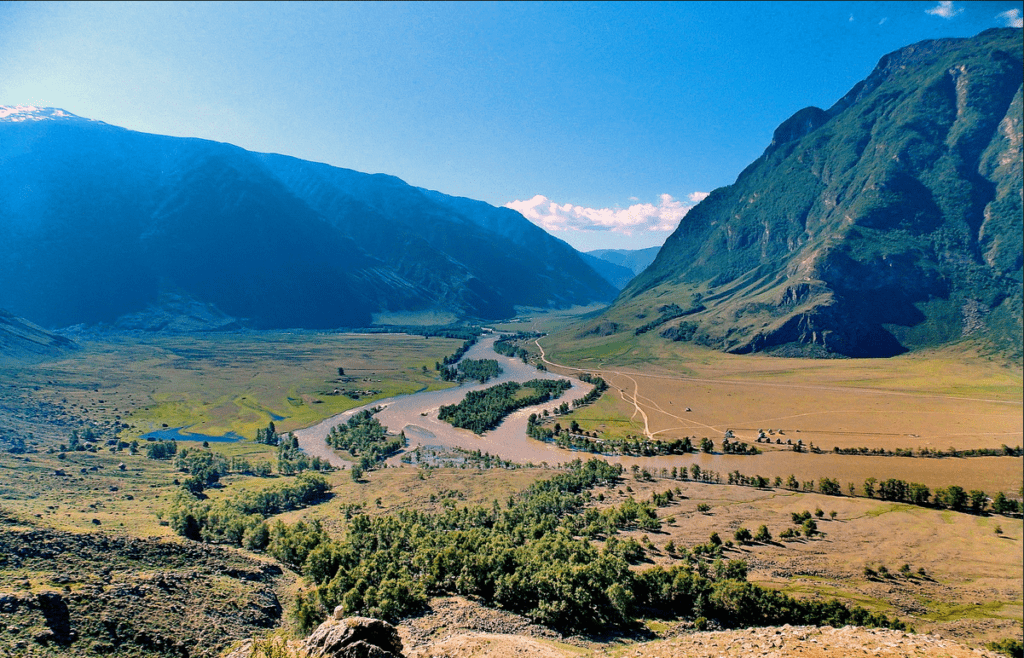
The Ferghana Valley is one of Central Asia’s most fertile and densely populated areas, but it is also among the most volatile. Spanning Uzbekistan, Kyrgyzstan, and Tajikistan, this landlocked region has long been a hotbed of ethnic tension, water disputes, and political instability. These challenges are deeply rooted in the geography, history, and sociopolitical landscape, making the valley a key focal point for understanding broader regional dynamics in Central Asia.   Geographical Importance and Ethnic Diversity Nestled between the towering Tien Shan and Pamir Mountain ranges, the Ferghana Valley covers over 22,000 square kilometers. It is fertile land nourished by the Syr Darya River, making it a critical area for cultivating cotton, fruits, and vegetables. These natural resources have historically drawn diverse populations, creating a vibrant ethnic mosaic. The valley is home to Uzbeks, Kyrgyz, and Tajiks, as well as smaller ethnic groups. While ethnic Uzbeks form the majority, significant Kyrgyz and Tajik minorities inhabit border regions. The ethnic diversity of the Ferghana Valley is both a strength and a source of tension. Soviet-era border policies exacerbated these divisions by creating artificial boundaries that crisscrossed the valley, leaving behind ethnic enclaves — pockets of one nationality surrounded by the territory of another. These enclaves have complicated governance and territorial integrity, making border management a persistent challenge.   The Soviet Legacy and Border Disputes During Soviet rule, the Central Asian republics were organized under Stalin’s divide-and-rule strategy, which deliberately created complex borders to weaken local identities and prevent regional unity. The Ferghana Valley, divided among three Soviet republics, is a prime example of this approach. After the Soviet Union's collapse in 1991, the administrative boundaries became international borders overnight between Uzbekistan, Kyrgyzstan, and Tajikistan. The lack of clearly defined borders has sparked numerous conflicts over territory, water, and land. A notable clash between Kyrgyzstan and Tajikistan in 2021 resulted in over 40 deaths and the destruction of homes and infrastructure. Many disputes revolve around access to scarce resources like water and arable land. These issues have escalated into violent confrontations, leading to casualties and the displacement of local populations.   Water: A Scarce and Contested Resource Water is the lifeblood of the Ferghana Valley, but disputes over its allocation are a major source of tension. The valley depends heavily on irrigation for its agricultural productivity, and the Syr Darya River, along with its tributaries, plays a crucial role in supplying water to the region. However, the division of the valley among the three countries complicates water management. Uzbekistan, the most populous of the three, relies on the valley’s water resources for its cotton industry, a cornerstone of its economy. Meanwhile, Kyrgyzstan and Tajikistan, which control the headwaters of the Syr Darya, often use their upstream position to leverage water access. This dynamic has led to frequent disagreements over water usage. For instance, Kyrgyzstan has at times threatened to withhold water unless it receives compensation, either through payments or electricity.   Ethnic Tensions and Political Instability Ethnic tensions further complicate the Ferghana Valley’s already volatile...

Uzbekistan’s Path to Reform: Navigating the 2024 Elections with a New Electoral System

Uzbekistan’s upcoming parliamentary elections, scheduled for October 27, 2024, mark an important step in the country’s political evolution. These elections will fill 150 seats in the Legislative Chamber, the lower house of the Oliy Majlis, and determine the composition of various regional, district, and city councils. In addition, 65 members of the Supreme Council of the Autonomous Republic of Karakalpakstan will also be elected. These elections are notable not only because of their timing — shifting from December to October under a 2021 reform — but also due to the adoption of a mixed electoral system that was introduced in December 2023. This shift represents an important evolution from the previous majority-based system, introducing a balance between majority and proportional representation, which will shape the composition of Uzbekistan’s Legislative Chamber. The new system reflects a broader attempt at political reform and modernization. Of the 150 seats, 75 will be decided through single-mandate districts, where the candidate with the most votes will win, while the remaining 75 will be allocated proportionally based on party results. Uzbekistan’s political landscape, however, remains limited, with only five officially registered parties. In the 2019 elections, the Liberal Democratic Party (UzLiDeP), which is closely linked to the presidency, won the most seats. While this mixed system represents a potential step forward, challenges persist in terms of political pluralism and genuine competition. Uzbekistan, in its journey toward stronger democratic practices, can find inspiration in the electoral processes of other established democracies, particularly India — the world’s largest democracy. India’s electoral system, honed over decades, has become a model for managing elections in a complex and diverse society. The parallels between Uzbekistan’s emerging political landscape and India’s robust democratic traditions offer an opportunity for learning and adaptation.