• KGS/USD = 0.01144 0%
  • KZT/USD = 0.00210 0%
  • TJS/USD = 0.10563 0%
  • UZS/USD = 0.00008 0%
  • TMT/USD = 0.28530 0%
  • KGS/USD = 0.01144 0%
  • KZT/USD = 0.00210 0%
  • TJS/USD = 0.10563 0%
  • UZS/USD = 0.00008 0%
  • TMT/USD = 0.28530 0%
  • KGS/USD = 0.01144 0%
  • KZT/USD = 0.00210 0%
  • TJS/USD = 0.10563 0%
  • UZS/USD = 0.00008 0%
  • TMT/USD = 0.28530 0%
  • KGS/USD = 0.01144 0%
  • KZT/USD = 0.00210 0%
  • TJS/USD = 0.10563 0%
  • UZS/USD = 0.00008 0%
  • TMT/USD = 0.28530 0%
  • KGS/USD = 0.01144 0%
  • KZT/USD = 0.00210 0%
  • TJS/USD = 0.10563 0%
  • UZS/USD = 0.00008 0%
  • TMT/USD = 0.28530 0%
  • KGS/USD = 0.01144 0%
  • KZT/USD = 0.00210 0%
  • TJS/USD = 0.10563 0%
  • UZS/USD = 0.00008 0%
  • TMT/USD = 0.28530 0%
  • KGS/USD = 0.01144 0%
  • KZT/USD = 0.00210 0%
  • TJS/USD = 0.10563 0%
  • UZS/USD = 0.00008 0%
  • TMT/USD = 0.28530 0%
  • KGS/USD = 0.01144 0%
  • KZT/USD = 0.00210 0%
  • TJS/USD = 0.10563 0%
  • UZS/USD = 0.00008 0%
  • TMT/USD = 0.28530 0%

Viewing results 1093 - 1098 of 2413

China to Construct Solar Plant in Uzbekistan

The Chinese company China Datang is building a solar photovoltaic power plant in the Boka district of Tashkent region. Construction began on September 21. The 263-megawatt project is expected to cost $150 million to complete, and use 621 hectares of land. It was previously reported that China will invest 1 billion dollars in an enterprise processing the hides and organs of domestic animals in the Andijan region of Uzbekistan. In June this year, the UN General Assembly unanimously adopted the resolution “International Day of Dialogue among Civilizations,” developed by the China and Uzbekistan. The resolution's primary goal is to raise awareness about the value of civilizations' diversity and to develop communication, mutual respect, and global solidarity.

Turkmenistan to take part in Turkic World Documentary Film Festival

Turkmenistan has been announced as a participant in the 9th Turkic World Documentary Film Festival, which will be held in Ankara in October this year. The festival received 300 applications from nine countries, including Turkmenistan, Kazakhstan, Kyrgyzstan, Azerbaijan, Uzbekistan, the Turkish Republic of Northern Cyprus, Hungary, and Northern Macedonia. The festival is organized by the Federation of Journalists of the Turkic World with the support of the Ministry of Culture and Tourism of Turkey, the International Turkic Culture Organization (TURKSOY), and other partners. Out of 300 submitted works, 147 films passed preliminary consideration by the jury. The festival’s grand opening is scheduled for October 11 at TURKSOY's headquarters. The competition will include works in the “feature-length documentary,” “short documentary,” and “student documentary” categories. A jury consisting of documentary filmmakers and scholars of the Turkic world will choose the winners. The festival will end on November 15 with a closing ceremony and announcement of the final results.

Restoring Roars: The Historic Return of Amur Tigers to Kazakhstan’s Wilderness

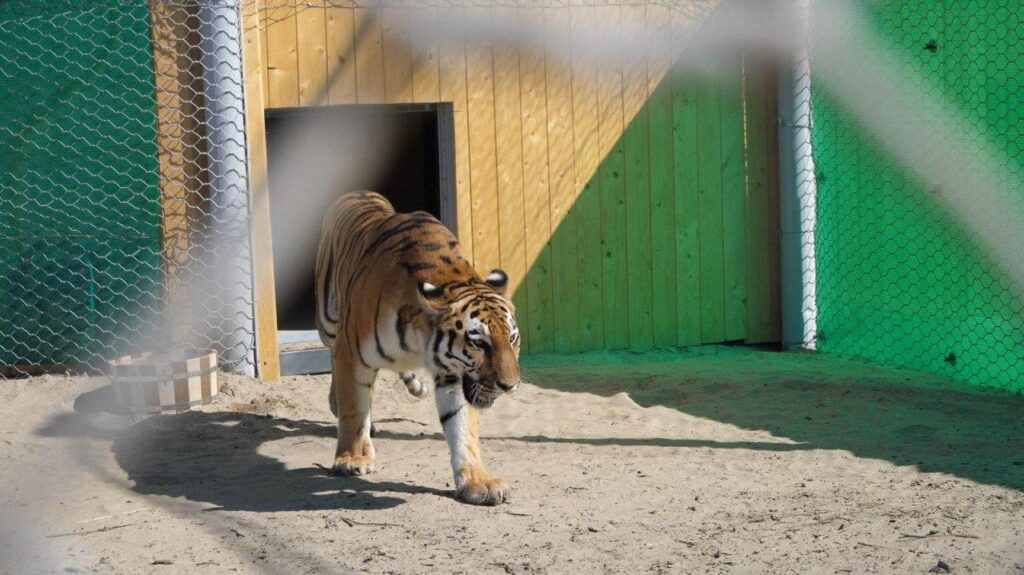
This past weekend, two Amur tigers were brought to the Ile-Balkhash State Nature Reserve in southern Kazakhstan from the Landgoed Hoenderdaell Zoo in the Netherlands. The tigers, one male and one female, will live in a specially-built enclosure in the reserve for breeding and the release of their offspring into the wild. Their offspring are expected to become the first wild tigers to reappear on Kazakhstan's territory in more than 70 years. In 2025, another three or four tigers are planned to arrive in Kazakhstan from Russia. In 2010, Kazakhstan's government announced plans to reintroduce Amur tigers to the country. Seven years later, a tiger reintroduction program was developed, and the southern shore of Lake Balkhash in the delta of the Ili River was chosen as the most suitable place to restore the population in Kazakhstan. The program is being implemented by the Ministry of Ecology and Natural Resources in Kazakhstan, with the support of the World Wildlife Fund (WWF) and the United Nations Development Programme (UNDP). According to the ministry, the Ile-Balkhash Reserve can accommodate a population of up to 100 tigers. The tigers that were once indigenous to Kazakhstan were known as Turan tigers. The Turan tiger was an extinct population once found in Central Asia, the Caucasus, and northern Iran. Biologists suggest that Turan tigers and Amur tigers, native to Russia's Far East, are not distinct subspecies but belong to the same group of big cats. The Ile-Balkhash Reserve was created to restore the ecosystem of the southern Balkhash region, and work is underway to restore the tiger's natural food base. Ile-Balkhash is a critical natural area of the Ile River Delta with the adjacent shore of Lake Balkhash. It is the only preserved river delta in Central Asia, while the others (the deltas of the Syr Darya, Amu Darya, and Chu Rivers) have degraded due to desertification. Improving the tiger's natural food supply and the reserve's remoteness will help avoid conflict between the tiger and humans in the area. Historically, the Turan tigers' habitats in Kazakhstan were reed beds and floodplain forests along the banks of the Ili and Syr Darya rivers. Based on historical records of tiger hunts and the frequency of human encounters with them, the population density of the Turan tiger was considerably higher than that of the Amur tiger, and more comparable to the density of tigers in India. In what is now Kazakhstan, the extermination of tigers, including through military shootings, began in 1891. The destruction of their habitat and primary food sources — such as Tugai red deer, goitered gazelles, saigas, kulans, roe deer, and wild boars — ultimately led to their extinction by 1948. This is not the first project to reintroduce endangered species to Kazakhstan. In June 2024, eight Przewalski’s horses were reintroduced to the Altyn Dala Nature Reserve in the Kostanay region of Kazakhstan. The horses were transported from Prague Zoo. The Kazakh Ministry of Ecology and Natural Resources have said that 40 wild horses will be...

Navigating Challenges: The ICG Reports on Taliban Drug Ban and Its Global Implications

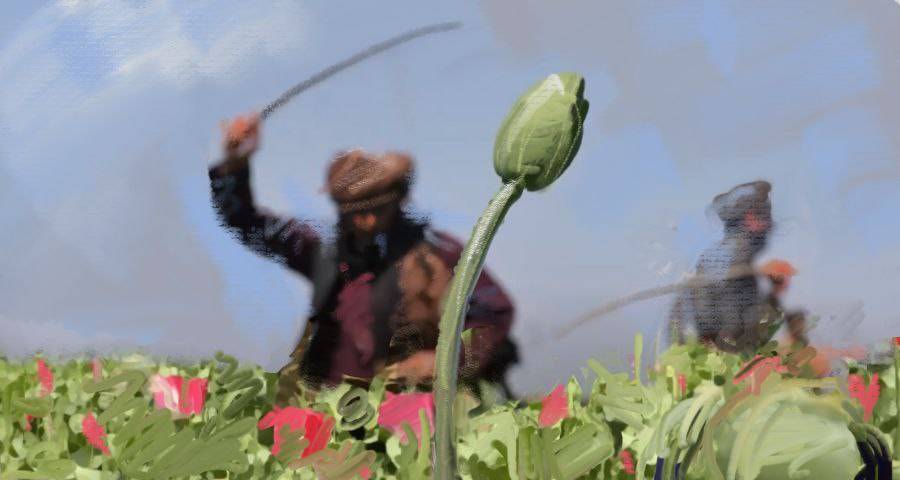
The International Crisis Group, an NGO focused on analyzing conflicts, has reported that “After the Taliban's severe restrictions on women's rights made the regime odious to much of the outside world, the narcotics ban offers a rare opportunity to work with the new authorities on a pressing issue for the benefit of all sides.” Drugs from Afghanistan are a universal problem affecting all regions of the world except for Latin America, with Central Asia remaining one of the main routes for Afghan drugs on their way to Russia and Europe. The so-called “Northern Route” passes through Tajikistan and Uzbekistan, then to Kyrgyzstan and Kazakhstan before reaching the Russian and European markets. Turkmenistan also plays an important role as a transit country for drugs, but on the “Balkan route.” The drug threat from Afghanistan to the five Central Asian republics is not simply a political narrative used by the governments of these republics for their own political purposes. There is a risk of political instability, criminality, corruption, social degradation, and damage to human health as a result of drug trafficking from Afghanistan. Additionally, the elimination of Afghan drug production and trafficking is a key issue in the fight against terrorism, primarily against the Islamic State, as drugs are one of the main sources of income for these groups. In April 2022, hopes for a resolution to this problem appeared following the ban on opium poppy cultivation imposed by the Taliban. Papaver somniferum, commonly known as the opium poppy, has been cultivated in Afghanistan since at least the early twentieth century. The history of opium production is detailed in the Global Illicit Drug Trends report by the United Nations Office on Drugs and Crime (UNODC). Besides the history of opium production, the report provides an overview of measures taken by states in their attempts to regulate and control the drug. Opium began to dominate world drug markets in the early 1980s, after the “April Revolution” and the Soviet invasion of Afghanistan, when the state began to lose control of rural areas, and agriculture itself began to decline. As the UNODC points out, by 1989, opium production was firmly established as the country's main source of income - Afghanistan had become a narco-state. The civil war continued, and the opium economy became firmly entrenched in the country during the 1990s. The first fall of the Taliban in 2001 and the formation of a republican government failed to change the situation due to the newly formed state still having no control over the regions. As a result, its counter-narcotics measures were not effective. It should be noted that only the Taliban managed to reduce drug production. According to the UN, since the Taliban's 2023 ban, opium crops in Afghanistan have declined by 95%, and opium prices have reached record levels. However, many experts wonder if Afghanistan will be able to continue with its chosen policy. Can the new Afghan authorities alone continue to confront the drug threat, and what should be the role of...

Uzbekistan Ratifies International Labor Organization Convention

On September 21 a meeting of the Uzbek Senate passed the new law “On the ratification of the International Labor Organization Convention No. 155 on Occupational Safety and Hygiene and the Working Environment”. The Convention was adopted in Geneva in 1981, and among other Eurasian countries has also been ratified by Russia, Belarus, Ukraine, Tajikistan, Kazakhstan, and Azerbaijan. Senators noted that it is appropriate to ratify this convention, taking into account the development of cooperation between Uzbekistan and the International Labor Organization and the fact that the national labor legislation meets international labor standards. As noted, the convention's ratification will improve national labor laws, enhance safety and hygiene standards per international guidelines, and help prevent workplace accidents. The International Labor Organization has been criticizing the use of forced labor in cotton plantations in Turkmenistan for a long time.

Tajikistan Continues Electricity Supply to Uzbekistan and Afghanistan

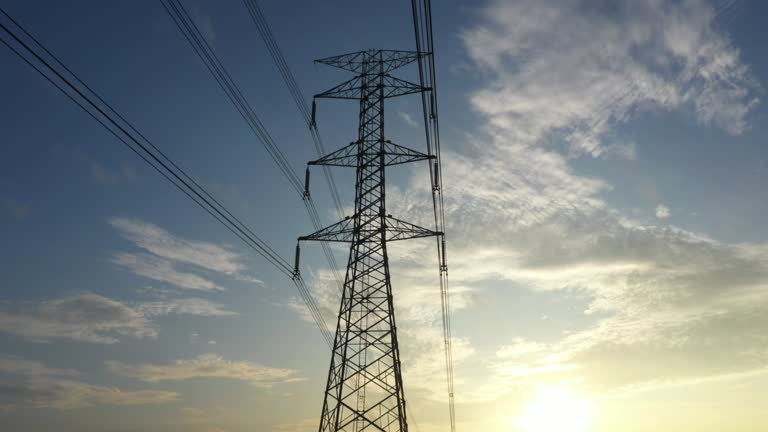
It is being reported that Tajikistan delivered more than $82.3 million worth of electricity to neighboring countries from January to August of this year. The export of electricity is $2.8 million (3.3%) less than in the same period of 2023. During this period, Tajikistan's electricity production amounted to about 15.4 billion kilowatt-hours, of which about 1 billion kilowatt-hours (6.5% of the total production) were exported. More than 80% of electricity exports go to Afghanistan, and the remaining 20% to Uzbekistan. Tajikistan signed an agreement on the export of electricity for 2024 with these two countries. Electricity exports to Uzbekistan are carried out only in the summer, and supplies to Afghanistan will continue in the autumn-winter season, but in small volumes — “exclusively for the preservation of infrastructure.” For information, a memorandum of understanding has been signed between Tajikistan and Kazakhstan, providing electricity supply produced by the Rogun hydropower plant until 2032. Agreements on the supply of electricity to Kazakhstan and Uzbekistan are one condition for external financing of the Rogun project. The Times of Central Asia has reported that when the Rogun hydropower plant in Tajikistan reaches full capacity, about 70% of the electricity produced will be exported to other Central Asian countries.