• KGS/USD = 0.01144 0%
  • KZT/USD = 0.00207 0%
  • TJS/USD = 0.10419 -0.1%
  • UZS/USD = 0.00008 0%
  • TMT/USD = 0.28530 -0.14%
  • KGS/USD = 0.01144 0%
  • KZT/USD = 0.00207 0%
  • TJS/USD = 0.10419 -0.1%
  • UZS/USD = 0.00008 0%
  • TMT/USD = 0.28530 -0.14%
  • KGS/USD = 0.01144 0%
  • KZT/USD = 0.00207 0%
  • TJS/USD = 0.10419 -0.1%
  • UZS/USD = 0.00008 0%
  • TMT/USD = 0.28530 -0.14%
  • KGS/USD = 0.01144 0%
  • KZT/USD = 0.00207 0%
  • TJS/USD = 0.10419 -0.1%
  • UZS/USD = 0.00008 0%
  • TMT/USD = 0.28530 -0.14%
  • KGS/USD = 0.01144 0%
  • KZT/USD = 0.00207 0%
  • TJS/USD = 0.10419 -0.1%
  • UZS/USD = 0.00008 0%
  • TMT/USD = 0.28530 -0.14%
  • KGS/USD = 0.01144 0%
  • KZT/USD = 0.00207 0%
  • TJS/USD = 0.10419 -0.1%
  • UZS/USD = 0.00008 0%
  • TMT/USD = 0.28530 -0.14%
  • KGS/USD = 0.01144 0%
  • KZT/USD = 0.00207 0%
  • TJS/USD = 0.10419 -0.1%
  • UZS/USD = 0.00008 0%
  • TMT/USD = 0.28530 -0.14%
  • KGS/USD = 0.01144 0%
  • KZT/USD = 0.00207 0%
  • TJS/USD = 0.10419 -0.1%
  • UZS/USD = 0.00008 0%
  • TMT/USD = 0.28530 -0.14%

Viewing results 595 - 600 of 1395

Chinese Company to Build Sugar Substitutes Plant in Kazakhstan

Chinese state company CITIC Construction plans to invest more than 1 billion dollars in constructing a plant for deep grain processing in the Almaty region. The agreement was reached during the meeting of the Vice-Minister of Agriculture of the Republic of Kazakhstan, Ermek Kenzhekhanuly, with representatives from the Chinese delegation. The parties discussed the development of Kazakhstan's agro-industrial complex and details of the project to build a production line for deep wheat processing with an annual capacity of 300,000 tons. The enterprise will produce maltose, fructose, crystalline fructose, allulose, crystalline dextrose, sodium gluconate, gluten by-products, and feed. The project will be realized in the Kazbek bi-industrial zone in the Almaty region. CITIC Construction's total investment will be about $1.07 billion, and the total value of its products will be $1.87 billion. More than 2,000 jobs will be created. In mid-July, the Ministry of Agriculture of Kazakhstan signed an agreement with Chinese companies CITIC Construction and Beijing Capital Agro to attract $600 million in investment to develop beef cattle breeding in the country. The funds will be used to establish feedlots, with the partnership expected to involve more than 600 farms and existing feedlots. China is Kazakhstan's leading trading partner. At the end of 2023, agricultural exports from Kazakhstan to China doubled and reached $1 billion. In 2023, the volume of bilateral trade turnover amounted to $41 billion, and Kazakhstan intends to double this figure. In addition, Beijing is one of the leading foreign investors in Kazakhstan, having invested about $25 billion in its economy over the past 15 years.
Kazakhstan and China to Increase Cargo Transportation Along Trans-Caspian Route

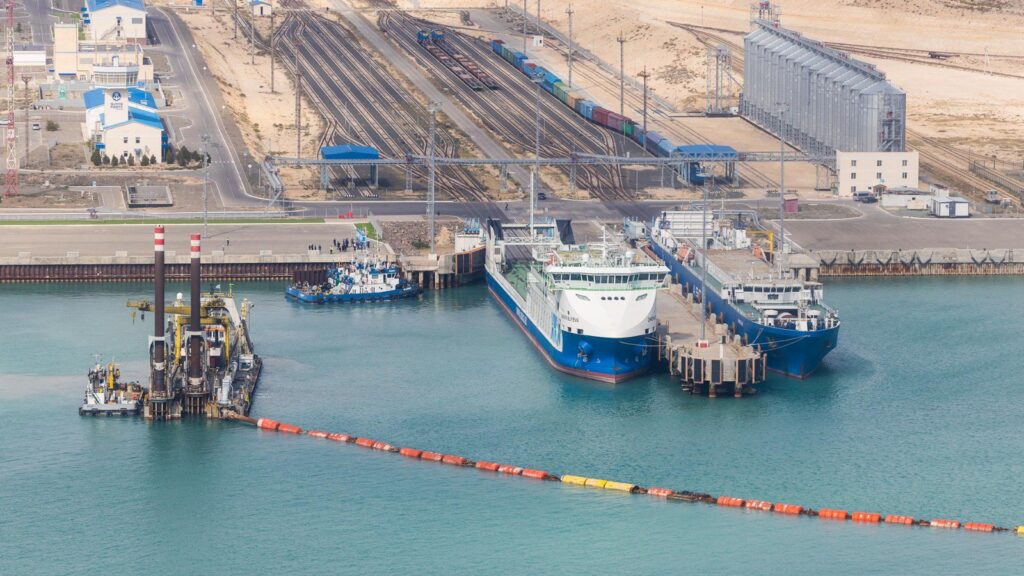
On September 25, Kazakhstan and China held the first meeting of a joint working group on cargo transportation along the Trans-Caspian International Transport Route (TITR), also known as the Middle Corridor, connecting China and Europe via Central Asia and the Caucasus. According to Kazakhstan’s Ministry of Transport, the members agreed on the projected volumes of cargo transportation from China to Europe and in the opposite direction along the TITR until the end of 2029. Kazakhstan and China will increase the volume of cargo transportation along the TITR to 600 container trains per year in 2025 and 2026. In 2027, there will be 1,000 container trains, and in 2029, there will be 2,000. Given the increase in transit container trains, the Kazakh side has committed to ensuring the appropriate infrastructure in its Caspian ports to ensure timely transportation and prevent delays. At least 50,000 standard containers will be handled (transshipped) at Kazakh ports in 2025. An increase to 85,000 containers per year is expected for 2026-2029. According to Kazakhstan's Ministry of Transport, in 2023, the volume of transit transportation between China and Europe through Kazakhstan amounted to 2.76 million tons, 65% more than in 2022 (1.7 million tons). Kazakhstan is now working to increase the transit capacity of the Aktau and Kuryk seaports. A container hub will be built in the port of Aktau, increasing transportation volume to 300,000 TEU (twenty-foot equivalent units) per year. A grain terminal will be launched in Kuryk's port later this year. Dredging of the Kuryk port is underway to ensure sufficient depth for ships to enter the harbor. Dredging works are also planned in the port of Aktau. Altogether, these measures will increase the throughput capacity of Kazakhstan’s ports by 10 million tons of cargo annually, to reach 30 million tons annually.

Kazakhstan to Cooperate with China and Russia in Combating Floods

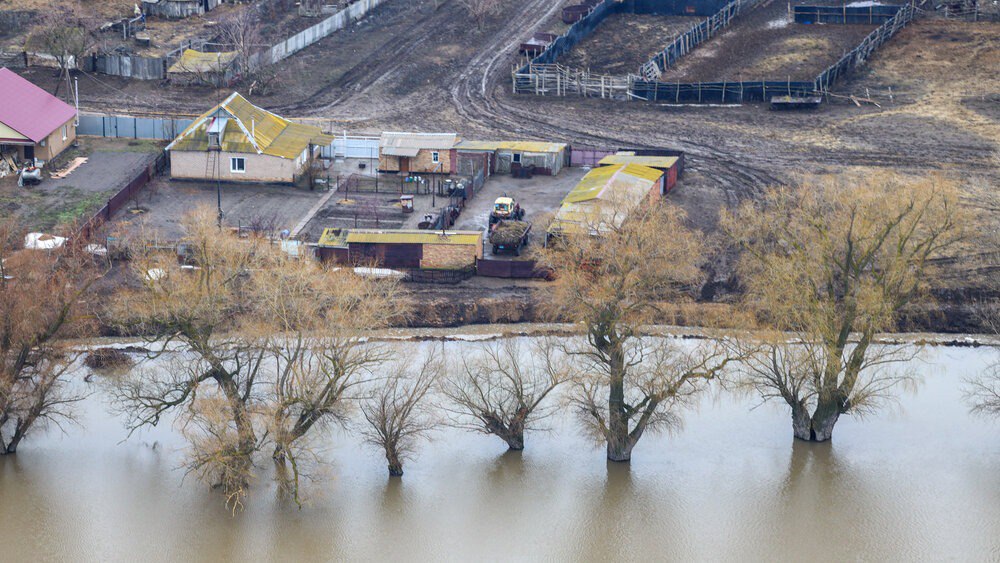
Kazakhstan’s Ministry of Water Resources and Irrigation will sign a memorandum of cooperation with the Ministry of Water Resources of China to combat future spring floods together. The Kazakh ministry has also agreed with Russia to create a joint working group to coordinate actions during spring flood periods. Kazakhstan’s Minister of Water Resources and Irrigation, Nurzhan Nurzhigitov, announced this at a government meeting on September 24. The conference addressed eliminating the consequences of unprecedented spring floods in the country’s northern and western regions and preparing for future spring floods. Massive floods in the spring of 2024, caused by the rapid snow-melt, destroyed thousands of homes and forced almost 100,000 people to evacuate from flood zones. Much of the spring flood water comes to Kazakhstan via trans-boundary rivers flowing from Russia and China. "To ensure the collection and safe passage of flood water in the future, the ministry plans to build 42 new reservoirs with a total capacity of 2.6 billion cubic meters, as well as to reconstruct 37 reservoirs with a total capacity of 3.7 billion cubic meters and about 14,500 km of irrigation canals. This year, the construction of two reservoirs in the Turkestan region and the reconstruction of three reservoirs in the Aktobe, Turkestan, and West Kazakhstan regions began," Nurzhigitov stated, adding that the spring floods led not only to negative consequences, but also allowed reservoirs to collect more than twelve billion cubic meters of water used for economic needs. As of the beginning of September 2024, 8.4 billion cubic meters of that water were used for agricultural purposes. Nurzhigitov reported that the reservoirs of Kazakhstan's northern, central, eastern, and western regions are now 80% full and added that the spring floods have also helped improve the environmental situation by directing excess water to places where it had not flowed for a long time. For example, 80 million cubic meters of flood waters were directed to the Kamysh-Samar lakes of the West Kazakhstan region. For the first time in decades, water arrived in the lakes of the Kyzylorda region through the Sarysu River. Since the beginning of the year, twelve billion cubic meters of water have been sent to Lake Balkhash, and 7.4 billion cubic meters to the Caspian Sea. Nurzhigitov also stated that, together with the Ministry of Digital Development, Innovation, and Aerospace Industry, work is underway to create an information system for forecasting and modeling floods, which will be launched before the end of the year. "This information system will allow for flood forecasting to make strategic decisions. It will show potential flood risk zones on the map," Nurzhigitov explained. At the same meeting, Deputy Prime Minister Kanat Bozumbayev reported that the 2024 spring floods had affected more than 120,000 people across 12 regions. Bozumbayev emphasized that new housing for families affected by the flood was constructed in an unprecedentedly short space of time. In under four months, 2,576 new houses were built, and 5,767 houses and apartments were purchased on the secondary market. In addition,...

Turkmenistan Strengthens Anti-Corruption Mechanisms With Kazakh Experience

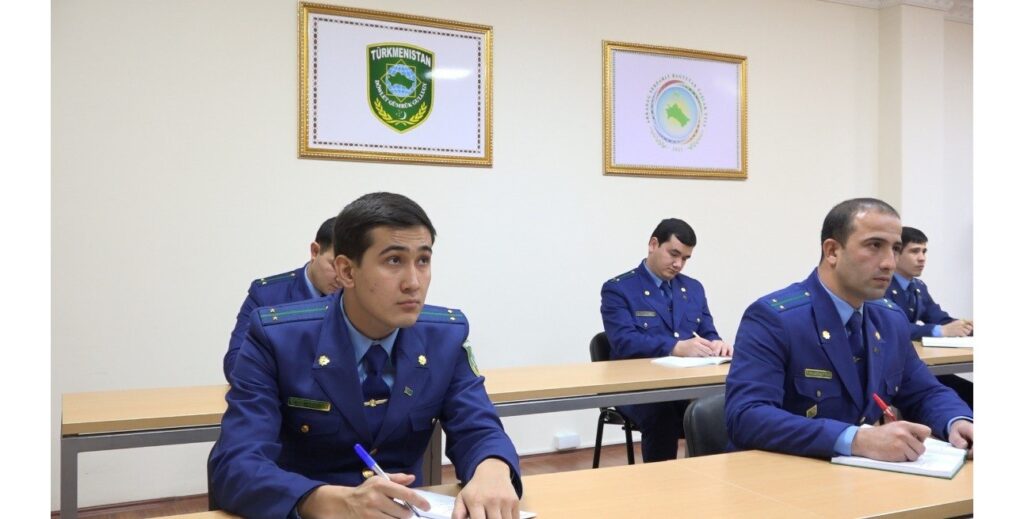
Turkmenistan is actively enhancing its anti-corruption framework by drawing on international expertise. A delegation of senior officials from key ministries recently visited Kazakhstan to learn from its financial practices. This visit, facilitated by the USAID "Governance in Turkmenistan" project with support from the OSCE Center in Ashgabat, aimed to explore best practices in financial monitoring, investigations, and the regulation of virtual assets at the Astana International Financial Center. Therein, Turkmen officials studied national risk assessments, inter-agency cooperation, and preventive measures against corruption, with a particular focus on asset recovery and identifying beneficial owners. The GAT project underlines Turkmenistan's stated commitment to fostering transparent, inclusive governance and advancing socioeconomic development.

Kazakhstan and Uzbekistan Agree To Establish Stations for Syr Darya Water Measurement

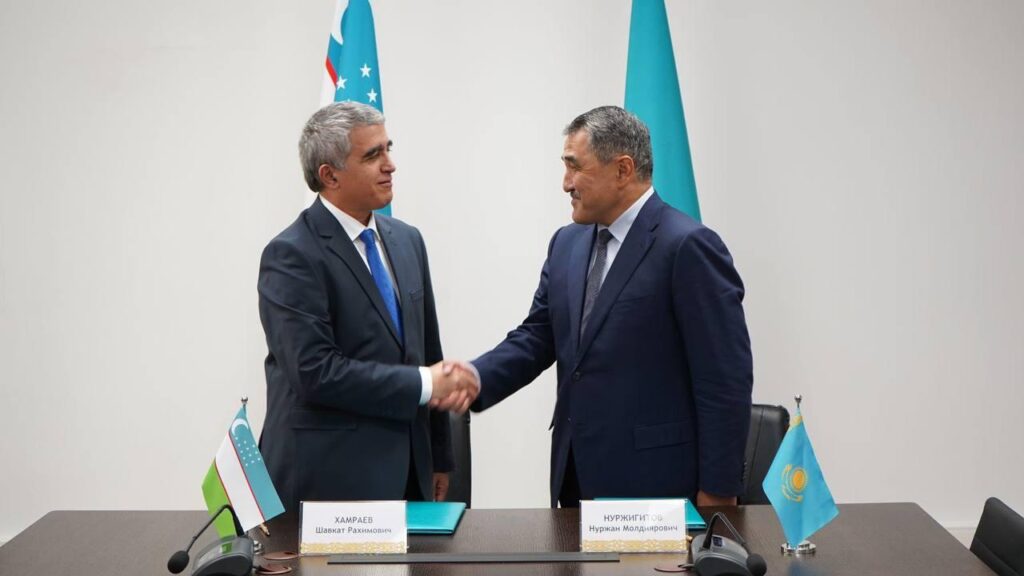
The press service of the Ministry of Water Management and Irrigation of Kazakhstan reports that Kazakhstan and Uzbekistan have agreed to install ten automated measuring stations in Syr Darya to accurately measure water resources. Shavkat Hamroyev, the Minister of Water Management of Uzbekistan, met with Nurzhan Nurzhigitov, his counterpart in Kazakhstan, with the two reportedly discussed automating measuring stations and digitizing water accounting in Syr Darya. Nurzhigitov emphasized that negotiations with international financial organizations and companies are in progress for the joint implementation of the project. The ministers also discussed the modes of operation of the Norin-Syr Darya cascade reservoirs for next year’s pre-irrigation season. “Many thanks to our colleagues from Uzbekistan for their active participation in the International Fund for Saving the Aral Sea (IFSA) meeting and the proposals voiced," Nurzhigitov stated. "Over the year, we have become convinced that our joint work produces positive results, so we intend to continue close bilateral cooperation. We have common views on many issues. This allows us to resolve most of the existing issues on a mutually beneficial basis.” In return, Hamroyev expressed Uzbekistan’s desire to strengthen cooperation within the IFSA. “Uzbekistan fully supports Kazakhstan’s chairmanship of the International Fund... We want to strengthen cooperation in this direction and work on joint projects. For example, preserving the ecosystems of the Syr Darya and Amu Darya basins, providing residents with quality drinking water, restoring small and local water bodies.” In addition, the parties discussed developing a regional strategy for the use of water resources. In May of this year, Hamroyev told a parliamentary hearing that watersheds from the Amu Darya and Syr Darya rivers are forecasted as being favorable this year.

Restoring Roars: The Historic Return of Amur Tigers to Kazakhstan’s Wilderness

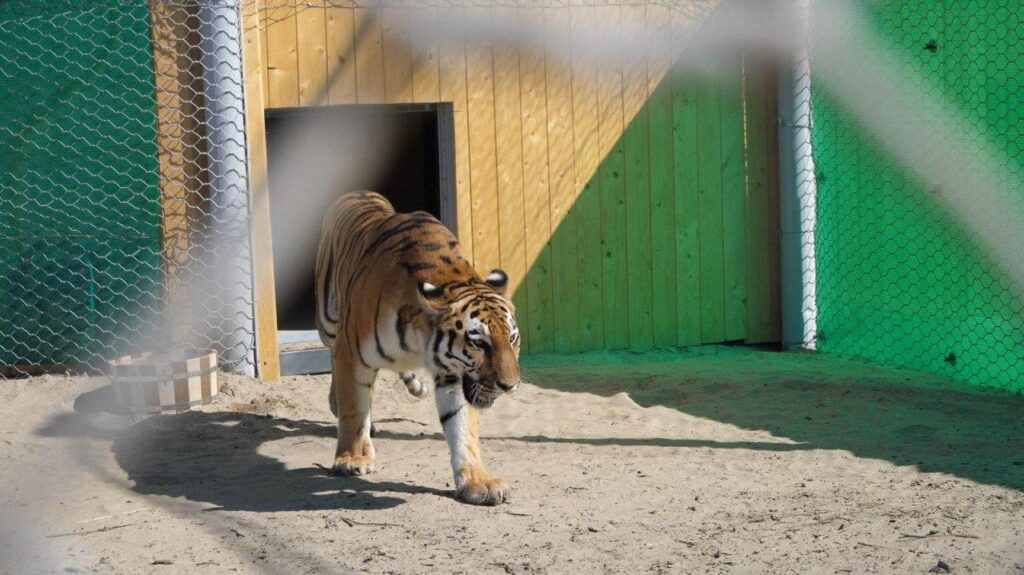
This past weekend, two Amur tigers were brought to the Ile-Balkhash State Nature Reserve in southern Kazakhstan from the Landgoed Hoenderdaell Zoo in the Netherlands. The tigers, one male and one female, will live in a specially-built enclosure in the reserve for breeding and the release of their offspring into the wild. Their offspring are expected to become the first wild tigers to reappear on Kazakhstan's territory in more than 70 years. In 2025, another three or four tigers are planned to arrive in Kazakhstan from Russia. In 2010, Kazakhstan's government announced plans to reintroduce Amur tigers to the country. Seven years later, a tiger reintroduction program was developed, and the southern shore of Lake Balkhash in the delta of the Ili River was chosen as the most suitable place to restore the population in Kazakhstan. The program is being implemented by the Ministry of Ecology and Natural Resources in Kazakhstan, with the support of the World Wildlife Fund (WWF) and the United Nations Development Programme (UNDP). According to the ministry, the Ile-Balkhash Reserve can accommodate a population of up to 100 tigers. The tigers that were once indigenous to Kazakhstan were known as Turan tigers. The Turan tiger was an extinct population once found in Central Asia, the Caucasus, and northern Iran. Biologists suggest that Turan tigers and Amur tigers, native to Russia's Far East, are not distinct subspecies but belong to the same group of big cats. The Ile-Balkhash Reserve was created to restore the ecosystem of the southern Balkhash region, and work is underway to restore the tiger's natural food base. Ile-Balkhash is a critical natural area of the Ile River Delta with the adjacent shore of Lake Balkhash. It is the only preserved river delta in Central Asia, while the others (the deltas of the Syr Darya, Amu Darya, and Chu Rivers) have degraded due to desertification. Improving the tiger's natural food supply and the reserve's remoteness will help avoid conflict between the tiger and humans in the area. Historically, the Turan tigers' habitats in Kazakhstan were reed beds and floodplain forests along the banks of the Ili and Syr Darya rivers. Based on historical records of tiger hunts and the frequency of human encounters with them, the population density of the Turan tiger was considerably higher than that of the Amur tiger, and more comparable to the density of tigers in India. In what is now Kazakhstan, the extermination of tigers, including through military shootings, began in 1891. The destruction of their habitat and primary food sources — such as Tugai red deer, goitered gazelles, saigas, kulans, roe deer, and wild boars — ultimately led to their extinction by 1948. This is not the first project to reintroduce endangered species to Kazakhstan. In June 2024, eight Przewalski’s horses were reintroduced to the Altyn Dala Nature Reserve in the Kostanay region of Kazakhstan. The horses were transported from Prague Zoo. The Kazakh Ministry of Ecology and Natural Resources have said that 40 wild horses will be...