• KGS/USD = 0.01144 0%
  • KZT/USD = 0.00208 0%
  • TJS/USD = 0.10417 0%
  • UZS/USD = 0.00008 0%
  • TMT/USD = 0.28571 0%
  • KGS/USD = 0.01144 0%
  • KZT/USD = 0.00208 0%
  • TJS/USD = 0.10417 0%
  • UZS/USD = 0.00008 0%
  • TMT/USD = 0.28571 0%
  • KGS/USD = 0.01144 0%
  • KZT/USD = 0.00208 0%
  • TJS/USD = 0.10417 0%
  • UZS/USD = 0.00008 0%
  • TMT/USD = 0.28571 0%
  • KGS/USD = 0.01144 0%
  • KZT/USD = 0.00208 0%
  • TJS/USD = 0.10417 0%
  • UZS/USD = 0.00008 0%
  • TMT/USD = 0.28571 0%
  • KGS/USD = 0.01144 0%
  • KZT/USD = 0.00208 0%
  • TJS/USD = 0.10417 0%
  • UZS/USD = 0.00008 0%
  • TMT/USD = 0.28571 0%
  • KGS/USD = 0.01144 0%
  • KZT/USD = 0.00208 0%
  • TJS/USD = 0.10417 0%
  • UZS/USD = 0.00008 0%
  • TMT/USD = 0.28571 0%
  • KGS/USD = 0.01144 0%
  • KZT/USD = 0.00208 0%
  • TJS/USD = 0.10417 0%
  • UZS/USD = 0.00008 0%
  • TMT/USD = 0.28571 0%
  • KGS/USD = 0.01144 0%
  • KZT/USD = 0.00208 0%
  • TJS/USD = 0.10417 0%
  • UZS/USD = 0.00008 0%
  • TMT/USD = 0.28571 0%

Viewing results 199 - 204 of 694

Indian Gold Miners Enter Kyrgyz Market for the First Time

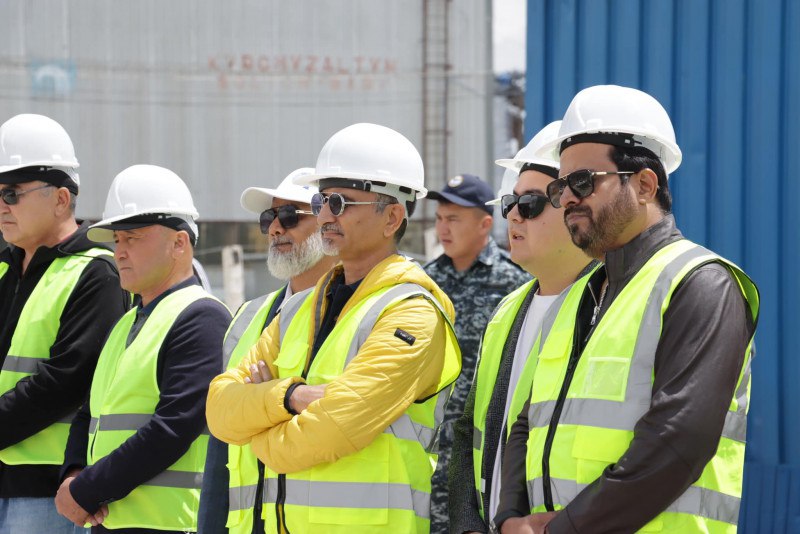
Indian mining firm Deccan Gold Mines has launched operations at the Altyn Tor gold deposit in Kyrgyzstan’s Naryn region, marking the first overseas venture by an Indian gold mining company, according to Indian media reports. The project is being developed through Deccan's local subsidiary, Avelum Partners LLC, which holds a 60% stake in the mine. Production of doré bars is scheduled to begin in October 2025. Geological assessments estimate the Altyn Tor deposit contains approximately 4.6 million tons of gold-bearing ore with an average grade of 1.2 grams per ton, translating to roughly 60 tons of total gold reserves. Hanuma Prasad Modali, CEO of Deccan Gold Mines, said preparations are progressing on schedule. “Eleven conveyor systems have been installed at the site, and the crushing complex has been tested. In early September, the ball mill, one of the key components of the processing plant, will go online, enabling us to reach design capacity as planned,” Modali stated. The company has positioned the project as a model of responsible mining, aiming to strengthen bilateral ties between India and Kyrgyzstan. Despite challenging climatic conditions at the site’s 3,300-meter elevation, year-round production is planned. Altyn Tor forms part of the larger Solton-Sary gold deposit, originally discovered by Soviet geologists in the 1940s. Mining activity at the site was active through the 1990s and early 2000s but later ceased due to insufficient investment. Deccan Gold Mines is also evaluating the potential for processing materials in the tailings pond, where residual gold remains. The company remains the only publicly listed gold mining firm on the Indian stock exchange. News of its overseas expansion triggered a surge in share prices. Earlier, Kyrgyzaltyn, the state-owned holding company, confirmed that production at the site was expected to commence in the second half of 2024.

Rescue Operations Formally End on Kyrgyz Mountain; Russian Climber Natalya Nagovitsyna Presumed Dead

The head of Kyrgyzstan’s mountaineering federation says another high-altitude drone inspection of a mountain ridge where injured Russian climber Natalya Nagovitsyna was stranded failed to show any “signs of life.” The announcement by Eduard Kubatov was expected because few people had held out hope that Nagovitsyna was still alive on Pobeda Peak, Kyrgyzstan’s highest mountain at 7,439 meters above sea level. She broke a leg high on the mountain on August 12 and subsequent efforts to rescue her failed in extremely difficult conditions, placing other climbers and officials at risk.   The drone fly-by on Tuesday and the involvement in the operation of Kubatov, who had recently returned from an ascent of K2 mountain in Pakistan without supplementary oxygen, appeared to be a last attempt to address any lingering doubts about Nagovitsyna’s fate. Accompanied by a rescue mountaineer and a drone operator, Kubatov flew by helicopter to South Inylchek base camp at Pobeda Peak to participate in the search. Further rescue efforts were “inappropriate,” they said in a signed letter. “All rescue operations have been stopped, and we must acknowledge this sad fact for all of us. All video materials from the inspection (over 10 minutes) will be handed personally to Natalya’s son,” Kubatov said on Instagram.  Saying that “we must state that there are no signs of life” from Nagovitsyna, Kubatov also posted drone footage that showed an orange tent on snow at the foot of a rock face, high on Pobeda. The surface of the tent rippled lightly in the wind, but it was impossible to see inside.   On August 19, a drone filmed movement at the same tent, where Nagovitsyna had stayed as other climbers tried to get help. One of those climbers, Italian Luca Sinigaglia, fell ill and died. Kyrgyz security officials said another drone flight on August 27 did not show any movement at the site.  “The Kyrgyz side did everything possible to organize the rescue of the mountaineer, but the extreme altitude, the harsh weather conditions, the hard helicopter landing, and the physical state of the rescuers did not allow us to achieve the hoped-for results,” Kubatov said. “In the history of Pobeda, there has not been a single successful rescue operation at an altitude of 7,200 meters, and we had no right to further risk the lives of the mountaineer rescuers.” Victoria Bonya, a Russian model, entertainer and mountaineering enthusiast, helped to organize the drone mission on Tuesday.  Bonya said Nagovitsyna “has passed away in peace.”

Knowledge Day in Central Asia: What’s Changing in Schools This Academic Year?

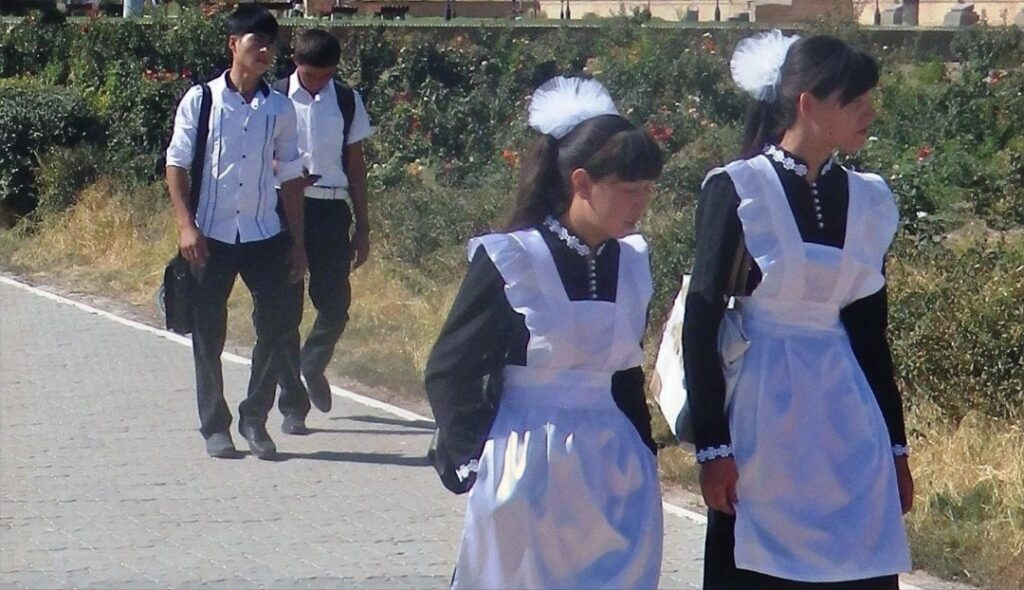
Secondary schools across Central Asia are embracing modern teaching methods and aiming to elevate the status of teachers, as the new academic year begins with a wave of reforms. Kazakhstan: AI in Classrooms and Teacher Protections In Kazakhstan, the academic year begins on September 2, as Constitution Day on the 1st is a national holiday. Over 370,000 first-graders are expected to enter school this year. As previously reported by The Times of Central Asia, significant reforms are underway in the country’s education system. Amendments to the Law “On the Status of Teachers” will shield educators from non-teaching duties and protect them from undue legal responsibility. President Kassym-Jomart Tokayev has emphasized that educators should not be held accountable for incidents involving children that occur outside school or due to parental negligence. New “personal safety” lessons will also be introduced across all educational levels, from kindergartens to colleges. These age-appropriate classes will cover topics ranging from water safety and interaction with strangers to cyberbullying, financial literacy, and legal awareness. Schools and colleges are also rolling out DosbolLIKE, an anti-bullying initiative piloted in 50 schools last year, designed to curb bullying in student communities. Artificial intelligence will be introduced into the curriculum via “Digital Literacy” and “Computer Science” classes. AI-focused online courses called Day of AI are now available for grades 1-11, with training programs also developed for teachers. Despite the construction of 1,200 new schools accommodating over a million students in recent years, the high birth rate continues to strain infrastructure. In Almaty alone, the shortage exceeds 34,000 school places. Uzbekistan: Ivy League Aspirations and Civic Values In Uzbekistan, school also starts on September 2, a customary date. The first lesson will be conducted under the motto: “In the name of the Motherland, in the name of the nation, in the name of the people!” According to the Ministry of Preschool and School Education, 738,000 first-graders will receive gifts from President Shavkat Mirziyoyev. An international school is set to open this September, initially enrolling 60 top-performing graduates of the 8th grade. The curriculum will include leadership and social activism training, with a focus on preparing students for admission to Ivy League universities. A nationwide talent identification and development program is also in development. The weekly Kelazhak Soati (“Hour of the Future”) class will debut this year, aiming to strengthen students’ moral values and encourage reflection on their future roles in society. Kyrgyzstan: Transition to 12-Year Education This academic year marks Kyrgyzstan’s official transition to a 12-year education system. The reform affects lesson structures, curricula, and textbooks. The transition, to be completed by 2028, includes the redistribution of students across grade levels. For example, third graders born in 2015 will skip to fifth grade, and sixth graders born in 2012 will advance to eighth grade. Further shifts are scheduled for the next two academic years. While the extended education model is expected to allow deeper learning and skills development, the transition period may cause confusion among students, parents, and educators. Adapting to new...

Central Asian Countries Launch New Contact Group on Afghanistan

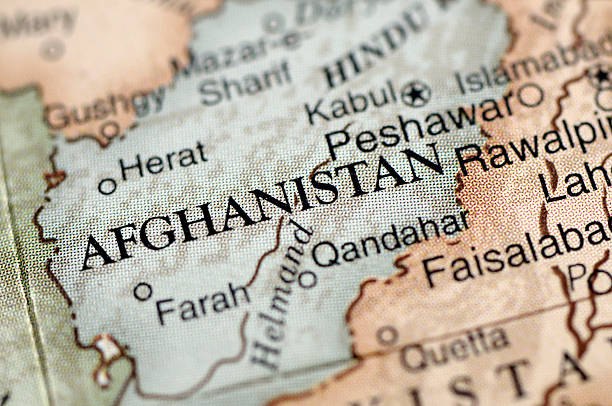
At Uzbekistan’s initiative, the special representatives of four Central Asian countries convened in Tashkent on August 26, for the inaugural meeting of a new regional Contact Group on Afghanistan. Delegations from Uzbekistan, Kazakhstan, Kyrgyzstan, and Tajikistan participated, launching a platform for regular envoy-level dialogue on shared concerns related to Afghanistan. According to the ministry, the participants emphasized the “relevance and timeliness” of creating this Contact Group as an independent mechanism for regional coordination. The meeting builds on commitments made by the presidents of the four countries during the August 2024 Central Asian summit in Astana, which produced a joint statement and a 2025-2027 roadmap for regional cooperation. In Tashkent, delegates reiterated the need for a unified regional approach to Afghanistan, given Central Asia’s geographic proximity and long-standing cultural and economic ties with its southern neighbor. The envoys underscored that the region must take a self-reliant, coordinated stance on Afghan affairs, one that promotes stability, security, and sustainable development across Eurasia. During the talks, the participants pledged to pursue common, balanced, and realistic policies toward the situation in Afghanistan based on consensus. They identified the urgent need to restore and expand trade, transport, logistics, and cultural-humanitarian connections with Afghanistan, which have deteriorated in recent years. The envoys also exchanged views on engaging with Afghanistan’s de facto Taliban authorities in line with each country's interests. They expressed support for enhanced cooperation on regional security challenges, including the fight against terrorism, extremism, narcotics trafficking, and cross-border crime. Although none of the Central Asian states formally recognize the Taliban government, all maintain practical working relationships with Kabul, particularly in areas such as border control, counterterrorism, trade, and humanitarian support. Since the Taliban’s return to power in 2021, Central Asia has navigated a delicate diplomatic path, maintaining cautious ties with Kabul while also deepening relations with China and Russia. Uzbekistan has taken a leading role. In August 2024, its prime minister visited Kabul, signing 35 agreements worth $2.5 billion. Bilateral trade reached $866 million in 2023. Kazakhstan, Afghanistan’s primary supplier of wheat and flour, has kept its embassy open in Kabul and held multiple business forums since 2023. According to the CACI Analyst, Kazakh-Afghan trade reached $700 million in the first nine months of 2024, with projections aiming for $3 billion within five years.

Kyrgyzstan Begins Building Strategic Highway to China’s Xinjiang

Kyrgyzstan has begun construction on the Barskoon-Bedel highway, a key section of the future Barskoon-Uchturfan-Aksu corridor that will link the Issyk-Kul region with China’s Aksu prefecture in Xinjiang via the Bedel Pass. The new road is expected to shorten the distance between Aksu and Kyrgyzstan by 500 kilometers, saving at least 12 hours of travel time for freight carriers. Route and Infrastructure The highway will cross the Barskoon and Soek passes, the Kara-Sai valley, and the Ashuu-Suu pass. To ensure year-round use, the project includes construction of a 5.5 km tunnel under the Soek pass and a 3.8 km tunnel beneath the Ashuu-Suu pass, both areas prone to heavy winter closures. Timeline and Contractor Construction is being carried out by China Road and Bridge Corporation (CRBC). The main roadworks are scheduled for completion in September 2029, with full commissioning of the highway and supporting facilities expected by September 2030. The Bedel checkpoint, first opened under a simplified regime in September 2024, lies in a remote mountain zone roughly equidistant from Karakol in Kyrgyzstan and Aksu in China. Its full-scale development with international-standard infrastructure is slated for completion by 2027. Trade and Regional Connectivity Once finished, the Barskoon-Bedel corridor will become Kyrgyzstan’s third road crossing with China, alongside the Irkeshtam (Osh region) and Torugart (Naryn region) passes. Unlike the older routes, which are frequently closed during winter, the new corridor is designed to provide a more reliable and time-efficient link. The project is expected to strengthen Kyrgyzstan’s role as a transit hub for Chinese goods heading to third-country markets. Bilateral trade between Kyrgyzstan and China reached $23 billion in 2024, an eightfold increase in recent years. Chinese Support Speaking at the ceremony, Chinese Ambassador Liu Jiangping said the new highway is part of a wider set of strategic projects advancing between the two countries, aimed at accelerating cargo flows and expanding trade, investment, and economic cooperation.

How Climbers Die: The Tragedy of Natalya Nagovitsyna and the Perils of the Peaks

Professional climbers have all but given up hope for Russian mountaineer Natalya Nagovitsyna, who remains stranded on Pobeda Peak (Victory Peak) in the Tien Shan mountains of Kyrgyzstan. No successful evacuation has been recorded from this treacherous summit since 1955. Still, Nagovitsyna’s son continues to hold out hope, citing drone footage taken last week that appeared to show her waving from her tent and still in good spirits. However, on August 27, a military drone captured thermal imaging of conditions on Pobeda Peak, showing no signs of life in Nagovitsyna’s tent, as confirmed in imagery published on the official website of Kyrgyzstan’s State Committee for National Security (GKNB). Officially Declared Lost Russian Investigative Committee Chairman Alexander Bastrykin has ordered his office to coordinate with the Ministry of Emergency Situations and submit an operational report regarding Nagovitsyna’s case. However, rescue services have already called off search operations and dismantled the base camp at Pobeda Peak. Alexander Yakovenko, head of the classical mountaineering commission of the Russian Mountaineering Federation, stated: “In reality, there’s no one left to rescue; we can only speak of a body recovery. The climbing season at Victory Peak has ended, and the base camp has been removed.” Yakovenko emphasized that Pobeda Peak is one of the most difficult and dangerous mountains for rescue operations. Since the 1960s, many bodies have been left behind, unreachable due to extreme weather and inaccessible terrain. A Mountain That Does Not Forgive Veteran Russian climber Alexander Shcherbashin recently told reporters that a rescue mission for Nagovitsyna would be logistically impossible. “In my view, survival is unlikely. The ridge is long, and evacuating someone from there typically requires between 8 and 18 people, under varying conditions,” he said. Another experienced mountaineer, Alexander Kirikov, described Pobeda Peak as “a mountain that does not forgive mistakes.” “There are fatal accidents there nearly every year, going back to the late 1950s. I estimate the mountain has claimed over 150 lives,” he noted. Death in the Mountains Mountaineering remains one of the world’s most dangerous sports. On average, 24 out of every 10,000 climbers die annually. Hundreds perish each year in mountain accidents. The highest-risk peaks are the so-called eight-thousanders. Everest (Jomolungma), while the most fatal in absolute numbers, owes its toll to the sheer volume of climbers. The deadliest is Annapurna I in the Himalayas, where the fatality rate approaches 50%. Other notorious peaks include K2 (Chogori, “Savage Mountain”) and Nanga Parbat, dubbed “the man-eater.” The former Soviet Union has no eight-thousanders, but Pobeda Peak is widely recognized as its most dangerous seven-thousander. It was here that Natalya Nagovitsyna’s story unfolded. Tragedy has struck her family before. In 2021, just 16 kilometers away on nearby Khan Tengri, Nagovitsyna’s husband died in her arms after suffering a stroke during their ascent. As her case unfolded this summer, another Russian climber, Alexey Ermakov, died on Khan Tengri. “We passed him on the route; he was climbing up as we were descending,” said Alexey Trubachev, a mountain guide and founder...