• KGS/USD = 0.01144 0%
  • KZT/USD = 0.00215 0%
  • TJS/USD = 0.10659 0%
  • UZS/USD = 0.00008 0%
  • TMT/USD = 0.28530 0%
  • KGS/USD = 0.01144 0%
  • KZT/USD = 0.00215 0%
  • TJS/USD = 0.10659 0%
  • UZS/USD = 0.00008 0%
  • TMT/USD = 0.28530 0%
  • KGS/USD = 0.01144 0%
  • KZT/USD = 0.00215 0%
  • TJS/USD = 0.10659 0%
  • UZS/USD = 0.00008 0%
  • TMT/USD = 0.28530 0%
  • KGS/USD = 0.01144 0%
  • KZT/USD = 0.00215 0%
  • TJS/USD = 0.10659 0%
  • UZS/USD = 0.00008 0%
  • TMT/USD = 0.28530 0%
  • KGS/USD = 0.01144 0%
  • KZT/USD = 0.00215 0%
  • TJS/USD = 0.10659 0%
  • UZS/USD = 0.00008 0%
  • TMT/USD = 0.28530 0%
  • KGS/USD = 0.01144 0%
  • KZT/USD = 0.00215 0%
  • TJS/USD = 0.10659 0%
  • UZS/USD = 0.00008 0%
  • TMT/USD = 0.28530 0%
  • KGS/USD = 0.01144 0%
  • KZT/USD = 0.00215 0%
  • TJS/USD = 0.10659 0%
  • UZS/USD = 0.00008 0%
  • TMT/USD = 0.28530 0%
  • KGS/USD = 0.01144 0%
  • KZT/USD = 0.00215 0%
  • TJS/USD = 0.10659 0%
  • UZS/USD = 0.00008 0%
  • TMT/USD = 0.28530 0%

Viewing results 1753 - 1758 of 2615

Chinese Investors to Build Trade and Logistics Complex in Chui Region

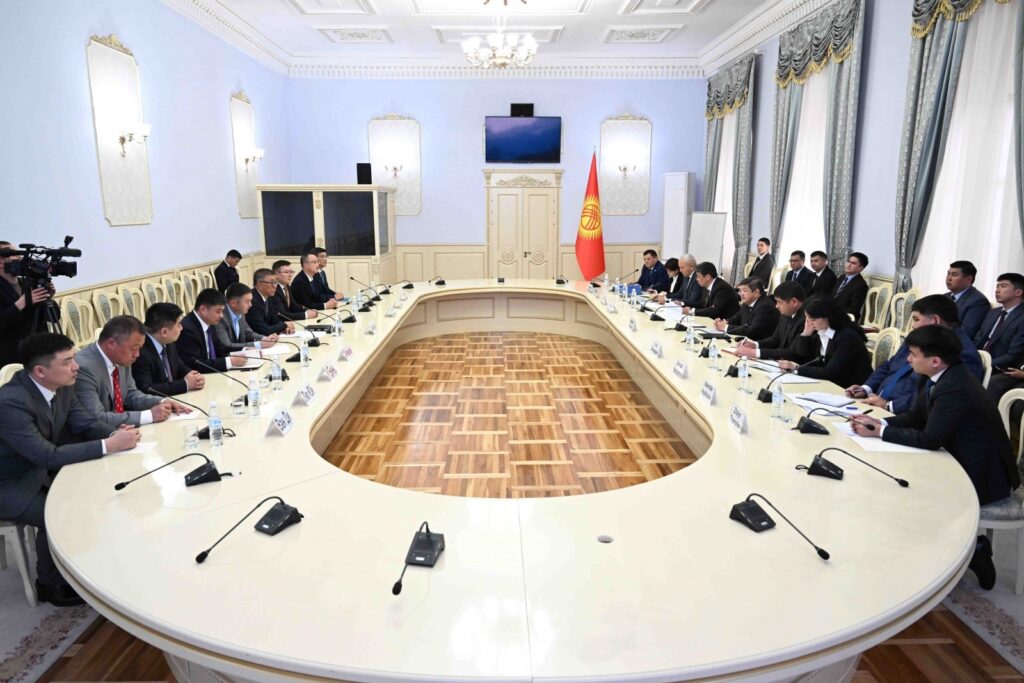
Chinese investors are set to build a trade and logistics complex in the Chui region at a total cost of over $700 million. Akylbek Japarov met with a delegation from the Chinese Chamber of Commerce for International Cooperation headed by Deputy Chairman Liu Yan. During the meeting, the head of the Cabinet of Ministers proposed the issue of investment by the Chinese side in projects in the field of renewable energy sources. In turn, Yan expressed the Chinese sides readiness to develop further bilateral cooperation in the sphere of investment. Within the framework of the meeting, a signing ceremony was held between the Cabinet of Ministers and OcOO Kyrgyz-Chinese Investment Holding on the implementation of the investment project, Eurasian Trade and Logistics Complex. The complex will include a shopping center, an international exhibition center, a warehouse and logistics center with bonded areas, large equipment marketplaces, and housing and hotel complexes.

ADB to Help Improve Agribusiness Value Chains in Kyrgyzstan

As per a press release on its website, on December 7th the Asian Development Bank (ADB) has said it is providing a $20 million loan and a $20 million grant to the Kyrgyz Republic to help small and medium-sized agribusinesses improve their processing and storage capacity and reduce post-harvest handling losses through inclusive, resilient, and climate-adaptive horticultural value chains. “The project will enhance the resilience of farmers, including women, against market volatility, natural hazards and climate change, and increase household and national food security,” said ADB Director General for Central and West Asia, Yevgeniy Zhukov. “By equipping them with climate-smart agricultural technologies and strengthening value chains, farmers and all stakeholders along the value chains will be able to minimize resource cost and increase profitability.” The Climate-Resilient Agricultural Value Chain Development Project will provide long-term funds to qualified participating financial institutions to extend structured loans for horticulture value chain investments, including fruit and vegetables. Aiyl Bank, the most prominent bank financing the country’s agriculture sector, has been selected as the first financial institution to participate in this project. “About 80% of small businesses in the Kyrgyz Republic are currently funded by family, friends, and informal sources,” said ADB Principal Natural Resources and Agriculture Specialist, Giap Minh Bui. “To stimulate private investment in modernizing agricultural value chains, it is critical that local banks have access to stable long-term funding sources and offer a range of term-lending products that are appropriate for and affordable to horticulture entrepreneurs, including women.” Aside from establishing modern processing, storage and refrigerated facilities, the project will also help establish contract farming arrangements between farmers and processors and/or exporters; train women business-owners; and implement measures to facilitate cross-border trade and branding for products that are unique to the Kyrgyz Republic. These measures aim to increase profitability for horticultural producers and agribusiness enterprises, and strengthen market linkages to increase national food security.

Kyrgyzstan’s Economy Grew Strongly in 2022 and So Far in 2023, Says IMF

Kyrgyzstan’s Economy Grew Strongly in 2022 and So Far in 2023, Says IMF The economy of Kyrgyzstan performed strongly in 2022, expanding at 6.3% despite the headwinds from the difficult regional environment. Tax revenue improved sharply, and public debt declined to 49% of GDP. Headline inflation fell from 14.7% in December 2022 to 9.2% in October 2023, Nikoloz Gigineishvili, head of an International Monetary Fund (IMF) mission that held consultations with the Kyrgyz Republic during November in Bishkek said in a statement on December 4th. The current account deficit widened significantly to 43.6% of GDP in 2022 as non-oil imports increased by 26% of GDP and gold exports were suspended, while re-exports to Russia were not captured in official statistics, the statement said. Growth is expected to remain at around 4% in the medium term, and inflation to decline to mid-single digits. However, further escalation of the war in Ukraine and secondary sanctions which could further weaken the Russian economy and result in the return to Kyrgyzstan of migrant workers could  reduce trade and growth, the IMF statement concludes.

Kyrgyzstan, Tajikistan Agree on More Disputed Border Areas

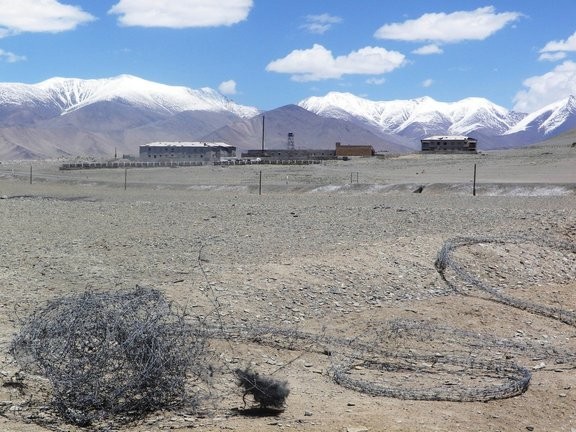
As reported by RFE/RL, officials from Kyrgyzstan and Tajikistan say the two countries agreed on another 24 kilometers of the border between the two former Soviet republics after special talks on the issue were held over the past week, RFE/RL's Kyrgyz Service reported. Tajikistan's State Committee for National Security said on December 5th that the talks were held in the northern town of Buston, near the Kyrgyz border. According to the Kyrgyz government, the next round of talks regarding other parts of the border will be held on Kyrgyzstan's territory on a day that is yet to be determined. In a sign of thawing relations, back on November 9th 2023, the Cabinet of Ministers of the Kyrgyz Republic announced that a further 17.98 kilometres of its border with Tajikistan had been agreed upon, with another meeting of the of topographic working groups due to be held in Batken from November 11th to17th. A long-standing source of conflict between the two nations, it is emblematic of the problem that even the length of the border - sometimes cited as being 975-kilomtres long, and at others times 972-kilomteres - is rarely agreed upon. As of January 2023, Tajikistan’s President Rahmon stated that 614-kilometres have been agreed upon, backtracking on a previously stated figure of 664. The delimitation and demarcation of the Kyrgyz-Tajik border has been an issue for decades, but turned into an extremely urgent problem in recent years after several deadly clashes took place along disputed segments of the frontier. With its scant natural resources and dwindling water supplies, the border has been the scene of numerous skirmishes for many years. In 2014, all borders between Kyrgyzstan and Tajikistan were closed indefinitely to Kyrgyz and Tajik citizens following clashes over a bypass road in disputed territory; mortars were fired and both armies suffered casualties. In the spring of 2021, trouble flared up again when an armed conflict along one segment of the border left 36 Kyrgyz nationals, including two children, dead, and 154 injured on the Kyrgyz side. The Tajik authorities officially said that 19 Tajik citizens were killed and 87 were injured during the clashes. Many border areas in Central Asian former Soviet republics have been disputed since the collapse of the Soviet Union in 1991. The situation is particularly complicated around the numerous exclaves in the volatile Ferghana Valley, where the borders of Tajikistan, Uzbekistan, and Kyrgyzstan meet.

Plans Approved to Complete the Gasification of Bishkek within Three Years

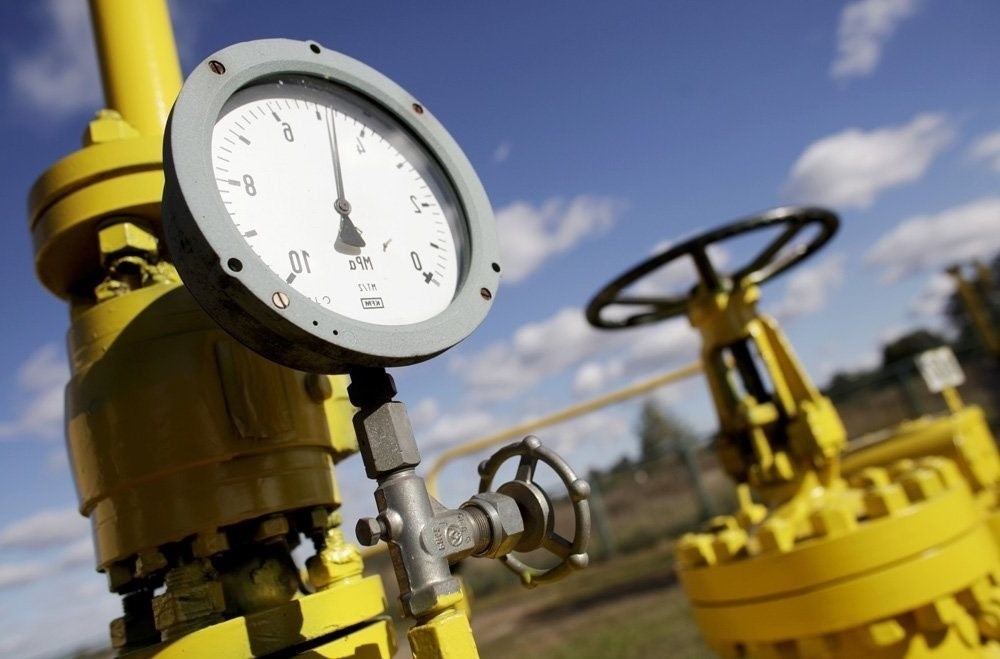
Speaking at a briefing on ‘How the authorities want to accelerate the gasification of residential communities in Bishkek’, the Deputy Director General for Economics and Finance of Gazprom Kyrgyzstan LLC, Arzymat Aldayarov stated that it is planned to fully gasify Bishkek within three years. During the company's operations so far, 53 settlements have been gasified, 1,250 kilometers of street gas distribution pipelines have been laid, and 53,000 households have been able to connect to gas. This year, the investment program included the possibility of the gasification of residential complexes and villages, but due to the environmental situation and the need to reduce the load on electrical networks, it was decided to carry gas to eleven facilities, including a handful of residential complexes. In part of the points, the supply of blue fuel has already been provided. “In 2023, we signed a road map with Bishkek City Hall,” the Deputy Director General said. “Within this framework, it is planned to fully complete the gasification of the capital within the next three years. Together with the Cabinet of Ministers, the issue of preferential loans for gasification through state banks has been resolved.”

UNDP Supports the Development of Adventure Tourism in Kyrgyzstan

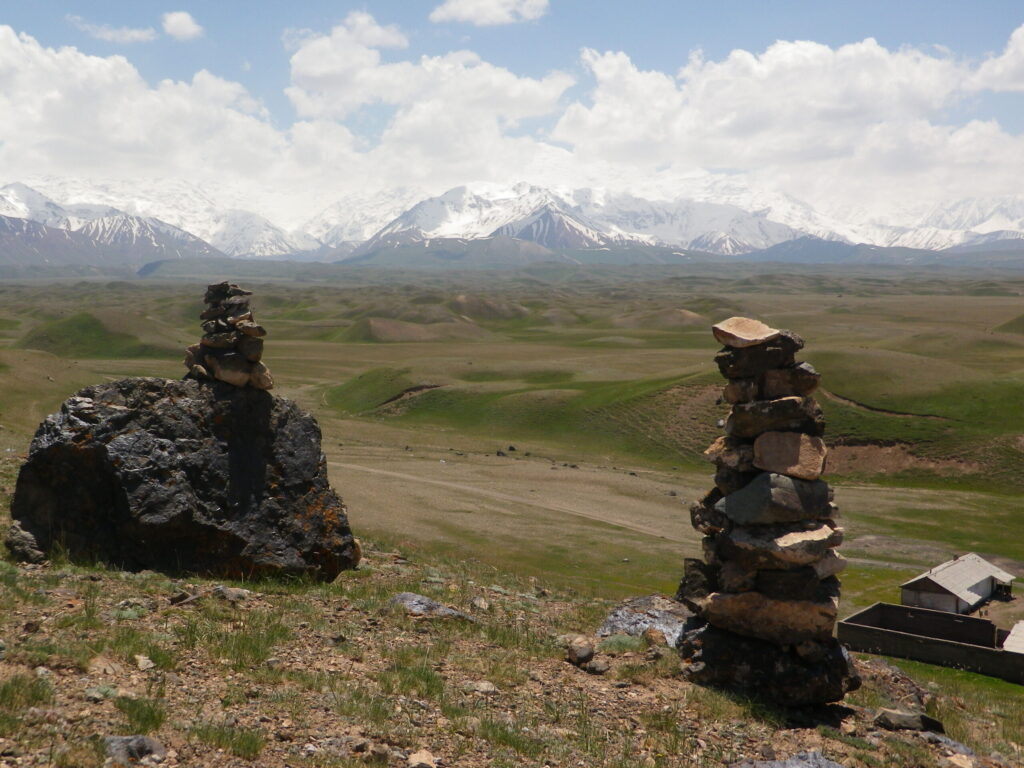
As per a press release on its website, the United Nations Development Program (UNDP) in Kyrgyzstan, in collaboration with the Fair and Sustainable Development Solutions (FSDS) Foundation, said it is launching activities to strengthen the value-added chain (VAC) of adventure tourism. The project, Aid for Trade in Central Asia, aims to develop adventure tourism in target regions of Kyrgyzstan, creating new jobs, increasing the competitiveness of the sector, and strengthening its export potential. Tourism plays an important role in expanding economic opportunities and contributes to infrastructure development, which has a positive impact on other sectors of the economy. There are also opportunities to make the sector green and sustainable, the project stated. Kyrgyzstan needs to be positioned as a new tourism destination, as the country has a wide range of tourism resources. However, this will require coordinated efforts. “We support the promotion of adventure tourism, which is one of the fastest growing sectors and has a great potential for developing the local economy”, said Aid for Trade project coordinator, Aisulu Mambetkazieva. “Moreover, adventure tourism will allow as many people as possible to learn about the beautiful culture and nature of Kyrgyzstan. We hope that the project can become a driver for the development of adventure tourism in Kyrgyzstan and create new opportunities for sector participants”. The activities on strengthening the VAC of adventure tourism will be carried out in Issyk-Kul, Jalal-Abad, and Osh provinces. The project includes several key tasks on which the UNDP has already begun work: Increasing the potential of VAC participants and introducing joint adventure tourism products. New tourism products will be developed and promoted through various trading platforms; Increasing access to innovative and environmentally sustainable technologies that contribute to sustainable development; Creation of favorable conditions for the development of safe adventure tourism at a local level. The UNDP in Kyrgyzstan pays great attention to supporting women's entrepreneurship and the business initiatives of people with disabilities. In this regard, it is expected that appropriate measures will be taken to create examples of tourism entrepreneurship among women and people with disabilities for further replication and scaling.