• KGS/USD = 0.01144 0%
  • KZT/USD = 0.00205 0%
  • TJS/USD = 0.10441 0.1%
  • UZS/USD = 0.00008 0%
  • TMT/USD = 0.28571 0%
  • KGS/USD = 0.01144 0%
  • KZT/USD = 0.00205 0%
  • TJS/USD = 0.10441 0.1%
  • UZS/USD = 0.00008 0%
  • TMT/USD = 0.28571 0%
  • KGS/USD = 0.01144 0%
  • KZT/USD = 0.00205 0%
  • TJS/USD = 0.10441 0.1%
  • UZS/USD = 0.00008 0%
  • TMT/USD = 0.28571 0%
  • KGS/USD = 0.01144 0%
  • KZT/USD = 0.00205 0%
  • TJS/USD = 0.10441 0.1%
  • UZS/USD = 0.00008 0%
  • TMT/USD = 0.28571 0%
  • KGS/USD = 0.01144 0%
  • KZT/USD = 0.00205 0%
  • TJS/USD = 0.10441 0.1%
  • UZS/USD = 0.00008 0%
  • TMT/USD = 0.28571 0%
  • KGS/USD = 0.01144 0%
  • KZT/USD = 0.00205 0%
  • TJS/USD = 0.10441 0.1%
  • UZS/USD = 0.00008 0%
  • TMT/USD = 0.28571 0%
  • KGS/USD = 0.01144 0%
  • KZT/USD = 0.00205 0%
  • TJS/USD = 0.10441 0.1%
  • UZS/USD = 0.00008 0%
  • TMT/USD = 0.28571 0%
  • KGS/USD = 0.01144 0%
  • KZT/USD = 0.00205 0%
  • TJS/USD = 0.10441 0.1%
  • UZS/USD = 0.00008 0%
  • TMT/USD = 0.28571 0%

Viewing results 667 - 672 of 1241

Empowering Kazakhstan’s Future: Navigating Diplomatic, Energy, and Geopolitical Challenges in the Nuclear Power Referendum

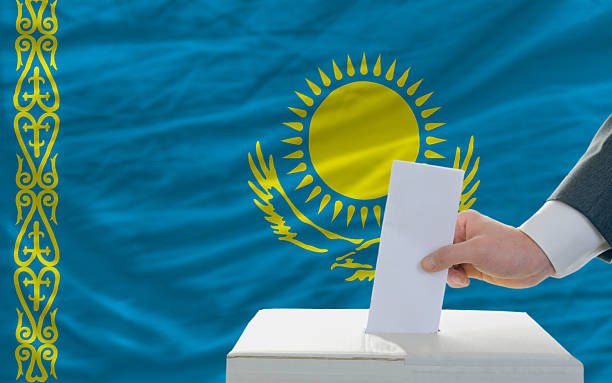
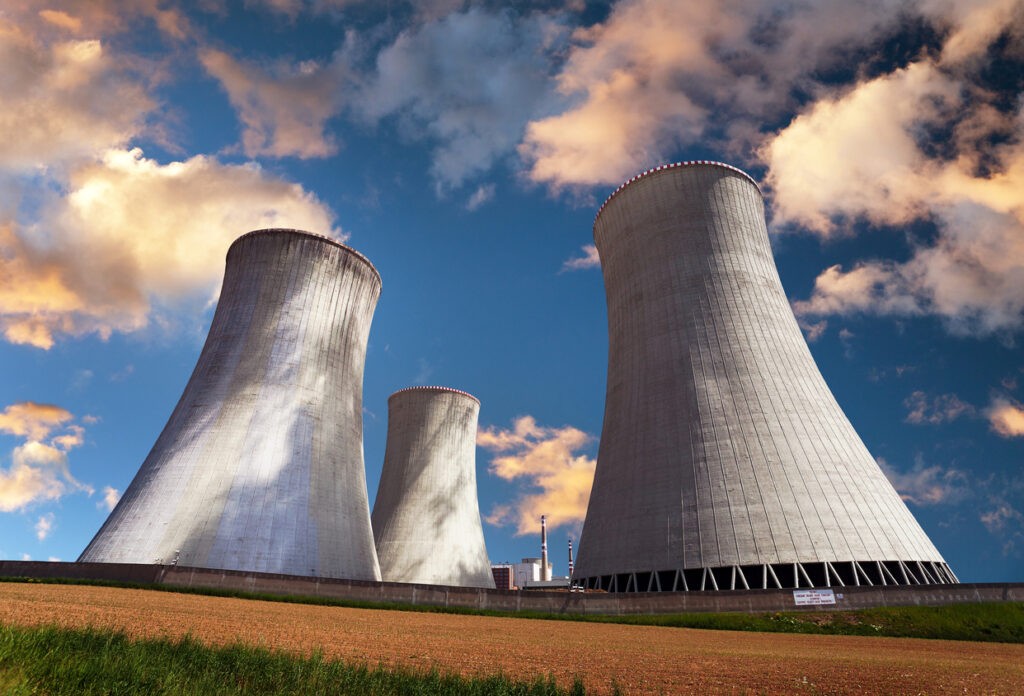
Never short of diplomatic acumen, on September 2, President Kassym-Jomart Tokayev signed a decree on holding a referendum on the construction of a nuclear power plant (NPP) in Kazakhstan. Tokayev’s goal is to ensure that arguments for nuclear energy are compelling and to involve citizens, scientists, and government officials in the decision-making process. However, it's crucial that the public are fully informed about these plans as Kazakhstan finalizes the first stage of its new nuclear development. With demand for electricity soaring, it can be argued that the case for the NPP is compelling. Officials forecast that electricity deficits are set to worsen, leading to a reliance on imports, such as was the case in the 1990s. In the first three months of 2024 alone, tariffs rose by 26%. Electricity in Kazakhstan is currently generated by 222 power plants under various forms of ownership, with 84% coming from fossil fuels, hydropower accounting for 12%, and less than 2% coming from solar and wind installations as of 2019. Renewables had expanded to 5.92% by 2023, but the deficit continues to grow.   Old-Timers and Newcomers On October 6 of this year, the Kazakhstani people will give the final answer in a referendum on whether nuclear power will become a component of their everyday lives or whether nuclear-phobia, connecting both the memory of atomic testing at Semipalatinsk and persistent distrust in the ability of officials to build something grandiose without embezzlement, will prevail. The example of the LRT (the project for elevated light-rail transportation in Astana, which was to be implemented back in 2013) stands as a stark monument to corruption which has even penetrated the cultural code of today's youth. One of the first episodes of a then-popular show hosted by politician and businessman, Bulat Abilov, was devoted to nuclear energy and the need to build nuclear power plants. Abilov's inspiration for this topic was Mukhtar Dzhakishev. The former Head of Kazatomprom and Deputy Minister of Energy and Mineral Resources, on November 10, 2009, Dzhakishev was charged with the theft of Kazatomprom property and the receipt of bribes, and was sentenced to fourteen years imprisonment. Subsequently found guilty on separate charges related to embezzlement, fraud, involvement in organized crime and the abuse of power, he was sentenced to a further ten years to run concurrent to his prior sentence. Dzhakishev was released in March 2020, but this episode has led neither man to change their position - nuclear power plants are the best thing for Kazakhstan in light of coming energy shortfalls. Agitators for the NPP, who also include the General Director of Kazakhstan Nuclear Power Plants JSC, Timur Zhantikin, and specialists from the Institute of Nuclear Physics of the Ministry of Energy, have, however, encountered vociferous opposition. Some still oppose the NPP, such as ecologist Mels Yeleusizov. The arguments among those resistant to construction of the NPP have long remained unchanged, with seismic hazards, radiophobia, and corruption at the forefront. The pressure on emotions has also remained unwavering, with slogans such...
New Satellite Internet May Appear in Kazakhstan

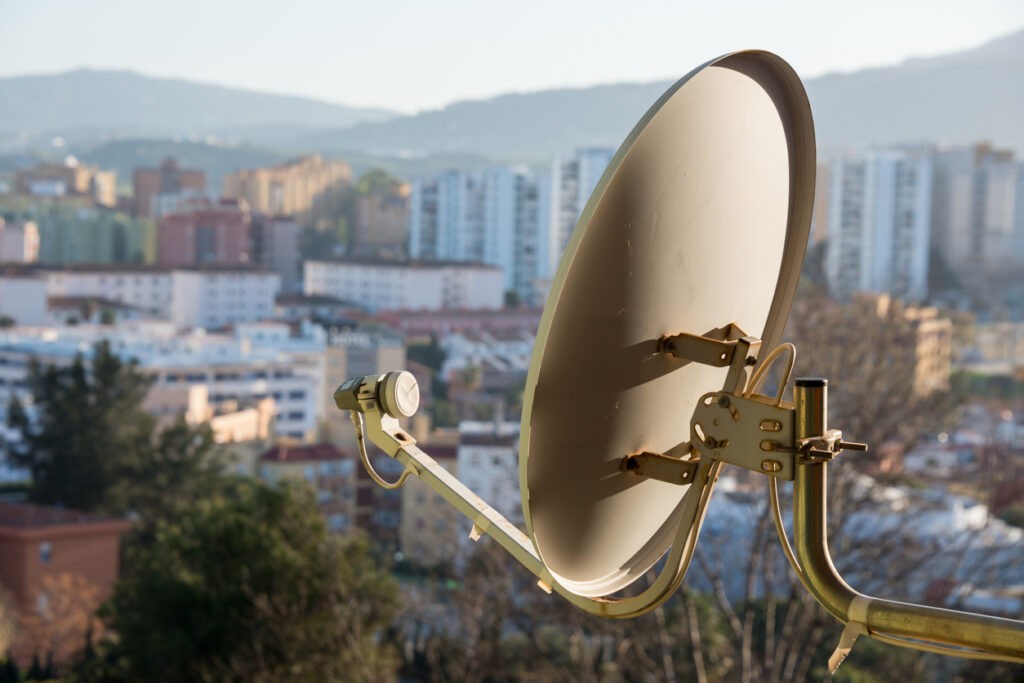
Kazakhstan plans to agree with Amazon to use "Project Kuiper" satellite internet, a competitor to Elon Musk's well-known Starlink. Minister of Digital Development, Innovation, and Aerospace Industry Zhaslan Madiev said the agreement will be signed during the Asia-Pacific Conference on Digital Transformation, which will be organized by UNESCAP in Astana. Madiev emphasized that competition between satellite providers will improve the quality of internet services for citizens at an affordable price. Amazon began deploying the Project Kuiper network by launching the first two prototype satellites last year. More than 3,200 satellites are planned to be deployed in the future, but a full-fledged launch has been delayed until the end of 2024. Kazakh Prime Minister Olzhas Bektenov, who participated in the conference, also said that the 5G network will cover all regional centers of Kazakhstan by the end of 2025. A Starlink pilot project was also launched in Kazakhstan; under this project, Starlink internet will be available to 2,000 remote rural schools.

Chinese Modernizing Two Power Units at Bishkek Heating Plant

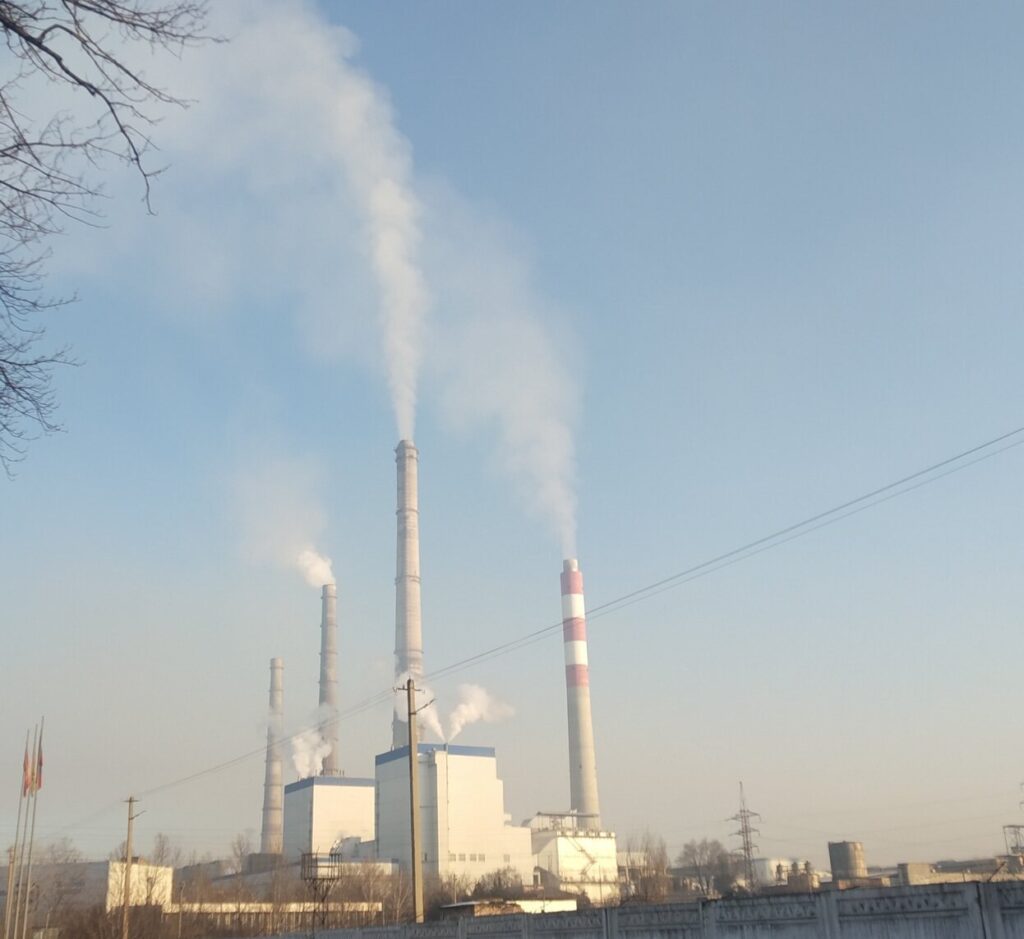
Since July, some 350 specialists from China’s Tebian Electric Apparatus Stock Co. Ltd. (TBEA) have been carrying out a full overhaul of two power generating units at the Bishkek Thermal Power Plant (TPP), Taalaibek Baigaziyev, Deputy Mayor of Bishkek for Energy Issues, told Birinchi Radio. The Bishkek TPP generates 13% of all electricity produced in Kyrgyzstan (with the rest generated by hydropower plants) and provides heat and hot water to almost two-thirds of the capital. TBEA built the two power units that are currently under repair as part of the Bishkek TPP modernization that commenced in 2014. Following a loan agreement between China’s Export-Import Bank and the Kyrgyz government in 2013, TBEA was granted the contract and modernized the plant for $386 million. According to Baigaziyev, these two Chinese power units were commissioned in 2017 and were not repaired until this July. In past winters, they worked with a maximum load of 210 megawatts. This winter, their capacity is planned to increase to 300 megawatts. The Bishkek TPP has seen two significant accidents in recent years. One accident occurred in January 2018, when the plant’s breakdown left the city without heating for three days amid freezing air temperatures. The most recent accident happened on February 2 of this year, in the old part of the power plant that the Chinese did not modernize. An explosion at the plant seriously injured three people. It caused the plant’s breakdown, forcing authorities to declare hot water and heating restrictions in some parts of the city as the plant’s staff worked to repair the damage. Following the accident, Kyrgyzstan’s president Sadyr Japarov ordered the complete modernization of the aging thermal power plant.

Nuclear Plant Referendum in Kazakhstan Will Cost $33 Million

Kazakhstan's Central Election Commission (CEC) has announced that 15.5 billion tenge ($33 million) will be allocated to hold a referendum on constructing a nuclear power plant. CEC member Sabila Mustafina said the amount includes organizational costs and holding the referendum at 78 foreign polling stations in 63 countries. The main part of the funds — 71% — will be spent on labor remuneration for more than 77,000 election commission members. The referendum will be held on October 6. Kazakhstan's president Kassym-Jomart Tokayev signed a decree on holding the referendum on September 2, 2024. In his address, Tokayev emphasized that constructing nuclear power plants is a strategically important issue for the country. Tokayev noted the need to use reliable and environmentally friendly energy sources in the context of the global energy deficit. He emphasized that today, about 200 nuclear power plants operate in 30 developed and developing countries. Tokayev noted that it is vital for Kazakhstan to consider long-term national interests, environmental safety, and the population's needs, as well as the need to make thoughtful decisions on constructing nuclear power plants. The president also emphasized the importance of public support in making important decisions for the country. He said that the population should have a say in every step related to major infrastructure projects, such as the construction of nuclear plants. Discussions on constructing a nuclear power plant in Kazakhstan have been ongoing for many years. The need for it first emerged after the closure of the Soviet reactor in Aktau in 1999.

Kyrgyzstan Proposes Ban on Face Coverings

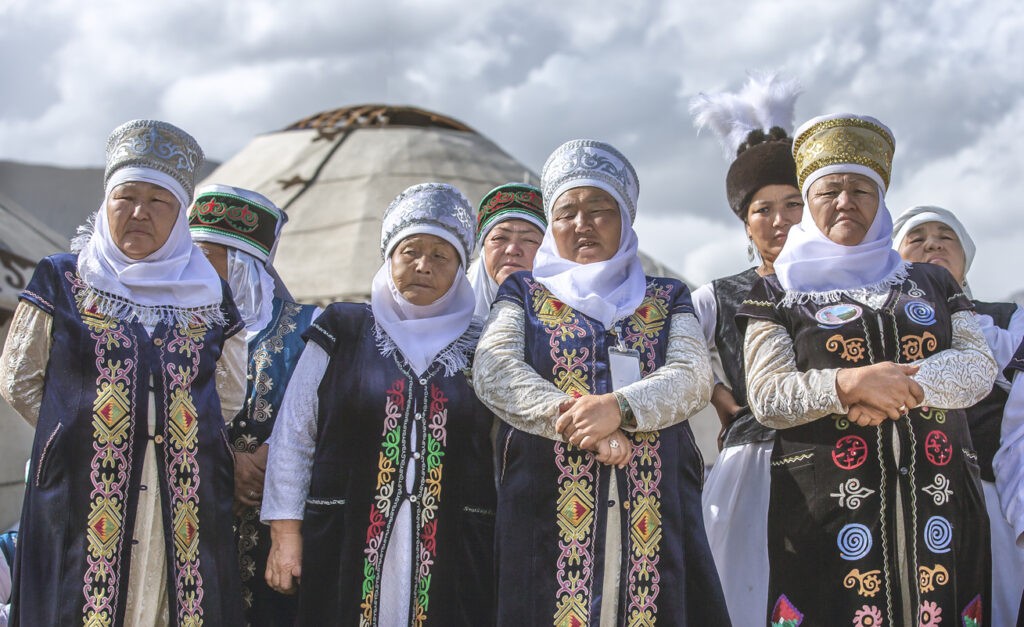
The State Commission on Religious Affairs of Kyrgyzstan has proposed several important initiatives to regulate religious activity in the country and in particular, a ban on face coverings that hinder citizen identification in state institutions and public places. The ban will not apply to protective masks, and a draft decree, carrying a proposed fine equivalent to 235 USD for violation of the law, has now been submitted for public discussion. In addition, the State Committee of Religion also proposes banning the distribution of religious literature and other materials in public places, residential premises, state and municipal institutions, and educational organizations. Recommendations have also been mooted to prohibit religious figures from foreign organizations from conducting ceremonies and events in nursing homes, correctional institutions, and military units without prior approval of the authorized body. A further proposal is the implementation of a ban on religious organizations' interference in the activities of public authorities and local self-government bodies, and on financing political parties by subjects of spiritual activity. Administrative liability is envisaged for violation of these prohibitions, the aim of which is to strengthen state control, and prevent abuse, of religious activity. Laws prohibiting face coverings are already in place in several countries. France and Belgium for example, have strict bans on burkas and niqabs in public places, and in Sri Lanka, similar measures have been introduced to combat religious extremism. In the Republic of Congo and Chad, such laws were imposed to improve security despite the low Muslim population. Post-Soviet countries have adopted similar laws but on a limited scale. Azerbaijan restricts religious dress in public institutions, whilst motivated by concern for national identity and the secular nature of the state, Tajikistan has imposed a law banning the hijab in public institutions and schools since 2017.

Kyrgyzstan Closes Kloop; Media Outlet Says Work Will Go On

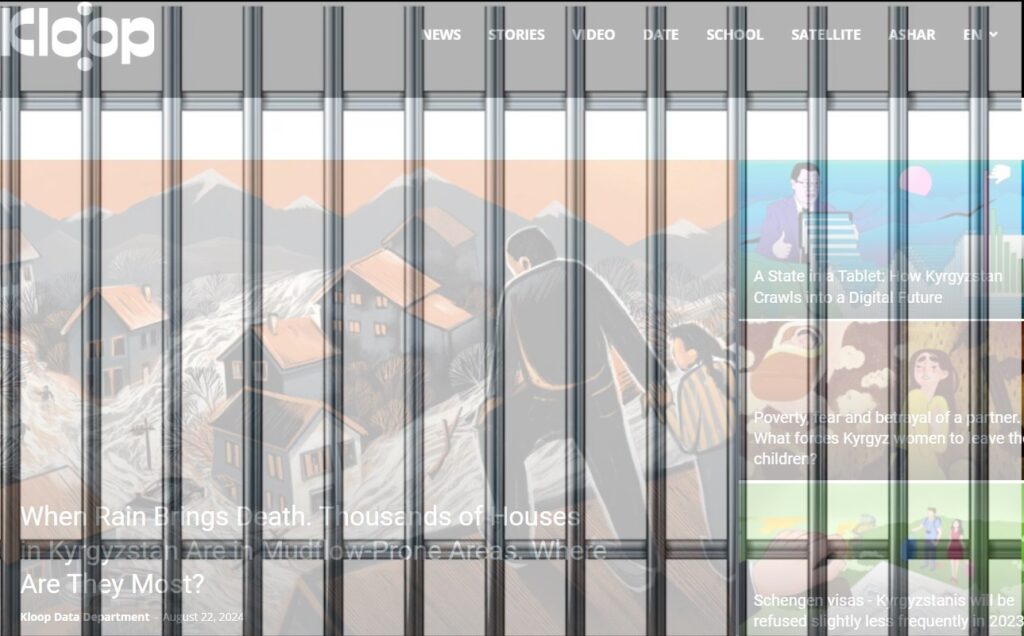
Amid concerns that media freedoms in Kyrgyzstan are shrinking, President Sadyr Japarov has suggested that the closure of Kloop Media, a Kyrgyz foundation that runs an investigative news organization, was a blow against “anarchy” and false information rather than freedom of speech. Japarov offered his contested vision of what constitutes responsible media coverage in an interview published on Tuesday by the state news agency Kabar, which asked for his reaction to a reported ruling by Kyrgyzstan’s Supreme Court that upheld the liquidation of Kloop Media after a yearlong court battle. “Doesn't the closure of this media have a negative impact on the freedom of expression in the country?” Kabar director Mederbek Shermetaliev asked Japarov. “Nothing. For 30 years, we have replaced anarchy with democracy and gossip with freedom of speech. Now the community is recovering from those diseases,” Japarov replied. “We have had and will have freedom of speech. We will support anyone as long as they tell the truth. Anarchy, spreading rumors and false information is not freedom of speech.” The president’s emphasis on stability and regulated expression is a shift from the more freewheeling environment of past years in Kyrgyzstan, which had a reputation as one of the more open – as well as turbulent - societies in Central Asia. Japarov, who came to power during a period of political upheaval in 2020, has dismissed criticism that his government is creeping toward authoritarianism. Last week, Kloop Media said it had learned that the Supreme Court’s panel of judges for civil and economic cases decided on July 16 to uphold the foundation’s liquidation, indicating the court had remained silent about the ruling until foundation lawyers were informed on Aug. 22. It said the closure of Kloop’s bank accounts could begin soon, but said the number of its online visitors had grown and that work would continue to be published on the internet. "And as long as at least one Kyrgyzstani reads us, we will continue to publish the most in-depth investigations, the most balanced news, and the most incisive columns," Kloop co-founder Rinat Tukhvatshin said. Prosecutors had argued that Kloop’s charter did not allow it to engage in journalism, while also drawing attention to reporting that they described as negative. Kloop has won a number of international media awards for investigations into government corruption, election violations and other sensitive topics. The New York-based Committee to Protect Journalists has condemned the moves to shutter Kloop, saying it was a “shameful episode” that showed Kyrgyzstan had lost its reputation “as a haven for press freedom in Central Asia.” In the Kabar interview, Japarov was asked what he thinks about investigative journalism. “We support all those investigating, no matter who they are. The only request is to double-check,” Japarov said. But investigating “with bias, slander, hostility, and personal interest” is not freedom of speech, he said. Kloop published a just-the-facts story about the president’s remarks with the headline: “Sadyr Japarov: Liquidation of Kloop Media will not affect freedom of speech in Kyrgyzstan.”