• KGS/USD = 0.01144 0%
  • KZT/USD = 0.00217 0%
  • TJS/USD = 0.10456 0%
  • UZS/USD = 0.00008 0%
  • TMT/USD = 0.28490 0%
  • KGS/USD = 0.01144 0%
  • KZT/USD = 0.00217 0%
  • TJS/USD = 0.10456 0%
  • UZS/USD = 0.00008 0%
  • TMT/USD = 0.28490 0%
  • KGS/USD = 0.01144 0%
  • KZT/USD = 0.00217 0%
  • TJS/USD = 0.10456 0%
  • UZS/USD = 0.00008 0%
  • TMT/USD = 0.28490 0%
  • KGS/USD = 0.01144 0%
  • KZT/USD = 0.00217 0%
  • TJS/USD = 0.10456 0%
  • UZS/USD = 0.00008 0%
  • TMT/USD = 0.28490 0%
  • KGS/USD = 0.01144 0%
  • KZT/USD = 0.00217 0%
  • TJS/USD = 0.10456 0%
  • UZS/USD = 0.00008 0%
  • TMT/USD = 0.28490 0%
  • KGS/USD = 0.01144 0%
  • KZT/USD = 0.00217 0%
  • TJS/USD = 0.10456 0%
  • UZS/USD = 0.00008 0%
  • TMT/USD = 0.28490 0%
  • KGS/USD = 0.01144 0%
  • KZT/USD = 0.00217 0%
  • TJS/USD = 0.10456 0%
  • UZS/USD = 0.00008 0%
  • TMT/USD = 0.28490 0%
  • KGS/USD = 0.01144 0%
  • KZT/USD = 0.00217 0%
  • TJS/USD = 0.10456 0%
  • UZS/USD = 0.00008 0%
  • TMT/USD = 0.28490 0%

Viewing results 805 - 810 of 1501

Child Malnutrition Hits Central Asia

In its recently published report “Child Food Poverty 2024,” UNICEF has identified 63 countries, including four Central Asian countries, where child malnutrition has reached a  crisis point. Severe child food poverty threatens the survival, growth, and development of an estimated 181 million children under five globally, denying them the opportunity to escape social and economic deprivation. As stated in the report, “Child food poverty harms all children, but it is particularly damaging in early childhood when insufficient dietary intake of essential nutrients can cause the greatest harm to child survival, physical growth, and cognitive development. The consequences can last a lifetime: children deprived of good nutrition in early childhood perform worse in school and have lower learning capacity in adulthood, trapping them and their families in a cycle of poverty and deprivation.” The indicator of food ration determines children’s food security. It was developed by UNICEF and the World Health Organization (WHO). For healthy growth and development, children should consume at least five products from the following eight groups: Breast milk Grains, roots, tubers, and plantains Pulses, nuts, and seeds Dairy products Fresh foods Egg Vitamin A-rich fruits and vegetables Other fruits and vegetables. If children consume products that belong to just two groups, they live in extreme nutritional poverty; if they consume products belonging to three-four groups, they live in a moderate state related to nutrition. If they consume products belonging to five or more groups, they are considered not to be in a poor situation related to nutrition. Uzbekistan and Kyrgyzstan have average levels of child malnutrition, Turkmenistan has a low level, and Tajikistan has a high level.
Human Rights Organization Demands Release of Tajik Journalist

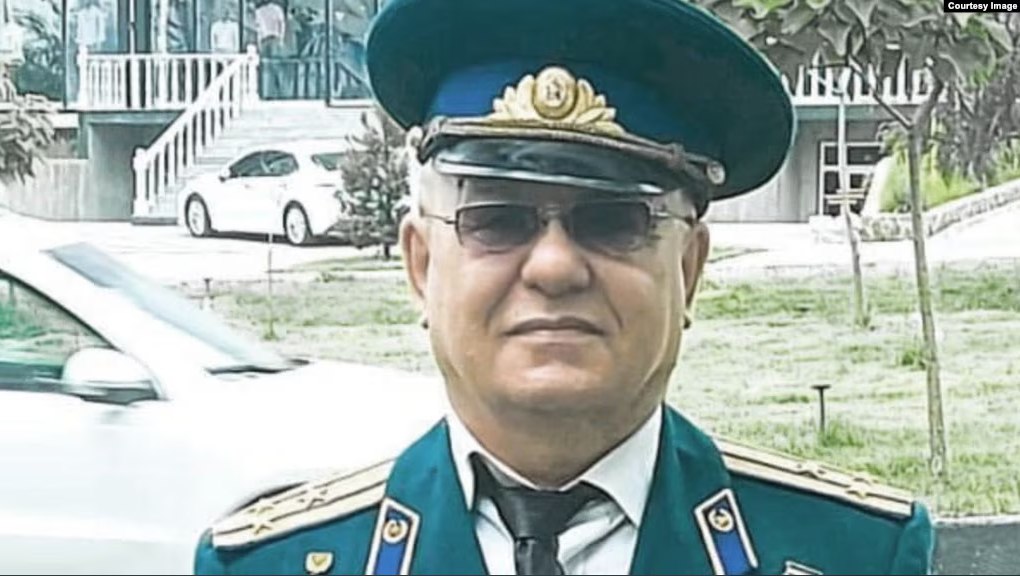
The Washington DC.-based human rights organization Freedom Now and the American law firm Dechert LLP have sent a letter to the UN Working Group on Arbitrary Detention, calling for the release of the Tajik journalist and human rights activist Mamadsulton Mavlonazarov. The letter says that the 72-year-old Mavlonazarov, also known as Muhammadi Sulton, was imprisoned for criticizing Tajikistan's authorities. The journalist, a former state security colonel, was arrested in 2022 and sentenced to seven and a half years in prison on charges of publicly calling for a violent change in the constitutional order, and insulting representatives of the authorities through the media or the internet. In their appeal to the UN, the signees state that Mavlonazarov's current condition is unsatisfactory, and voice fears for his health. He has severe swelling of his legs and kidney problems, due to which he has been hospitalized several times. “We hope that the UN Working Group on Arbitrary Detention will conclude that Mavlonazarov's detention violates his fundamental right to freedom of expression, in violation of the International Covenant on Civil and Political Rights and the Universal Declaration of Human Rights, and he should be released,” the letter reads. It is also reported that after he resigned from the state security agencies, Mavlonazarov became a journalist, and was repeatedly threatened for his critical articles, which were published on his Facebook page. Human rights activists claim that he was convicted for his posts and comments about the May 2022 events in the Gorno-Badakhshan Autonomous Region (GBAR). Mavlonazarov's detention came in June 2022 after he sharply criticized Tajik security forces' “counter-terrorism” operation in Rushan district and Khorog, which, according to official figures, resulted in 16 deaths and, according to independent sources, about 40. A month earlier, the Tajik authorities had announced the “neutralization of an organized criminal group” in GBAR.

Central Asian Public Opinion is the Latest Battle Front Between Putin and Zelenskiy

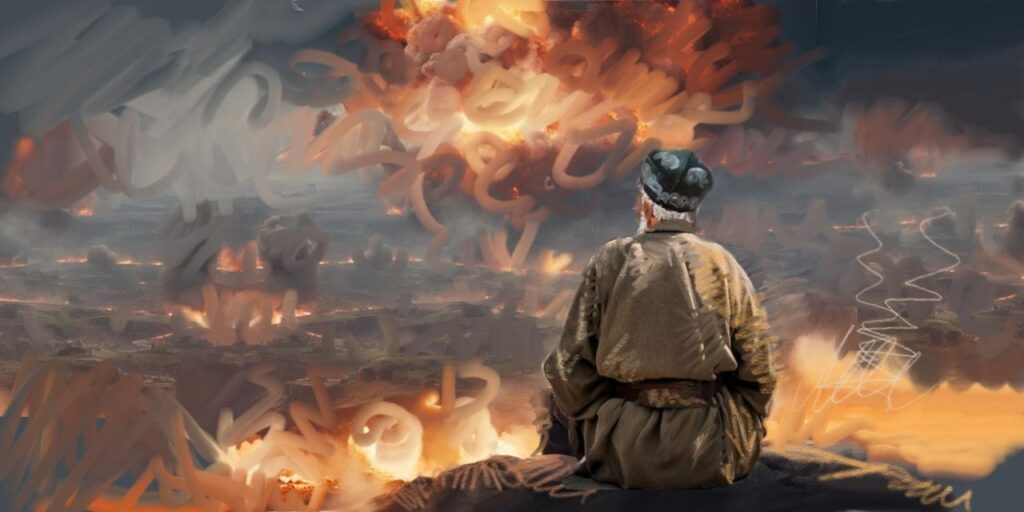
The settings were starkly different. An Uzbek honor guard in elaborate uniform greeted Russian President Vladimir Putin after he arrived at Uzbekistan’s Tashkent airport on May 26 for a state visit. Two days earlier, Ukrainian President Volodymyr Zelenskiy gave an interview to Central Asian media in his signature army-green combat-ready t-shirt, sitting in the ruins of a Kharkiv printing house destroyed by Russian missiles.  With the war in Ukraine into its third year, Putin’s trip to Uzbekistan represents part of his broader mission to nurture long-standing trade and security ties with Central Asian countries, who have been trying to walk a delicate line in their relationships with Russia. Uzbekistan’s President Shavkat Mirziyoyev welcomed Putin with a literal embrace. Their official meeting the next day was scheduled to address bilateral issues and views on “current regional problems,” reported Russia’s state-run news agency Tass.  While in Uzbekistan President Putin had boasted that Russia was Uzbekistan’s biggest trading partner with export growth by 23% this year and had invested over $13 billion in the country. He called Uzbekistan to be the biggest state in Central Asia; praised Mirziyoyev’s language policy that protects Russian language in schools and as an official language in Uzbekistan. Russia has started exporting gas to Uzbekistan through Kazakhstan, with some of the gas staying in Kazakhstan. Some analysts argue that Russia can circumvent sanctions by partly relying on imports, mainly from Europe, that come through Central Asia.  Over in the war-torn Ukrainian city of Kharkiv, President Zelenskiy’s interview with six journalists from Uzbekistan, Kyrgyzstan and Kazakhstan, some openly affiliated with Radio Free Europe and the Soros Foundation, included a discussion on how to deepen solidarity between the people of Central Asia and Ukraine over a shared anti-Russian sentiment. Zelenskiy tells Central Asians to drop their balancing act towards Russia In the interview, President Zelenskiy challenged Central Asian countries to overcome their economic dependencies and security vulnerabilities and adopt Ukraine’s hardline posture against Russia. The region’s leaders “are still [positioned] more in the Russian direction because of fear of the Kremlin. We [the Ukrainians] have made our choice, we are fighting,” Zelenskiy said, according to a Russian transcript of the interview published by Kazakh media outlet Orda.kz. Zelenskiy told Central Asians and others who are “trying to balance” their relationships with Russia to "not wake the beast" that this strategy will not work because “the beast does not ask anyone: he wakes up when he wants”.  Zelenskiy warned Central Asian people that alongside the Baltic states and Moldova, they, too, face a risk of being invaded by Russia given their Russian populations, which the Kremlin may decide to intervene to protect, as it did in Ukraine. He also added grimly, “if you, your people, resist becoming part of Russia, you will inevitably be waiting for a full-scale invasion, death and war.” Calling on the world to unite against Russia, President Zelenskiy recommended that Central Asians isolate Russia economically and diplomatically, arguing that “balancing acts” to help their economy in the...

Peace for Women and Children Returning from Syria to Tajikistan

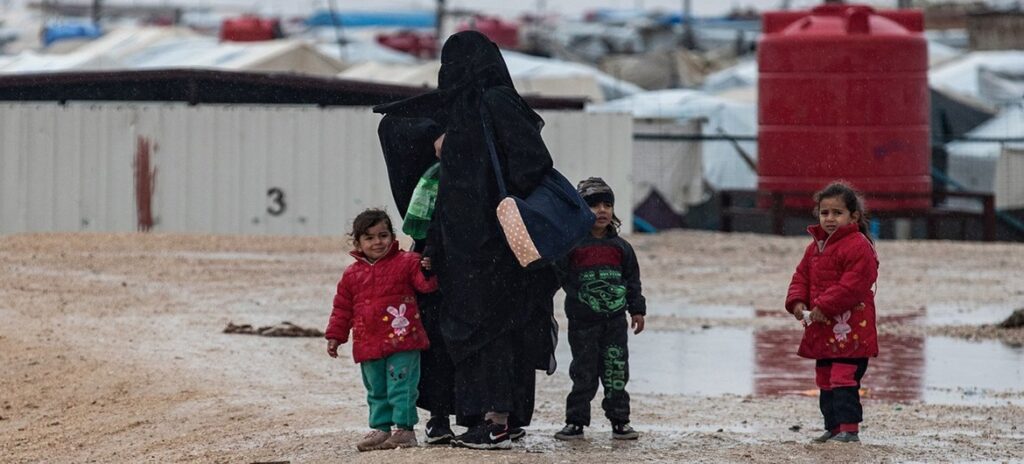
Dozens of women and children returning from Syria have now been reunited with their loved ones in Tajikistan and according to the  Ministry of Health, are adapting to a peaceful life. The return of Tajik citizens, primarily women and children, who left for Syria's combat zone and fell prey to terrorist organizations, has continued  since 2022. On 27 September 2023, the Government of Tajikistan introduced a program to aid their rehabilitation. According to , Kudratullo Kurbonzoda, head of the Social Protection Department of Tajikistan's Ministry of Health and Social Protection,  over the past two years, 334 people, including 259 children, have been returned from Syrian prisons to their homeland and having passed through the program's three stages, are settling in well. “Their health and mental state have recovered," commented Kurbonzoda Ku, adding that thanks to the program, even those without documents, such as passports or birth certificates, have been able to contact their families wherever they are in the country. A further 47 people who returned in April are currently  under the supervision of the agency's specialists and receiving assistance from doctors and psychologists, as well as from education and internal affairs officials. Referencing  the program's guidelines, Kurbonzoda added that in addition to financial and material assistance, the government  recommended the placement of  the children in schools and kindergartens, and provision of training and jobs for women.

Farms in Tajikistan Being Abandoned Due to Lack of Money

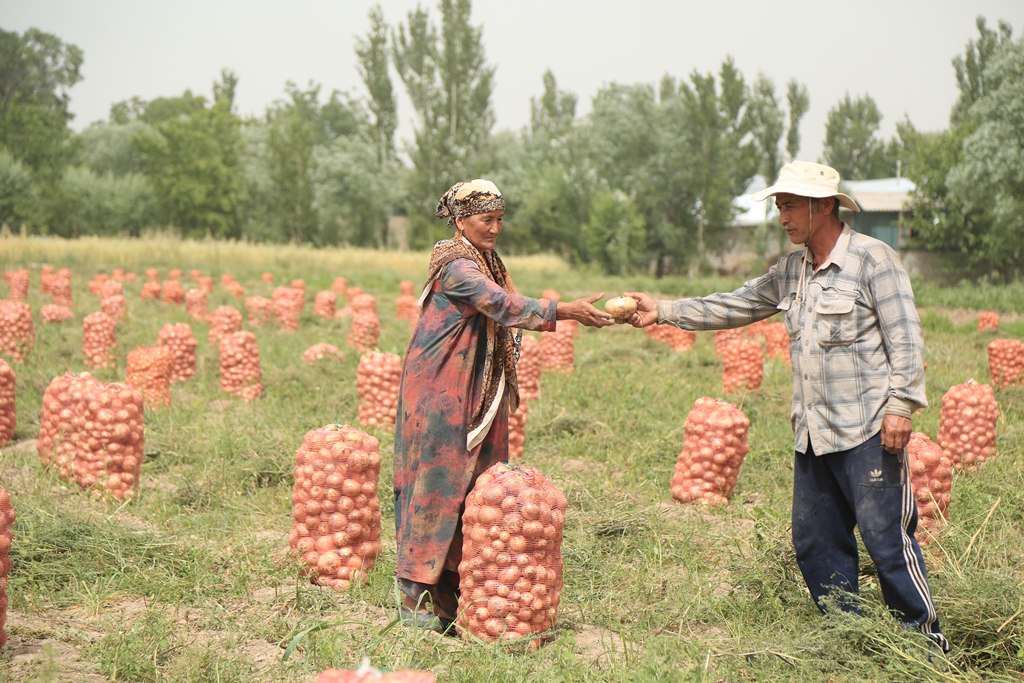
Farmers in Tajikistan are being forced to abandon their farms, explaining that there is no way to earn a living from them. One farmer in the Sino Dekhkan farm in the Vosei district said he was forced to stop operating because of financial problems. “I used to take a loan from Amonatbank to run my business. But they don't give loans anymore. They say you are already old; you will die, and who will pay you back? The land has been standing for two years. It's a cotton field. I haven't found a single somoni for sowing,” the man said. Another problem, farmers say, is the shortage of irrigation water, and the situation only worsens yearly. “I have not been on my land for three years. Because there is no water in the canal. The Nazar State Farm, in Kukhnashahr, takes all the water, and we don't have a drop left,” complained a resident of Kamolobod village in Kulyab. Farmers in Sughd region, adjacent to Dushanbe, face the same problem. Some farmers complain that the authorities force them to plant crops to their detriment. As a result, they say, they not only do not make a profit but also remain at a disadvantage. Economist Foziljon Fatkhulloyev said the agriculture industry will only develop once farmers are given more benefits and preferences. “They give benefits, for example, for six months, but do not consider that farmers' profits do not cover their expenses. If they provide more benefits, the prices of agricultural products on the market would be reduced by 5-10 percent. They should at least give agrarians tax breaks,” he suggested. About 70% of Tajikistan's population lives in rural areas, and developing the agricultural sector will help solve many of its residents' socio-economic problems. Agriculture and labor migration are a source of income for many families. Data is needed on how many farms were forced to close last year, and how many farmers still need to yield products. Representatives of Tajikistan's Ministry of Agriculture do not comment on the situation. At press conferences, the ministry's leadership reports on the development of agriculture and the success of farms.

In Unequal Relationship, Trade Turnover Between Tajikistan and Russia Increases

From January to April 2024, Russia retained the status of Tajikistan's leading trade partner, with trade between the countries increasing by 24.2% compared to the same period last year and reaching $636.8 million, according to the Statistics Agency under the President of Tajikistan. Symptomatic of the deeply unequal relationship is that during this period, Tajikistan bought Russian goods worth $600.7 million, while the Russian Federation only bought $36.1 million from Tajikistan. According to the Statistics Agency, Tajikistan's other top trading partners are China (+19.7%, up to $548.7 million), and Kazakhstan ($441.6 million). From January to April, Tajikistan's total foreign trade volume exceeded $2.7 billion, an increase of 28.7% compared to last year.