• KGS/USD = 0.01143 0%
  • KZT/USD = 0.00205 0%
  • TJS/USD = 0.10433 0.1%
  • UZS/USD = 0.00008 0%
  • TMT/USD = 0.28577 0%
  • KGS/USD = 0.01143 0%
  • KZT/USD = 0.00205 0%
  • TJS/USD = 0.10433 0.1%
  • UZS/USD = 0.00008 0%
  • TMT/USD = 0.28577 0%
  • KGS/USD = 0.01143 0%
  • KZT/USD = 0.00205 0%
  • TJS/USD = 0.10433 0.1%
  • UZS/USD = 0.00008 0%
  • TMT/USD = 0.28577 0%
  • KGS/USD = 0.01143 0%
  • KZT/USD = 0.00205 0%
  • TJS/USD = 0.10433 0.1%
  • UZS/USD = 0.00008 0%
  • TMT/USD = 0.28577 0%
  • KGS/USD = 0.01143 0%
  • KZT/USD = 0.00205 0%
  • TJS/USD = 0.10433 0.1%
  • UZS/USD = 0.00008 0%
  • TMT/USD = 0.28577 0%
  • KGS/USD = 0.01143 0%
  • KZT/USD = 0.00205 0%
  • TJS/USD = 0.10433 0.1%
  • UZS/USD = 0.00008 0%
  • TMT/USD = 0.28577 0%
  • KGS/USD = 0.01143 0%
  • KZT/USD = 0.00205 0%
  • TJS/USD = 0.10433 0.1%
  • UZS/USD = 0.00008 0%
  • TMT/USD = 0.28577 0%
  • KGS/USD = 0.01143 0%
  • KZT/USD = 0.00205 0%
  • TJS/USD = 0.10433 0.1%
  • UZS/USD = 0.00008 0%
  • TMT/USD = 0.28577 0%

Viewing results 91 - 96 of 387

ADB Forecasts Steady Economic Growth for Tajikistan Through 2026

The Asian Development Bank (ADB) projects that Tajikistan will sustain strong economic growth over the next two years, according to the bank’s Asian Development Outlook 2025 released in April. Robust Growth Ahead Tajikistan’s gross domestic product is forecast to grow by 7.4% in 2025 and 6.8% in 2026. This growth is expected to be fueled by significant investments in the energy and industrial sectors, solid domestic demand, and an increasingly dynamic private sector. While these figures mark a slight decline from the impressive 8.4% GDP growth recorded in 2024, one of the highest in the region, the ADB highlights the need for deeper structural reforms. In particular, digital transformation and the expansion of e-governance are deemed critical to ensuring long-term, sustainable development. Digital Transformation: Opportunities and Hurdles ADB’s Resident Representative in Tajikistan, Ko Sakamoto, emphasized the strategic importance of digitalization. “We welcome the government’s prioritization of digital transformation as a key driver of development. We stand ready to support efforts to overcome persistent barriers, including a lack of investment,” he said. Despite widespread mobile phone usage, Tajikistan ranks 139th globally in mobile internet speed. However, digital engagement is on the rise: in the first half of 2024, the number of registered digital wallets hit 10.4 million, and non-cash transactions rose 16.2% year-on-year. ADB experts recommend that Tajikistan focus on developing a robust digital infrastructure to broaden access to public services. The widespread integration of digital technologies in governance and business is seen as vital to industrial modernization and improving overall quality of life. Inflation, meanwhile, is projected at 5.0% in 2025 and 5.8% in 2026. Key inflationary pressures include rising consumer lending, salary increases for public sector employees, and higher utility tariffs. Continued Partnership and Support The Asian Development Bank, a major multilateral financial institution supporting sustainable and inclusive development across Asia and the Pacific, has been working with Tajikistan since 1998. Over that time, the country has received more than $2.7 billion in assistance, including $2.2 billion in grants. These funds have supported vital infrastructure projects in transportation and energy, as well as climate resilience and social development programs. Established in 1966, ADB has 69 member countries, 49 of which are from the region. The bank continues to be one of Tajikistan’s principal development partners, offering innovative financing tools and strategic cooperation to enhance economic sustainability and improve livelihoods.

Unpacking the Effects of Trump’s Tariffs on Central Asia

Trade analysts across Central Asia generally agree that the immediate impact of the United States' tariff policy on the export dynamics of their nations will likely be minimal, as observed in past experiences, except for Kazakhstan. However, there is a palpable concern regarding potential unforeseen consequences arising from a broader global trade conflict. Notably, the timing of the Trump administration's announcement regarding global tariffs on imports coincides with a period when Central Asian countries are actively working to enhance their regional trade relationships. This new tariff policy raises significant doubts about the authenticity of recent U.S. efforts to promote increased trade and investment in the region. The mixed signals coming from Washington may lead Central Asian leaders to re-evaluate their current trade partnerships, especially as they consider the benefits of strengthening ties with China and Russia against the attractiveness of expanding commerce with the United States. Similarly, the European Union may find an opportunity to improve its position, while India could leverage the Chabahar route (a multi-modal transportation route connecting India, Iran, Afghanistan, and potentially Central Asia and Europe). It is worth noting that the market is primarily situated in Asia, and this alternative could have adverse long-term effects on the United States. Kazakhstan, acknowledged as the United States’ largest trading partner in Central Asia, is poised to face significant repercussions from introducing new tariffs set at 27%. In 2024, trade relations between the U.S. and Kazakhstan reached an impressive total of $3.4 billion, with $1.1 billion in U.S. exports to Kazakhstan and $2.3 billion in imports from Kazakhstan to the U.S. However, a statement from the Kazakh Trade Ministry indicates that exports to the U.S. primarily consist of crude oil, uranium, silver, and other raw materials, all exempt from these tariffs. In 2024, Kazakhstan exported only $95.2 million worth of goods, which will now incur surcharges – a relatively modest figure compared to the country’s overall foreign trade turnover of $141.4 billion. Trade analysts suggest that Kazakhstan has little cause for concern, viewing this situation more as a psychological impact than a serious economic threat. Resource-driven Central Asian economies, such as Kazakhstan, may even find enhanced opportunities in the expanding Asian market. Trade dynamics in Central Asia reveal a complex landscape, especially concerning the United States. In 2024, Uzbekistan managed to export a modest $42.4 million worth of goods to the US, a small fraction considering its total foreign trade turnover, which reached an impressive $66 billion for that year. This stark contrast highlights the limited engagement of Uzbekistan in the American market. With its total trade turnover of $16 billion in 2024, Kyrgyzstan similarly struggled with exports to the US, which amounted to merely $16.7 million. This reflects a broader trend where Central Asian economies exhibit low volume exports to the US, suggesting significant barriers or challenges in establishing a foothold in this lucrative market. Tajikistan's economic performance presented an even more sobering picture. Recording a total trade turnover of $8.9 billion, the country achieved only $4.6 million...

Kyrgyzstan and Tajikistan Move Closer to Electricity Exports to South Asia

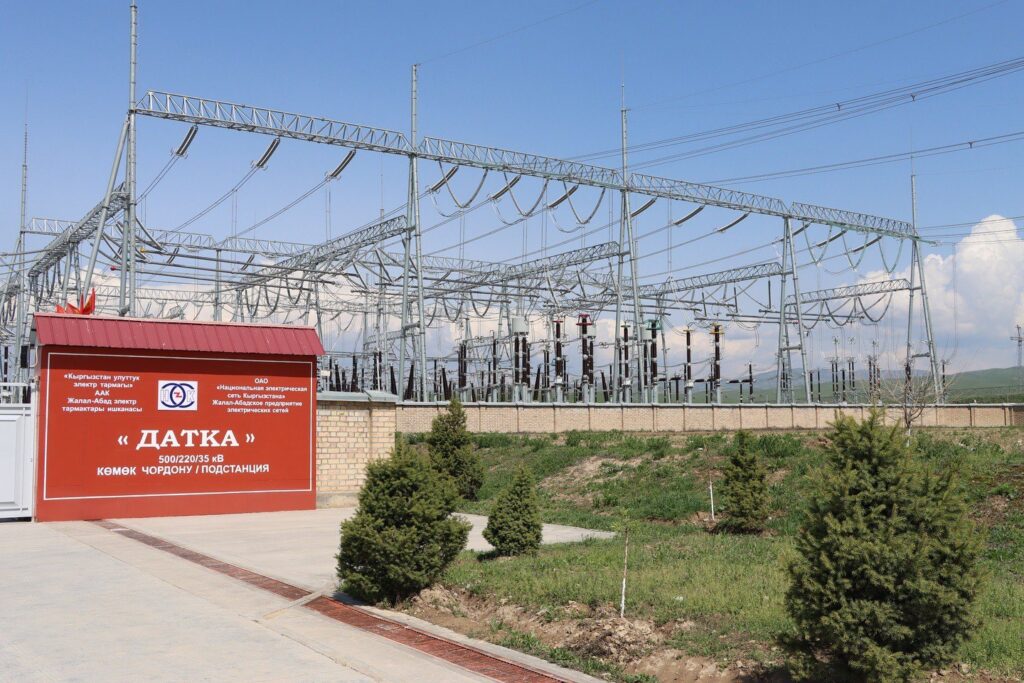
Kyrgyzstan and Tajikistan have officially launched the 500 kV Datka-Sughd overhead power transmission line, a key component of the CASA-1000 (Central Asia-South Asia) electricity transmission project. The initiative is designed to export surplus summer electricity from the two Central Asian countries to Afghanistan and Pakistan. The 485-kilometer line, which connects the Datka substation in Kyrgyzstan with the Sughd substation in Tajikistan, was inaugurated on March 31 during Kyrgyz President Sadyr Japarov’s visit to the Tajik city of Khujand. Tajik President Emomali Rahmon also attended the ceremony. The new line enables bidirectional power flows, significantly enhancing the resilience and stability of Central Asia’s power grid. According to Kyrgyzstan’s Ministry of Energy, both Kyrgyzstan and Tajikistan have completed their respective infrastructure components of the CASA-1000 project. Project Progress and Timeline In Pakistan, construction is expected to be completed by August 2025. In Afghanistan, where work had stalled, construction has now resumed. Over 95% of the necessary materials have already been delivered to the country. Full completion of the Afghan section and the start of commercial operations are expected in 2027. The CASA-1000 project, with a total cost exceeding $1.2 billion, is financed by the World Bank, the European Investment Bank, the European Bank for Reconstruction and Development, the Islamic Development Bank, and other international partners. The Kyrgyz and Tajik sections alone accounted for approximately $544 million, or 45.3% of the total project budget. Once fully operational, CASA-1000 will have the capacity to transmit up to 11 billion kilowatt-hours of electricity per year. Economic and Regional Impact Tajikistan and Kyrgyzstan are expected to jointly export up to 5 billion kilowatt-hours of green electricity annually to Pakistan, roughly 5% of Pakistan’s total electricity consumption. The projected revenue from these exports is over $250 million per year for the two countries. The successful implementation of CASA-1000 not only promises economic benefits for Central Asia but also marks a significant step in regional energy cooperation, renewable energy deployment, and cross-border infrastructure integration.

Tajikistan’s Green Deal: EBRD Launches Sustainability Pilot Projects

On April 1, the European Bank for Reconstruction and Development (EBRD) inaugurated two demonstration sites under the Tajikistan Green Economy Financing Facility (GEFF II) in the town of Bokhtar. The initiative promotes innovation in sustainable energy and agriculture, backed by funding from South Korea, Austria, and the Green Climate Fund. The total program budget is $50 million. Bringing Energy Efficiency to Life The first site, located at the MoDO Khumo branch in Bokhtar, features a hybrid solar photovoltaic system combining solar panels with energy storage. This technology ensures a stable power supply even during periods of low solar activity. Real-time data on electricity generation and consumption is displayed in the customer area, helping to raise public awareness of sustainable energy practices. The second site, at the Tanzila dekhkan farm in Vakhsh district, showcases how green technologies can boost crop yields and reduce environmental impact. The installation includes: Drip irrigation systems that save up to 70% of water; Solar panels for off-grid electricity; Biogas units using organic waste; Vertical farming in compact spaces. These solutions aim to enhance agricultural productivity and improve farmers' incomes. Strategic Development with the EBRD GEFF II also prioritizes gender equality, offering targeted support to women entrepreneurs seeking green financing for sustainable business ventures. The demonstration sites form part of the EBRD’s broader strategy to promote sustainable development across Tajikistan. Additional pilot locations are planned to showcase further environmentally friendly technologies. EBRD’s Broader Footprint in Tajikistan Established in 1991, the EBRD provides financial and technical support to nearly 40 countries for economic and structural reforms. In Tajikistan, the bank remains a key investor, having committed over €1 billion across 183 projects. Notable EBRD-supported initiatives include: Dushanbe Infrastructure Modernization - €28.45 million to improve roads and a bridge over the Varzob River; Dangara-Guliston Road Upgrade - €38 million for roadworks and infrastructure for electric vehicles; CLIMADAPT - $10 million to help farmers and businesses adopt climate-resilient technologies; Kayrakkum Hydroelectric Plant Modernization - $88 million to boost energy efficiency and support climate adaptation. These investments are helping Tajikistan build climate resilience, modernize infrastructure, and create sustainable pathways for regional development.

Tajik Entrepreneurs Return to Kyrgyz Markets

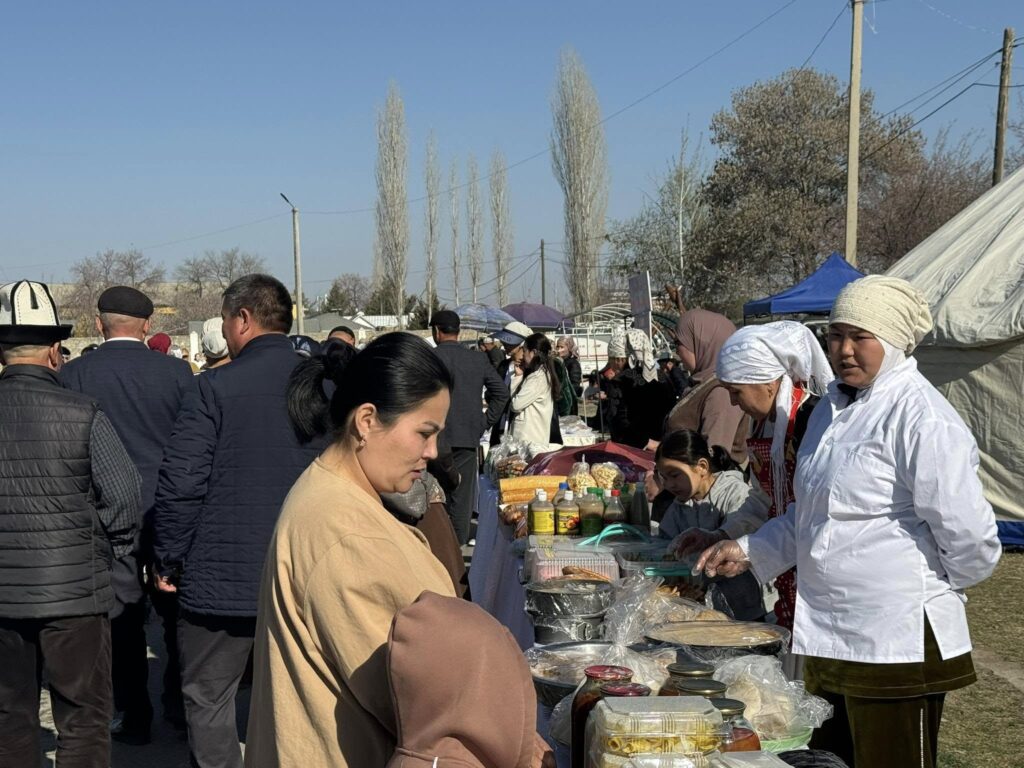
Following the reopening of the Kyrgyz-Tajik border, Tajik entrepreneurs have resumed visits to markets in Batken Oblast, Kyrgyzstan. Local media report that residents are welcoming the return of their southern neighbors​. Once a week, the market in Ak-Turpak village becomes a hub of activity, drawing sellers and buyers from across the region and neighboring countries. A major draw is Batken rice, which resellers purchase in bulk for export to Uzbekistan and Russia. According to local vendors, the market can sell up to 200 tons of rice on a busy day. Rice is cultivated across 3,000 hectares in this border region and remains a vital source of income for many farmers. With the border now open and economic ties restored, buyers from Isfara, Tajikistan, have begun frequenting the Ak-Turpak market, offering a welcome boost to Kyrgyz vendors. As previously reported by The Times of Central Asia, residents of Batken’s border districts also benefit from cross-border trade, often finding it more economical to purchase certain fruits and vegetables in Tajikistan than in Kyrgyzstan’s oblast centers. On March 13, 2025, following the signing of bilateral agreements, the Kairagach and Kyzyl-Bel border checkpoints in Batken Oblast officially reopened. According to Kyrgyzstan’s Border Guard Service, approximately 5,000 people crossed the Kyrgyz-Tajik border between March 13 and 17. An additional 500 individuals crossed by air. Prior to the agreement, all crossings had remained closed since 2021.

EBRD and ADB Finance Upgrade of Key Road in Tajikistan

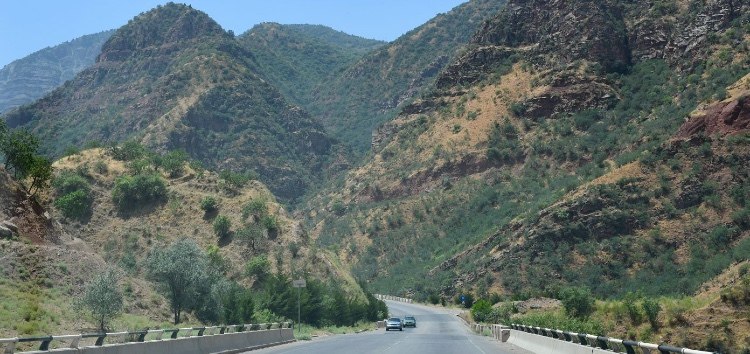
The European Bank for Reconstruction and Development (EBRD) has announced a loan to finance the upgrade and expansion of the Dangara-Guliston road in Tajikistan​. Built in the 1930s as part of a major international highway, this road serves as a crucial link between the north and south of the Khatlon region, an area that produces more than 53% of Tajikistan’s agricultural output and is home to 35% of the country’s population. Financing and Project Scope The EBRD’s sovereign loan of up to €38 million will help finance improvements to a 49-kilometer section of the road, including the construction of charging infrastructure for electric vehicles. The Asian Development Bank (ADB) will provide $86.7 million (€83.5 million) in grant financing to support the project. The upgrades will convert the existing single-lane road into a dual-lane highway, significantly improving transportation efficiency and reducing cargo delivery times across the Khatlon region and beyond. Additionally, the upgraded road will feature: Improved lighting Cycle paths Pavements for pedestrians Electric Mobility and Sustainability This will be one of the first roads in Tajikistan equipped with charging stations for electric vehicles (EVs), encouraging wider EV adoption in the country. The EBRD will also provide a technical cooperation grant to develop a national electric mobility action plan, aimed at stimulating public and private investment in sustainable transportation infrastructure across Tajikistan. EBRD's Broader Investment in Tajikistan To date, the EBRD has invested over €1 billion in Tajikistan through 183 projects, supporting key sectors such as infrastructure, energy, and private enterprise development.