• KGS/USD = 0.01144 0%
  • KZT/USD = 0.00195 0%
  • TJS/USD = 0.10861 0.18%
  • UZS/USD = 0.00008 0%
  • TMT/USD = 0.28571 0%
  • KGS/USD = 0.01144 0%
  • KZT/USD = 0.00195 0%
  • TJS/USD = 0.10861 0.18%
  • UZS/USD = 0.00008 0%
  • TMT/USD = 0.28571 0%
  • KGS/USD = 0.01144 0%
  • KZT/USD = 0.00195 0%
  • TJS/USD = 0.10861 0.18%
  • UZS/USD = 0.00008 0%
  • TMT/USD = 0.28571 0%
  • KGS/USD = 0.01144 0%
  • KZT/USD = 0.00195 0%
  • TJS/USD = 0.10861 0.18%
  • UZS/USD = 0.00008 0%
  • TMT/USD = 0.28571 0%
  • KGS/USD = 0.01144 0%
  • KZT/USD = 0.00195 0%
  • TJS/USD = 0.10861 0.18%
  • UZS/USD = 0.00008 0%
  • TMT/USD = 0.28571 0%
  • KGS/USD = 0.01144 0%
  • KZT/USD = 0.00195 0%
  • TJS/USD = 0.10861 0.18%
  • UZS/USD = 0.00008 0%
  • TMT/USD = 0.28571 0%
  • KGS/USD = 0.01144 0%
  • KZT/USD = 0.00195 0%
  • TJS/USD = 0.10861 0.18%
  • UZS/USD = 0.00008 0%
  • TMT/USD = 0.28571 0%
  • KGS/USD = 0.01144 0%
  • KZT/USD = 0.00195 0%
  • TJS/USD = 0.10861 0.18%
  • UZS/USD = 0.00008 0%
  • TMT/USD = 0.28571 0%
18 December 2025

Viewing results 223 - 228 of 471

Citizens of Tajikistan and Kyrgyzstan Warned Against Non-Essential Travel to Russia

Citizens of Tajikistan and Kyrgyzstan are warned against traveling to Russia, reportedly due to “additional security measures and enhanced border controls” imposed by the Russian government. On September 10, the Tajik embassy in Moscow advised Tajiks “to temporarily refrain from traveling to the Russian Federation unless necessary.” Similar advice was issued by Kyrgyzstan's Ministry of Foreign Affairs the same advice on September 5, in the statement:  “In connection with the continuation of additional security measures introduced on the territory of Russia and the regime of enhanced control over the passage of foreign citizens across the state border, the Embassy of the Kyrgyz Republic in the Russian Federation recommends that citizens of the Kyrgyz Republic who do not have compelling reasons for entering the Russian Federation temporarily refrain from traveling to its territory until the above measures are lifted.” Given that remittances sent by Central Asian immigrants are the primary source of financial support for many families, the warning may have serious economic consequences for immigrants working in Russia. For context, this warning is one of many. After the Crocus City Hall terrorist attack, restrictions on the entry of Central Asians into Russia were announced several times. The issue of immigrants remains controversial in Russia. For example, a Russian diplomat recently proposed a temporary moratorium on Russian citizenship for Central Asians, whilst another deputy suggested that the government impose a ban on immigrants.
Russia to Join Central Asia’s Unified Energy System

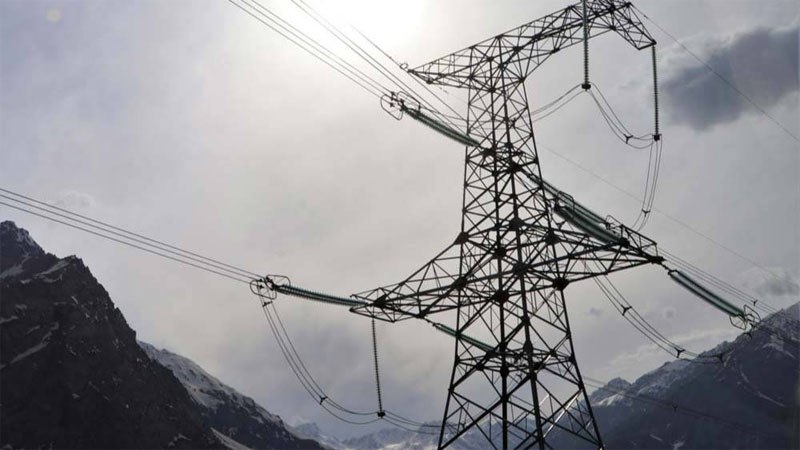
Russian Energy Minister Sergey Tsivilev has announced that the Russian and Uzbek energy ministries have agreed to connect the Russian “System Operator” to Central Asia's Unified Energy System (UES). The connection itself is expected to happen soon. Uzbekistan's Minister for Energy, Zhurabek Mirzamakhmudov, has commented that this move will ensure the security and stability of the energy system in the region. These measures are expected to allow prompt response to problems in energy supply and avoid interruptions. In addition, Inter RAO has announced that it is preparing to export electricity to Uzbekistan, with the start of supplies scheduled for this fall. Central Asia's Unified Energy System was created in the 1970s. It is managed by the coordination and dispatch center in Tashkent, and allows the balancing of seasonal fluctuations in demand for electricity and water needs during the irrigation period. It currently includes Uzbekistan, Kyrgyzstan, Kazakhstan and Turkmenistan. In May it became official that Tajikistan would join the system.

Latvia Coaches Central Asia on Borders While Hardening Russia Frontier

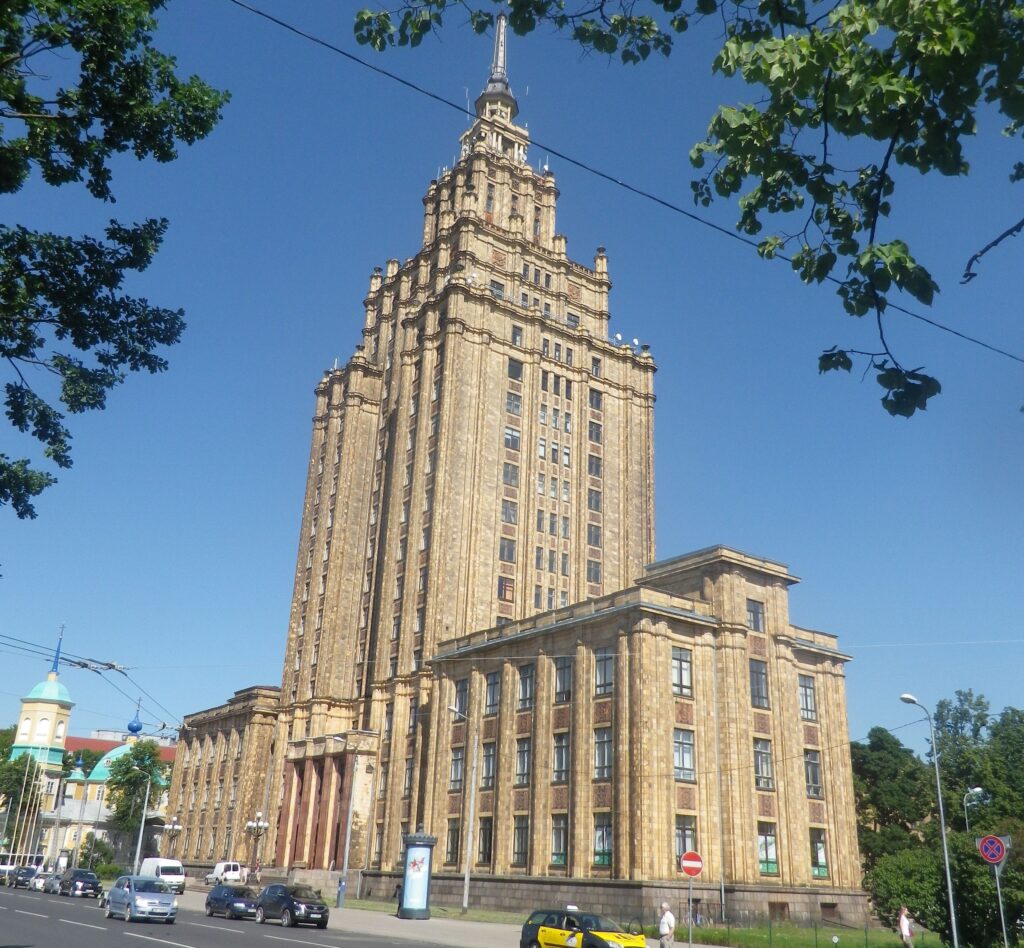
Last month, Central Asian border and law enforcement authorities on a training visit to Latvia got a look at the Baltic state’s border with Russia, which the Latvian government is fortifying because of tension over the Ukraine war.  Officials from Kazakhstan, Kyrgyzstan, Tajikistan and Turkmenistan met in the Latvian capital of Riga on August 27-29 to talk about how to secure their own borders and work together on trade corridors. The trip ended with a visit to Latvia’s 330-kilometer border to the east with Russia, where “conference participants got acquainted with the infrastructure, equipment and specifics of the border surveillance,” said an EU-backed agency that promotes Central Asian border security and is known by the acronym BOMCA. Unlike the Central Asian countries, Latvia is a NATO member that has provided military aid to Ukraine and considers Russia and Russian ally Belarus, with which it also shares a border (160 kilometers), to be adversaries. Latvia is preparing strongholds, anti-tank ditches and ammunition depots along its border with both countries.  The border buildup of Latvia, which was invaded by both Soviet and German forces during World War II before eventual Soviet occupation, differs from the experience of Central Asia’s former Soviet republics, which were formed in the 1920s and 1930s. Of those Central Asian countries, only Kazakhstan shares a border (at about 7,600 kilometers) to the north with Russia, which has longstanding security and trade relations with the region despite the often harsh legacy of Soviet rule.  Still, Latvia’s role as a leader of the 20-year-old European Union program to help Central Asia develop and integrate its border management systems comes at a fraught time for the Baltic country as it hardens its borders with Russia and Belarus. The Central Asian officials who inspected Latvia’s border with Russia last month also toured the Border Guard College of Latvia in the eastern town of Rēzekne, whose landmarks include an arch of the ruins of a castle that was mostly destroyed during fighting centuries ago.  A Russian military drone entered Latvian airspace from Belarus and fell in the Rēzekne region on Saturday, according to Latvian defense officials. Defense Minister Andris Sprūds said that air defense and electronic warfare development will “allow us to limit the operation of drones of various uses." Latvia has also grappled with illegal crossings by migrants coming from Belarus, which has denied Western accusations that it facilitated border breaches in order to put pressure on the European Union.  The EU-backed border training for Central Asia started long before Russia’s full-scale invasion of Ukraine in February 2022 and is designed to help Central Asian countries with their own challenges, which include drug smuggling and human trafficking. There are historical border disputes in Central Asia, but some have been moving toward resolution.  Currently, Latvia and neighboring Lithuania are hosting several months of training for Central Asian handlers of K9s, dogs that search for illegal drugs and explosives. Latvia, in turn, is getting its own help from allies. Earlier this year, the United...

Kyrgyzstan Hosts CSTO Exercises

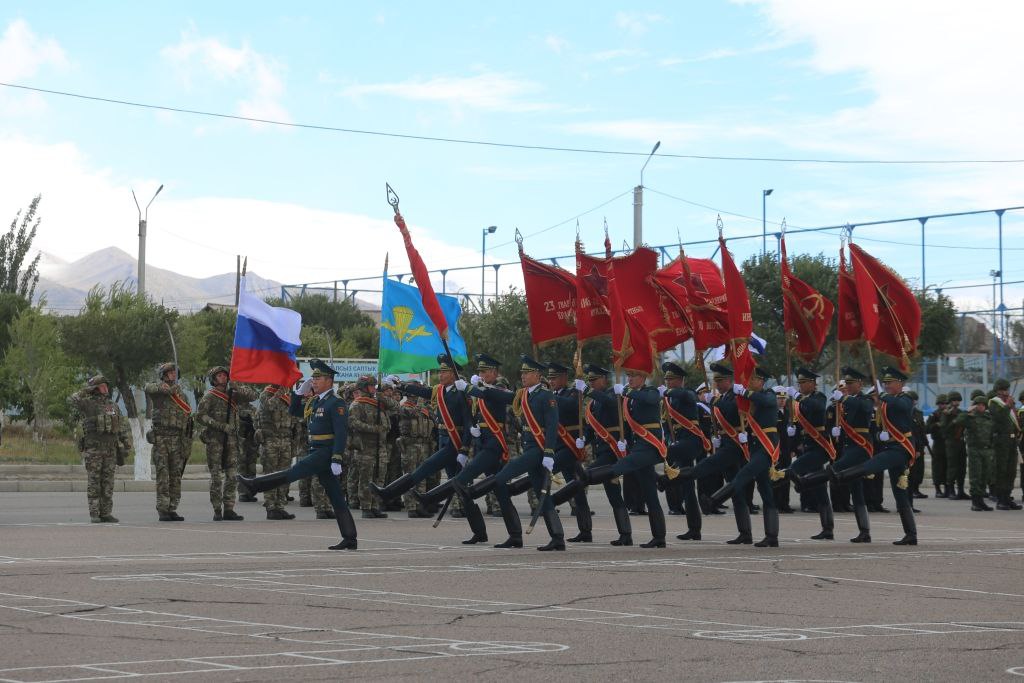
According to a statement from the Collective Security Treaty Organization (CSTO), troops from five of the organization's six member states -- Kyrgyzstan, Russia, Kazakhstan, Belarus, and Tajikistan -- have convened this week at the Edelweiss military training ground in Kyrgyzstan's Issyk-Kul region for training. The joint exercises involve over five thousand people and 900 units of military equipment, with only Armenia not represented. “The tasks of the exercise include improving mechanisms for making and implementing decisions on the use of forces and means, as well as increasing coherence between the armies of the allied countries and the interoperability of military formations in preparing and conducting joint operations,” said Andrei Serdyukov, Chief of the CSTO Joint Staff. The exercises combine various training components. The maneuvers include special exercises with intelligence forces, and logistics exercises. The Interaction-2024 command-staff exercise is aimed at preparing for a joint operation to resolve a potential armed conflict. [caption id="attachment_22933" align="aligncenter" width="300"] @TCA. A.Chipegin[/caption] The CSTO press service said that one of the exercise's priorities this year is to improve the deployment of the collective forces, including managing the transit of military contingents through allied countries. Observers from nine countries are present at the Edelweiss ground: Algeria, China, Egypt, India, Iran, Mongolia, Pakistan, Saudi Arabia, and Uzbekistan. Also observing the exercise are representatives of the UN Secretariat, the SCO Secretariat, the CIS Executive Committee, and the CIS Anti-Terrorism Center. “In our dynamically changing world, security is becoming paramount, and this requires new approaches, effective coordination, and clear solutions... Our countries have become direct participants in the beginning reshuffle of forces in the world,” Lieutenant General Baktybek Bekbolotov, Kyrgyzstan's Minister of Defense, commented at the opening of the exercise. According to Bekbolotov, the main threats to the countries of Central Asia are terrorism, separatism, and extremism, as well as the arrival of radical groups from the Middle East to the region's borders. “With a global threat, the efforts of one country are not enough. There are regional organizations for this purpose; in our case, the main one is the CSTO,” Bekbolotov stressed.

U.S. Ambassador: America Supports Tajikistan’s Role in the Trans-Caspian Trade Route

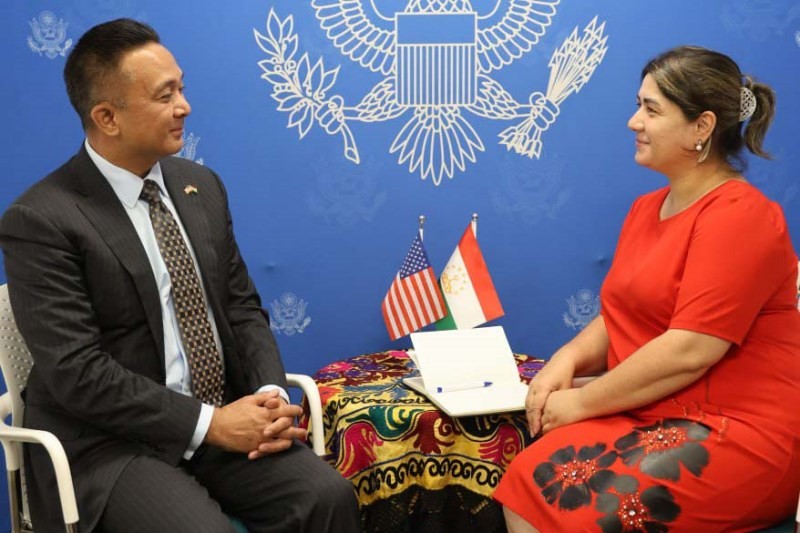
The United States supports Tajikistan’s participation in the Trans-Caspian Trade Route project, connecting China with Europe through the Caspian Sea, Asia, and the Caucasus. U.S. Ambassador to Tajikistan Manuel Micaller spoke about this in an interview with Khovar.tj. “We continue to advocate for Tajikistan’s participation in the Trans-Caspian Trade Route, which will connect Central Asia with the Caucasus and European markets. Through the C5+1 diplomatic platform, which brings together the United States and our five Central Asian partners, we hope to facilitate closer cooperation with these partners and access to global markets,” Micaller noted. The Trans-Caspian Transport Route starts from Southeast Asia and China and runs through Kazakhstan, the Caspian Sea, Azerbaijan, Georgia, and further to European countries. It aims to facilitate trade and economic cooperation by connecting major economic regions through railways, highways, and maritime routes. Transit time along the Trans-Caspian Route has been reduced from 38-53 days to 18-23 days. In 2024, this period is planned to be reduced to 14-18 days, and the journey through the territory of Kazakhstan from 6 to 5 days.

Russia’s FM: U.S. Interest in Central Asia’s Economy Could Harm Russia’s Development

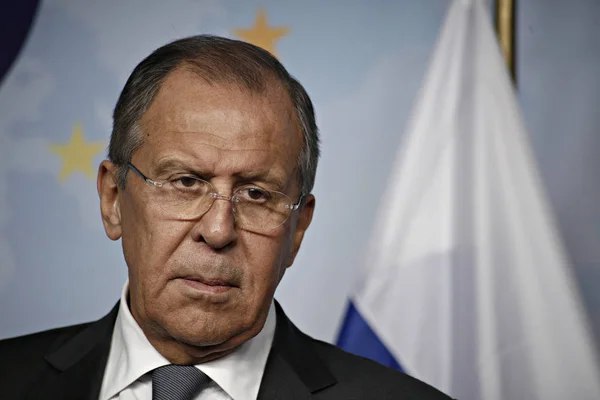
Russia’s Foreign Minister Sergei Lavrov, during a question-and-answer session with students at Moscow’s MGIMO University in early September, noted that “a growing number of extra-regional actors,” including the United States, have taken an interest in fostering trade via the so-called Middle Corridor -- a route connecting Asia to Europe via Central Asia, bypassing Russia. Lavrov’s speech suggests that the U.S. interest in the economic future of Central Asia will negatively impact Russia's development. Lavrov noted that Russia maintains “warm and allied” relations with Central Asian nations, which are bound to Russia economically and strategically via several agreements, including the Collective Security Treaty Organization, the Eurasian Economic Union, and the Commonwealth of Independent States. He added that Russia “cannot prevent anyone from establishing deeper ties with other partners.” Lavrov couldn’t resist lashing out at the United States, saying the motives of American officials in Central Asia aren’t magnanimous. “When our partners and allies in Central Asia expand their relations with the West, I do not have the slightest doubt that they understand perfectly well that apart from pursuing its noble and transparent objectives, the West also seeks to undermine the Russian Federation’s influence there,” he said. The U.S. engages with Central Asia through the B5+1 process, which promotes Western investment by encouraging reforms to reduce trade barriers and streamline customs. Recently, Central Asian countries have signed agreements to improve trade regulation, and the U.S. has helped some countries upgrade their infrastructure. U.S. Ambassador to Kazakhstan Daniel Rosenblum has said in a statement: “In August ... the United States provided Kazakhstan’s Customs Service with advanced Dell Technologies Inc. servers to help make border procedures more efficient. “Adopting innovative technologies will streamline processes, enhance accuracy, improve transparency, and foster a business-friendly environment, attracting more investors and boosting economic growth,” Russia's war in Ukraine has weakened the Kremlin’s ability to pressure Central Asian states to follow its wishes. Russia depends on covert trade through Central Asia to bypass sanctions and get goods for its war. Meanwhile, China is supplying dual-use technologies to Russia and has overtaken Russia as the leading trade partner for Central Asian countries. In his remarks, Lavrov called China “a reliable partner” but didn’t mention it in the context of Central Asia’s growing trade dynamics.