• KGS/USD = 0.01143 0%
  • KZT/USD = 0.00216 0%
  • TJS/USD = 0.10633 -0.28%
  • UZS/USD = 0.00008 0%
  • TMT/USD = 0.28571 0%
  • KGS/USD = 0.01143 0%
  • KZT/USD = 0.00216 0%
  • TJS/USD = 0.10633 -0.28%
  • UZS/USD = 0.00008 0%
  • TMT/USD = 0.28571 0%
  • KGS/USD = 0.01143 0%
  • KZT/USD = 0.00216 0%
  • TJS/USD = 0.10633 -0.28%
  • UZS/USD = 0.00008 0%
  • TMT/USD = 0.28571 0%
  • KGS/USD = 0.01143 0%
  • KZT/USD = 0.00216 0%
  • TJS/USD = 0.10633 -0.28%
  • UZS/USD = 0.00008 0%
  • TMT/USD = 0.28571 0%
  • KGS/USD = 0.01143 0%
  • KZT/USD = 0.00216 0%
  • TJS/USD = 0.10633 -0.28%
  • UZS/USD = 0.00008 0%
  • TMT/USD = 0.28571 0%
  • KGS/USD = 0.01143 0%
  • KZT/USD = 0.00216 0%
  • TJS/USD = 0.10633 -0.28%
  • UZS/USD = 0.00008 0%
  • TMT/USD = 0.28571 0%
  • KGS/USD = 0.01143 0%
  • KZT/USD = 0.00216 0%
  • TJS/USD = 0.10633 -0.28%
  • UZS/USD = 0.00008 0%
  • TMT/USD = 0.28571 0%
  • KGS/USD = 0.01143 0%
  • KZT/USD = 0.00216 0%
  • TJS/USD = 0.10633 -0.28%
  • UZS/USD = 0.00008 0%
  • TMT/USD = 0.28571 0%

Viewing results 25 - 30 of 124

World Bank Report: Central Asia Faces Rising Risks from Extreme Heat

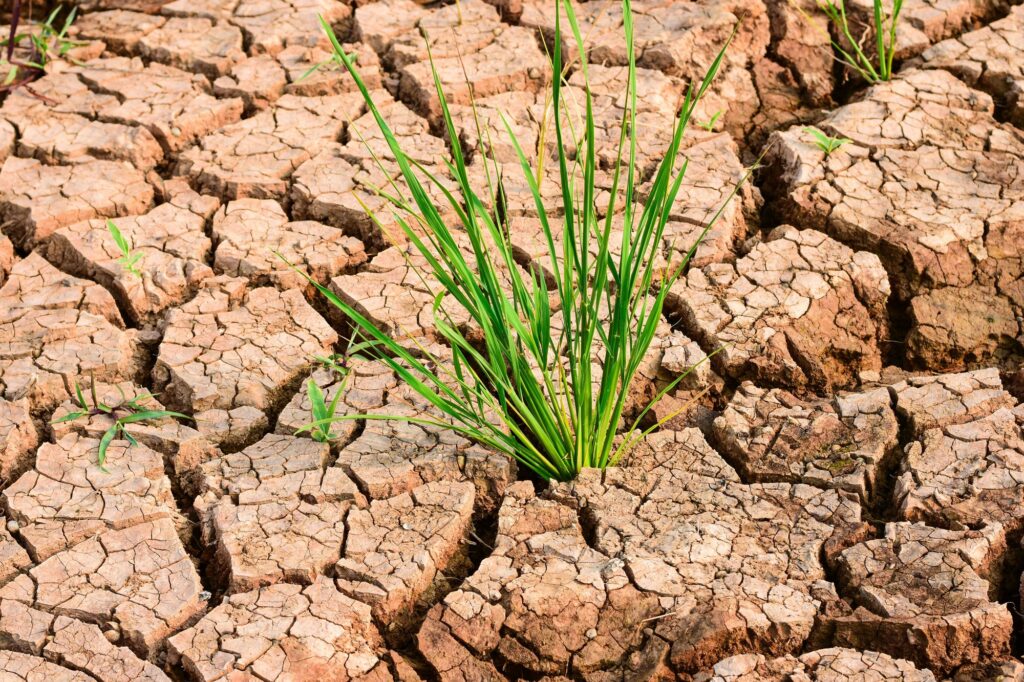
Cities across Central Asia are becoming increasingly vulnerable to extreme heat, posing significant risks to public health, economic productivity, and infrastructure, according to a new report by the World Bank. The study, which covers 70 urban areas in Europe and Central Asia, including Astana, Bishkek, Ashgabat, Tashkent, and several smaller cities in Tajikistan and Turkmenistan, highlights the urgent need for heat adaptation strategies. Rising Mortality and Economic Losses The report finds that heat-related mortality is already a serious concern. In Ashgabat, an estimated 25-28 people per 100,000 die annually due to extreme heat. In Astana, Bishkek, and Tashkent, the toll is slightly lower, at approximately 19-21 deaths per 100,000. Without intervention, annual heat-related deaths in cities like Astana and Tashkent could rise dramatically, reaching between 10,000 and 23,000 by 2090. Economic impacts are also mounting. In 2023, higher temperatures resulted in the loss of over 87,000 full-time jobs across the region. Uzbekistan alone saw more than 22,000 job losses, while nearly 18,000 were reported in Azerbaijan. By 2050, heat-related economic losses could exceed 2% of GDP in some urban centers, such as Ashgabat. Infrastructure Under Strain Rising temperatures are damaging infrastructure across Central Asia. In Kyrgyzstan, extreme heat causes deterioration to nearly 200 kilometers of road annually, driving up repair costs and disrupting transportation. Kazakhstan is facing similar challenges: recent heatwaves have warped asphalt and concrete surfaces in the southern and northeastern regions of the country. Adaptation Measures and Challenges Despite these threats, the report outlines viable solutions. Urban greening, such as planting trees and creating shaded areas, can help cool city streets. Retrofitting buildings to improve thermal insulation without increasing energy use, establishing early warning systems, and creating cooling centers are also recommended. Urban planning strategies should incorporate climate resilience by using heat-tolerant materials and factoring climate risks into infrastructure design. Investment in parks and green spaces, alongside the use of heat vulnerability maps, can guide targeted interventions. However, the report warns that a lack of funding may hinder progress. Without innovative financing mechanisms, many adaptation plans could be stalled despite their potential to mitigate long-term risks. The World Bank concludes that while the impacts of rising temperatures are already being felt across Central Asia, timely action can prevent far more serious consequences. Policymakers are urged to prioritize heat adaptation to safeguard lives, livelihoods, and infrastructure in an increasingly warming world.

Melting Mountains, Drying Futures: Central Asia Confronts Water Emergency

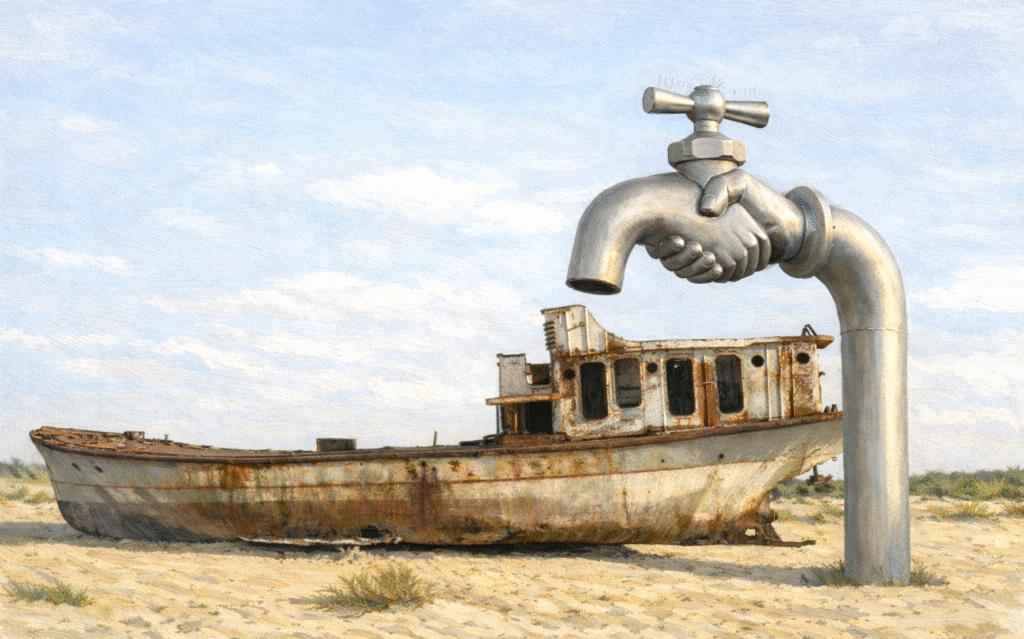
Central Asian countries are mobilizing against an emerging water crisis as a United Nations report highlights the vulnerability of mountain water systems to climate change. Identifying ranges like the Tien Shan and the Pamirs, the UN World Water Development Report 2025 – Mountains and Glaciers: Water Towers – warns that rapid glacier melt and erratic snowfall are threatening vital freshwater supplies worldwide. According to the report, mountains provide up to 60% of the world’s annual freshwater flows, with over two billion people depending directly on water from mountain sources. This risk is particularly acute in Central Asia: a UN drought outlook noted that rising temperatures and shrinking snowpack in the high mountains of Tajikistan and Kyrgyzstan are accelerating glacier retreat, posing a “long-term threat to the region’s water security.” Half of rural mountain communities in developing countries already face food insecurity, and receding glaciers could impact two-thirds of all irrigated agriculture globally – a dire scenario for Central Asia’s irrigation-dependent economies. Rivers like the Amu Darya and Syr Darya are fed by glacier runoff and support downstream agriculture, hydropower, and municipal needs in Uzbekistan, Kazakhstan, and Turkmenistan. But climate-driven glacial retreat, inefficient irrigation, and aging infrastructure have already pushed the region toward a breaking point. [caption id="attachment_33952" align="aligncenter" width="2560"] Lake Karakul in Tajikistan is expanding due to melting glaciers; image: TCA, Stephen M. Bland[/caption] Kazakhstan Steps Up Leading the regional response, Kazakhstan has launched sweeping reforms to modernize its water infrastructure and governance. The country has committed to building 42 new reservoirs, refurbishing 14,000 kilometers of irrigation canals, and investing heavily in digital water monitoring and conservation. Established in September 2023, the Ministry of Water Resources and Irrigation is coordinating the overhaul under an updated national Water Code. The government has also launched an integrated water portal, hydro.gov.kz, and pledged to digitize more than 3,500 kilometers of canals for precise flow tracking. In an address at the Astana International Forum, Deputy Prime Minister Kanat Bozumbayev framed water as a “powerful driver of cooperation, sustainable development and regional stability,” urging closer regional coordination. Kazakhstan is also leading environmental restoration efforts. As the current chair of the International Fund for Saving the Aral Sea (IFAS), it is overseeing projects to rehabilitate the North Aral Sea, including raising the Kokaral Dam to restore water levels and fisheries. In 2024 alone, local irrigation reforms in Kyzylorda saved 200 million cubic meters of water, which was redirected toward the shrinking sea. [caption id="attachment_12017" align="aligncenter" width="2560"] The Kokaral Dam in Kazakhstan; image: TCA, Stephen M. Bland[/caption] International Support and Financing Kazakhstan’s strategy has been backed by a plethora of international partners. The European Bank for Reconstruction and Development (EBRD) has financed over €255 million in water and wastewater projects in Kazakhstan, including a €96.4 million sovereign loan for a new treatment plant in Aktobe. Meanwhile, the Eurasian Development Bank (EDB) and UNDP have launched a regional partnership to expand access to modern irrigation, digitize water flows, and establish training centers. “We must act very quickly and...

World Bank: Over 65,000 Premature Deaths a Year in Central Asia Linked To Air Pollution

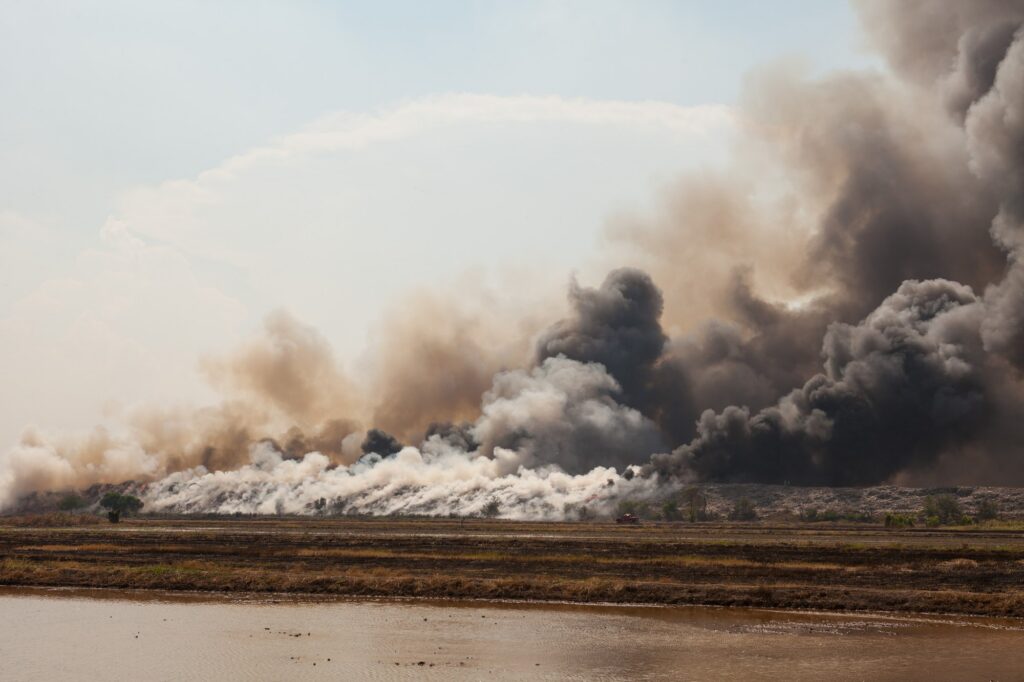
Air pollution remains one of the most pressing environmental and public health challenges in Central Asia, with significant consequences for human life and regional economies. A new World Bank assessment highlights the scale of the crisis, linking poor air quality to more than 65,000 premature deaths in 2021 across the region. The report identifies pollution from fossil fuel combustion, especially for heating and transportation, as a major contributor to declining air quality in both urban and rural areas. Transboundary sand and dust storms are compounding the problem, affecting multiple countries simultaneously. In many Central Asian cities, concentrations of fine particulate matter (PM2.5) exceed safe limits by a wide margin. During the winter, levels can spike to six to twelve times higher than the World Health Organization’s recommended thresholds. The economic burden is also staggering: the annual health costs associated with air pollution are estimated at $15-21 billion, representing 3-5% of the region’s GDP in 2022. Human-Caused Emissions Dominate According to experts, 50-80% of PM2.5 exposure is due to human activity, primarily the burning of solid fuels for heating in households and small businesses. While natural dust is a contributing factor in some areas, anthropogenic sources remain the dominant driver. The World Bank argues that this crisis can be mitigated with the right policy interventions. Effective strategies include reducing emissions from household heating, traffic, and industrial operations, as well as expanding urban green spaces. To better coordinate efforts, the Bank advocates for an “airshed approach”, a governance model that promotes joint responsibility between national and local authorities to improve air quality. Additional recommendations include strengthening air quality laws and monitoring systems, updating standards, raising public awareness, and enhancing cross-border cooperation among Central Asian states. Impact on Children A separate report by UNICEF underscores the disproportionate toll air pollution takes on children. In 2021, approximately 6,441 children and teenagers across Europe and Central Asia died from air pollution-related causes, 85% of them under the age of one. UNICEF stressed that these deaths were entirely preventable. Experts maintain that improving air quality could yield wide-ranging benefits, including increased productivity, reduced healthcare costs, and enhanced quality of life. They urge governments to integrate air quality management into climate and development plans to unlock additional financial and technical assistance.

Experts Warn of Escalating Climate Risks for Central Asia

As global temperatures rise, Central Asia is emerging as one of the world’s most vulnerable regions to the impacts of climate change. This warning comes from three recent reports by the World Meteorological Organization (WMO), which predict intensified warming, more frequent droughts, and rapid glacier retreat in the region. Without urgent adaptation and coordinated policy responses, the region faces growing risks to its water resources, agriculture, and energy systems. Beyond the Climate Norm According to the WMO’s Climate Outlook for 2025-2029, Central Asia is projected to experience sustained warming and greater variability in precipitation. Every year in the 2025-2029 period is expected to be hotter than the 1991-2020 average. Particularly troubling is the growing likelihood that global temperatures may temporarily exceed +1.5°C above pre-industrial levels in the near term. One contributing factor is the heightened intensity of the South Asian monsoon, which is 82% more likely to be stronger than normal. While this could increase rainfall, the unpredictability raises concerns, periods of heavy rain could be followed by prolonged droughts, severely impacting regional agriculture. Another alarming development is the rapid retreat of glaciers in the Pamirs, which feed the region’s primary waterways, including the Amu Darya and its major tributary, the Vakhsh.  The loss of these glaciers threatens long-term water availability and necessitates a rethinking of regional water management strategies. The WMO forecasts that the 2025-2029 period could be the warmest on record, with global temperatures projected to rise by 1.2-1.9°C. Although the chance of exceeding +2°C during this period is currently low, about 1%, the probability is rising. Spring Floods, Summer Droughts A second WMO report, though focused on the Pacific region, reinforces global climate trends relevant to Central Asia. It confirms that 2024 was the hottest year on record, with global average temperatures 1.55°C above pre-industrial levels. For high-altitude countries like Tajikistan, the implications are already evident. Snow is melting earlier, shortening the runoff season. Water that once lasted through summer now disappears within weeks in the spring, heightening the risks of spring flooding followed by summer droughts. The region lacks sufficient reservoir infrastructure to capture and store water during periods of excess. The report also highlights the looming disappearance of Indonesia’s glaciers by 2026, a fate that may soon await Central Asia’s glaciers. The consequences are serious, particularly for countries like Tajikistan, where over 90% of electricity is generated by hydropower. Climate anomalies across the region are increasing, including dust storms, intense rainfall, extreme heat, and landslides. The WMO stresses the urgent need for adaptation measures such as modernized infrastructure and improved climate monitoring and water management systems. The Need for a Regional Strategy The third WMO report emphasizes Central Asia’s unique vulnerability to droughts, which often cross national borders. This underscores the need for a coordinated regional approach, especially in the Amu Darya and Syr Darya river basins. The report advocates for transboundary mechanisms for monitoring, data sharing, and joint response strategies. While Central Asia is part of the Global Network of Climate-Resilient River Basins, progress...

Turkmenistan Contains ‘Gate to Hell’ Fire After Decades of Inferno

The fiery spectacle of the Darvaza Gas Crater, feared and revered as the 'Gate to Hell,' has dimmed significantly after over fifty years of continuous burning. Turkmenistan’s government announced that the massive blaze, located in the heart of the Karakum Desert, is now largely under control, marking a historic milestone in environmental and resource management efforts for the country. A Fiery Origin The story of the Darvaza Gas Crater began in 1971 when Soviet scientists attempted to study and manage methane leaks in the desert. Digging into what they believed was a minor pocket of natural gas, they inadvertently pierced a massive underground gas field. When the drilling rig and associated equipment suddenly collapsed into the cavern below, toxic gases began escaping uncontrollably. To prevent the spread of noxious fumes, the team decided to ignite the methane, hoping it would burn out in a matter of days. They were wrong. Instead of a quick resolution, the crater transformed into the longest-burning man-made fire, its eerie yellow flames licking at the edges of the 200-meter-wide pit. Visible from miles away, the burning crater became a bizarre and otherworldly landmark, attracting adventurers, scientists, and tourists alike. From 'Gate to Hell' to 'Shining of Karakum' [caption id="attachment_32708" align="aligncenter" width="2560"] Image: TCA, Stephen M. Bland[/caption] Now officially named the 'Shining of Karakum,' the Darvaza Gas Crater has been both a source of national pride and a symbol of environmental mismanagement. The flames and the heat haze rising from the crater have drawn global attention, but they have also brought concerns. Methane seepage from the pit has been a major environmental issue, contributing to greenhouse gas emissions. Furthermore, some locals living in the harsh desert environment have long argued that the crater should be extinguished, citing health risks and economic losses due to the wastage of valuable natural gas. A Turning Point in Fire Containment The efforts to extinguish the 'Gate to Hell' reached a decisive turning point in January 2022, when then-President Gurbanguly Berdimuhamedov ordered action to put out the flames, emphasizing the detrimental effects of the blaze on the environment and the squandered financial potential of the escaping gas. However, earlier attempts over the decades failed to curtail the inferno. This time, Turkmengaz, the state energy company, launched a sustained effort involving drilling additional wells around the crater to capture and divert the methane. According to Irina Luryeva, a director at Turkmengaz, these operations have significantly reduced the volume and intensity of the fire. “Whereas before, a massive glow from the blaze was visible for miles, today only faint combustion remains,” Luryeva stated. Independent satellite data confirmed the success, showing a threefold reduction in methane emissions from the site. Global Collaboration and Environmental Initiatives The containment of the Darvaza blaze is a result not just of national initiative but also of international collaboration. In March 2024, Turkmenistan partnered with the United Nations Environment Programme (UNEP) to address methane emissions comprehensively. The project included advanced monitoring technologies and strategies to manage methane leaks across...

Qosh Tepa Canal Sparks Concerns in Central Asia

Afghanistan is rapidly advancing construction of the Qosh Tepa Canal, a large-scale water infrastructure project in the north of the country that could have far-reaching consequences for its Central Asian neighbors, according to Euronews. The 285-kilometer canal aims to divert an estimated 25-30% of the Amu Darya River’s flow to irrigate more than 500,000 hectares of farmland. The Amu Darya is one of Central Asia’s principal water sources, flowing through Tajikistan, Uzbekistan, and Turkmenistan. Uzbekistan and Turkmenistan, both downstream countries, depend heavily on the river for agriculture and hydroelectric power. Experts warn the canal could reduce Uzbekistan’s water intake by 15% and Turkmenistan’s by as much as 80%, with potential consequences including reduced crop yields, job losses, deepened poverty, and even cross-border tensions or migration. Although Kazakhstan and Kyrgyzstan are not directly linked to the Amu Darya, the ripple effects could still reach them. Azamatkhan Amirtayev, leader of Kazakhstan’s Baytaq party, cautioned that Uzbekistan may compensate by drawing more water from the Syr Darya River, thereby reducing Kazakhstan’s water supply by up to 40%. Environmental concerns are also mounting. The Aral Sea, already severely degraded by decades of mismanagement, may face further deterioration. “This project could be the last nail in the coffin for the Aral Sea,” said regional water expert Bulat Yessekin. He urged Central Asian countries to engage Afghanistan through offers of shared energy and food in exchange for coordinated water management. The canal’s implications were a key topic at the recent Water Security and Transboundary Water Use conference, where participants warned that it threatens to reverse years of regional cooperation aimed at restoring the Aral Sea. While Central Asian countries participate in international water-sharing frameworks, Afghanistan does not. Its Taliban-led government remains unrecognized internationally and is not bound by existing treaties. However, diplomatic ties are evolving. Uzbekistan has opened channels of cooperation with Kabul, and both Kazakhstan and Kyrgyzstan have removed the Taliban from their lists of banned organizations. Afghanistan’s Deputy Foreign Minister Mohammad Naeem Wardak expressed openness to dialogue. “The Qosh Tepa canal will not be to the detriment of anyone,” he stated. Kazakhstan, which chairs the International Fund for Saving the Aral Sea in 2025, has proposed using the platform to initiate talks. The country’s Ministry of Water Resources emphasized that any solution must involve regional cooperation and the adoption of water-saving technologies to reduce wastage.