• KZT/USD = 0.00220
  • TJS/USD = 0.10860
  • UZS/USD = 0.00008
  • TMT/USD = 0.29760
  • KZT/USD = 0.00220
  • TJS/USD = 0.10860
  • UZS/USD = 0.00008
  • TMT/USD = 0.29760
  • KZT/USD = 0.00220
  • TJS/USD = 0.10860
  • UZS/USD = 0.00008
  • TMT/USD = 0.29760
  • KZT/USD = 0.00220
  • TJS/USD = 0.10860
  • UZS/USD = 0.00008
  • TMT/USD = 0.29760
  • KZT/USD = 0.00220
  • TJS/USD = 0.10860
  • UZS/USD = 0.00008
  • TMT/USD = 0.29760
  • KZT/USD = 0.00220
  • TJS/USD = 0.10860
  • UZS/USD = 0.00008
  • TMT/USD = 0.29760
  • KZT/USD = 0.00220
  • TJS/USD = 0.10860
  • UZS/USD = 0.00008
  • TMT/USD = 0.29760
  • KZT/USD = 0.00220
  • TJS/USD = 0.10860
  • UZS/USD = 0.00008
  • TMT/USD = 0.29760
03 November 2026

Viewing results 37 - 42 of 97

Two Major Reservoirs in Turkmenistan Dry Up Amid Intensifying Drought

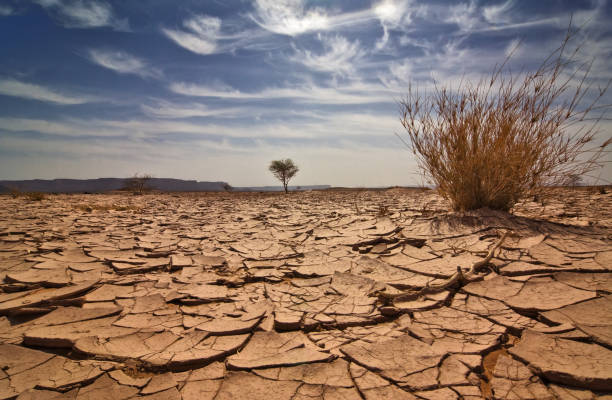
Turkmenistan’s Balkan region is facing a deepening drought, with two strategically important reservoirs, Mammetköl and Delili, completely drying up by mid-2025. Both reservoirs, fed by the Etrek (Atrek) River, have vanished from satellite imagery, underscoring the severity of the region’s water crisis. According to meteorological reports, the reservoirs were not replenished during the winter months and rapidly lost their remaining water due to evaporation and filtration. The winter of 2024-2025 was exceptionally dry, and the spring brought no relief. With virtually no inflow from the now-dry Etrek River, the reservoirs were left to evaporate. Mammetköl, built in 1964, had a total volume of 20.5 million cubic meters and a usable capacity of 17.9 million cubic meters. Delili, commissioned in 1970, had a capacity of 5.32 million cubic meters. Both were vital to irrigating farmland and sustaining livestock pastures in the Balkan region. This is not the first time Mammetköl has dried up. During the prolonged drought of 2020-2023, the reservoir emptied in October 2021 and remained largely dry for nearly two years, with only brief periods of partial refilling. A rare flood event in August 2023, triggered by heavy rains in the Atrek’s upper reaches, temporarily restored water levels, but the relief was short-lived. Data from the Etrek weather station show that from January to November 2025, normal precipitation levels were recorded only in February and March. The situation rapidly deteriorated not just in the Etrek basin but across other parts of Turkmenistan as well. Reservoirs and rivers disconnected from the Amu Darya began to show signs of critical depletion in early 2025. The Murghab and Tedzhen rivers also reached dangerously low levels. By mid-year, many artificial reservoirs fed by the Atrek had dried out entirely. In autumn, the drought expanded into the Amu Darya basin, Turkmenistan’s largest and most vital waterway, further exacerbating the national water crisis.

Central Asia Faces Growing Water Risks as Qosh Tepa Canal Nears Completion

Kazakh media, Inbusiness.kz, reports that discussions within the Russian Academy of Sciences have revived a decadesold idea to redirect Siberian rivers toward Central Asia. Researchers have proposed that Russia’s Ministry of Science and Higher Education include a study of the project in its state research plan, arguing that the region is entering a critical phase of water scarcity. This renewed debate comes as Afghanistan advances construction of the Qosh Tepa Canal, a massive irrigation project in the country’s north. The first 108 kilometer section began operating in 2023, and work on the second phase is nearing completion. Once fully operational, the 285 kilometer canal is expected to divert more than 15% of the Amu Darya river’s flow to irrigate around 550,000 hectares of farmland in Afghanistan’s drought-prone regions. Construction began in March 2022 and its impact is already being felt across Central Asia. Experts warn the canal could reduce Uzbekistan’s water supply by around 15% and Turkmenistan’s by up to 80%, which may lead to lower crop yields, job losses, rising poverty and even potential migration or tensions. Scholars in Kazakhstan note rising alarm. Ravshan Nazarov, an associate professor based in Tashkent, said that failure to address water shortages could trigger mass population movements. He argued that redirecting Siberian rivers, though technically complex and costly, may become unavoidable. He warned that if Russia does not share its water resources, it might eventually face “an influx of 100 million refugees.” Data from the Food and Agriculture Organization (FAO) show that Turkmenistan is the region’s largest water consumer, using 53 cubic kilometres annually despite a population of just about 7 million. Experts attribute this to ageing infrastructure, high evaporation losses and a lack of concrete-lined canals. Meanwhile, Kyrgyzstan has faced water shortages since 2020.

Central Asia Faces Billions in Climate Adaptation Costs, UNEP Warns

Central Asia ranks among the most climate-vulnerable regions in the world and will require tens of billions of dollars to adapt to the accelerating effects of global warming, according to a new report by the United Nations Environment Programme (UNEP). The report identifies Central Asia as one of the fastest-warming areas globally. However, current adaptation funding remains drastically insufficient to meet the growing threat. A Region Under Threat Developing countries worldwide, including those in Central Asia, will need up to $310 billion annually by 2035 to adapt to climate change. UNEP highlights the region’s specific challenges: rapidly melting glaciers, widespread soil degradation, worsening water scarcity, and increasing aridity, all of which endanger food security and energy sustainability. “If we don't start investing in adaptation now, we will face increasing costs every year,” said UNEP Executive Director Inger Andersen. Tajikistan and Kyrgyzstan are particularly exposed, with more than 70% of their populations employed in agriculture, which depends heavily on mountain rivers fed by glacial runoff. According to UNEP, glacier volumes in the region have shrunk by over 30% in the past decade. The changing flow of the Amu Darya and Syr Darya rivers threatens not only agriculture but also the hydropower sectors in both countries. Diminished access to water could lead to socio-economic instability in vulnerable communities. Funding Gap Widens UNEP estimates that developing countries in Europe and Central Asia need roughly $51 billion annually for adaptation. Yet, only a fraction of that figure is currently being met. Tajikistan, for example, has outlined total climate financing needs of $8 billion by 2030 and $17 billion by 2050. In Uzbekistan, the cost of modernizing irrigation and water management systems alone is expected to approach $10 billion by 2030. UNEP has urged governments in the region to accelerate the updating of national adaptation plans, many of which have not been revised in over a decade, and to enhance cooperation in the Amu Darya and Syr Darya basins. Priority areas include investment in irrigation infrastructure, early warning systems, and flood control. From Glaciers to Farms In response to UNEP’s findings, international organizations have begun to fund targeted adaptation initiatives. The Green Climate Fund, for instance, has approved $250 million for the From Glaciers to Farms program, spearheaded by the Asian Development Bank. The project aims to strengthen agricultural and water resilience in glacier-dependent countries in Central Asia, the South Caucasus, and parts of South Asia. It covers four major river basins: the Naryn and Panj in Central Asia, the Kura in the South Caucasus, and the Swat in Pakistan, benefiting approximately 13 million people. Funding will support the development of irrigation networks, reservoir construction, glacier monitoring, and early warning systems. The program also places a strong emphasis on empowering women entrepreneurs in agriculture and improving the financial sustainability of rural communities.

Afghanistan’s Qosh Tepa Canal Raises Water Security Fears

Water has long been one of Central Asia’s most contested resources, shaping agriculture, energy policy, and diplomacy across the region. Recently, Afghanistan’s Qosh Tepa Canal project has emerged as a central point in this debate. Promoted by the Taliban as a vital step toward achieving food security and economic growth, the canal also raises alarm bells among downstream neighbors who heavily depend on the Amu Darya River. Now, according to Islamic Emirate spokesman Zabihullah Mujahid, the second phase of the project is expected to be completed within five months, raising further concerns among downstream countries about its potential impact on regional water security. Progress on the Ground In August, the Afghan authorities stated that 93% of the second phase had been completed. Videos show the canal lined with concrete and stone in some sections, alongside the construction of large and medium-sized bridges to link surrounding settlements. The project spans 128 kilometers from Dawlatabad district in Balkh province to Andkhoy district in Faryab province and involves over 60 contractors, making it one of Afghanistan’s largest infrastructure projects. Origins and International Support The canal’s roots trace back to earlier international efforts. While some sources attribute its conceptual origins to Soviet or British engineers in the 1960s, significant development began in 2018 under President Ashraf Ghani. The project was supported by the U.S. Agency for International Development (USAID) and Indian engineering firms. According to the Scientific-Information Center of the Interstate Commission for Water Coordination (SIC ICWC), a $3.6 million feasibility study was launched in Kabul in December 2018, funded by USAID and conducted by AACS Consulting and BETS Consulting Services Ltd. The study was coordinated with several Afghan ministries, but has not been published. Following the Taliban’s takeover, the Islamic Emirate held an official inauguration ceremony on March 30, 2022. The full canal is designed to stretch 285 kilometers, measuring 100 meters wide and 8.5 meters deep, and is expected to divert an estimated six to ten cubic kilometers of water annually from the Amu Darya. Afghan media have quoted water management expert Najibullah Sadid, who projected the canal could generate between $470 million and $550 million in annual revenue. Regional Concerns and Environmental Risks The project has raised alarm in Uzbekistan, Turkmenistan, and Tajikistan, countries that depend heavily on the Amu Darya for irrigation. Experts at SIC ICWC point out that no environmental impact assessment was conducted for downstream states, nor were they formally notified of the construction, as required by international water conventions. In December 2022, Uzbek President Shavkat Mirziyoyev called for practical dialogue with Afghanistan and the international community to strengthen regional water security. Adroit Associates estimates that the canal could eventually divert up to 13 billion cubic meters annually, nearly one-quarter of the Amu Darya’s average flow. Environmental risks are also mounting. Analysts warn that Uzbekistan, which relies heavily on the river for agriculture, could face soil degradation and declining crop yields. Turkmenistan, where agriculture accounts for 12% of GDP, may also suffer severe disruptions. Some studies suggest Uzbekistan and...

Turkmenistan to Send Tents, Food, Other Aid to Afghanistan; Quake Toll Rises

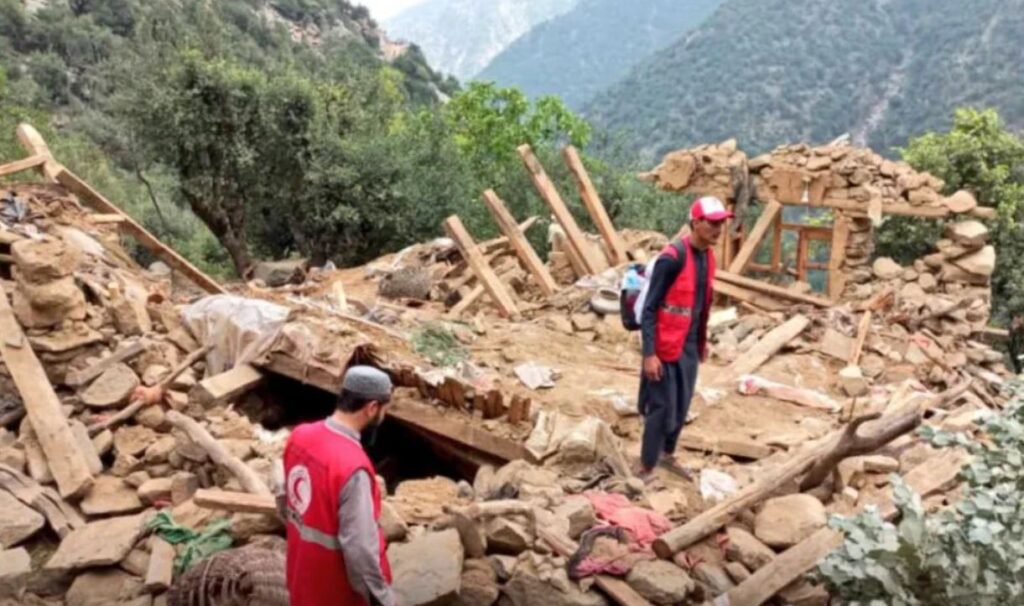
Turkmenistan plans to send humanitarian aid to Afghanistan as the death toll from an earthquake there increased to more than 2,200, Afghanistan’s Taliban government said on Thursday. Rashid Muradov, Turkmenistan’s deputy prime minister and foreign minister, said “urgent humanitarian assistance - including clothing, tents, medicine, and food - will soon be delivered” to Afghanistan, the Afghan Ministry of Foreign Affairs said on X. Muradov announced Turkmenistan’s aid plans in a telephone conversation with Maulvi Amir Khan Muttaqi, Afghanistan’s foreign minister. The Afghan minister thanked Muradov and “assured that the mentioned aid will be delivered to the needy people in a timely manner,” his office said. Some international donors have previously expressed concern that the Taliban diverts aid for its own purposes rather than delivering it to those most in need. The U.S. Special Inspector General for Afghanistan Reconstruction recently released a report that it said looked into how “the Taliban diverts U.S. aid dollars intended for needy Afghans and the culture of denial within the international aid community, which thwarts effective measures to mitigate that diversion.” A 6.0 magnitude earthquake struck eastern areas in Afghanistan on Sunday, and rescue efforts have been hampered by a lack of infrastructure and mountainous terrain. Kunar was the hardest hit province, and parts of Nangarhar and Laghman provinces were also affected. The Afghan Red Crescent Society said on Thursday that at least 2,205 people died and 3,640 others were injured. “Many people are trapped under the rubble of destroyed homes and rescue efforts are ongoing,” the society said. Like Turkmenistan, Uzbekistan shares a border with Afghanistan and has said it is ready to help with quake relief. Central Asian countries have sent aid to Afghanistan in the past as they build ties with the Taliban and work on diversifying trade routes. Security concerns remain. Tajik border guards and Taliban fighters exchanged fire in an area along the Tajik-Afghan border on Aug. 24, though the two sides later met in an effort to reduce tensions.

Turkmenistan to Designate Bolshoy and Maly Balkhan Mountains as Protected Areas

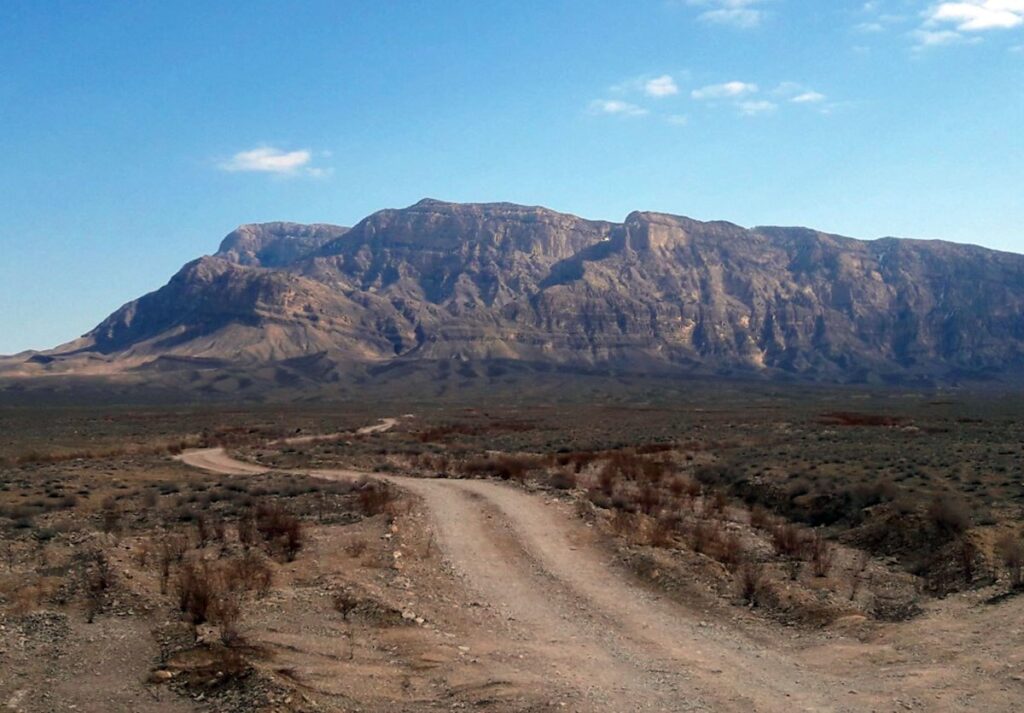
The government of Turkmenistan has announced plans to designate the Bolshoy and Maly Balkhan mountain ranges as protected areas. A new nature reserve is currently being established, with its core zone centered on Bolshoy Balkhan and additional wildlife sanctuaries to be located on Maly Balkhan and the Yuzhny Ustyurt plateau. Ecosystem Under Pressure Concerns about preserving the unique Balkhan ecosystem date back to the 19th century. The first official discussions arose in 1832 following Grigory Karelin’s expedition to the Caspian Sea. By 1836, cartographers had documented the eastern Caspian coastline, the ancient Amu Darya riverbed, and the Bolshoy Balkhan ridge. Zoologists such as Mikhail Laptev (1920s-1930s) and Gheldy Shukurov (1940s) later highlighted the ecological value of this “mountain island in the desert,” a view supported by contemporary scientists who continue to stress its conservation importance. For decades, the slopes of the Balkhans have served as seasonal pastures for small livestock from May to October. This overgrazing has degraded natural ecosystems and reduced biodiversity. The new reserve aims to reverse this trend by limiting cattle grazing to foothills and surrounding pastures. The Natural Wealth of the Balkhans The Balkhan region features a striking mix of desert plains and mountain-steppe terrain. Its highest peak is Mount Arlan, which rises to 1,880 meters. The area is home to two species of amphibians, 28 species of reptiles, 174 species of birds, and 45 species of mammals. Among the most distinctive species is the gray monitor lizard, the region’s largest lizard, growing up to 1.5 meters in length. The Central Asian leopard once roamed these mountains but has since migrated to the Ustyurt Plateau. In its absence, populations of wolves and jackals have increased. Other rare animals found in the area include the Turkmen corsac fox, manul (Pallas’s cat), banded gerbil, rock marten, and Severtsov's jerboa. Maly Balkhan, with its unique topography and the renowned Chalsuv spring, famous for its distinctive taste, reaches a height of 780 meters. In earlier decades, saigas would migrate here from Kazakhstan during winter, though such migrations have not occurred in recent years. Part of a Broader Conservation Push The creation of the Balkhan Reserve is part of Turkmenistan’s National Forest Program (2021-2025). The initiative also includes preparations for establishing the Zengibaba Reserve in Dashoguz velayat and expanding the Amudarya State Reserve. Additional protected areas are planned for Lebap velayat, particularly on the Tallymerdzhen Plain, which is home to the rare sandpiper.