Italy Raises the Bar in Central Asia: What to Expect from Giorgia Meloni’s Visit
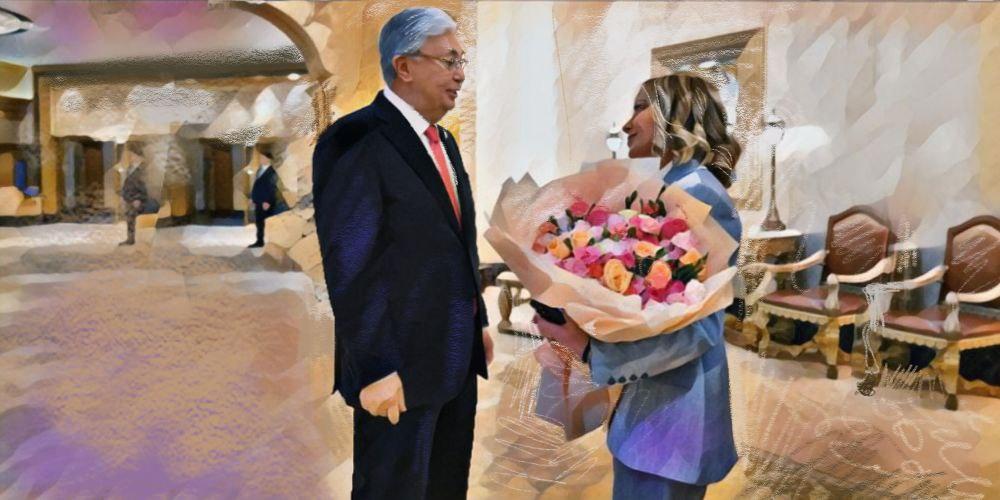
In recent years, Italy has emerged as one of the European countries most keen to maintain close relations with the countries of Central Asia. In mid-April, confirmation arrived that Prime Minister Giorgia Meloni would be travelling to the region this spring. The purpose of the trip is to visit Uzbekistan and Kazakhstan and attend a summit in Astana with the presidents of the five countries. Meloni's visit is scheduled for the end of May, although the exact dates are not yet known. Italy was the first European country to involve the Central Asia region in a "1+5" summit. The first meeting was held in Rome in December 2019, and involved the then Italian Foreign Minister, Luigi Di Maio, and all Central Asian Foreign Ministers. This meeting took place a few months after Italy, the first and only EU country to take this step, signed a memorandum of understanding with China on the Belt & Road Initiative (in 2023, Rome decided to withdraw from the project). Central Asia is one of the regions at the heart of the original BRI project: the launch was announced in Kazakhstan in 2013. The most recent meeting at foreign minister level took place in May 2024, again in Rome, and was attended by the current Italian Foreign Minister, Antonio Tajani. But now Italy has decided to raise the bar and directly involve Meloni and her Central Asian counterparts. The multilateral forum is complemented by frequent visits to Italy by leaders from the region: Uzbekistan's Mirziyoyev in June 2023, Kazakhstan's Kassym-Jomart Tokayev in January 2024 and Tajikistan's Emomali Rahmon at the end of April 2024. For Italy, President Sergio Mattarella visited Uzbekistan in November 2023 and Kazakhstan in March 2025. Italy is one of the main economic partners in the region, and especially in Kazakhstan; the country ranks third (behind only China and Russia) in terms of trade with Astana. Trade turnover between Kazakhstan and Italy rose 25% in 2024 and reached almost $20 billion. The relationship is particularly strong in the energy sector, with over $18 billion accounted for exports of Kazakh oil and petroleum products in 2024. The Italian national oil and natural gas company Eni has been present in Kazakhstan since 1992, where it is a co-operator of the Karachaganak oil field and participates in the North Caspian Sea PSA consortium responsible for operations at the Kashagan oil field. Other significant sectors of trade between Italy and Kazakhstan are those of agricultural machinery and agricultural production. One area that could be subject to greater cooperation is defense, as demonstrated by the visit to Italy by Kazakhstan's Minister of Defense, Ruslan Zhakssylykov, in March this year. The potential is truly remarkable: during Mattarella's aforementioned flash visit to the country this March, with a meeting with Tokayev held directly at Astana airport, the Italian president emphasized the potential for further deepening the strategic partnership between Rome and Astana, which has been in place since 2011. Speaking of official documents, in June 2023, Italy and Uzbekistan...