• KZT/USD = 0.00210
  • TJS/USD = 0.10820
  • UZS/USD = 0.00008
  • TMT/USD = 0.29760
  • KZT/USD = 0.00210
  • TJS/USD = 0.10820
  • UZS/USD = 0.00008
  • TMT/USD = 0.29760
  • KZT/USD = 0.00210
  • TJS/USD = 0.10820
  • UZS/USD = 0.00008
  • TMT/USD = 0.29760
  • KZT/USD = 0.00210
  • TJS/USD = 0.10820
  • UZS/USD = 0.00008
  • TMT/USD = 0.29760
  • KZT/USD = 0.00210
  • TJS/USD = 0.10820
  • UZS/USD = 0.00008
  • TMT/USD = 0.29760
  • KZT/USD = 0.00210
  • TJS/USD = 0.10820
  • UZS/USD = 0.00008
  • TMT/USD = 0.29760
  • KZT/USD = 0.00210
  • TJS/USD = 0.10820
  • UZS/USD = 0.00008
  • TMT/USD = 0.29760
  • KZT/USD = 0.00210
  • TJS/USD = 0.10820
  • UZS/USD = 0.00008
  • TMT/USD = 0.29760

Viewing results 31 - 36 of 370

How Much is Berdymuhamedov’s 8 March “Gift” to Turkmen Women Actually Worth?

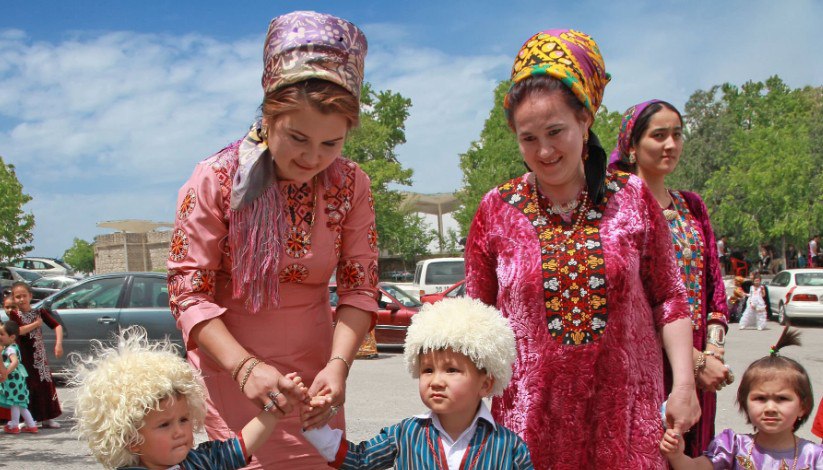
Turkmenistan’s President Serdar Berdymuhamedov has ordered that female residents of the country receive 60 manats each in honor of March 8, International Women’s Day. At the current market exchange rate of 19.5 manats to the U.S. dollar, this amounts to approximately $3. Officially, the decision is described as recognition of “the great contribution of women in bringing about changes for the prosperity of the country, in raising a healthy and enthusiastic generation devoted to the Motherland, in order to continue the noble traditions of our ancestors in honoring our beloved mothers and dear sisters in the era of the rebirth of a new era of a powerful state.” Payments are scheduled to be distributed between March 2 and March 6. Eligible recipients include women employed in enterprises and organizations regardless of ownership, pensioners and recipients of state benefits, graduate and doctoral students, clinical residents on leave from work, students of the Academy of Public Administration with a term of study of at least two years, as well as schoolgirls, university students, and kindergarten pupils. Turkmen women have received the equivalent of about $3 for the holiday for seven consecutive years. However, since 2019, the cost of food and consumer goods in the country has risen significantly. The official exchange rate of the Turkmen manat has remained fixed at 3.5 manats per dollar since 2015. By that rate, 60 manats would equal approximately $17. However, the widely used parallel market rate currently stands at about 19.5 manats per dollar, reducing the real value of the payment to roughly $3. As a result, the actual purchasing power of the “gift” is significantly lower than the figure implied by calculations based on the official exchange rate. In September 2025, one elder publicly called for an end to increasing such payments, stating that “the social and living conditions of the country’s population have reached a high level.”
An Early European View of Nomadic Central Asia

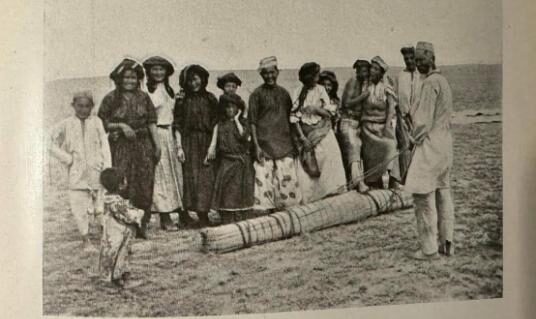
During a period when Central Asia remained largely unknown to European audiences, Among Kirghiz and Turkimans offered Western readers a rare first-hand account of the vast steppe and desert regions. The book was written in the late nineteenth century by Richard Karutz, a German traveler whose work belongs to the broader tradition of European exploratory travel literature. I first encountered this book while studying in the United States and later incorporated it into my research. A copy preserved in the library of the Catholic University of America in Washington, D.C., was published in Leipzig in 1911. Since then, it has been regarded as one of the more noteworthy works in early European writing on Central Asia. Who Was Richard Karutz? Richard Karutz was a late nineteenth-century German traveler and writer who journeyed through parts of the Russian Empire’s Central Asian territories. Though not widely known today compared to some British or Russian explorers, Karutz represents a generation of European intellectuals fascinated by the perceived “frontier zones” of empire, regions seen as remote, exotic, and culturally distinct. [caption id="attachment_44400" align="aligncenter" width="312"] Richard Karutz[/caption] He was neither a colonial administrator nor a military officer; rather, he traveled as an independent observer. His writings reflect the curiosity of an educated European shaped by the intellectual currents of his era, including Orientalism and the growing interest in ethnography. Like many travelers of his time, Karutz sought to document ways of life he believed were on the verge of transformation under imperial modernization. Across the Steppe and Desert In Among Kirghiz and Turkimans, Karutz traveled among communities then commonly referred to in Russian and European sources as “Kirghiz”, a historical term often applied to Kazakhs, as well as Turkmen tribes. His route took him across vast grasslands, caravan routes, and oasis settlements shaped by pastoral migration, tribal organization, and Islamic traditions. Rather than producing an official report or military survey, Karutz wrote in a personal and descriptive style typical of travel literature. His narrative often reads as impressionistic reflection rather than systematic analysis. He documents everyday life, including nomadic encampments and felt yurts, equestrian culture and elaborate codes of hospitality, tribal leadership and clan loyalty, as well as desert trade routes and caravan movement. Mangyshlak, a peninsula on the eastern coast of the Caspian Sea in present-day Kazakhstan, features prominently in his descriptions. Significant mineral deposits were later discovered there, leading to its designation as a “peninsula of treasures.” Mangyshlak is characterized by stark desert landscapes and was once described as a barren land consisting largely of sand and stone. In the Middle Ages, it served as a gateway for trade between East and West. The region also played a role in the early history of Turkmen communities. Karutz’s writing attempts to capture both the hardship and the quiet grandeur of steppe existence. Depicting Nomadic Society A central strength of the book lies in its attention to social organization. Karutz was particularly struck by the mobility of Kazakh life, seasonal migrations, a livestock-based economy, and...

Turkic States Set to Expand Mutual Trade and Strengthen Economic Integration

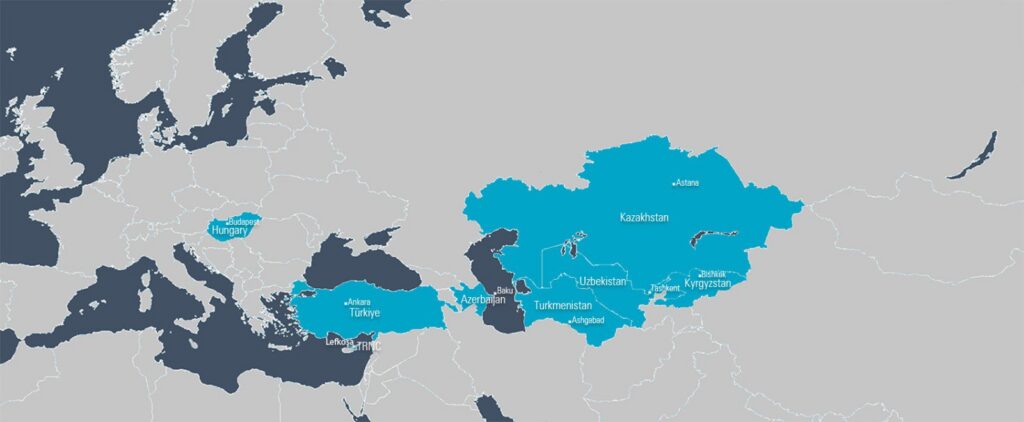
The 14th meeting of ministers responsible for economy and trade of the Organization of Turkic States (OTS) was held on February 20 in Turkistan, Kazakhstan. The gathering brought together ministerial delegations from member states to advance economic cooperation, deepen trade ties, and promote sustainable and inclusive growth across the Turkic region. Founded in 2009 to foster comprehensive cooperation among Turkic-speaking nations, the OTS includes Azerbaijan, Kazakhstan, Kyrgyzstan, Turkey, and Uzbekistan as full members. Turkmenistan, Hungary, and Northern Cyprus participate as observers. According to the OTS Secretariat, the Turkic region recorded an average economic growth rate of 6.86% in 2025, more than double the global average. Despite this performance, OTS Secretary General Kubanychbek Omuraliev called for intensified efforts to expand intra-regional trade. Omuraliev highlighted ongoing negotiations on the Agreement on Services and Investment Facilitation, describing it as a decisive step toward deeper economic integration. He also pointed to strengthened institutional mechanisms, including the Council of Central (National) Banks of the OTS, the Turkic Green Finance Council, enhanced cooperation among Financial Intelligence Units and Competition Authorities, and closer coordination between the Turkic Investment Fund and the Union of Turkic Chambers of Commerce and Industry (TCCI). Delegations discussed practical measures to increase intra-OTS trade, improve the investment climate, and enhance regional connectivity. Participants emphasized the need for coordinated policies to reduce trade barriers, support small and medium-sized enterprises, and facilitate cross-border commerce. Kazakhstan’s Deputy Minister of National Economy, Asan Darbayev, underscored the symbolism of holding the meeting in Turkistan, a historic spiritual center of the Turkic world and a key node of the ancient Silk Road. He noted that the OTS is steadily evolving from a dialogue platform into a mechanism for practical cooperation, building new value chains and expanding trade links. In 2025, mutual trade among OTS member states exceeded $11.9 billion. Kazakhstan’s largest trade volumes were with Turkey ($4.9 billion), Uzbekistan ($4.3 billion), Kyrgyzstan (nearly $2 billion), and Azerbaijan ($425 million). Investment ties are also strengthening. Between 2005 and 2025, foreign direct investment from OTS countries into Kazakhstan surpassed $6.3 billion. Over the same period, Kazakh investments in OTS economies reached $5 billion, including more than $1.3 billion in 2025 alone. The meeting concluded with the signing of a Memorandum of Understanding on Partnership in Trade and the adoption of a Roadmap for Cooperation in Economy, Trade, Investment, and Finance. As previously reported by The Times of Central Asia, in December 2025 the Board of Governors of the Turkic Investment Fund announced that the fund would begin operations in the first quarter of 2026. Headquartered in Istanbul, the Turkic Investment Fund is the first joint financial institution established by OTS member states. Its mandate is to promote economic cooperation, boost intra-regional trade, and finance major joint initiatives aimed at strengthening long-term regional integration.

Storms and Abnormal Heat: Turkmenistan Experiences Severe Weather

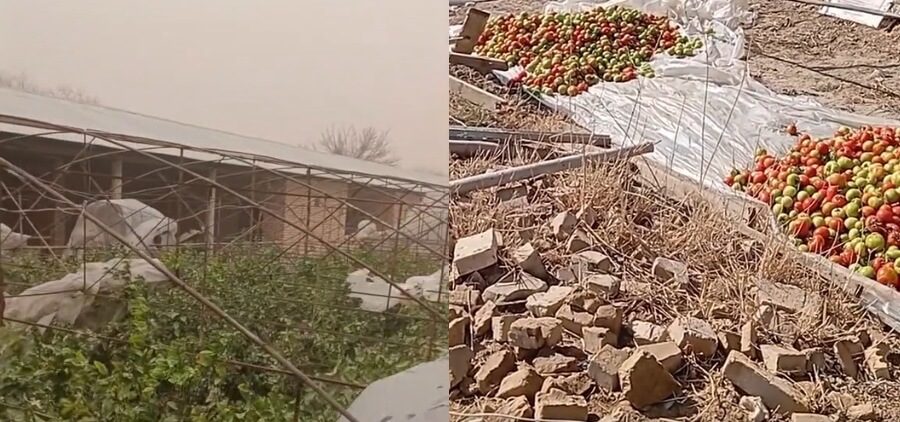
From February 20 to 22, dust storms with storm-force winds swept across Turkmenistan. The storm damaged greenhouses and crops in a number of regions, and the week was memorable not only for the destruction it caused but also for the historic temperature records it set. Strong winds hit the country on February 20. In the Akhal region, gusts reached 18-23 m/s, and in the Mary region, 17-22 m/s. On the Beaufort scale, these readings are classified as storm force. In other regions, the wind was also very strong. Dust storms broke out in the east of the country and in some parts of the Ahal region. In the town of Turkmenabat, wind speeds reached 23 m/s, and visibility was reduced to 500 meters. Similar readings were recorded in the towns of Serkhetabat and Bayramali. In the town of Mary, visibility dropped to 300 meters, and in the village of Tagta-Bazar to only 200 meters. The storm knocked down trees, damaged road signs, and affected some buildings. The most significant damage occurred in rural areas. In the Mary and Lebap region, private farms and plots were affected. The wind blew away greenhouses, and their frames collapsed directly onto the beds, destroying cucumbers, tomatoes, and other crops. Flower growers also suffered serious losses. Many had expanded their acreage and hired additional workers to prepare for the peak sales period around March 8, but the storm deprived them of their harvest and any chance of compensating for months of low demand. The region has previously faced the devastating effects of natural disasters. In 2020, a hurricane caused extensive damage in the Mary and Lebap regions, knocking down buildings and trees and claiming dozens of lives. Some families have still not recovered from those events. At the same time, despite the regular occurrence of strong winds, no effective system has been created to protect farms and the population from such phenomena. As noted by Meteozhurnal, the current weather situation is due to the northwestern intrusion of air masses. High wind speeds continued on February 23, prolonging the period of adverse conditions. The week was marked not only by storms but also by unprecedented heat. For several days, temperatures were more typical of April or May. The peak occurred on February 19, 2026.  In the city of Esenguly in the Balkan region, located in the southwest of the country on the coast of the Caspian Sea, the temperature reached 36.2°C. This is the absolute maximum in the history of meteorological observations in Turkmenistan. The previous record of 32.9°C was set in 1946 in Serakhs, Akhal region. On the same day, temperatures above 30°C were recorded in several regions. In the Balkan region, the thermometer rose to 33.4°C in the town of Etrek and 30.6°C in Makhtumkuli. In Baharden, Akhal region, it reached 33°C. Records were also broken in other cities, albeit with lower values.

Gurbanguly Berdymuhamedov’s Unannounced Visit to Florida Draws Attention

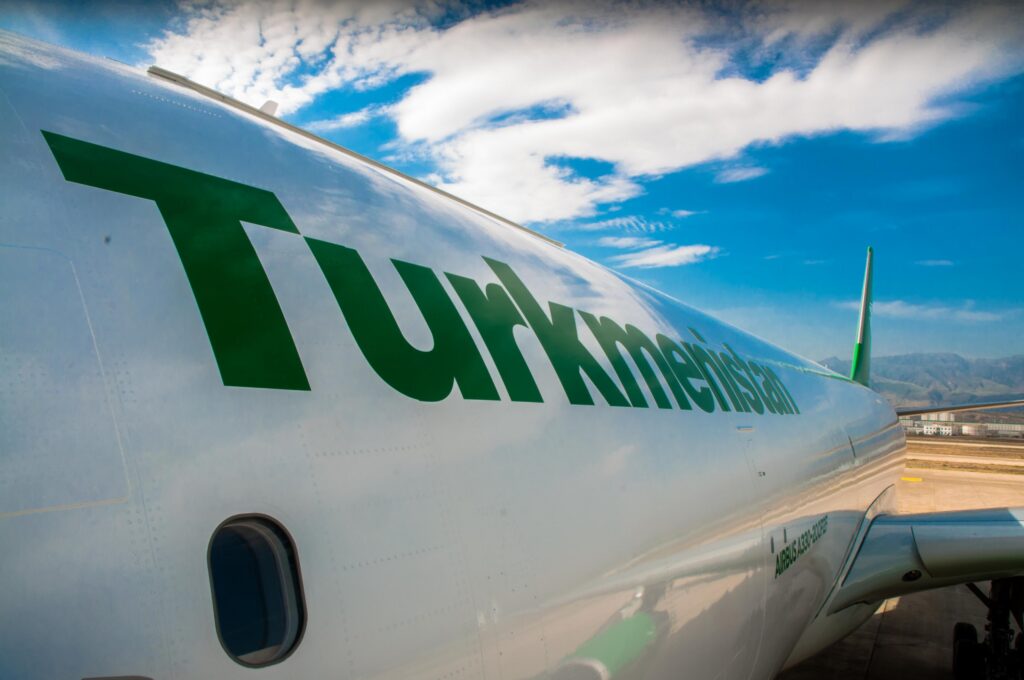
From February 16 to 18, Gurbanguly Berdymuhamedov, Turkmenistan's former president and current Chairman of the Halk Maslahaty, Turkmenistan’s highest representative body, visited the U.S. state of Florida. Turkmen state media did not disclose details of the visit’s program, limiting coverage to a brief report on the trip. Berdymuhamedov arrived at Fort Lauderdale-Hollywood International Airport aboard a government Boeing 777 (tail number EZ-A780). Local journalists and aviation observers reported possible damage to the aircraft’s horizontal stabilizer. The green-and-white liveried airliner remained parked at the airport for several days. Aaron Rosen, president of the World Affairs Council of Miami, noted that the visit coincided with renewed U.S. interest in Central Asia. According to Rosen, the region is strategically significant due to its energy resources, geopolitical location, and security considerations. He also referred to recent statements by Turkmenistan’s Foreign Ministry emphasizing the importance of dialogue with Washington to develop constructive relations. U.S. media reported that Berdymuhamedov’s trip overlapped with President Donald Trump’s weekend stay at his Mar-a-Lago residence, located approximately a 45-minute drive from Fort Lauderdale-Hollywood International Airport. Local 10 News footage showed heightened security measures and a VIP passenger boarding the Boeing 777 prior to departure. The aircraft left Florida several days later. Separately, a government Boeing 737 (tail number EZ-A700) arrived from Ashgabat, refueling in Glasgow before continuing to Florida. After a brief stop in Florida, the Boeing 737 returned to Turkmenistan, making an additional refueling stop in Munich. Turkmen authorities have not officially disclosed the purpose of Berdymuhamedov’s visit.  Turkmenistan’s current president is Serdar Berdymuhamedov, Gurbanguly Berdymuhamedov’s son.

Turkmenistan Effectively Bans Passengers from Taking Food Abroad

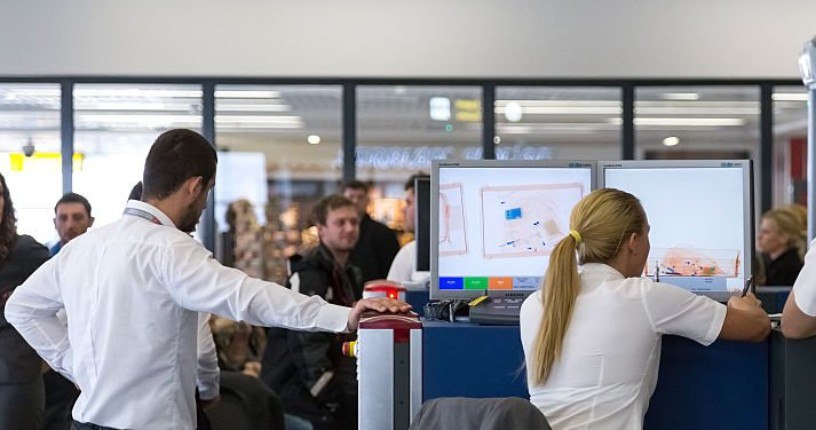
Since February, passengers departing from Turkmenistan’s capital Ashgabat have effectively been prohibited from taking food products out of the country. The restrictions reportedly apply to meat and fish products, canned goods and even bread. No official explanation has been provided. According to turkmen.news, a ban on the export of most food items was introduced at Ashgabat International Airport in February. The measures affect passengers flying to Turkey, the United Arab Emirates and other destinations. Controls are reportedly carried out before the main customs inspection, in the oversized baggage area. Only after this additional screening are travelers allowed to proceed to standard border control procedures. However, few passengers reportedly pass the initial check without issue. Eyewitnesses cited by the outlet say that many passengers are found carrying canned kaurma (meat preserved in fat), as well as sausages, smoked and salted fish, canned meat and fish, condensed milk, homemade preserves, vinegar and bread. Confiscated products must be left behind. Passengers accompanied by relatives are reportedly allowed to hand over the food to them. Those traveling alone are said to ask taxi drivers to return the items to their homes, while some leave bags on airport benches. There has been no official statement clarifying the situation. The Customs Service of Turkmenistan has not published any formal ban on the export of food products, except for sturgeon. Food items are also not listed among prohibited exports on the website of Turkmenistan Airlines. Sources cited by turkmen.news suggest that the tightened controls may be linked to cases in which Turkmen food products were confiscated at foreign airports, particularly in Istanbul and the Russian city of Kazan. In early February, more than 10 kilograms of honey and over 53 kilograms of meat were reportedly seized from Turkmen citizens in Kazan. A year earlier, turkmen.news reported increased scrutiny of passengers carrying food. At that time, checks were described as less systematic and, according to sources, were often accompanied by alleged demands for bribes rather than consistent enforcement of formal regulations. For many Turkmen students studying abroad, food brought from home is not only a matter of preference but also an economic necessity. Preserved products such as canned goods and kaurma can be stored for extended periods and significantly reduce living expenses. Turkmen food products are generally cheaper than comparable goods in Turkey, Russia or the United Arab Emirates.