• KGS/USD = 0.01143 0%
  • KZT/USD = 0.00205 0%
  • TJS/USD = 0.10433 0.1%
  • UZS/USD = 0.00008 0%
  • TMT/USD = 0.28577 0%
  • KGS/USD = 0.01143 0%
  • KZT/USD = 0.00205 0%
  • TJS/USD = 0.10433 0.1%
  • UZS/USD = 0.00008 0%
  • TMT/USD = 0.28577 0%
  • KGS/USD = 0.01143 0%
  • KZT/USD = 0.00205 0%
  • TJS/USD = 0.10433 0.1%
  • UZS/USD = 0.00008 0%
  • TMT/USD = 0.28577 0%
  • KGS/USD = 0.01143 0%
  • KZT/USD = 0.00205 0%
  • TJS/USD = 0.10433 0.1%
  • UZS/USD = 0.00008 0%
  • TMT/USD = 0.28577 0%
  • KGS/USD = 0.01143 0%
  • KZT/USD = 0.00205 0%
  • TJS/USD = 0.10433 0.1%
  • UZS/USD = 0.00008 0%
  • TMT/USD = 0.28577 0%
  • KGS/USD = 0.01143 0%
  • KZT/USD = 0.00205 0%
  • TJS/USD = 0.10433 0.1%
  • UZS/USD = 0.00008 0%
  • TMT/USD = 0.28577 0%
  • KGS/USD = 0.01143 0%
  • KZT/USD = 0.00205 0%
  • TJS/USD = 0.10433 0.1%
  • UZS/USD = 0.00008 0%
  • TMT/USD = 0.28577 0%
  • KGS/USD = 0.01143 0%
  • KZT/USD = 0.00205 0%
  • TJS/USD = 0.10433 0.1%
  • UZS/USD = 0.00008 0%
  • TMT/USD = 0.28577 0%

Viewing results 85 - 90 of 200

U.S. Sanctions Former Uzbek Officials in Orphan Abuse Case

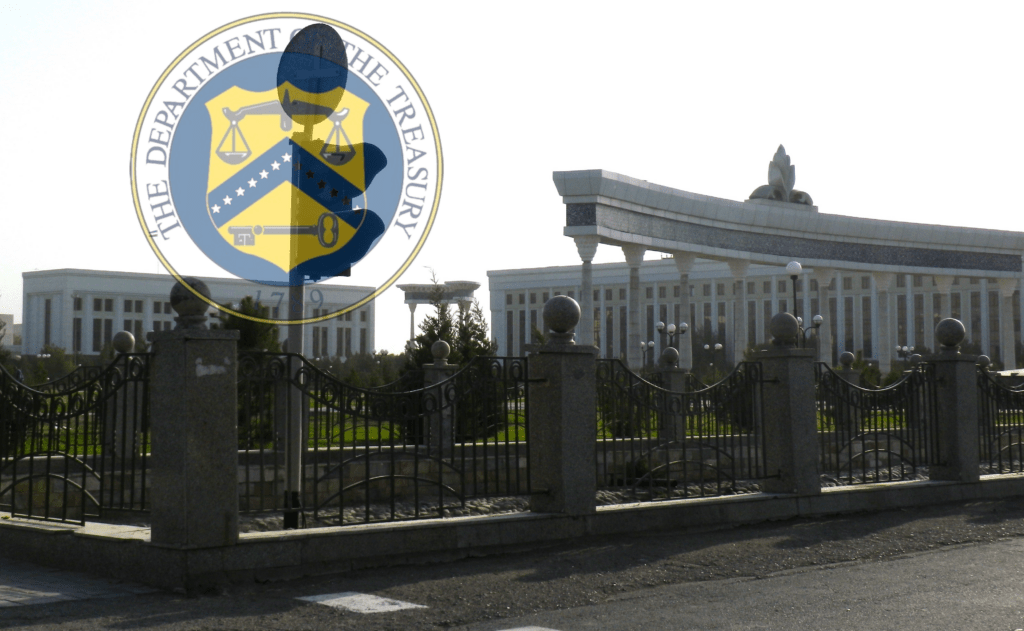
The United States has imposed sanctions on three former officials in Uzbekistan’s government who were involved in human trafficking as well as physical and sexual violence toward orphan children. The three people, who carried out the crimes during their tenure as government employees, are now ineligible for entry into the United States and any property or entities in the U.S. that they own are “blocked” in line with the sanctions, the U.S. Department of the Treasury said Monday. American citizens are also barred from doing any transactions related to the blocked assets, it said. The sanctioned individuals were identified as Yulduz Khudaiberganova, who was director of a state-run orphanage in Urgench, in Khorezm region, at the time of the abuses; Anvar Kuryazov, who was head of the Khorezm regional justice department; and Aybek Masharipov, who was head of the district emergency department. “For at least 10 months, Khudaiberganova forced at least three underage girls to engage in sexual acts with at least six different men in exchange for funds and goods,” said the Treasury statement, which was released on the International Day for the Abolition of Slavery. “Khudaiberganova used various coercive tactics to ensure the girls’ compliance, including physical beatings, threats, starvation, and isolation from their peers. Both Masharipov and Kuryazov demanded sexual access to orphans in compensation for ‘gifts’ they provided to the orphanage. Kuryazov and Masharipov repeatedly visited the orphanage in order to prey upon the young girls,” it said. Uzbek media have previously reported on the case, saying a district court in Khorezm sentenced Khudaiberganova to five and a half years in prison, while the two men were given one and a half years of partial house arrest that barred them from leaving their homes from 10 p.m. to 6 a.m. The sentences were handed down in 2022 but an appeals court took up the case in 2023 after Nemolchi.uz, a non-governmental group that campaigns against gender-based violence, publicized the light sentences, causing a public outcry. Kuryazov and Masharipov were subsequently sentenced to three years in prison. “This was the most severe punishment given the legislation in force at the time of the crime,” Nemolchi.uz said on Telegram after the U.S. sanctions announcement. The group has pushed for tougher laws in Uzbekistan to shield children from sexual abuse, and the government has taken steps to strengthen protections.
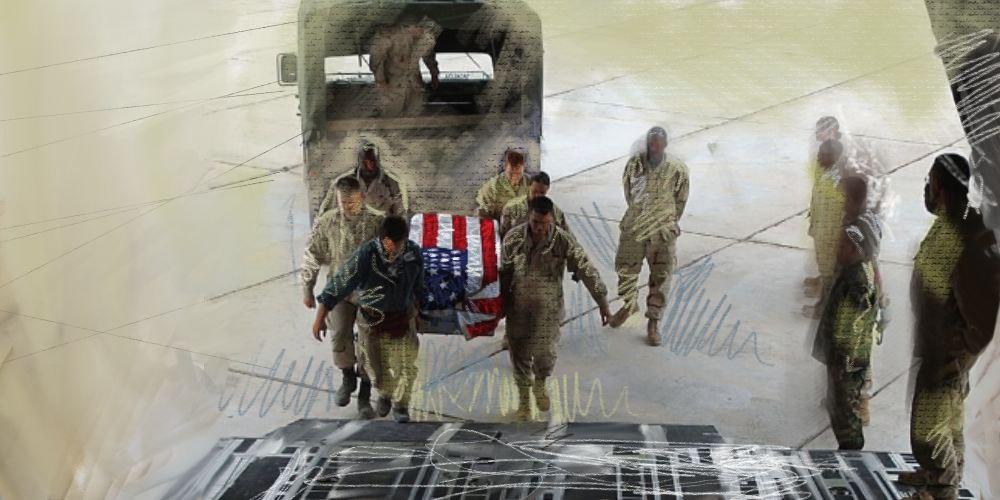
Justice for Veterans: U.S. Acknowledges Cancer Cases Tied to Service at Uzbekistan’s K2 Base

Thousands of American veterans who served at Uzbekistan’s K2 airbase have reported rare cancers and diseases - but only now, more than two decades later, is the U.S. government taking steps to address their dire situation. The U.S. Department of Veterans Affairs (VA) has announced plans to include bladder, urinary tract, and genitourinary cancers as conditions presumed to be linked to service at Uzbekistan’s Karshi-Khanabad airbase, known as K2. In 2001, the U.S. military moved into K2, a former Soviet airbase, to support a series of operations named “Enduring Freedom” which were purportedly aimed at tackling terrorism and Al-Qaeda in the wake of 9/11. However, in addition to the threat of terrorism, the troops faced another danger: the toxic environment. Reports from the base describe exposure to chemicals and radioactive materials. Soldiers recalled an underground “black bubble,” glowing lakes, and a chemical odor lingering in the air. [caption id="attachment_26149" align="aligncenter" width="634"] Image: Stronghold Freedom Foundation[/caption] The Karshi-Khanabad airbase was heavily used by the Soviet military during its operations in Afghanistan from 1979 to 1989, when it served as a site for producing, storing, and testing various weapons, including chemical weapons. The base also stored fuel, solvents, and other harmful substances. Additionally, it became a dumping ground for toxic waste, asbestos, enriched uranium, and other hazardous materials. Spills of these substances were frequent, leaving lasting environmental damage. Before the U.S. occupied K2, the destruction of Soviet-era missiles left some soil contaminated with low-level radioactive depleted uranium. The destruction of Soviet missiles was part of disarmament obligations under the 1987 Intermediate-Range Nuclear Forces (INF) Treaty. A 2001 survey found traces that could be harmful if inhaled, and a 2002 assessment confirmed small amounts of uranium, identified as non-U.S. depleted uranium, outside Camp Stronghold Freedom’s perimeter. The affected area was covered with clean soil, fenced off, and marked as off-limits in November 2001. Furthermore, approximately 392 chemical compounds were found at the K2 Air Base. Thousands of military personnel who served in K2 suffered from severe illnesses, including rare forms of cancer, associated with their time at the base. However, over the years, the U.S. government and the VA have delayed recognition of the link between service in K2 and these health issues, leaving many veterans without adequate support. [caption id="attachment_26150" align="aligncenter" width="1140"] Image: Stronghold Freedom Foundation[/caption] According to the Stronghold Freedom Foundation, K2 veterans are 500% more likely to get cancer than other veterans - 75% of U.S. service members deployed to Uzbekistan alone have developed at least one type of K2-related illness. On November 11, President Joe Biden announced an expansion of the PACT Act (Promise to Address Comprehensive Toxics Act), a law he signed in August 2022 to improve healthcare for veterans exposed to toxins. President Biden stated that the act has already helped over a million veterans and their families access benefits. Under new efforts, the VA will add bladder cancer, ureter cancer, multiple myeloma, and certain types of leukemia to the list of presumptive conditions. This expansion applies...

Swiss Bank Implicated in Corruption Scheme Linked to Islam Karimov’s Daughter

Swiss bank Banque Lombard Odier & Cie SA faces allegations of violating anti-money laundering regulations concerning funds linked to Gulnara Karimova, the controversial daughter of Uzbekistan’s first president, Islam Karimov. The Swiss Attorney General's Office revealed that the bank managed nine suspicious accounts tied to Karimova’s organization, the "Office," despite clear violations of external regulations and internal policies. A former bank manager was also charged with facilitating the scheme between 2005 and 2012. According to investigators, the "Office" functioned solely as a front to launder funds derived from corruption in Uzbekistan’s telecommunications sector. It reportedly had no legitimate business operations and employed no staff. The investigation found that the banker deliberately provided false information to obscure Karimova’s role as the ultimate beneficiary of the accounts. The individual is also accused of destroying or concealing documents that could have exposed the illegal origins of the funds. From 2011 to 2012, the banker allegedly allowed unauthorized access to a safe linked to the “Office,” enabling the removal of critical evidence supporting fraudulent transactions. Gulnara Karimova was once a prominent figure in her father’s administration, known for her roles as a singer, fashion designer, socialite, businesswoman, and diplomat. At one point, she was even considered a potential successor to Islam Karimov. However, by late 2013, her relationship with her father deteriorated, resulting in her political downfall. By 2014, her residence was raided, and she was implicated in a corruption case involving Swedish telecom giant TeliaSonera. Her legal troubles escalated, with convictions in 2015 for embezzlement, public fund misappropriation, and tax evasion, leading to a five-year sentence. This was extended in 2017, placing her under house arrest alongside her daughter. In 2019, Karimova was moved to a penal colony for violating house arrest conditions. In 2020, she was sentenced to an additional 13 years for crimes including creating a criminal association, extortion, and embezzlement. In September 2023, the Swiss General Prosecutor's Office filed an indictment against Karimova in the Federal Court. Prosecutors allege that foreign companies seeking entry into Uzbekistan’s telecommunications market were coerced into paying bribes through entities within the “Office” structure.' Karimova’s legal troubles extend beyond Uzbekistan. British courts have confiscated properties linked to her, valued at over £20 million. The ongoing investigation into her global operations has drawn attention to her role in one of the largest corruption cases in Uzbekistan’s history. This latest scandal has deepened scrutiny of Karimova’s dealings and raised questions about the accountability of financial institutions enabling such schemes.

Russian Journalist Pivovarov Detained After Filming Cotton Fields in Karakalpakstan

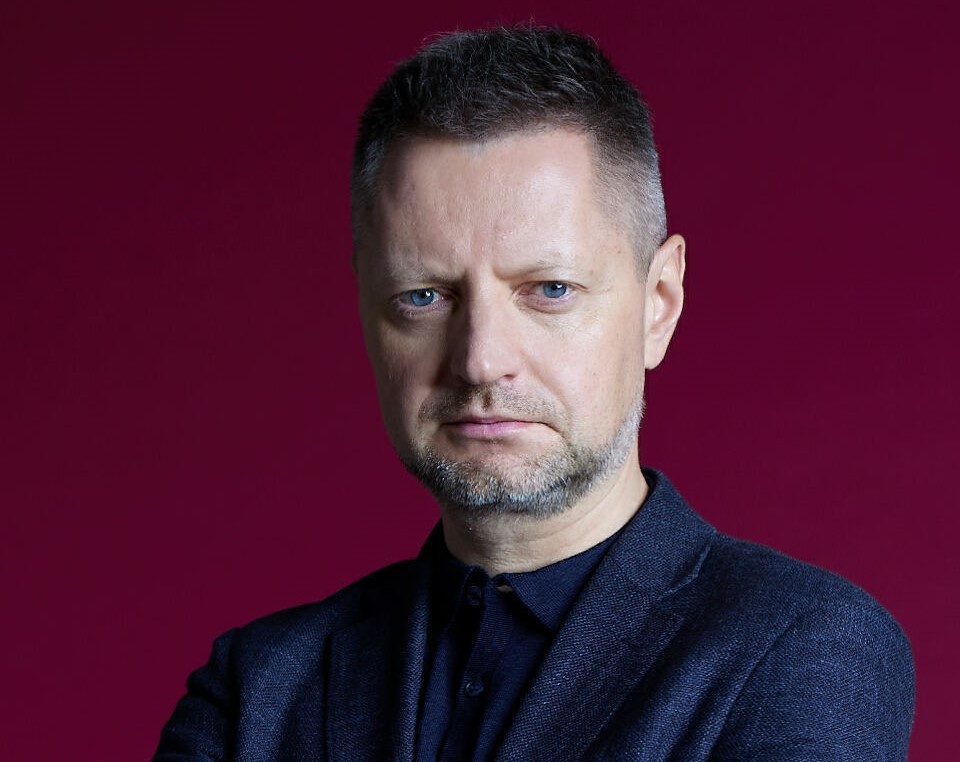
Alexey Pivovarov, a Russian journalist and YouTuber, was detained in Nukus, the capital of the autonomous Uzbek republic of Karakalpakstan. He was questioned by authorities along with the photography team for his project, Redaktsiya (Editorial), and Feride Makhsetova, a journalist from the local news portal Hook. Their arrest was initially reported by Hook. The journalists were detained "for an interview", supposedly following a complaint by an unidentified citizen. Authorities confiscated the visual material collected by the team, who, according to Pivovarov on his Telegram channel, had been filming in one of the region's cotton fields. The Karakalpakstan branch of the Agency for Information and Mass Communications claimed that the detentions occurred because the journalists were not accredited by the Ministry of Foreign Affairs. Later, Pivovarov, Makhsetova, and their team were released by the Nukus Department of Internal Affairs. They subsequently traveled to Tashkent without the materials they had filmed in Karakalpakstan. The Russian Embassy in Uzbekistan addressed the incident, stating that it had contacted Uzbekistan’s Ministry of Foreign Affairs and would provide support to the Russian citizens involved. In a message on his Telegram channel, Pivovarov described the officials in Nukus as “friendly and polite.”

Prosecutor General’s Office Issues Statement on Allamjonov Assassination Attempt

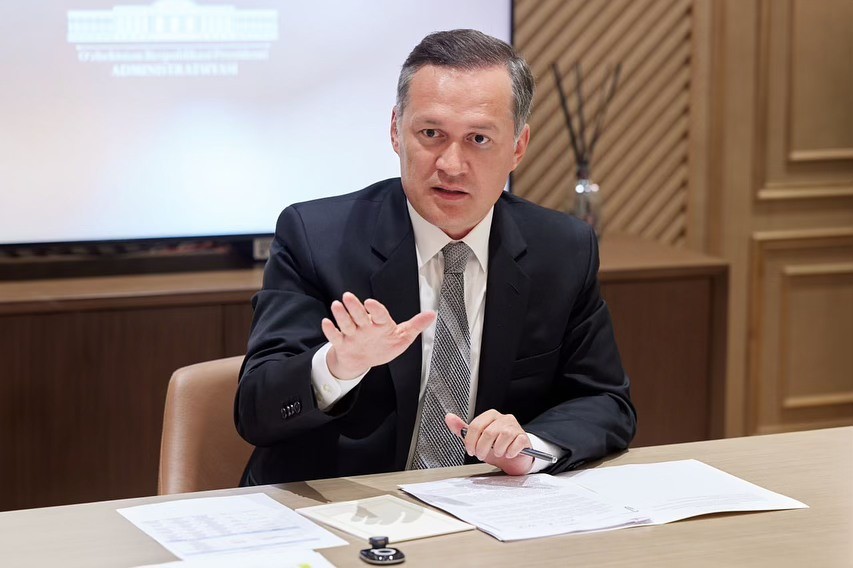
A month ago, reports emerged of an assassination attempt on Komil Allamjonov, the former head of the Presidential Department in Uzbekistan. Some media outlets speculated that Chechen leader Ramzan Kadyrov might be connected to the case. In response, the Prosecutor General’s Office has released an official statement addressing the incident. According to the statement, material evidence linked to the case was discovered during the inspection of the crime scene, searches of vehicles used by the suspects, and investigations at their residences. These findings have been crucial in advancing the case. So far, investigative efforts have identified seven individuals involved in the crime. Five of them have been placed under preventive detention, while two remain wanted by authorities. One suspect, identified as K.S., was located in Kazakhstan, where investigative procedures were carried out. Another suspect, Javlon Yunusov, was arrested in South Korea and subsequently deported to Uzbekistan. The investigation is still ongoing, and further details are expected as the case develops.

Uzbek Nationals Arrested in UAE Over Murder of Israeli Rabbi Zvi Kagan

The Times of Central Asia has reported that three Uzbek nationals are suspected in the murder of Rabbi Zvi Kagan, an Israeli-Moldovan citizen and prominent figure in the Jewish religious movement Chabad. The UAE Ministry of Interior announced the arrest of the suspects, identified as Olimpi Toirovich (28), Makhmudjon Abdurakhim (28), and Azizbek Kamlovich (33). A ministry-released photo showed the suspects blindfolded and shackled, underscoring the seriousness of the case. Authorities have transferred the investigation to the prosecutor’s office but have yet to disclose the specific charges or motive behind the murder. Rabbi Kagan, a UAE resident, was reported missing on November 21, prompting a swift search by local authorities. His body was discovered on November 24, leading to the identification and arrest of the suspects. A respected member of the UAE’s Jewish community, Kagan assisted the country’s chief rabbi and managed a kosher supermarket, Rimon, in Dubai. His contributions were pivotal in supporting the Jewish community in the region. The case has drawn significant attention due to Kagan’s prominent role and the mystery surrounding the crime. UAE officials have stated that the investigation is ongoing, with further details expected to emerge as it progresses.