• KGS/USD = 0.01144 0%
  • KZT/USD = 0.00207 0%
  • TJS/USD = 0.10419 -0.1%
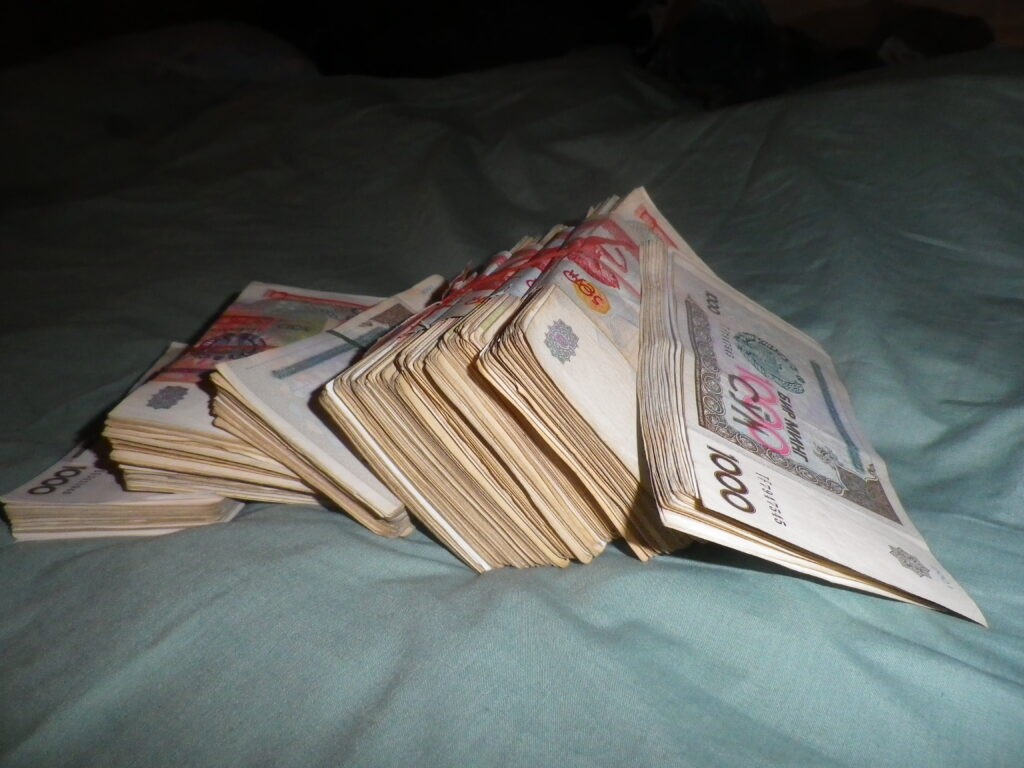
  • UZS/USD = 0.00008 0%
  • TMT/USD = 0.28571 0%
  • KGS/USD = 0.01144 0%
  • KZT/USD = 0.00207 0%
  • TJS/USD = 0.10419 -0.1%
  • UZS/USD = 0.00008 0%
  • TMT/USD = 0.28571 0%
  • KGS/USD = 0.01144 0%
  • KZT/USD = 0.00207 0%
  • TJS/USD = 0.10419 -0.1%
  • UZS/USD = 0.00008 0%
  • TMT/USD = 0.28571 0%
  • KGS/USD = 0.01144 0%
  • KZT/USD = 0.00207 0%
  • TJS/USD = 0.10419 -0.1%
  • UZS/USD = 0.00008 0%
  • TMT/USD = 0.28571 0%
  • KGS/USD = 0.01144 0%
  • KZT/USD = 0.00207 0%
  • TJS/USD = 0.10419 -0.1%
  • UZS/USD = 0.00008 0%
  • TMT/USD = 0.28571 0%
  • KGS/USD = 0.01144 0%
  • KZT/USD = 0.00207 0%
  • TJS/USD = 0.10419 -0.1%
  • UZS/USD = 0.00008 0%
  • TMT/USD = 0.28571 0%
  • KGS/USD = 0.01144 0%
  • KZT/USD = 0.00207 0%
  • TJS/USD = 0.10419 -0.1%
  • UZS/USD = 0.00008 0%
  • TMT/USD = 0.28571 0%
  • KGS/USD = 0.01144 0%
  • KZT/USD = 0.00207 0%
  • TJS/USD = 0.10419 -0.1%
  • UZS/USD = 0.00008 0%
  • TMT/USD = 0.28571 0%

Viewing results 115 - 120 of 200

Uzbekistan Implicated in U.S. Investigation of NYC Mayor Eric Adams

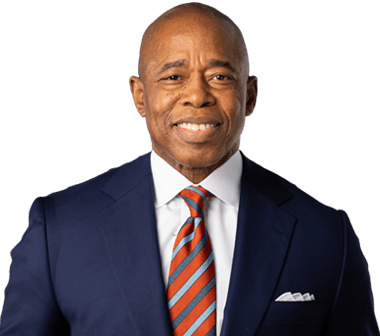
Uzbekistan has been implicated in a serious investigation into the sources of donations to New York City Mayor Eric Adams’ 2021 campaign. The investigation appears to be intensifying, a source said, after federal prosecutors issued subpoenas to his team members, including the mayor himself, in July. The US investigation into the mayor of New York spans six countries. It includes Adams’ ties to Turkey, Israel, Qatar, China, South Korea, and Uzbekistan. The big question investigators are trying to answer is whether his 2021 mayoral campaign conspired with Turkey’s government to receive illegal foreign donations, and whether the fire department was pressured to approve a new high-rise Turkish consulate despite safety concerns. Prosecutors seek additional information on Adams' relations with the other countries, including Uzbekistan – the only one of the six that Adams has not visited.

Woman in Uzbekistan Tries to Exchange Daughter for a House

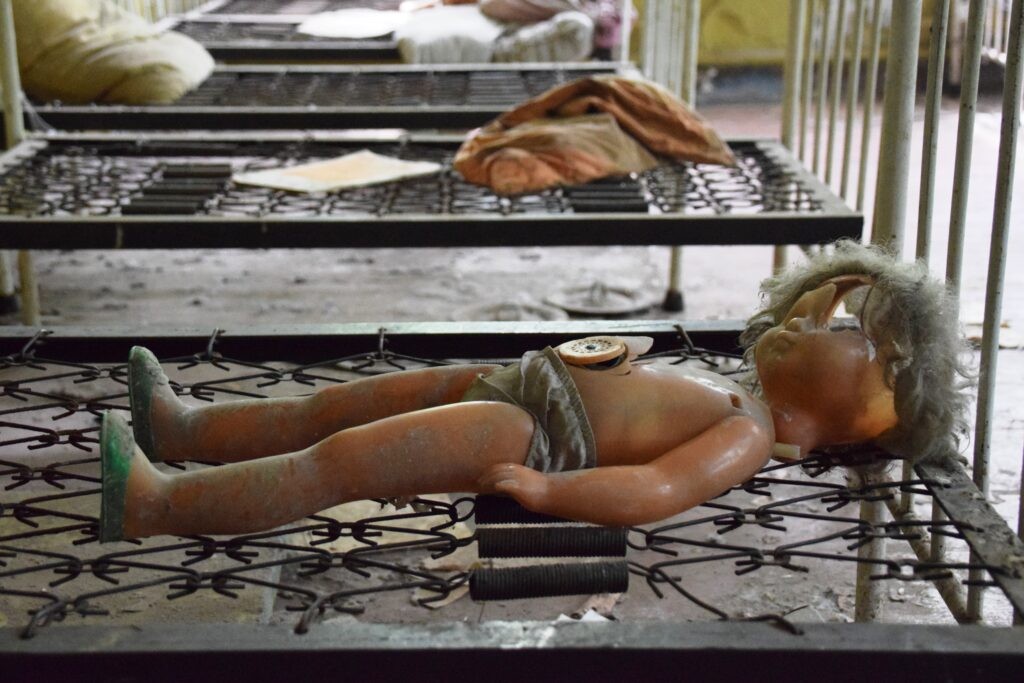
A 41-year-old woman who tried to exchange her 13-year-old daughter for a house in Samarkand has been sentenced to 5 years and two months in prison. The woman, who had come to Samarkand to work, said that the family had no housing when she received an offer to exchange one of her three children for a house worth $25,000. She agreed and gave the person her middle daughter. After receiving some money, the woman went to a restaurant to celebrate the deal, where she was apprehended by law enforcement. This is the woman's second conviction. As a result, her children, including the 13-year-old girl, were put into under state guardianship. This case has had repercussions around the country, with citizens raising questions about the need to strengthen child protection and anti-trafficking measures in Uzbekistan. Child trafficking in Uzbekistan remains a severe problem, despite government efforts to reduce it. According to the Trafficking in Persons Report, in 2019-2020, about 43% of reported trafficking offenses involved children. These cases often include the sale of infants and the involvement of medical personnel in illegal schemes. There has also been an increase in child trafficking in recent years due to economic hardship, especially in rural areas.

Uzbek Parliament Adopts Law on “Undesirable” Foreigners

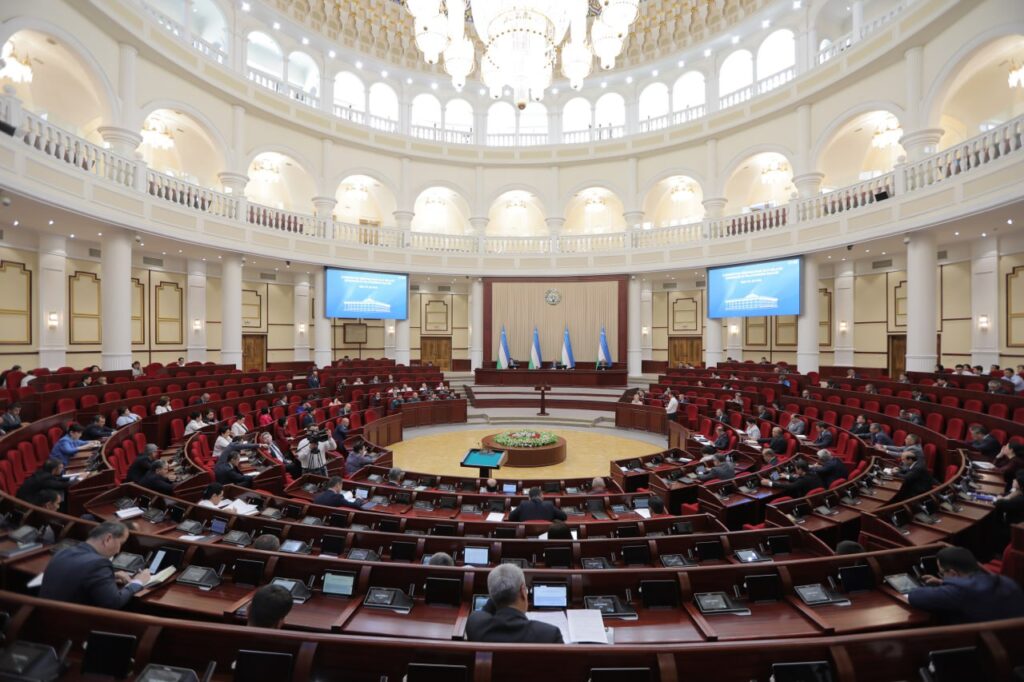
On September 20, the Senate of Uzbekistan's Oliy Majlis approved amendments to the law regulating the legal status of foreign citizens and stateless persons. The main changes concern those who, through their public statements and actions, threaten Uzbekistan's state sovereignty, territorial integrity, and security. According to Senator Anvar Tuichiev, such persons often provoke interstate, social, and religious discord and discredit the honor and dignity of the people of Uzbekistan. The existing legislation lacks the legal mechanisms to tackle such actions. The amendments adopted establish that foreign citizens and stateless persons who commit such acts will be considered "undesirable," and will be included in the registry of the Ministry of Foreign Affairs of Uzbekistan. Those on the registry will be subject to a five-year ban on entering the country, opening bank accounts, buying real estate, and participating in the privatization of state property. If such a person temporarily or permanently resides in Uzbekistan, they will be given ten days to leave voluntarily. Otherwise, a procedure for their deportation will be initiated. A person can be removed from the register if the reasons for their inclusion are eliminated. The senator also stated that the experience of countries such as Kazakhstan, Azerbaijan, Poland, Belarus, Russia, Ukraine, and China was considered when drafting the law. The amendments will come into force after being signed by President Mirziyoyev. The decision came to make changes to the legislation came amid statements such as that made by Russian politician Zakhar Prilepin in 2023, who proposed that Russia annex Uzbekistan and other former Soviet republics. This provoked a sharp reaction among Uzbek politicians, including deputies Rasul Kusherbayev and Bobur Bekmurodov. The Norwegian Helsinki Committee has said that it fears the new amendments could contradict international standards of freedom of expression, leading to Uzbekistan's isolation.

Karakalpak Activist Loses Asylum Bid in Kazakhstan

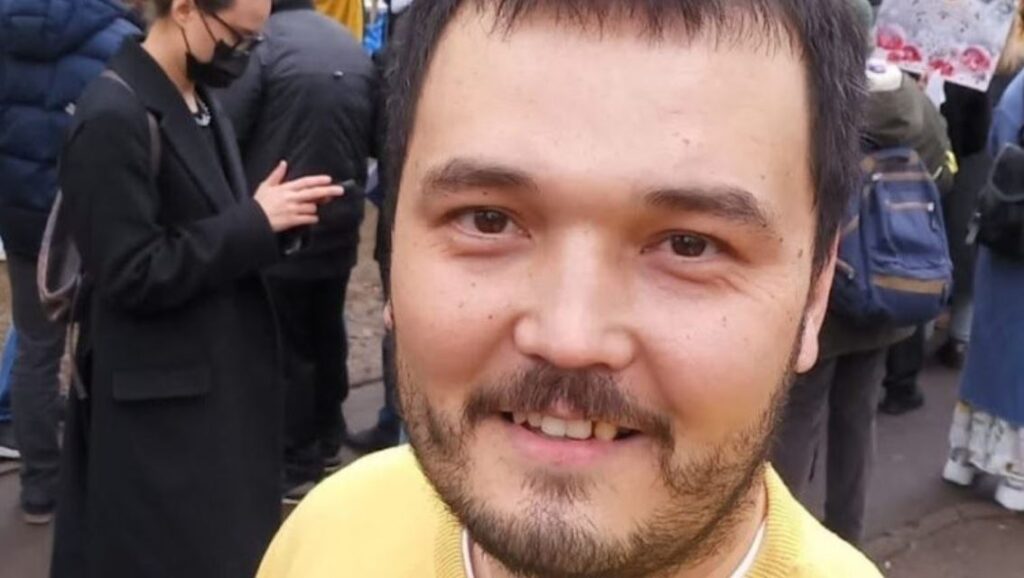
An Uzbek activist who has campaigned for the rights of people in the Uzbek region of Karakalpakstan faces possible extradition after Kazakhstan denied his asylum request, according to the activist´s supporters. Aqylbek Muratbai, who has lived in Kazakhstan for years, was arrested in February at the request of Uzbek authorities and a Kazakh commission ruled against his asylum request on Friday, his supporters said. New Kazakh regulations allow Muratbai to be moved to Uzbekistan “at any time,” according to Muratbai’s account on the X platform. His lawyer plans to appeal. Karakalpakstan is an arid, semi-autonomous area in the northwest of Uzbekistan that was the scene of deadly violence in 2022. Protesters marched in opposition to planned constitutional changes that would have removed that autonomous status, and security units used force to disperse the demonstrations. At least 21 people were killed, including 4 law enforcement officers, according to Human Rights Watch. Uzbek authorities have since prosecuted Karakalpak activists for crimes including the instigation of riots and sentenced some to long prison terms. At the same time, the government has launched an investment program to develop the long-neglected region. The Karakalpakstan question is particularly sensitive for Uzbekistan because the national constitution allows the region’s people to choose secession through a referendum. Muratbai’s camp had said that he would likely face unfair prosecution if he is extradited to Uzbekistan and that the Kazakh asylum process should take that possibility into account, even if maintaining good relations with the Uzbek leadership is also important.

Central Asian Countries Unite To Support Women and Children Repatriated From Conflict Zones

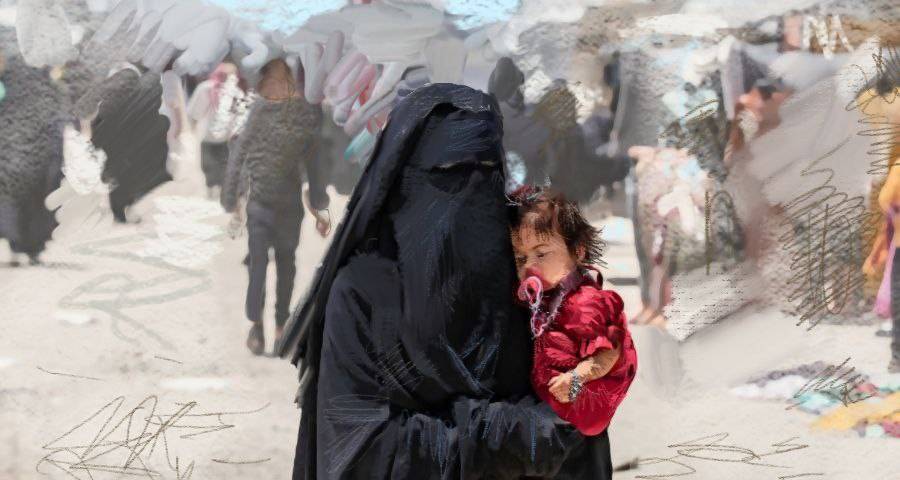
UNICEF Uzbekistan reports that Kazakhstan, Kyrgyzstan, Tajikistan, and Uzbekistan are actively working to improve the support system for women and children returning from conflict zones, such as Iraq and Syria. In support of the European Union's project “The second phase of EU-UN support to Central Asian states for their citizens returning from conflict zones,” delegations from the above met to discuss their shared experiences and means of providing necessary support and services for successfully reintegrating women and children into society. Uzbekistan was one of the first countries in Central Asia to start repatriating its citizens from conflict zones. Since 2019, the country has undertaken several missions to return women and children stranded in conflict zones as part of operations known as “Mehr” (“kindness” in Uzbek). The “Mehr-1” and “Mehr-2” operations have enabled the Government of Uzbekistan to repatriate many of its citizens, and in cooperation with the government of Iraq and UNICEF, offer a safe haven in their motherland for children deprived of basic necessities such as food, clean water, and medical care while living in war zones and refugee camps. On their return, repatriated citizens are placed in special sanatoriums where they are provided with hot food, clothing, and the services of doctors, therapists, and teachers. To date, Uzbekistan has successfully repatriated 531 citizens, including 331 children, 125 women, and 27 men. The country's initiative has been praised internationally and noting  its focus on the interests of children and supporting the family unity and society, Ní Aoláin, a UN expert has stateed that, “The Uzbek model of repatriation and reintegration provides a roadmap for other governments to return their nationals from conflict zones." Kazakhstan, likewise, has committed to the repatriation of its citizens from areas previously controlled by the Islamic State, and has launched operations “Jusan” and “Rusafa”, implemented with a high level of coordination between various government agencies, including national security services, diplomats, and the military. One of the most essential repatriations took place within the framework of the “Jusan” operation, launched in 2019. The name “Jusan” means bitter wormwood; native to Kazakhstan and a symbol of homesickness. Through this operation, hundreds of women and children were rescued from dangerous refugee camps in Syria, including the notorious Al-Hol Camp. Maryam, one of the women repatriated during the “Jusan” operation, said that the "first time a delegation from Kazakhstan arrived was to collect data on Kazakh citizens in the Al-Hol Camp. They promised to come back for us soon. A month of waiting felt like an eternity to us.” According to women from the tent camp, the shortage of drinking water and provisions, essential medicines, and the unbearable heat aggravated the situation and led to constant conflicts between residents. The humanitarian operations “Jusan” and “Rusafa” enabled the return of 725 people to Kazakhstan, including 188 women and 522 children, most of whom were under twelve years of age. Kazakhstan's success in such operations has been  attributed to the high level of investment by the state. According to Gabit Konusov,...

Central Asian Police and Prosecutors Follow the Money

Gathering intelligence on money laundering and terrorist financing is just one step for authorities trying to crack down on those crimes. Transforming the intelligence into courtroom-ready evidence is just as vital. That challenge was the focus of a European Union-led workshop in Türkiye this week that drew more than 50 judicial and law enforcement officials, many of them from Central Asian countries. The prosecutors, police and financial intelligence experts discussed asset confiscation and forfeiture, mutual legal aid, open source intelligence and parallel financial investigations, which amount to following the money while separate criminal probes are underway. “The need to ensure the conversion of financial intelligence into admissible evidence in court is paramount, as it is the step that allows countries to prevent, detect and better prosecute criminals involved in financial crimes,” David Hotte, team leader at the EU Global Facility on money laundering and terrorism financing. The EU project and Türkiye´s financial intelligence unit, which is part of the Ministry of Finance, organized the workshop in Ankara, the Turkish capital. It ended Wednesday. The participants were from Kazakhstan, Kyrgyzstan, Tajikistan, Turkmenistan, Uzbekistan, Azerbaijan, Georgia and Somalia. In recent years, Kazakh authorities have pursued an international campaign to recover assets that they say were stolen and moved abroad. Last month, Kazakh authorities said they had completed an investigation into the case of a nephew of former president Nursultan Nazarbayev and that the equivalent of $1.6 billion worth of assets had been returned to the state. The United Nations Office on Drugs and Crime is also helping Central Asia with efforts against financial crimes. In April, it hosted a training session on money laundering for prosecutors, judges and financial investigators in Kyrgyzstan. Similar workshops have been held in Uzbekistan and Kazakhstan. Some civil society groups in Central Asia say their governments could do a lot more to ensure budget transparency and curb violations of financial legislation. A 2023 index compiled by Transparency International ranks countries by perceived levels of public sector corruption – 0 is very corrupt and 100 is very clean. Kazakhstan scored 39, followed by Uzbekistan (33), Kyrgyzstan (26), Tajikistan (20) and Turkmenistan (18). The index scores are based on at least three “data sources” drawn from 13 different corruption studies and collected by institutions including the World Bank and the World Economic Forum, according to Transparency International.