• KGS/USD = 0.01144 0%
  • KZT/USD = 0.00213 0%
  • TJS/USD = 0.10678 0%
  • UZS/USD = 0.00008 0%
  • TMT/USD = 0.28490 0%
  • KGS/USD = 0.01144 0%
  • KZT/USD = 0.00213 0%
  • TJS/USD = 0.10678 0%
  • UZS/USD = 0.00008 0%
  • TMT/USD = 0.28490 0%
  • KGS/USD = 0.01144 0%
  • KZT/USD = 0.00213 0%
  • TJS/USD = 0.10678 0%
  • UZS/USD = 0.00008 0%
  • TMT/USD = 0.28490 0%
  • KGS/USD = 0.01144 0%
  • KZT/USD = 0.00213 0%
  • TJS/USD = 0.10678 0%
  • UZS/USD = 0.00008 0%
  • TMT/USD = 0.28490 0%
  • KGS/USD = 0.01144 0%
  • KZT/USD = 0.00213 0%
  • TJS/USD = 0.10678 0%
  • UZS/USD = 0.00008 0%
  • TMT/USD = 0.28490 0%
  • KGS/USD = 0.01144 0%
  • KZT/USD = 0.00213 0%
  • TJS/USD = 0.10678 0%
  • UZS/USD = 0.00008 0%
  • TMT/USD = 0.28490 0%
  • KGS/USD = 0.01144 0%
  • KZT/USD = 0.00213 0%
  • TJS/USD = 0.10678 0%
  • UZS/USD = 0.00008 0%
  • TMT/USD = 0.28490 0%
  • KGS/USD = 0.01144 0%
  • KZT/USD = 0.00213 0%
  • TJS/USD = 0.10678 0%
  • UZS/USD = 0.00008 0%
  • TMT/USD = 0.28490 0%

Viewing results 1 - 6 of

Cyberbullying in Central Asia: What Legal Protections Are There?

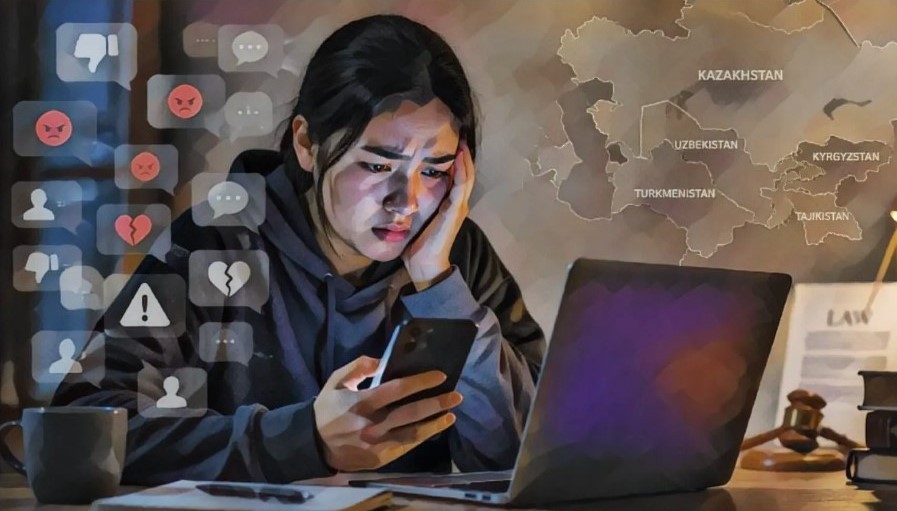
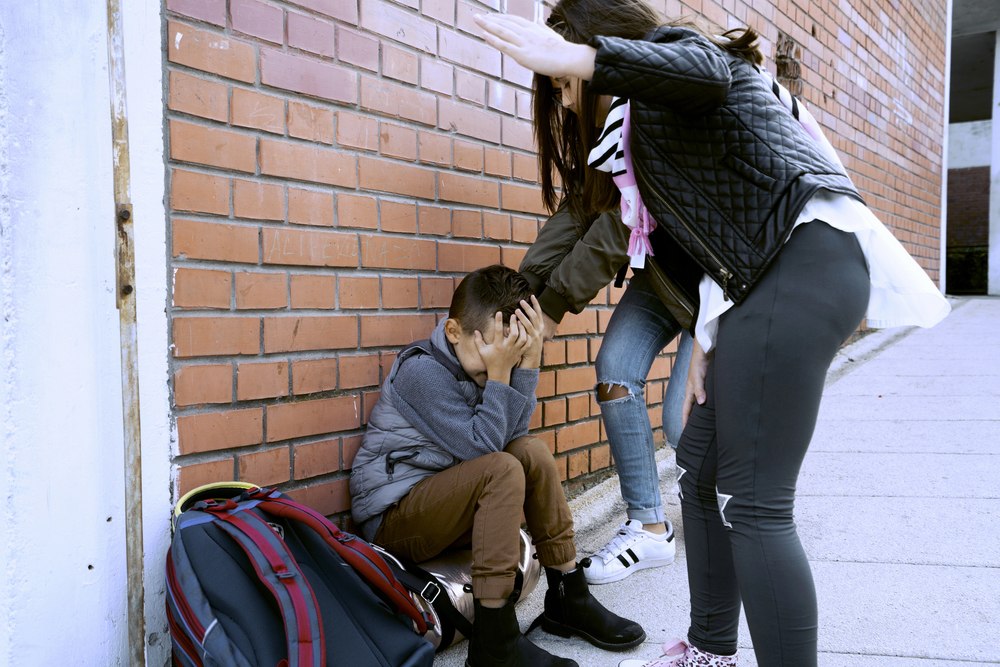
Cyberbullying has long ceased to be merely an argument on the internet. Insults, harassment in chats, the publication of humiliating photos and videos, coordinated mockery, threats, and the spread of false information can cause harm comparable to offline violence. In Central Asia, the problem is becoming increasingly visible, but legal responses still vary significantly. As of 2026, Kazakhstan and Uzbekistan have incorporated bullying and cyberbullying into legislation more directly, while Kyrgyzstan, Tajikistan, and Turkmenistan continue to address such cases mainly through general provisions on insult, defamation, threats, child protection, and internet regulation. Kazakhstan has taken the most explicit legislative approach to cyberbullying. The law introduced an official definition: cyberbullying is understood as systematic actions, that is, actions committed two or more times of a humiliating nature against a child, including persecution and intimidation using internet resources. The law also grants a citizen or the legal representative of a child the right to submit a complaint to the authorized body regarding instances of cyberbullying against a child, specifying the relevant internet resource. At the same time, laws on children’s rights and education have formally incorporated the concept of child bullying, including acts committed through media and telecommunications networks. A further step was taken in 2024, when Article 127-2 (“Bullying of a Minor”) was added to Kazakhstan’s Code of Administrative Offenses. It provides for a warning or a fine, with higher penalties for repeated violations within a year. In December 2024, Kazinform reported that Kazakhstan became the first country in Central Asia to establish specific liability for the bullying and cyberbullying of children in a separate legal provision, which entered into force on June 16, 2024. It is also significant that the provision is now being applied in practice. According to data released in February 2026 by the Deputy Chair of the Committee for the Protection of Children’s Rights, around 200 cases of bullying and cyberbullying against children had been recorded in 2025. This figure is important not only in itself; it indicates that the state has begun systematically recording such incidents and that victims and their families are more likely to seek protection. The main strength of the Kazakh model is its clarity. The law explicitly defines the problem, outlines complaint procedures, and establishes specific liability. Its main limitation lies in implementation: as with domestic violence legislation, effectiveness depends on how prepared schools, parents, law enforcement, and online platforms are to apply it in practice. Uzbekistan: Cyberbullying Within the Child Protection Framework In Uzbekistan, there is no separate legal provision titled “cyberbullying,” but the country has taken a significant step in terms of child protection. The Law “On the Protection of Children from All Forms of Violence,” adopted on November 14, 2024, and in force since May 15, 2025, explicitly recognizes bullying as a form of violence against children. The law defines such violence as actions, including those carried out through telecommunications networks and the internet, that cause or may cause physical or psychological harm. The definition of bullying explicitly includes...

The Children of Kazakhstan Concept: Reality and Barriers to Implementation

The 2026-2030 Children of Kazakhstan Concept, approved by the Kazakh government, introduces new standards for the protection of children’s rights. The document is largely based on modern international approaches to social policy. However, its implementation may face a number of systemic barriers characteristic of Kazakhstan’s institutional environment. Honest Acknowledgment of Problems The authors of the concept do not attempt to downplay existing challenges. The document openly recognises serious issues in the field of child protection. In 2024, 2,693 crimes against minors were registered. In 2025, the figure stood at 2,603. Of these, nearly 900 cases involved sexual abuse. Particularly alarming is the fact that 60-70% of such crimes are committed by individuals close to the child, including parents, stepfathers, relatives, or neighbours. Another critical issue is the mental health of adolescents. Kazakhstan remains among the countries with high rates of youth suicide. According to psychologists cited in the Kazakh media, over the past two years, approximately 300 suicides among children have been recorded nationwide, while nearly 600 more adolescents have attempted suicide. The scale of the problem is reflected in the workload of the 111 national contact centre. In 2025, the service received 145,000 calls and 121,000 text messages. The high volume of messages sent via QR codes suggests that many children find it psychologically easier to report abuse in writing than in person. The state also acknowledges shortcomings in the healthcare system. Children’s hospitals face shortages of medical equipment, particularly in intensive care units. The situation is most difficult in remote regions, where insufficient equipment can directly affect children’s chances of survival in emergency situations. Another serious concern is the shortage of specialists. Kazakhstan lacks sufficient numbers of child psychiatrists and clinical psychologists. The deficit is particularly acute in regional areas. At the same time, many parents conceal their children’s psychological problems for fear of social stigma, leading to delayed diagnosis and complicating suicide prevention efforts. Staff Shortages Versus High Standards The concept emphasises early prevention. One of its key instruments is a case-management mechanism involving individual support for families and children by trained specialists. The intention is to shift from crisis response to systematic preventive work. However, the implementation of this model faces serious limitations. The main challenge is the acute shortage of personnel and insufficient levels of professional training among specialists in the field. Independent experts point to systemic weaknesses in the training of psychologists. Many public-sector employees lack the qualifications required to work with adolescents experiencing severe psychological distress. In addition, the professions of school psychologist and social pedagogue remain poorly paid. Experienced specialists often move to the private sector, where salaries can be three to four times higher. Digitalization Outpacing Infrastructure The government is placing a significant emphasis on digital tools. One of the flagship initiatives is the FSM Social system, known as the Digital Family Map. The system analyses dozens of socio-economic indicators and is designed to identify families at risk. However, digitalization is currently outpacing infrastructure development. Analysts caution that digital systems cannot...

Uzbekistan Proposes Tougher Penalties for Violence Against Women and Children

Uzbekistan is preparing a comprehensive package of legal reforms aimed at eliminating violence against women and children and establishing a societal culture of zero tolerance toward abuse. The measures are outlined in a draft State Program tied to the implementation of the "Uzbekistan-2030" strategy and the national reform agenda for the Year of Mahalla Development and Community Advancement. Under the proposed reforms, criminal penalties for acts of violence against women and minors would be significantly increased. One of the most consequential provisions includes harsher sentencing for sexual crimes against children under 14, including the possibility of life imprisonment. The draft program also recommends transferring the investigation of sexual and violent crimes involving minors to the exclusive jurisdiction of the prosecutor’s office. Additionally, a specialized system of investigators and judges would be introduced, with dedicated training to handle sensitive cases involving abuse. These specialists would be responsible for both the investigation and adjudication of such cases, ensuring a more consistent and victim-centered approach. Another key component of the reform targets early and forced marriages. The program proposes administrative penalties for those who engage or betroth individuals below the legal marriage age. Sanctions could also apply to parents, guardians, or others who facilitate or promote underage unions, including those who publicly advocate for such practices. Officials say these steps are intended to entrench a culture of intolerance toward violence and to develop a more effective system for preventing early and forced marriages. The draft emphasizes the role of community-level engagement, with family and women's support centers expected to reach at least 40% of young couples through specialized educational programs. These initiatives will involve psychologists, legal professionals, and other experts to bolster domestic violence prevention efforts. If adopted, the measures are scheduled to take effect on April 1, 2026. In a related development, Kazakhstan’s Ministry of Health last year proposed tightening the application of chemical castration for individuals convicted of sexual offenses against children. According to draft amendments published on the Open NPA platform, Kazakhstan’s government-run portal for public discussion of draft legislation, the procedure would be administered six months prior to an inmate’s release, following a mandatory forensic psychiatric evaluation conducted up to a year in advance. Kazakhstan’s Health Ministry stated that this measure, regulated under Article 91 of the country’s Criminal Code, is designed to reduce the risk of recidivism during the immediate post-release period, which authorities view as particularly high-risk.

Tajikistan Teacher-Student Assault Case Referred to Court

The case of a teacher accused of assaulting a student, which sparked significant public debate in Tajikistan, has been formally referred to court. The Ministry of Education and Science has stated it will not abandon the teacher and will continue to monitor developments closely. The criminal case involves Farkhod Nazarov, a teacher accused of slapping an 11th-grade student. The case has been transferred to the Levakant City Court. In an interview with Asia-Plus, Nazarov confirmed that he has reviewed the case materials at the prosecutor’s office. “They gave me the case file, and I read it. The sequence of events was laid out clearly, and the staff were professional. They said the case would be sent to court,” Nazarov said. While a court date has not been set, the hearing is expected to take place in November. Nazarov has not yet hired legal representation. Unofficial sources report that the case falls under Article 174 of the Criminal Code of the Republic of Tajikistan, “Failure to fulfill obligations to educate and raise a minor.” The article carries penalties ranging from a fine of $5,672 to $8,103 or imprisonment for one to two years. “Yes, I admit that I hit the student, but it was not without reason. I simply do not have the means to pay the fine,” Nazarov previously stated. The family of the student involved, Mehmed Bozorov, has not responded to media inquiries and has yet to comment on the case’s transfer to court. The Ministry of Education and Science has confirmed that Minister Rakhim Saidzoda is personally overseeing the case. The ministry emphasized that while it is not interfering in the judicial process, it will continue to support Nazarov. The incident drew national attention after a video surfaced on social media on September 30, showing Bozorov losing consciousness. According to Bozorov, the incident occurred on September 6 at School No. 4 in the village of Bokhturobod. He claims he was struck on the back of the head by the teacher and subsequently hospitalized for two weeks. The Levakant education department has presented a different account, stating that Bozorov had shown disrespect, provoking an emotional reaction from the teacher. The department also reported that no serious injuries were documented. The case has generated widespread public discourse, with many teachers and public figures voicing support for Nazarov and calling for a systemic review of student-teacher relations in Tajikistan’s schools.

Tajikistan Debates Social Media Ban for Children Under 14

A controversial proposal in Tajikistan to ban social media use for children under the age of 14 has sparked public and expert debate. While many agree that the issue requires urgent attention, critics argue that education, digital literacy, and parental involvement offer more effective solutions than blanket prohibitions. Parliamentary Push for Stricter Controls The initiative was introduced by lawmaker Dilnoza Ahmadzoda in an article in Narodnaya Gazeta. She proposed banning access to social media for children under 14 and requiring written parental consent for adolescents aged 14 to 17. Ahmadzoda pointed out that amendments to the Law on the Protection of Children’s Rights were already passed earlier this year, targeting false and harmful content. However, she contends that these changes do not go far enough. “It is necessary to introduce further changes to ensure that children’s and teenagers’ use of social media is under control,” Ahmadzoda said. Expert Concerns: "A Ban Is Not the Solution" Experts caution that an outright ban may do more harm than good. Media literacy specialist Rustam Gulov warned that prohibitions often increase curiosity and drive youth online behavior underground. “A ban is not the solution. If you forbid it, interest will only grow, and young people will find ways to hide their activity. Such measures push them backward in terms of technological development. Control is more effective,” Gulov said. He noted that while platforms already impose age restrictions, children frequently bypass them using false birthdates or by accessing accounts through their parents’ devices. Gulov recommended closer collaboration with companies such as Meta to establish more effective content controls. He also advocated for the inclusion of media literacy education in school programs. “Children should learn from an early age how to use the internet and social networks responsibly and how to distinguish false or harmful information,” he said. Another major concern, according to Gulov, is the lack of quality digital content in literary Tajik. As a result, many young users switch to Russian-language platforms. “Social networks can serve as an educational tool, if there is enough quality content in Tajik,” he added. Public Opinion in Dushanbe Reactions among residents of the capital are mixed. Some favor tight restrictions, while others emphasize the potential benefits of social media in education and personal development. Psychologist Nigina Mamadjonova opposes a complete ban but underscores the importance of parental responsibility. “This is primarily the responsibility of parents. Unfortunately, most of them do not take it seriously,” she said. Mamadjonova criticized the widespread practice of giving smartphones to children “for quick peace and quiet” without supervising their activity. She warned that this leaves children vulnerable to cyberbullying, manipulation, and online predators. She also argued that preschoolers should not use phones at all, as screen time isolates them from physical activity and social interaction. For older children, she supports promoting digital literacy and steering them toward constructive online content. Mixed Results Abroad Other countries have implemented similar restrictions with varying degrees of success. In Australia, minors under 16 are prohibited from using platforms...

Attitudes Toward Children with Special Needs in Kazakhstan Are Beginning to Shift

An appalling call by an Almaty-based blogger to "kill autistic people" has reignited public debate over attitudes toward children with special needs in Kazakhstan, revealing deep-rooted prejudices that persist in society despite ongoing reforms. Shocking Comments and a Criminal Case “There are too many autistic people, they need to be treated, and if they cannot be cured, they should be killed or autism hospitals should be opened. Children with autism have no feelings!” wrote Almaty blogger Raihan Zhumamuratova in a now-deleted post on social media. Her remarks sparked outrage online and drew swift condemnation from authorities. Zhumamuratova's post followed a disturbing incident on August 23, when a mother posted on Instagram that her two-year-old son was attacked in a courtyard by a teenager who picked him up, threw him in the air, and then fled while covering his ears. The act was captured on video. Initial reports suggested the 13-year-old boy may have a mental health condition, possibly an autism spectrum disorder, though no official diagnosis has been confirmed. The Auezov District Police Department opened a criminal case, and the teenager’s parents were held accountable for failing to properly fulfill their parental duties. Zhumamuratova's comments were widely condemned. The Autism Kazakhstan association filed a formal complaint, prompting Almaty police to launch an investigation. Minister of Labor and Social Protection Svetlana Zhakupova stated, “I think law enforcement agencies will take the right decisions regarding this blogger. The harshest ones.” “You know, we are building an inclusive society together. We do not tolerate discrimination against people with disabilities,” Zhakupova added. “Children with autism are currently under the special supervision of several government agencies, the Ministry of Education, our Ministry of Labor, and the Ministry of Health. We fully support these children.” A Pattern of Neglect and Violence While Zhumamuratova’s statements have drawn near-universal condemnation, this is not the first time a child has been seriously harmed by a teenager with a psychiatric condition. In February 2025, a teenager attacked a five-year-old with a knife inside an elevator in a residential building in Astana. The assault was also recorded and widely circulated online. The attacker, who is registered at a psychoneurological clinic, was later placed in a psychiatric hospital. His legal guardian was held accountable, according to Children’s Rights Commissioner Dinara Zakieva. Parents of children with special needs frequently report being left to cope alone. Rehabilitation services are limited, oversight is weak, and resources are stretched thin. A Long Road to Inclusion Kazakhstan faces systemic challenges in building an inclusive society. For decades, people with psychiatric or developmental diagnoses were kept out of public view. Traditional nomadic culture stigmatized them, and under the Soviet regime, psychiatric diagnoses often carried punitive implications that brought shame upon families. Many citizens today remain uninformed about developmental disorders like autism. As a result, people with such conditions are often met with fear or hostility. Compounding the issue, disability benefits remain low, making private care and quality rehabilitation inaccessible for most families. As of March 1, 2025, Kazakhstan...