• KGS/USD = 0.01144 0%
  • KZT/USD = 0.00215 0%
  • TJS/USD = 0.10691 0.09%
  • UZS/USD = 0.00008 0%
  • TMT/USD = 0.28530 0%
  • KGS/USD = 0.01144 0%
  • KZT/USD = 0.00215 0%
  • TJS/USD = 0.10691 0.09%
  • UZS/USD = 0.00008 0%
  • TMT/USD = 0.28530 0%
  • KGS/USD = 0.01144 0%
  • KZT/USD = 0.00215 0%
  • TJS/USD = 0.10691 0.09%
  • UZS/USD = 0.00008 0%
  • TMT/USD = 0.28530 0%
  • KGS/USD = 0.01144 0%
  • KZT/USD = 0.00215 0%
  • TJS/USD = 0.10691 0.09%
  • UZS/USD = 0.00008 0%
  • TMT/USD = 0.28530 0%
  • KGS/USD = 0.01144 0%
  • KZT/USD = 0.00215 0%
  • TJS/USD = 0.10691 0.09%
  • UZS/USD = 0.00008 0%
  • TMT/USD = 0.28530 0%
  • KGS/USD = 0.01144 0%
  • KZT/USD = 0.00215 0%
  • TJS/USD = 0.10691 0.09%
  • UZS/USD = 0.00008 0%
  • TMT/USD = 0.28530 0%
  • KGS/USD = 0.01144 0%
  • KZT/USD = 0.00215 0%
  • TJS/USD = 0.10691 0.09%
  • UZS/USD = 0.00008 0%
  • TMT/USD = 0.28530 0%
  • KGS/USD = 0.01144 0%
  • KZT/USD = 0.00215 0%
  • TJS/USD = 0.10691 0.09%
  • UZS/USD = 0.00008 0%
  • TMT/USD = 0.28530 0%

Viewing results 55 - 60 of 563

“We Are Contenders”: Uzbekistan’s Chess Talents Aim High

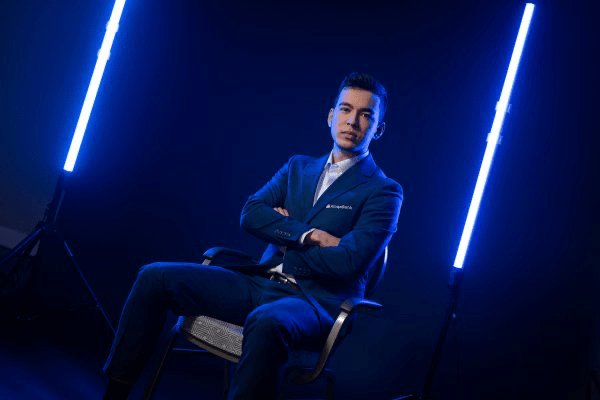
“Uzbekistan, the new chess superpower?” says the website of Europe Échecs, a French chess publication. The lead article in the January 2026 edition of the monthly magazine focuses on the extraordinary rise of Uzbek chess and shows photos of Nodirbek Abdusattorov and Javokhir Sindarov, two grandmasters from the Central Asian country who were atop the standings early this week in the Tata Steel Chess Tournament in the Netherlands. Abdusattorov and Sindarov faced each other in the ninth round on Tuesday, playing to a draw that kept both of them in the lead of the elite contest that ends on February 1 after 13 rounds. Abdusattorov was first with six points, while Sindarov was second with five and a half points. However, the race is tightening -- Sindarov now shares second place with 14-year-old Turkish prodigy Yağız Kaan Erdoğmuş and Dutch player Jorden van Foreest. Sometimes called the “Wimbledon of chess,” the Tata Steel event in the seaside town of Wijk aan Zee has attracted the game’s greats over many years. They have included Garry Kasparov, Anatoly Karpov and Magnus Carlsen. The presence of two Uzbek players in the 14-participant Masters competition this year is a testament to the depth of top-tier talent in Uzbekistan, which is challenging India and other top chess nations in the world. Born in Tashkent, 21-year-old Abdusattorov became a grandmaster at the age of 13 and is ranked twelth in the world with a rating of 2751. He has previously competed in the Tata Steel event, finishing in the top three in the last three years, according to the tournament. He won the FIDE World Rapid Chess Championship in 2021 and was part of the team from Uzbekistan that won gold at the 2022 Chess Olympiad in Chennai, India. FIDE is the international governing body of chess. “It made us realize that we aren't just ‘participants´ anymore; we are contenders,” Rayhona O'ktamova of Uzbekistan wrote in a Chess.com blog titled: “Why Everyone is Suddenly Talking About Uzbekistan.” “What I love most isn't just the trophies, it's how the atmosphere in our country changed,” O´ktamova said. “Before, if a kid said ‘I want to be a professional chess player,´ parents might say, ‘Maybe study something more serious?´ But now? You see kids in every park with a board. Chess has become our ‘national sport.´ It’s our art, our marathon, and our pride.” Sindarov, who was also born in Tashkent, is another high performer. The 20-year-old was 12 when he became a grandmaster and now has a world ranking of 21 and a rating of 2726. He won the FIDE World Cup in 2025, qualifying for this year’s Candidates Tournament, which determines who can challenge the world champion. The current champion is India’s Gukesh Dommaraju. “I hope this is just the beginning — the victories of Uzbek chess will only grow from here,” Sindarov said after winning the FIDE World Cup. Alongside Abdusattorov, Sindarov was also in Uzbekistan’s winning team at the 2022 Chess Olympiad. The city of...
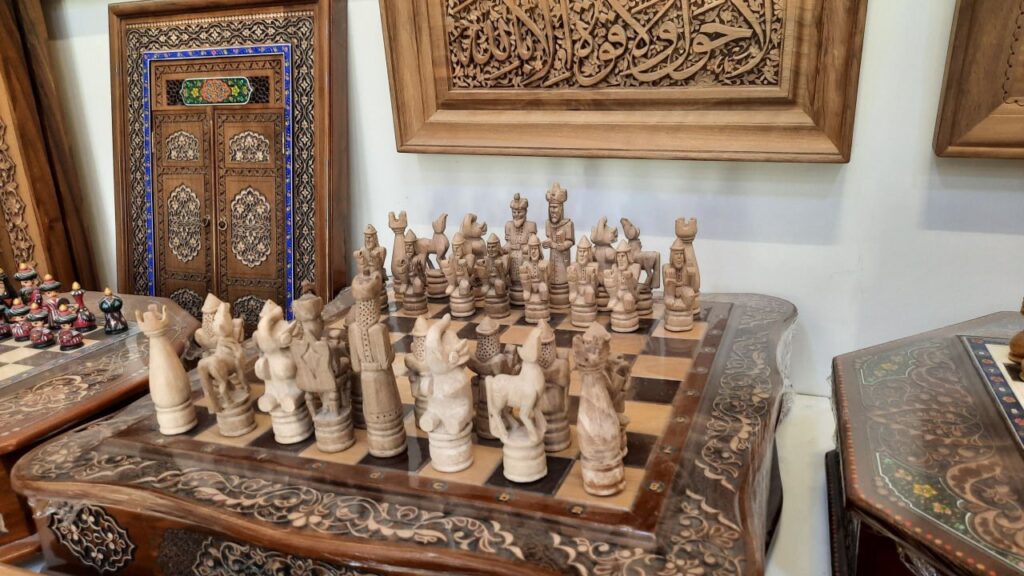

Uzbek Chess Surges at Elite Tata Steel Event in Netherlands

Uzbek grandmasters Nodirbek Abdusattorov and Javokhir Sindarov lead in the standings after the half-way mark in the prestigious Tata Steel Chess Tournament, currently underway in the Netherlands. Abdusattorov is in the top position with five and a half points after key victories in the Masters category, benefiting in the sixth round from a blunder by world champion Gukesh Dommaraju that cost the Indian a rook and led him to resign soon afterward. Abdusattorov then beat top seed Vincent Keymer of Germany in the seventh round, though he lost in the next game to Anish Giri of the Netherlands. The Uzbek grandmaster has won four games and drawn three times. Sindarov is unbeaten in second place with five points, after two wins and six draws. Hans Niemann of the United States is third in the standings with four and a half points. Players get one point for a win, half a point for a draw and zero points for a loss. The Tata Steel tournament, one of the toughest chess events of the year, runs from January 16 to February 1 in the seaside town of Wijk aan Zee. Round nine starts on Tuesday. There are a total of 13 rounds.

Uzbekistan Among Countries Affected by Lactalis Infant Formula Recall

French dairy conglomerate Lactalis has announced a voluntary recall of several batches of its Picot infant milk formula, citing concerns over potential contamination with a toxin. The recall affects products distributed in France and more than a dozen other countries, including Uzbekistan, according to Al Jazeera, which cited a company statement. Lactalis reported that six batches of Picot infant formula, sold in pharmacies and major retail chains, are being withdrawn following the detection of cereulide in one ingredient supplied by an external provider. Cereulide is a heat-stable toxin that can cause gastrointestinal symptoms such as vomiting and diarrhea. In its statement, the company acknowledged that the recall may alarm parents of young children but emphasized that the move is a precautionary measure. The recall is voluntary and specific to the contaminated ingredient, not the entire Picot product range. Outside France, the recall impacts consumers in Australia, Chile, China, Colombia, the Democratic Republic of Congo, Ecuador, Spain, Madagascar, Mexico, Uzbekistan, Peru, Georgia, Greece, Kuwait, the Czech Republic, and Taiwan. A company spokesperson told AFP that only “a few batches” are involved in each country. Lactalis confirmed that no adverse health incidents linked to the affected formula have been reported to French authorities, and no illnesses have been officially attributed to the recalled products to date. This follows a similar recall earlier in the year by Nestlé, which voluntarily withdrew certain baby food products due to concerns over cereulide contamination. That recall, initiated in January, was also described as precautionary. Lactalis stated it is working closely with distributors and public health authorities to ensure the prompt removal of the affected products from shelves and to inform consumers of recall procedures.

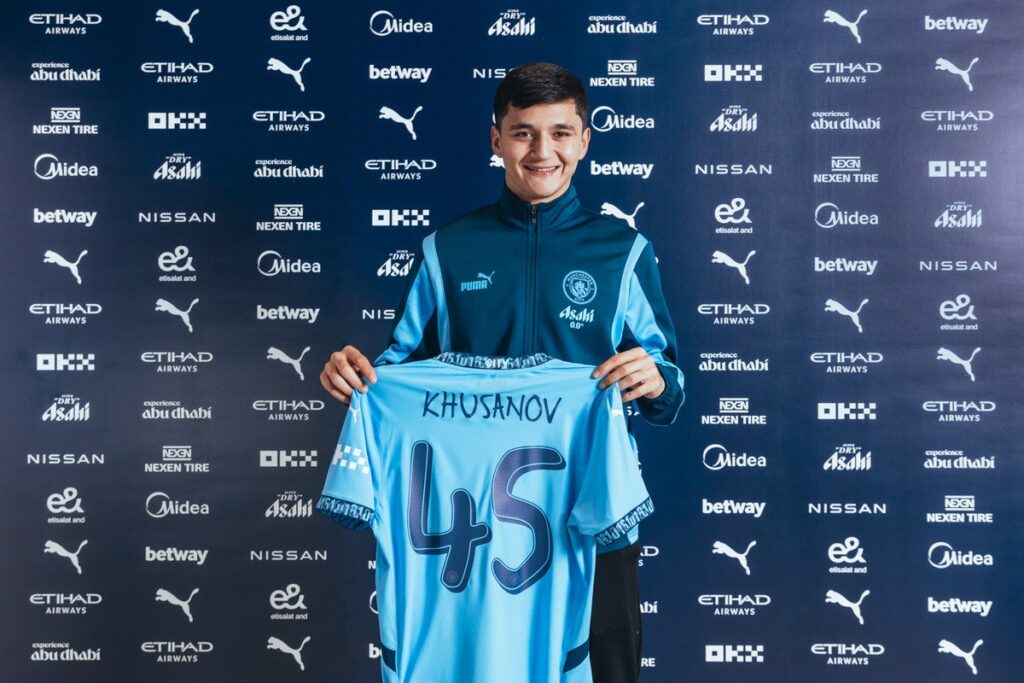
Guardiola Praises Uzbekistan’s “Top” Khusanov After Champions League Start

Manchester City head coach Pep Guardiola has praised Uzbek defender Abduqodir Khusanov for his standout performance and professionalism, before the club’s UEFA Champions League clash with Norway’s Bodo/Glimt. Guardiola’s remarks were shared by City Xtra on X following the pre-match press conference. “Just read the media, how they praised Khusanov. They’re right. He’s top,” Guardiola said. “We don’t have complaints. The last game he was exceptional and the previous one as well. We’re really pleased.” Manchester City lost 3-1 to Bodo/Glimt on January 20, in the seventh round of the Champions League. Khusanov started the match and played the full 90 minutes, anchoring City’s defense throughout. Guardiola commended Khusanov’s attitude during a period of limited playing time earlier in the season. “After Arsenal, a month without playing, and you cannot imagine how he behaved in training and in the locker room. That defines Khusanov,” he said. The manager attributed the defender’s discipline and adaptability to his formative years in Uzbekistan and his stint in France prior to joining the Premier League champions. “He listened, he learned, and of course his condition is exceptional,” Guardiola added. “Manchester City will have a central defender for many, many years, and at a top, top level.” According to statistics from SofaScore, Khusanov was a key figure in City’s build-up play, registering 110 touches and completing 94 of 96 passes, a 98% accuracy rate. SofaScore rated his overall performance at 6.3/10. Defensively, Khusanov made eight key actions, including three interceptions, three clearances, and five ball recoveries. He won both of his ground duels, though he was less successful in aerial challenges, losing all three attempts.

Epiphany in Central Asia: Orthodox Traditions and Regional Unity

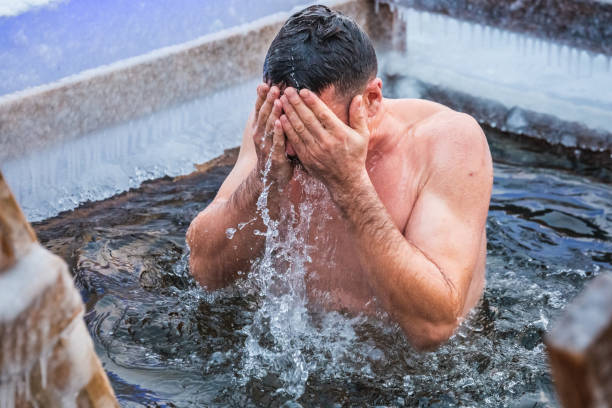
On the night of January 18-19, Orthodox Christians across Central Asia gather at frozen rivers and lakes to celebrate the feast of Epiphany by plunging into icy waters, three times each, in line with tradition. Though rooted in the Christian faith, this ritual has evolved into a broader cultural event, drawing participation from people of many backgrounds. A Test of Faith and Endurance In Central Asia, Epiphany coincides with some of the coldest days of the year, often referred to as the "Epiphany frosts." Despite subzero temperatures, participation in ice bathing continues to grow. According to Orthodox tradition, Epiphany commemorates the baptism of Jesus in the River Jordan. While the climate in Israel was mild, believers in the region embrace the symbolic cleansing despite the extreme cold. The Orthodox Church does not consider ice bathing a requirement for the faithful. Instead, the central ritual of the holiday is the Great Blessing of Water, performed both on Epiphany and the evening before. Priests encourage believers to collect holy water from churches, sprinkle it throughout their homes, and drink it in small amounts on an empty stomach. Many believe this brings health and protection for the year ahead. Nevertheless, in the main Orthodox churches of Central Asia, fonts and pools are prepared for those who wish to immerse themselves. Designated ice holes are also opened in lakes and rivers for traditional bathing. Strict Safety Measures in Kazakhstan In Kazakhstan, authorities take extensive precautions to ensure public safety during Epiphany bathing. In Astana, the celebration began with a religious procession from the Constantine and Helen Cathedral to the embankment of the Ishim River, where the water was consecrated despite temperatures dipping to minus 30 degrees Celsius. Warm changing rooms were provided, and teams from the Ministry of Emergency Situations, along with paramedics and rescue personnel, were on hand throughout the night. In Almaty, where temperatures hovered around minus 15 degrees, Epiphany fonts were set up at 10 churches. Authorities reminded residents that swimming in non-designated natural bodies of water is prohibited due to the risk of slipping or falling through the ice. However, safety teams and patrols were stationed at approved bathing sites, including the Bolshaya Almatinka, Malaya Almatinka, Butakovka, Goryachiy Istochnik, and Gorenik rivers. Officials advised those with cardiovascular or endocrine conditions to avoid the ritual and warned against participating while intoxicated. A Cultural Tradition Embraced by Many Over time, Epiphany bathing in Central Asia has grown beyond a strictly religious practice. In Kazakhstan, many ethnic Kazakhs and other non-Christian residents eagerly take part, viewing the ritual as a source of health and vitality. It has become a powerful symbol of interethnic and interfaith unity in the region. While Muslim clerics typically do not encourage participation, they generally refrain from direct criticism, recognizing the tradition's broader cultural significance. Orthodox priests also emphasize that the ritual is more custom than doctrine, open to anyone. Some compare Epiphany bathing to the festive atmosphere of Kurban Ait, when Muslims share food in public spaces. Likewise,...

Mapping the Inner Landscape: An Interview with Oyjon Khayrullaeva

In recent years, a new generation of Uzbek artists has begun to reshape how culture, history, and identity are visually narrated. Among them is Oyjon Khayrullaeva, whose practice moves fluidly between photography, digital collage, and large-scale public installations. Born after independence and largely self-trained outside formal art institutions, Khayrullaeva works with inherited visual languages such as Islamic ornament and traditional textiles, reassembling them into contemporary forms that speak to the present moment. Her recent project for the Bukhara Biennial, called “Eight Lives,” marks a turning point in this exploration. Installed in the public and historical spaces of the ancient city, the work consists of monumental mosaic organs that connect physical vulnerability with emotional states and collective memory. Through the human body, Khayrullaeva maps experiences of anxiety, healing, spirituality, and social pressure, transforming ornament into anatomy and architecture into inner landscape. The Times of Central Asia spoke with the artist to trace how Eight Lives emerged, how collaboration with mosaic masters shaped its final form, and how audiences in Uzbekistan are responding to seeing contemporary art in public spaces. TCA: Can you tell me about your beginnings as an artist? Did you always want to become one? Khayrullaeva: From early childhood, my parents noticed that there was something a bit unusual about me. My father has always called me - and still does - an “alien,” because I’m probably the only person in my family who chose a creative path. No one else in my family has been involved in art, at least not for the past seven generations. I was always a creative child, but I never imagined that I would become an artist. As a child, I tried many things; I went to music school, studied piano, and attended various creative clubs. Still, the idea of pursuing art professionally never crossed my mind. Becoming an artist was, in many ways, an unexpected turn in my life. For a very long time, honestly, until around the age of 24, I had no clear idea of what I wanted to do or what my profession would be. I was never certain about it. So yes, life is an interesting thing. You never really know where it’s going to lead you. TCA: Your artistic journey began with photography before evolving into digital collage. How did your early work in photography shape the way you now approach layering, texture, and composition in your digital pieces? Khayrullaeva: When I was around 17 or 18, I became interested in photography. At that time, I didn’t have a camera, so I was shooting with my phone. For my birthday, I was given some money, and I decided to use it to buy a camera. My father added a bit more, and I bought my very first one. It was an incredible feeling taking photos, holding the camera, and shooting. Mobile photography and working with a camera are completely different experiences, and that difference brought me so much joy. I remember the pure pleasure of photographing everything...