• KZT/USD = 0.00226
  • TJS/USD = 0.10830
  • UZS/USD = 0.00009
  • TMT/USD = 0.29760
  • KZT/USD = 0.00226
  • TJS/USD = 0.10830
  • UZS/USD = 0.00009
  • TMT/USD = 0.29760
  • KZT/USD = 0.00226
  • TJS/USD = 0.10830
  • UZS/USD = 0.00009
  • TMT/USD = 0.29760
  • KZT/USD = 0.00226
  • TJS/USD = 0.10830
  • UZS/USD = 0.00009
  • TMT/USD = 0.29760
  • KZT/USD = 0.00226
  • TJS/USD = 0.10830
  • UZS/USD = 0.00009
  • TMT/USD = 0.29760
  • KZT/USD = 0.00226
  • TJS/USD = 0.10830
  • UZS/USD = 0.00009
  • TMT/USD = 0.29760
  • KZT/USD = 0.00226
  • TJS/USD = 0.10830
  • UZS/USD = 0.00009
  • TMT/USD = 0.29760
  • KZT/USD = 0.00226
  • TJS/USD = 0.10830
  • UZS/USD = 0.00009
  • TMT/USD = 0.29760
26 September 2026

Our People > Aidar Borangaziyev

Aidar Borangaziyev's Avatar

Contributor

Articles

Taliban and its Neighbors: A Regional Format for Overcoming Challenges in Afghanistan and Beyond

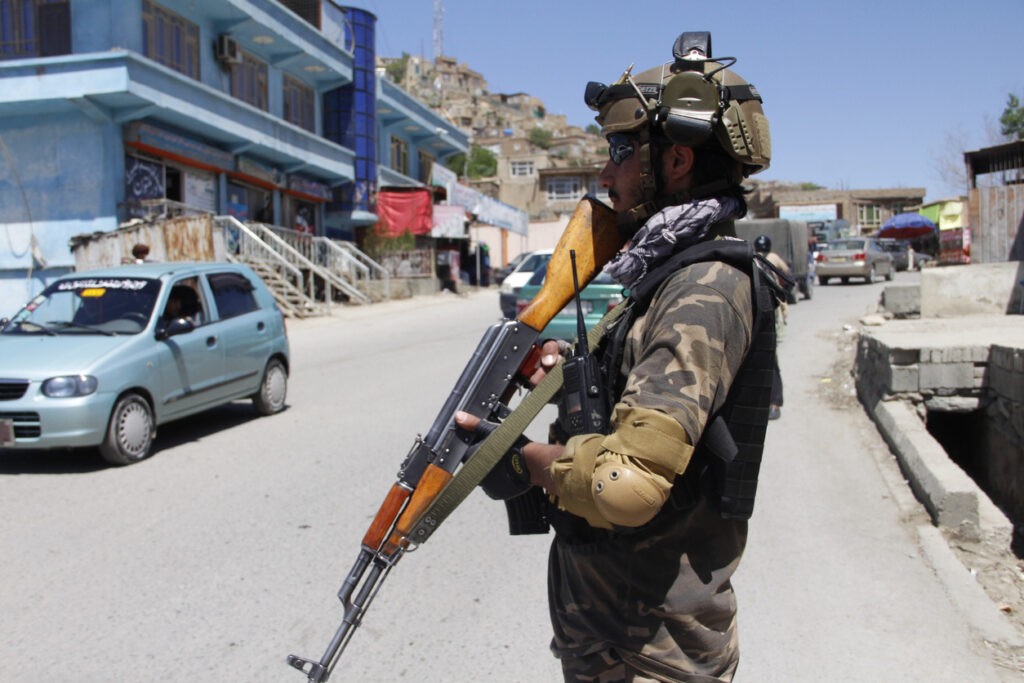
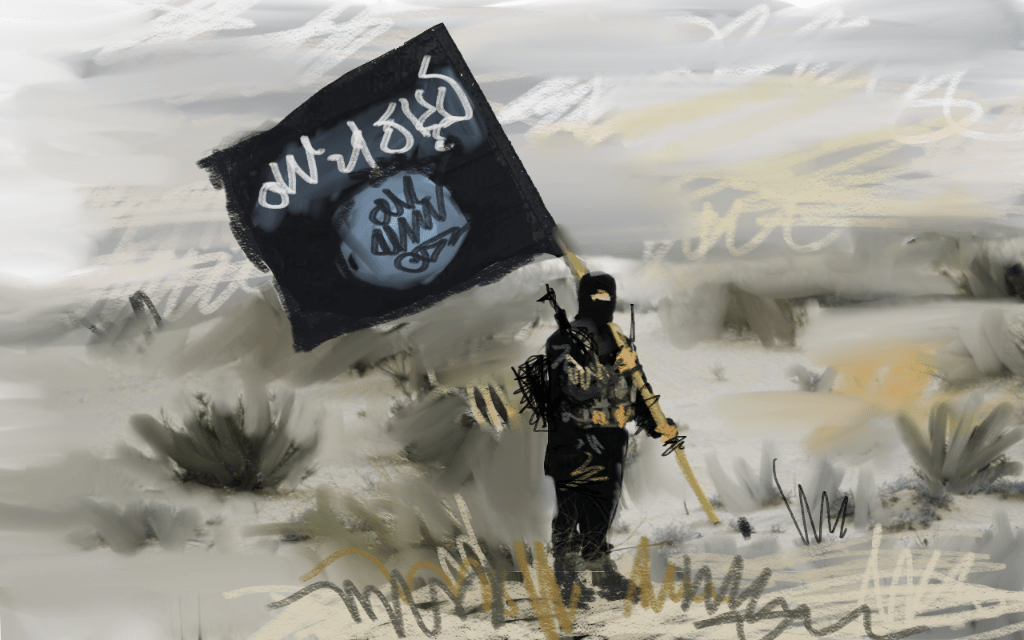
The process of making Afghanistan an independent economic entity that can work constructively within globally accepted economic standards and formats will require addressing pressing security issues as well as strengthening regional partnerships and cooperation. In the long term, this will not only benefit the people of Afghanistan but also its neighbors, as well as the Central Asian republics, who still need to realize their full transit and transport potential to best respond to the world’s changing needs in a new geopolitical environment. While there is currently emphasis on increasing bilateral trade, this in itself will not cure the economic and other problems ailing Afghanistan. Strategic infrastructure projects, in particular, will play a key role in ensuring the long-term economic stability of this country. The Taliban Government is already reaching out to regional neighbors in a new way since it regained power in 2021. Some of the existing regional cooperation structures can be molded to provide a platform for dialogue and collaboration with Afghanistan. Modern realities dictate to the region the need to quickly overcome existing differences in intra-regional relations and create a new model. To this end, the states in the region surrounding Afghanistan should build a system of coordinated and cohesive measures and approaches with security as a key consideration, bringing Afghanistan into the fold to serve mutual interests through regional development.   Rapprochement or a de facto relationship with regional states? Recently, the Taliban Government in Afghanistan has been fairly successful in developing cooperation with neighboring countries. It seems that, as opposed to focusing solely on isolation from the West, the current regime has chosen to start actively establishing ties with states in the region, placing the main emphasis of their foreign policy on regional governments who are more interested in pragmatism than ideological prerequisites when it comes to their affairs with Afghanistan. If, for Pakistan and Iran, various forms of cooperation with Afghanistan are historically understandable, then for the Central Asian republics, the Taliban’s openness to broader dialogue, along with the promotion of mutual economic interests, allows for the prospect of transforming the whole region into a fully-fledged, self-sufficient collective unit within the larger global system. To achieve this, Central Asian countries must still overcome narratives of the past, develop common approaches (including through regional formats), and practically see Afghanistan as a genuine partner. In the meantime, states in the region are largely acting intuitively rather than with a calculated strategic depth, or strictly weighing the benefits of building trade relations with Afghanistan’s new authorities. That said, regional players still follow different vectors and act according to their own circumstances despite a common desire to see a stable neighbor in Afghanistan. For Islamabad, for instance, the main trigger in relations with Kabul is the Pakistani Taliban, known as Tehrik-e-Taliban Pakistan, or TTP. Tehran, on the other hand, seeks to protect the Shiite minority in Afghanistan and see their participation in an inclusive government, but at the same time, builds dialogue with the Taliban, including on border security...

2 years ago

The Priority of Maintaining a United and Stable Afghanistan

The issue of inter-ethnic relations in Afghanistan affects not only the country itself but also its surrounding region. Recent history has placed a heightened importance on the “nation” question in Afghanistan in terms of the country’s political and social stability. Since regaining power in 2021, the de facto Taliban authorities have focused primarily on social policies to respond to the people’s immediate needs as well as on implementing trade and economic cooperation with regional countries to realize the geo-economic potential of the country. To a large degree, they have been successful in these endeavors. The important question now is how the Taliban will work to synthesize various ethnic groups into a society that has a strong identity as a nation while preserving the Pashtun status quo and the legacy of Durrani statehood. Afghanistan in its current state is not ready for a federal structure, and outside actors pushing this now could possibly undermine its stability. On the other hand, the country and the wider region have a long history of diverse ethnic and national groups managing to find a way to coexist and function effectively. As the Afghan people try to overcome humanitarian crises and focus on their economic and social recovery, the Taliban’s strategy will likely continue to be based on the consolidation of ethnic groups around itself and under the umbrella of Islam, supported by measures of assimilation and expansion, as Pashtun rulers did in the country’s history. Understanding the historical role of ethnicity and nationality in Afghanistan So far, no modern regime in Afghanistan has been able to significantly advance the idea of “Afghan nationalism,” reflecting the national unity of the country’s people. Slogans about “one nation” have always been promoted by the capital, but did not necessarily reflect realities on the ground. The latest (2004) republican constitution states in its Article 4 that the Afghan nation consists of “Pashtuns, Tajiks, Hazaras, Uzbeks, Turkmen, Baluchis, Pashais, Nuristans, Aimaks, Arabs, Kyrgyz, Qizilbash, Gujars, Brahuis and other tribes,” and that the word “Afghan” applies to every citizen of Afghanistan. This multinational state has so far shown stability in its ethnic groups, but cannot demonstrate their synthesis into a society with a strong self-identification as the Afghan nation, and the term “Afghan” continues to serve as an exonym, a general name for the inhabitants of the country. After regaining power in 2021, the Taliban worked to stop a bloody civil war that had begun in 1978, but faced a set of problems including the big “national question.” Against the backdrop of demands from the international community to ensure an inclusive government, the idea of federalism is once again being brought up in information spheres, which, according to its few supporters, presents the only way to ensure long-term peace in this diverse country. Discussions about federalism in Afghanistan are not new and are largely connected to events in recent history, primarily the civil war that began in 1978 with the “April Revolution.” That said, there has not been enough technical analysis...

2 years ago