
• KGS/USD = 0.01144 0%
  • KZT/USD = 0.00201 0%
  • TJS/USD = 0.10581 0%
  • UZS/USD = 0.00008 0%
  • TMT/USD = 0.28571 0%
  • KGS/USD = 0.01144 0%
  • KZT/USD = 0.00201 0%
  • TJS/USD = 0.10581 0%
  • UZS/USD = 0.00008 0%
  • TMT/USD = 0.28571 0%
  • KGS/USD = 0.01144 0%
  • KZT/USD = 0.00201 0%
  • TJS/USD = 0.10581 0%
  • UZS/USD = 0.00008 0%
  • TMT/USD = 0.28571 0%
  • KGS/USD = 0.01144 0%
  • KZT/USD = 0.00201 0%
  • TJS/USD = 0.10581 0%
  • UZS/USD = 0.00008 0%
  • TMT/USD = 0.28571 0%
  • KGS/USD = 0.01144 0%
  • KZT/USD = 0.00201 0%
  • TJS/USD = 0.10581 0%
  • UZS/USD = 0.00008 0%
  • TMT/USD = 0.28571 0%
  • KGS/USD = 0.01144 0%
  • KZT/USD = 0.00201 0%
  • TJS/USD = 0.10581 0%
  • UZS/USD = 0.00008 0%
  • TMT/USD = 0.28571 0%
  • KGS/USD = 0.01144 0%
  • KZT/USD = 0.00201 0%
  • TJS/USD = 0.10581 0%
  • UZS/USD = 0.00008 0%
  • TMT/USD = 0.28571 0%
  • KGS/USD = 0.01144 0%
  • KZT/USD = 0.00201 0%
  • TJS/USD = 0.10581 0%
  • UZS/USD = 0.00008 0%
  • TMT/USD = 0.28571 0%
24 February 2026

Our People > Davide Cancarini

Davide Cancarini's Avatar

Journalist

Davide Cancarini is an independent researcher and freelance journalist based in Italy. He holds a PhD in Institutions and Policies from the Università Cattolica del Sacro Cuore in Milan and has worked extensively on Central Asian affairs. His articles and research have been published in various national and international outlets and for numerous think tanks.

Articles

India and Pakistan: A Central Asian Perspective on Two Military Giants

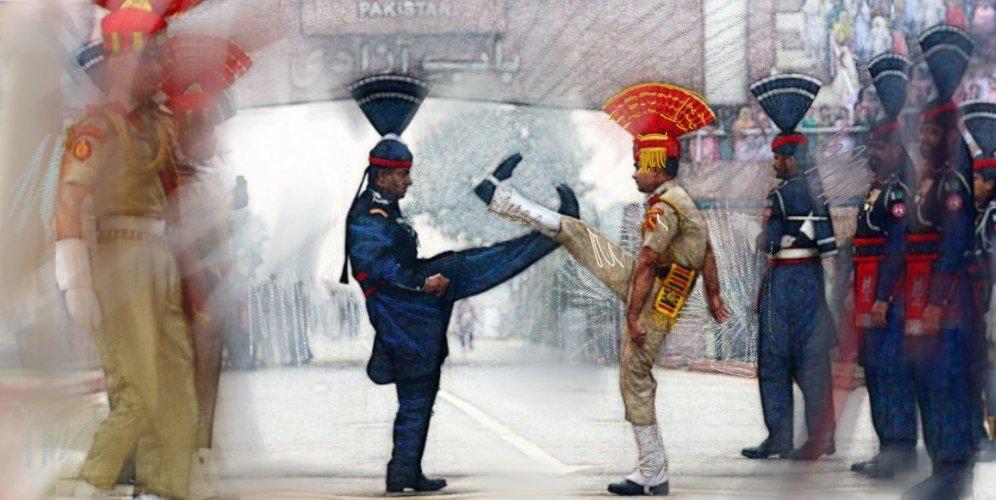
The new round of heavy clashes involving India and Pakistan over the disputed region of Kashmir – then settled by a bilateral adherence to a “full-scale ceasefire” – has also been a confrontation involving the players surrounding the two Asian giants. The involvement of some of them took place in plain sight: take the case of Turkey's President Recep Tayyip Erdoğan, a staunch ally of Pakistan, which sent the country a military ship and a group of fighter jets. Or China, which in recent years has invested tens of billions of dollars in Pakistan under the Belt & Road Initiative, and has become by far the largest supplier of military equipment to Islamabad. Beijing immediately called on both sides to engage in diplomacy. On the Indian front, as reported by recent research on the subject, New Delhi is purchasing weapons from an increasingly varied group of countries, including Russia, France, Israel and the United States. The ceasefire saw direct involvement from Washington, which acted as mediator between the two sides. Given also its geographical proximity to the Indian subcontinent, when it comes to Central Asia it is clear that the region may be called into question in any confrontation between India and Pakistan – or that, at least, would be heavily affected by it. During the strikes carried out by India against Pakistan following the deadly attack in Indian-controlled Kashmir, the Indian media emphasized the strategic role that the military base India allegedly operates in Tajikistan could play in a possible open confrontation with Pakistan. Indian experts pointed out that the base could have given New Delhi the ability to strike Pakistan from the west, seriously compromising Islamabad's air defense capabilities. Furthermore, China was also called into question in India's alleged use of the military outpost, as New Delhi is said to be monitoring China's movements on the northern front using its presence in Tajikistan. This base is Ayni Airbase, a Soviet-era military facility located near the Tajik capital Dushanbe. The facts we know for certain point to an Indian involvement in the Tajik base which appears to have ended around 2015. In 2002, India, in collaboration with Tajikistan and Russia, financed an operation to refurbish the base, investing around $70 million in the project. Among the changes made was the lengthening of the runway, which was intended to ensure that it could be used by aircraft operated by the Indian armed forces. As also stated in the report on Central Asian armed forces drafted by the DC-based The Oxus Society for Central Asian Affairs, after a phase in which it seemed that India would play a concrete role in the management of the base, Dushanbe subsequently backtracked, partly due to pressure from Russia. The same path was followed by New Delhi's involvement in the Farkhor airbase, initially used to reach Afghanistan by land by landing Indian cargo planes at the base, located near the border between Tajikistan and Afghanistan. Over the years, the logistical importance of the structure gradually...

10 months ago

Central Asia Creates a Rift in the Turkic World Over Cyprus

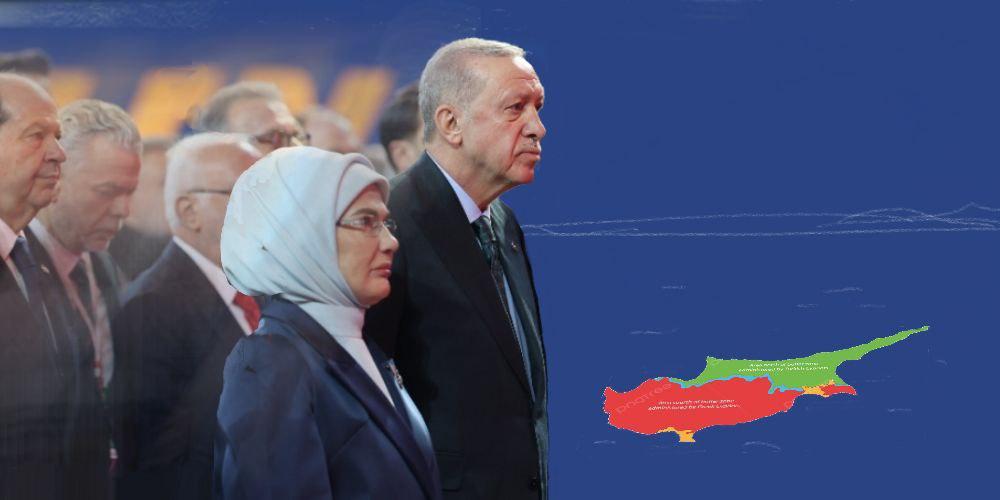
Since the beginning of the Russian invasion of Ukraine, the five Central Asian republics have been performing a very complex balancing act. In some cases, this dynamic has forced them to make difficult decisions from a geopolitical point of view. This is the case with what has happened in recent weeks regarding diplomatic recognition of the Republic of Cyprus, a member of the European Union since 2004. Between December 2024 and the end of March 2025, Uzbekistan, Kazakhstan and Turkmenistan have each appointed diplomatic representatives in the Republic of Cyprus. Kazakhstan has decided to open its own embassy in Cyprus directly, while Uzbekistan and Turkmenistan have accredited their respective ambassadors in Italy as diplomatic representatives for the Eastern Mediterranean Island also. Looking at the calendar, it doesn't seem to be a coincidence that these decisions were taken in the weeks leading up to the first historic summit between the European Union and Central Asia at the level of heads of state and government. The fourth point of the official joint declaration issued at the end of the meeting clarifies the matter: the text clearly states the support of the parties involved - the European Union and Central Asia - for United Nations Security Council Resolutions 541 (1983) and 550 (1984). These two resolutions make it clear that the only recognized authority on the island is that of the Republic of Cyprus. In recent years, there has been no shortage of explicit references to the Cyprus issue in relations between the European Union and Central Asia. This was the case, for example, in September 2023: during a conference in Brussels, Kazakhstan, Uzbekistan, Turkmenistan, Kyrgyzstan, and Tajikistan were warned against officially accepting the Turkish Republic of Northern Cyprus (TNRT) as an observer member of the Ankara-led Organization of Turkic States (OTS). Dietmar Krissler, head of the European External Action Service's Central Asia desk, spoke of the possible “negative effects” for the Central Asian members if they were to ratify TRNT's access to the Organization as an observer. Returning to the summit held in Samarkand at the beginning of April, the President of the European Commission, Ursula von der Leyen, announced during the discussions that €12 billion would be invested in Central Asia in various sectors. By also using the prospect of these investments, the European Union's diplomatic pressure on the Central Asian republics over Cyprus has been successful. As BBC Türkçe reports, this is not just a formal declaration of intent: in the official joint statement, future cooperation is in fact closely linked to compliance with the principles contained in the two UN resolutions, a very clear position. From Turkey's point of view, however, the picture is quite different. Turkey is the only country in the world to officially recognize the TRNC, which became a self-proclaimed independent entity in 1984 after Turkey invaded part of the island in 1974. Over the years, Ankara’s pressure has succeeded in preventing relations between the Central Asian republics and the Republic of Cyprus from going as...

10 months ago