• KGS/USD = 0.01144 0%
  • KZT/USD = 0.00204 0%
  • TJS/USD = 0.10415 -0.19%
  • UZS/USD = 0.00008 0%
  • TMT/USD = 0.28571 0%
  • KGS/USD = 0.01144 0%
  • KZT/USD = 0.00204 0%
  • TJS/USD = 0.10415 -0.19%
  • UZS/USD = 0.00008 0%
  • TMT/USD = 0.28571 0%
  • KGS/USD = 0.01144 0%
  • KZT/USD = 0.00204 0%
  • TJS/USD = 0.10415 -0.19%
  • UZS/USD = 0.00008 0%
  • TMT/USD = 0.28571 0%
  • KGS/USD = 0.01144 0%
  • KZT/USD = 0.00204 0%
  • TJS/USD = 0.10415 -0.19%
  • UZS/USD = 0.00008 0%
  • TMT/USD = 0.28571 0%
  • KGS/USD = 0.01144 0%
  • KZT/USD = 0.00204 0%
  • TJS/USD = 0.10415 -0.19%
  • UZS/USD = 0.00008 0%
  • TMT/USD = 0.28571 0%
  • KGS/USD = 0.01144 0%
  • KZT/USD = 0.00204 0%
  • TJS/USD = 0.10415 -0.19%
  • UZS/USD = 0.00008 0%
  • TMT/USD = 0.28571 0%
  • KGS/USD = 0.01144 0%
  • KZT/USD = 0.00204 0%
  • TJS/USD = 0.10415 -0.19%
  • UZS/USD = 0.00008 0%
  • TMT/USD = 0.28571 0%
  • KGS/USD = 0.01144 0%
  • KZT/USD = 0.00204 0%
  • TJS/USD = 0.10415 -0.19%
  • UZS/USD = 0.00008 0%
  • TMT/USD = 0.28571 0%

Our People > Times of Central Asia

Times of Central Asia's Avatar

Articles

Kazakhstan Freezes Transit Cost of Russian Oil To China

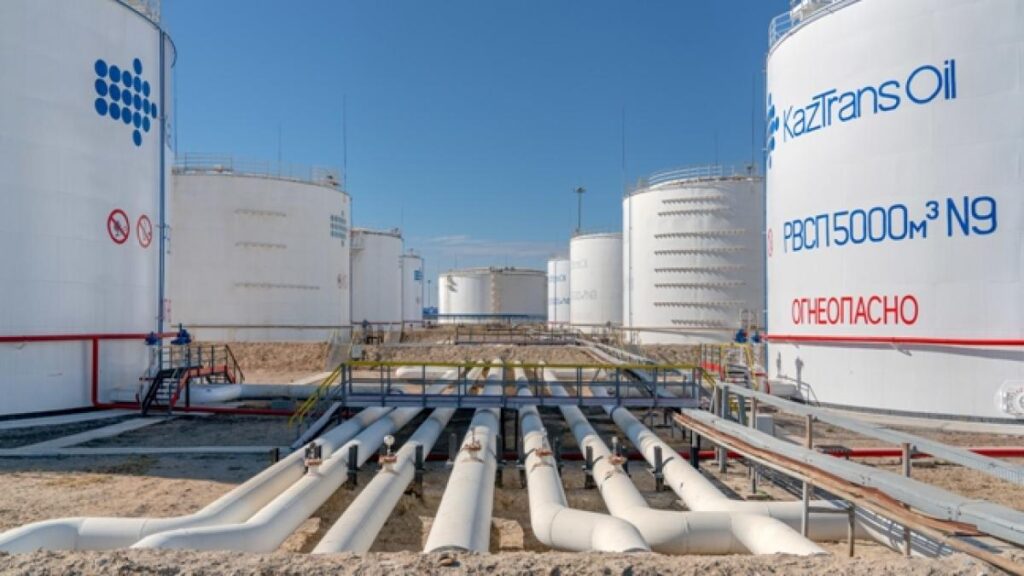
KazTransOil JSC, Kazakhstan’s national oil pipeline operator, on January 26th said it will freeze the cost of transiting Russian oil to China until 2034. Until December 31st 2033 the cost of transporting Russian oil to China through the territory of Kazakhstan will amount to $15 per ton (excluding VAT), the company said.   KazTransOil also said it has extended until December 31st 2033 its contract with Russia’s Rosneft oil company for the transportation of Russian oil through Kazakhstan to China. From 2014-2023, KazTransOil transported 91 million tons of Russian oil to China along the Atasu–Alashankou oil pipeline, which is part of the Kazakhstan-China main oil pipeline system and belongs to Kazakhstan-China Pipeline LLP, a joint venture of KazTransOil JSC (50%) and China National Oil and Gas Exploration and Development Company Ltd (50%). The design capacity of the Atasu–Alashankou pipeline is 20 million tons of oil per year. Russia has been seeking to increase its oil exports to China after western sanctions were imposed on its exports over its invasion of Ukraine. 

2 years ago

“Close Your Windows, Avoid Outdoor Exercise” – Residents Fear Air Pollution in Tashkent

On the afternoon of January 27th local time, the level of PM2.5 (fine particles) pollution in the air in Tashkent surpassed the level recommended by the World Health Organization by 23.2 times, according to data from the U.S. Embassy Tashkent AirNow monitoring station. This ranked Uzbekistan’s capital as the third worst city in the world for air pollution, leading to warnings to “avoid outdoor exercise, close your windows, wear a mask outdoors, and run an air purifier.” Thirty-times thinner than a human hair, PM2.5 particles are widely regarded as the most harmful to health.[/vc_column_text][vc_single_image image="14067" img_size="full" el_class="scond-image" parallax_scroll="no" woodmart_inline="no"][vc_column_text woodmart_inline="no" text_larger="no"]Tashkent has been grappling with a serious air pollution crisis for years, and has been consistently ranked among the cities with the highest levels of air pollution worldwide. Several factors contribute to the escalating levels of air pollution in Tashkent. The Ministry of Ecology, Environmental Protection and Climate Change of Uzbekistan has highlighted increasing emissions from coal-burning heat and power plants, motor vehicles, illegal tree felling, and unauthorized construction activities as the key contributors. The number of vehicles in Tashkent has also increased by 32% from 3.14 million in 2021 to 4.6 million in 2023. The majority of these vehicles use A-80 gasoline, a fuel type that does not meet international standards and emits a significant number of pollutants. Moreover, coal usage for electricity generation has also increased, rising from 3.9 million tons in 2019 to 6.7 million tons by the end of 2023, whilst Tashkent's geographical location, surrounded by mountains, exacerbates the problem as it prevents the polluted air from being dispersed by wind.[/vc_column_text][vc_single_image image="14068" img_size="full" el_class="scond-image" parallax_scroll="no" woodmart_inline="no"][vc_column_text woodmart_inline="no" text_larger="no"]In response to this environmental crisis, earlier this month the Ministry proposed several measures including banning motor fuel below the Euro-4 standard, restricting the movement of heavy cargo vehicles during rush hours, banning vehicles manufactured before 2010, promoting electric vehicles, reducing congestion by implementing an odd-even scheme for vehicle movement, pedestrianizing city centers, transitioning public transport to electric and gas-cylinder fuel, imposing a moratorium on construction except for facilities of social and state significance, banning the use of coal for industrial purposes in the Tashkent region, and creating a “green belt” around the city.[/vc_column_text][vc_single_image image="13668" img_size="full" el_class="scond-image" parallax_scroll="no" woodmart_inline="no"][vc_column_text woodmart_inline="no" text_larger="no"]Despite these proposed measures, with such commitments having been made previously, many remain unconvinced about the government's commitment to combating air pollution. "It is now safer to live in Chernobyl than in Tashkent,” Journalist Nikita Makarenko wrote on Telegram. “Where are the measures to reduce cars? Where are the paid parking lots; where are the measures to raise the price of owning a car? Where is the public transport?" Earlier this month, activists in the capital staged a protest to voice their concerns, complaining that the city feels like it is covered in a constant layer of fog which “smells like smoke” and fearing that the government’s response may prove to be a “one-off,” when a long-term strategy is desperately needed. Tashkent is not alone in the region –...

2 years ago

Visit of a Delegation from Turkmenistan to Japan: Prospects for Cooperation

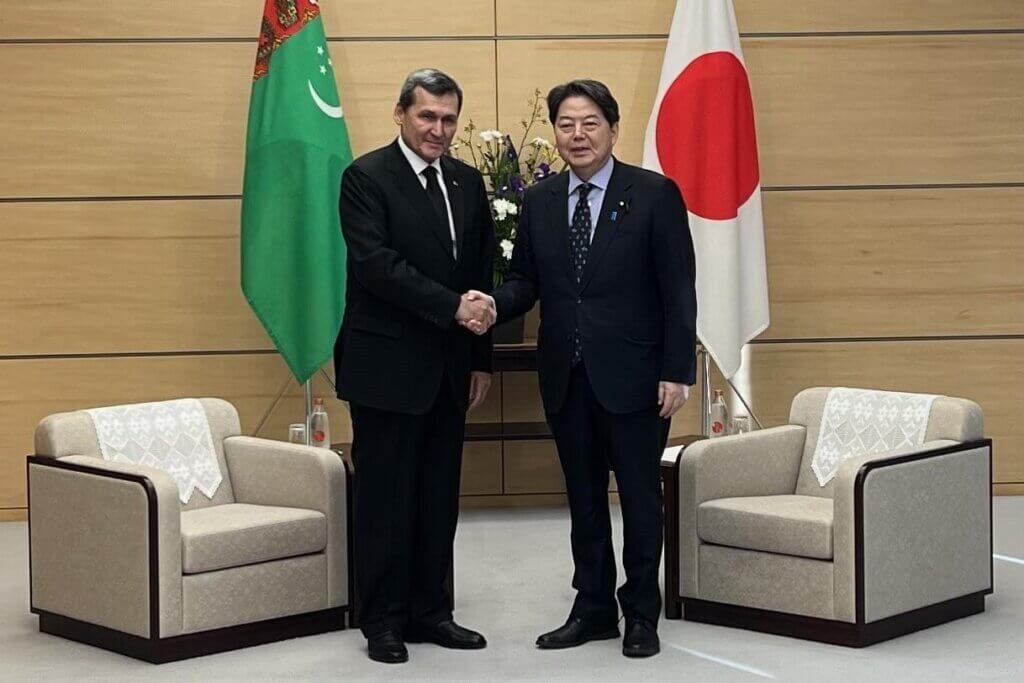
Turkmen Foreign Minister Rashid Meredov led a delegation from Turkmenistan, which visited Japan from January 22nd to 23rd. During the visit, the development of bilateral cooperation and the organization of the first Summit of Heads of State of the Central Asia-Japan Dialogue were discussed. According to information received from the Ministry of Foreign Affairs of Turkmenistan, the diplomats met with Yoshimashi Hayashi, Secretary General of the Japanese Cabinet of Ministers During the visit, they discussed the involvement of Japanese companies in the export of high value-added products, diversification of project financing, study of experience in "green" and hydrogen energy, as well as the creation of modern high-tech industries. According to the Ministry of Foreign Affairs of Turkmenistan, Japanese companies showed great interest in cooperation in infrastructure and energy transition. Meredov also met with Ken Saito, the Minister of Economy, Trade and Industry of Japan. A number of important issues related to cooperation between Central Asia and Japan were discussed. A proposal was made to hold the next Ministerial Dialogue on Energy Economy within the framework of the Dialogue "CA+Japan". The topic of developing a Roadmap on decarbonization, which will be aimed at reducing greenhouse gas emissions and transition to cleaner energy sources, was also touched upon. One of the key topics of discussion was the possibility of introducing the Joint Crediting Mechanism (JCM). This mechanism will allow the countries of Central Asia and Japan to share knowledge, technologies and resources in the field of reducing greenhouse gas emissions and transition to sustainable development. The topic of developing cooperation in the field of e-commerce was also touched upon. The idea is to create an electronic platform to improve trade relations between CA and Japan. This will reduce trade barriers and simplify procedures for importing and exporting goods. Finally, joint work in the field of hydrogen development and transportation technologies was discussed. Hydrogen is one of the promising sources of energy, and its efficient utilization can have a significant impact on addressing climate change. This meeting was an important step in strengthening cooperation between Turkmenistan and Japan in the fields of economy, trade and industry. It opens new perspectives for the development of the energy sector, industry, trade and technology.

2 years ago

Rain in Tashkent Reduced Air Pollution by Three Times

In the morning on the 25th of January in Tashkent, the level of air pollution by PM2.5 particles was 21 times higher than the World Health Organization (WHO) recommended limit, reaching 104.8 µg/m3. However, after the start of rain in the afternoon, there was a significant improvement in air quality, moving it from the "harmful" to the "medium" category, and the PM2.5 indicator decreased to less than 30 µg/m3. Rain helps improve air quality for several reasons. First, it helps clean particles and pollutants from the atmosphere by depositing them on the earth's surface through the process of atmospheric deposition, where rain drops capture particles and carry them to the ground. Rain also dilutes pollutants in the atmosphere, which reduces their concentration. It can also chemically interact with some pollutants, helping to remove them from the air.

2 years ago

Croatia To Transport Kazakh Oil To European Markets

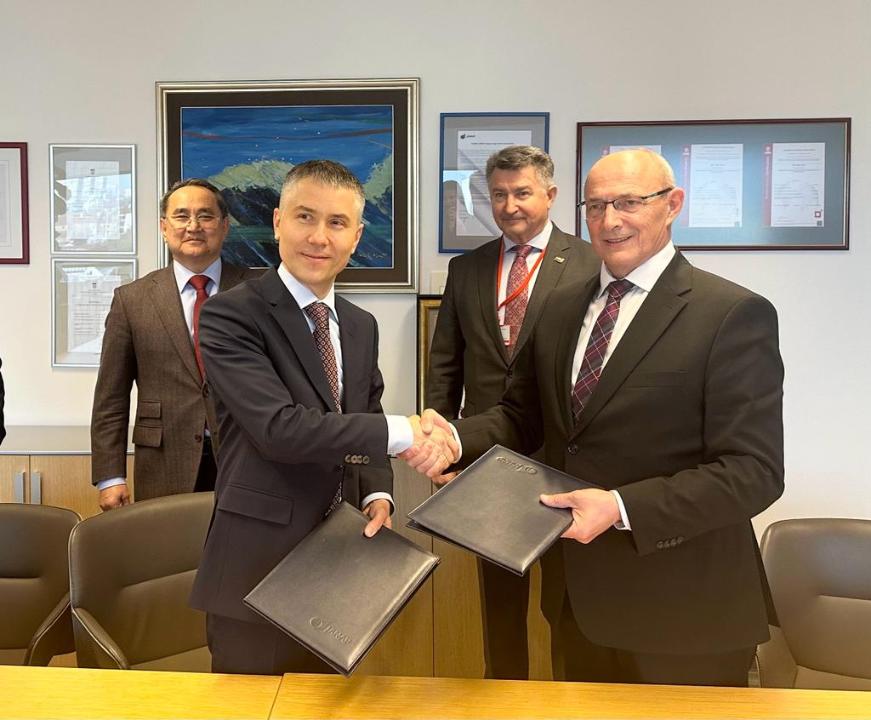
On January 24th a memorandum of understanding was signed in Zagreb, Croatia between Kazakhstan’s national oil and gas company KazMunayGas (KMG) and the operator of the Croatian oil pipeline system, Jadranski naftovod (JANAF). The memorandum was signed by the deputy chairman of KMG, Bulat Zakirov, and the chairman of JANAF, Stjepan Adanić. After the signing ceremony Mr. Adanić commented that the deal will strengthen exports of Kazakh oil to European markets. Kazakhstan's ambassador to Croatia Akylbek Kamaldinov, who attended the signing ceremony, emphasized that Kazakhstan is playing an important role in ensuring that the EU receives reliable supplies of energy resources. He noted that the partnership between KMG and JANAF will make a significant contribution to strengthening energy security. JANAF operates the oil terminal on the island of Krk and the Adria oil pipeline system in Croatia, which plays a key role in transporting oil and petroleum products to the countries of south-eastern Europe. From January-November 2023 more than $303 million worth of Kazakh oil was pumped along this route.  

2 years ago