• KGS/USD = 0.01143 -0%
  • KZT/USD = 0.00193 -0%
  • TJS/USD = 0.10881 0%
  • UZS/USD = 0.00008 0%
  • TMT/USD = 0.28575 0%
  • KGS/USD = 0.01143 -0%
  • KZT/USD = 0.00193 -0%
  • TJS/USD = 0.10881 0%
  • UZS/USD = 0.00008 0%
  • TMT/USD = 0.28575 0%
  • KGS/USD = 0.01143 -0%
  • KZT/USD = 0.00193 -0%
  • TJS/USD = 0.10881 0%
  • UZS/USD = 0.00008 0%
  • TMT/USD = 0.28575 0%
  • KGS/USD = 0.01143 -0%
  • KZT/USD = 0.00193 -0%
  • TJS/USD = 0.10881 0%
  • UZS/USD = 0.00008 0%
  • TMT/USD = 0.28575 0%
  • KGS/USD = 0.01143 -0%
  • KZT/USD = 0.00193 -0%
  • TJS/USD = 0.10881 0%
  • UZS/USD = 0.00008 0%
  • TMT/USD = 0.28575 0%
  • KGS/USD = 0.01143 -0%
  • KZT/USD = 0.00193 -0%
  • TJS/USD = 0.10881 0%
  • UZS/USD = 0.00008 0%
  • TMT/USD = 0.28575 0%
  • KGS/USD = 0.01143 -0%
  • KZT/USD = 0.00193 -0%
  • TJS/USD = 0.10881 0%
  • UZS/USD = 0.00008 0%
  • TMT/USD = 0.28575 0%
  • KGS/USD = 0.01143 -0%
  • KZT/USD = 0.00193 -0%
  • TJS/USD = 0.10881 0%
  • UZS/USD = 0.00008 0%
  • TMT/USD = 0.28575 0%
20 December 2025

Our People > Tamila Olzhbaekova

Tamila Olzhbaekova's Avatar

Tamila Olzhbaekova

Journalist

Tamila Olzhabekova is a journalist, award-winning illustrator, and a volunteer, curator and event organizer in the DOSTAR diaspora of Kazakhstan organization.
Prior to working for The Times of Central Asia, she has written for Peter Tv, First Line, Five Corners, Sport.Kz, and numerous other publications. A campaigner for interethnic harmony and the protection of stray animals, she studied at St. Petersburg State University.

Articles

Kyrgyz Authorities Step Up Pressure on Kloop: Searches, Arrests, and International Outcry

In late May, Kyrgyz security forces conducted coordinated raids on the homes of eight current and former employees of the independent media outlet Kloop. Operatives from the State Committee for National Security (GKNB) simultaneously entered apartments in Bishkek and Osh. Video journalist Alexander Alexandrov and former cameraman Joomart Duulatov were detained and remain in custody on charges of “public calls for mass unrest” under Article 278 of the Criminal Code. The other six individuals were released after hours of interrogation but were compelled to sign non-disclosure agreements. According to Kloop’s editorial staff, five minutes before the raids began, the outlet received an anonymous email with the subject line: “You have crossed the line.” The incident drew swift condemnation from human rights groups. The Committee to Protect Journalists (CPJ) demanded an immediate end to what it described as persecution, while other international organizations called for the charges to be dropped. From Student Project to Investigative Powerhouse Founded in 2007 by journalists Bektur Iskender and Rinat Tukhvatushin, Kloop began as a training platform for aspiring reporters. The outlet gained prominence during its around-the-clock reporting on the 2010 uprising. It later evolved into a leading investigative publication, exposing high-profile cases such as the 2017 “Samaragate” voter data scandal and the 2019 financial network linked to customs official Raiymbek Matraimov. Despite legal threats, including lawsuits from the Matraimov family that were later withdrawn, Kloop’s reporting bolstered its credibility and amplified its visibility, making it increasingly unwelcome in official circles. Escalating Crackdown Tensions escalated in August 2023 when the Bishkek Prosecutor’s Office filed a lawsuit to dissolve the Kloop Media Foundation, accusing it of “negative coverage of government activities.” The Oktyabrsky District Court approved the request in February 2024, and the Supreme Court upheld the decision that July in a closed session. The ruling remained classified for a month. The Ministry of Culture subsequently ordered Kloop’s website to be blocked within Kyrgyzstan, despite assurances that the foundation’s removal from the official register would not impede freedom of expression. In response, the editorial team relocated servers abroad and registered a new legal entity. Nevertheless, the authorities resumed the pressure in January 2024 with searches targeting other independent outlets, including Temirov Live and 24.kg. By May, the security forces were back at Kloop. The investigation now alleges that Kloop continued to operate illegally post-liquidation, publishing materials purportedly aimed at “inciting public discontent.” This echoes the case against Temirov Live, where several journalists were imprisoned, including director Makhabat Tazhibek Kyzy, who is serving a six-year sentence. Human rights advocates argue the charges are part of a broader strategy to criminalize dissent. International Reactions The arrests have provoked international condemnation. Amnesty International, Human Rights Watch, Civil Rights Defenders, and Reporters Without Borders were among more than a dozen NGOs that issued a joint statement decrying a “new wave of repression” threatening the future of independent journalism in Kyrgyzstan. The statement urged the immediate release of detained journalists and called on international partners, particularly the European Union, to adopt a...

6 months ago

“I Dreamed of Writing Without Borders”: An Interview With a Kazakh Journalist in Russia

Elmira, a journalist from Astana, moved to St. Petersburg six years ago to study journalism. Since then, she has transformed from a reserved first-year student into a working reporter, navigating culture shock, social media censorship, and the outbreak of the war in Ukraine. In this candid interview, Elmira discusses Russian bureaucracy, casual racism, and finding her voice in the Russian media landscape. She also offers reflections for others considering a similar path. TCA: Why did you choose to study in St. Petersburg rather than stay in Kazakhstan or go elsewhere? Elmira: I applied before the war in Ukraine began. At that time, Russia seemed like a land of opportunity, where you could earn a decent living even without connections, which is rare in Kazakhstan. Plus, Russia offers state-funded spots for foreign students, as long as you pass the entrance exams. Kazakh journalism programs felt underdeveloped to me; they lacked tradition, experienced faculty, and institutional history. In contrast, Russian journalism schools had all of that. Also, I wanted to write in Russian. My family always spoke Russian at home, and Kazakh was harder for me, an experience common among northern Kazakhs. Studying elsewhere was financially out of reach, and among CIS countries, Russia was the most appealing. TCA: Why journalism? And did your expectations match reality? Elmira: I’ve loved writing since childhood, school news, travel stories, anything. I imagined journalism as limitless creativity. In reality, it has even more constraints than other fields: editorial policies, laws, and censorship. Still, I wasn’t disappointed. Restrictions force you to innovate, and a strong story can always be told within the right format. TCA: What were your first impressions of university life? Did you feel like part of an international community or an outsider? Elmira: The university itself was a pleasant surprise. Many professors were open-minded and genuinely interested in students’ ideas. That made me feel I belonged. But the student environment was tougher. Although classmates claimed, “We’re not racist,” jokes about Tajiks, Uzbeks, and Caucasians were common, and occasionally about Kazakhs too, disguised as “harmless humor.” These moments were alienating. You’re sitting in the same lectures, working on the same projects, but still feel like a stranger. TCA: Was the Kazakh diaspora in St. Petersburg helpful during your adjustment? Elmira: Definitely. The community is very supportive. Besides the consulate, groups like Atameken and Dostar host cultural events. I couldn’t volunteer, but I never missed Nauryz or Independence Day. Just being able to speak with fellow Kazakhs helped me feel at home. TCA: What domestic or cultural challenges surprised you the most? Elmira: Dorm life was tough. Once, I overheard roommates say, “How can you live with a Chinese woman? She must smell bad.” These moments were rare but memorable. Still, there were warm experiences. In the dorm, I befriended students from Kyrgyzstan, Armenia, and Tajikistan. We cooked together, shared stories, and supported each other. That helped me to feel part of a community. I was also heartened that many Russian students were genuinely curious...

6 months ago

‘Saltanat’s Law’: Have the Lives of Kazakhstani Women Changed?

One year ago, on April 15, 2024, President Kassym-Jomart Tokayev signed a landmark package of legislative amendments aimed at addressing domestic violence in Kazakhstan. Quickly dubbed 'Saltanat's Law' by the public, the reforms are seen as honoring the memory of 31-year-old Saltanat Nukenova, who was brutally murdered by former Minister of the Economy, Kuandyk Bishimbayev. First Results: Statistics, Challenges, and New Realities Nukenova’s death and the viral public outcry under the hashtags #SupportSaltanat and #LifeImprisonment, catapulted domestic violence from the policy periphery to a national priority, prompting Parliament to pass amendments within weeks. The legislation reinstated criminal liability for battery and minor bodily harm, introduced penalties for repeat offenses within a year, prohibited reconciliation in cases involving minors, and instituted life sentences for murder and sexual violence against children. The law came into force on June 16, 2024. One year on, activists say there is enough data to evaluate early outcomes. Crucially, advocates note that the law has empowered women with legal language: for the first time, they can cite specific criminal statutes rather than relying solely on moral appeals. Yet, infrastructure has lagged. At the time of the legislation's adoption, there were 49 crisis centers nationwide; by mid-2025, that number had grown to 69. Still, 85% of districts lack access to shelters. With a population exceeding 1.2 million, Shymkent has only one center despite receiving 11,000 violence-related complaints. The Abay and Kyzylorda regions have none. Funding remains precarious: this spring, the Turkestan region’s largest center nearly closed due to unpaid utility bills. While international organizations provide training and grants, a stable government funding mechanism is still absent. Voices from Across Kazakhstan The Times of Central Asia spoke with women from various cities to gauge how the law has impacted daily life and their perceptions of safety. Kamilla, 21, a barista in Almaty, has observed a subtle shift: “Men have become more cautious, especially older ones. Bosses who used to make threatening or derogatory comments are more restrained now. They fear imprisonment, not just a fine. Still, I’m not confident the police would take my side. Many people still say, ‘It’s your own fault.’ But among my friends, few would ever justify violence. That’s already progress.” Madina, 19, a student from Taraz, sees increased online engagement: “Now, when someone shares their story, it goes viral," she told TCA. "People comment, repost, and demand justice. But on the ground, in the neighborhoods, little has changed. Women are still afraid. There’s nowhere to go, and often no family support.” Gulnara, 39, an accountant in Astana, recalls a neighbor’s silence: “She was often beaten. We offered help, but she waved us off. She didn’t want ‘to air dirty laundry.’ It’s not just about laws, it’s about mentality. Many still see the law as distant, irrelevant to their own lives.” Dana, 27, a makeup artist in Kostanay, says the law offers emotional support: “When it passed, we felt heard. But we know it’s just a beginning," she told TCA. "Young people are more outspoken...

6 months ago

How Nauryz Was Celebrated in Kazakhstan: Traditions and Festivities in Astana, Almaty, and Taraz

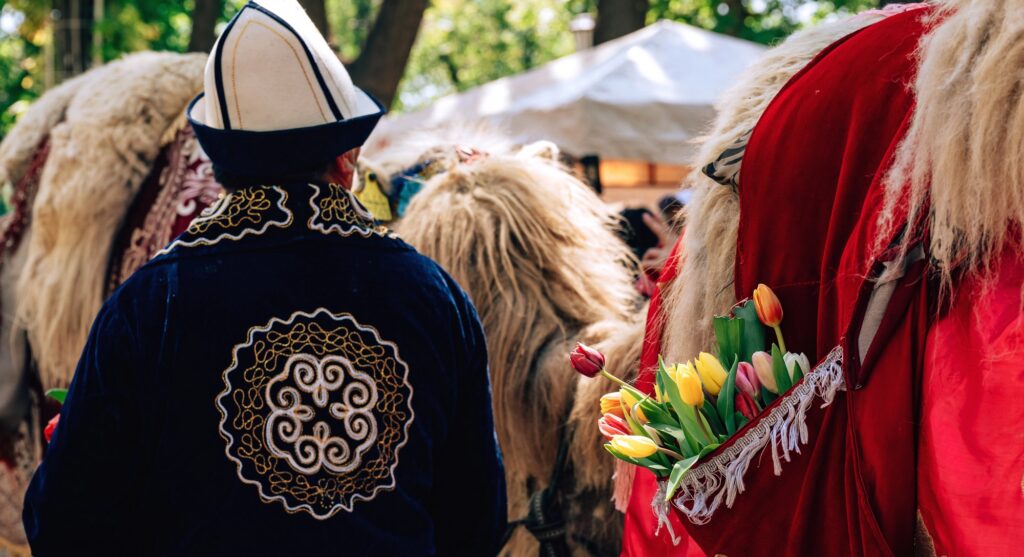
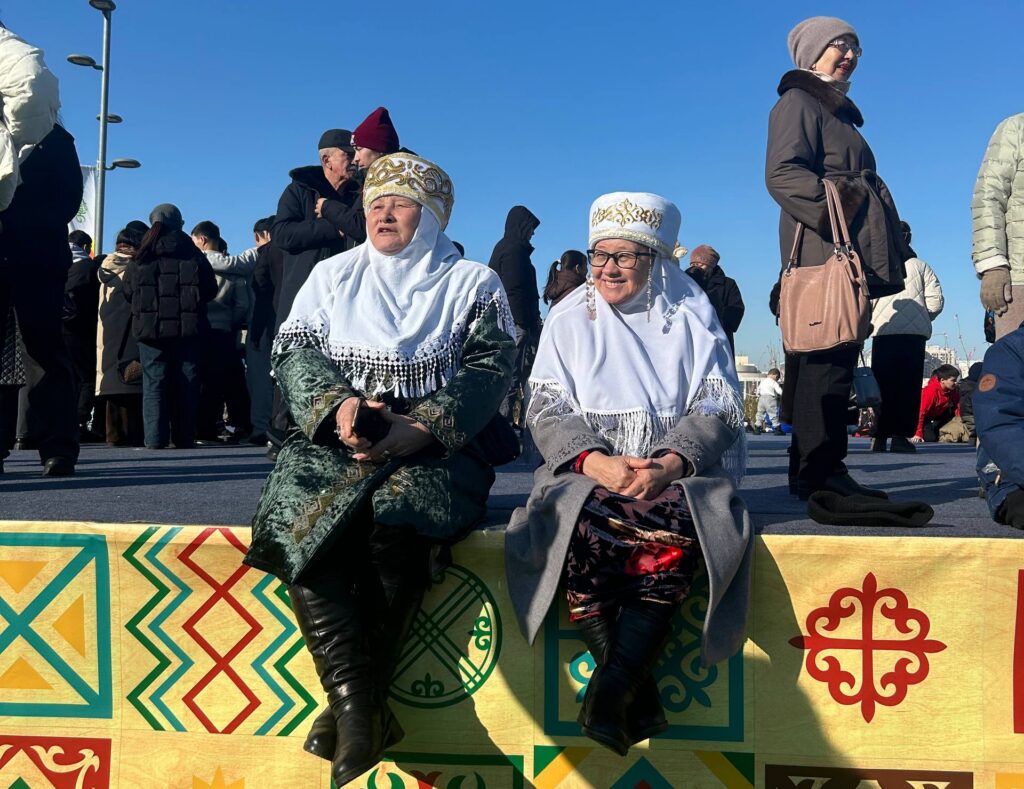
Nauryz, one of Kazakhstan’s most cherished holidays, marks the arrival of spring and the renewal of nature. This year, cities across the country held vibrant celebrations, blending national traditions with festive performances and heartfelt hospitality. Astana: Festivities at the EXPO Site In Kazakhstan’s capital, the main Nauryz celebrations took place at the EXPO site, where a grand stage hosted performances by folk artists. Attendees enjoyed traditional dances, songs, and theatrical productions that showcased the cultural legacy of the Kazakh people. The city was adorned with national ornaments and bright spring-themed decorations, creating an atmosphere of renewal and joy. In addition to the cultural program, sports competitions were held, drawing both professional and amateur participants. A bustling crafts fair was a central attraction, offering handmade felt goods, traditional attire, and jewelry crafted by local artisans. Almaty: Ethno-Festival Meets Innovation In Almaty, Nauryz was marked by large-scale festivities in Central Park, headlined by an ethno-festival featuring yurt villages and traditional Kazakh delicacies like baursaki, koumiss, and Nauryz kozhe. Folk ensembles performed kui and songs, immersing visitors in a celebratory ambiance. A standout feature of the event was its integration of modern technology. A robot chef, for instance, fried baursaki on-site in an eye-catching fusion of tradition and innovation. Prominent brands showcased their goods, and interactive workshops for children included felt weaving, ceramic painting, and dombra playing. As night fell, the city transitioned into lively Nauryz-themed parties, where national melodies blended with contemporary hits. Themed cocktails inspired by spring renewal added a modern twist to the age-old celebration. [caption id="attachment_30089" align="aligncenter" width="960"] Image: ТСА, Tamila Olzhbaekova[/caption] Taraz: Art, Crafts, and Nomadic Spirit In Taraz, the streets came alive with folk art exhibitions. Inside ornately decorated yurts, local artists displayed paintings depicting Kazakh landscapes, mountains, rivers, and historic sites. Woodcarvers showcased their craft through traditional musical instruments, utensils, and intricately carved animal figures and jewelry. Every detail reflected national symbolism, echoing the life and spirit of the steppe. Visitors were also greeted by performers in authentic Kazakh armor, with men dressed in nomadic attire reenacting historical scenes. Batyrs holding majestic eagles evoked the ancient tradition of falconry, drawing crowds eager to connect with Kazakhstan’s nomadic past. [caption id="attachment_30085" align="aligncenter" width="1280"] Image: ТСА, Tamila Olzhbaekova[/caption] Nauryz in Kazakhstan is more than just a spring festival, it's a heartfelt return to cultural roots, a celebration of heritage, and a joyful embrace of a new beginning. Whether in Astana, Almaty, Taraz, or beyond, the holiday brings people together in a shared spirit of kindness, unity, and renewal.

9 months ago

Nauryz in the 21st Century: From Tradition to Modernity

Nauryz today is more than a family gathering, it has evolved into a large-scale celebration that reflects the rhythms of modern life. In the 21st century, the holiday is undergoing significant transformation, adapting to contemporary realities and the interests of younger generations. From its origins as a symbol of nature's renewal, Nauryz has become a vibrant cultural event, taking on new forms that resonate with today’s youth. Festivals, Fairs, and Concerts Major cities across Kazakhstan, Kyrgyzstan, Uzbekistan, and Tajikistan host public festivities that attract thousands. “Nauryz has become much more modern in recent years. We go to big street concerts and festivals, and often to fairs to buy jewelry or clothes with national symbols,” said Bekzat, 18, from Astana. [caption id="attachment_30030" align="aligncenter" width="960"] Image: ТСА, Askar Kubaizhanov[/caption] Traditional customs, such as folk games, rituals, and craft demonstrations, are now seamlessly integrated with contemporary entertainment. In Kazakhstan and Kyrgyzstan, open-air celebrations often feature both traditional music and modern remixes of popular hits. Attendees proudly wear clothing adorned with national motifs, creating a festive and stylish atmosphere that highlights the holiday’s distinct cultural identity. “My friends and I celebrate Nauryz at parties. This year we’re going to a small event in one of Almaty’s bars, where there’ll be special cocktails and national music mixed with pop hits,” said Karina, 21, from Almaty. Social Media and Cinema Social networks play an increasingly central role in shaping how Nauryz is celebrated. Young people actively share their experiences, while public spaces transform into cultural hotspots. Photos and videos from events flood social media, with specially designed photo installations becoming popular attractions and digital art objects. Cinematic representations of Nauryz also help preserve and spread its traditions. State-run TV channels broadcast films and programs dedicated to the holiday, while bloggers contribute with curated content, compilations, and themed podcasts. This creates a dynamic flow of information that enhances awareness of the holiday’s cultural significance. [caption id="attachment_30031" align="aligncenter" width="960"] Image: ТСА, Askar Kubaizhanov[/caption] Culinary Celebrations Businesses, too, have embraced Nauryz. Restaurants and cafes offer themed menus featuring traditional dishes, while stores roll out special promotions, discounts, and gifts. These commercial efforts not only maintain the festive spirit but also offer opportunities for economic engagement. Nauryz in the 21st century stands as a vivid example of how tradition and modernity can coexist. It continues to attract people of all ages, celebrating cultural heritage while evolving to reflect the tastes and lifestyles of contemporary society.

9 months ago