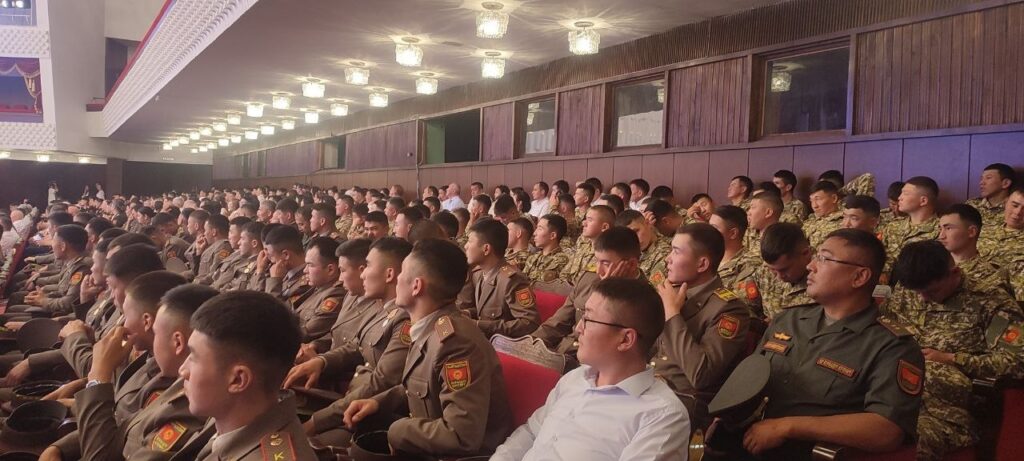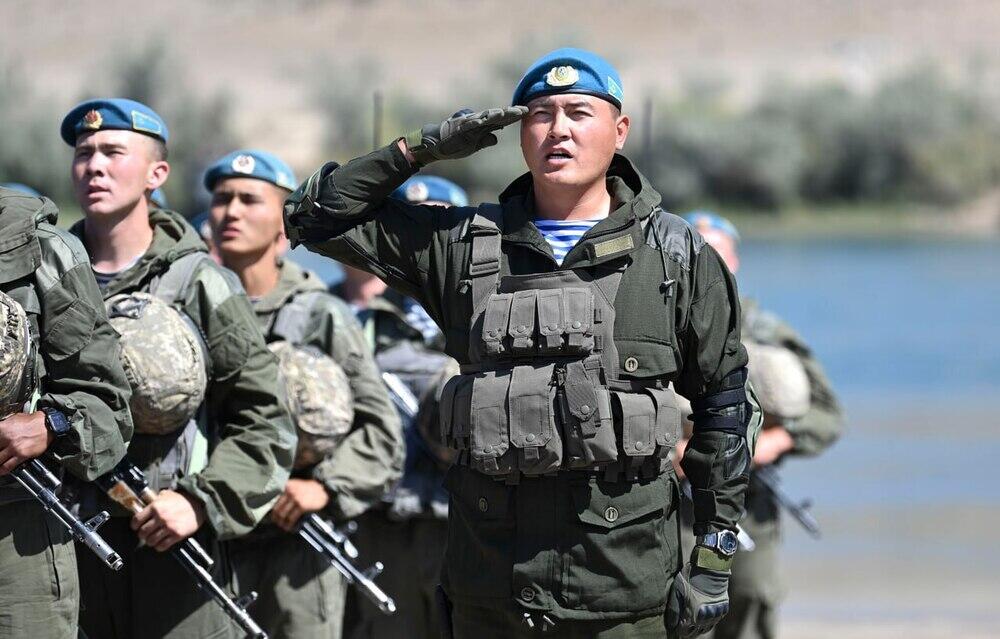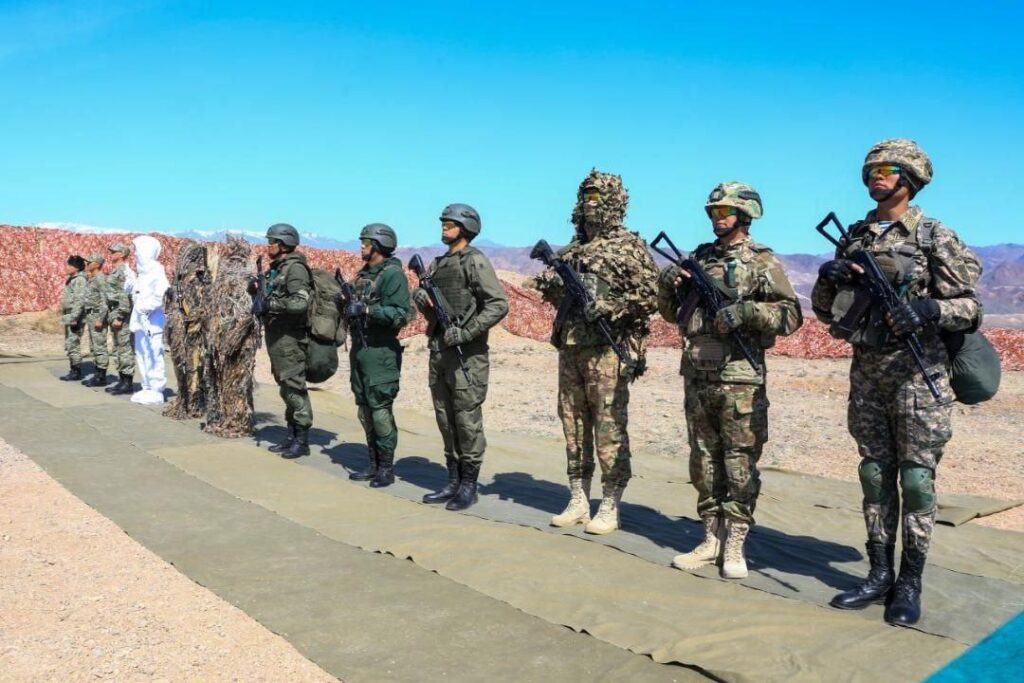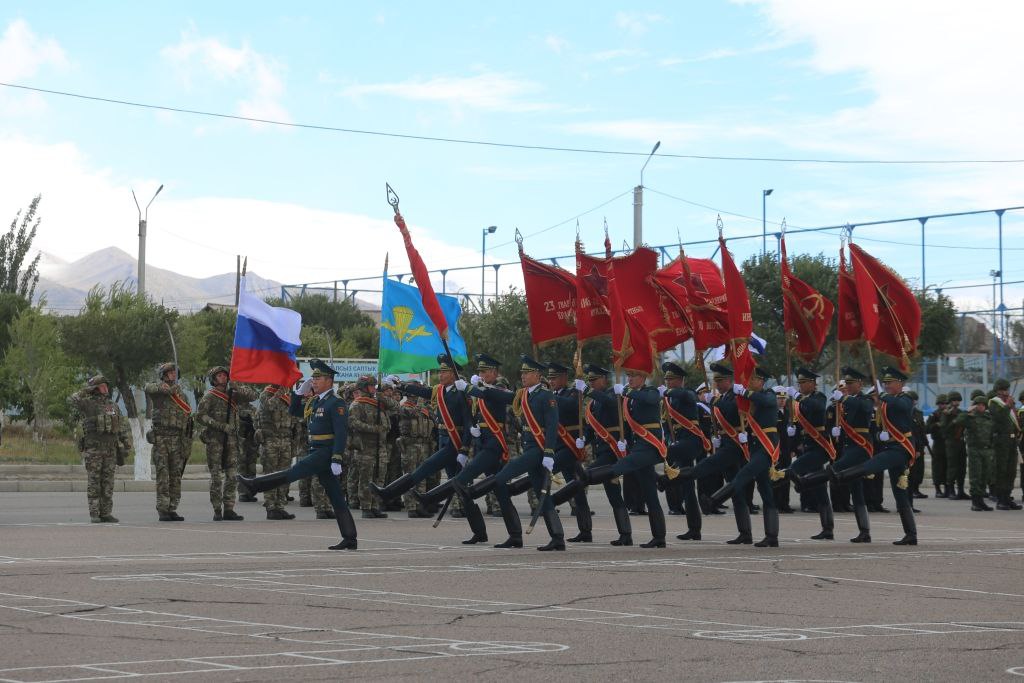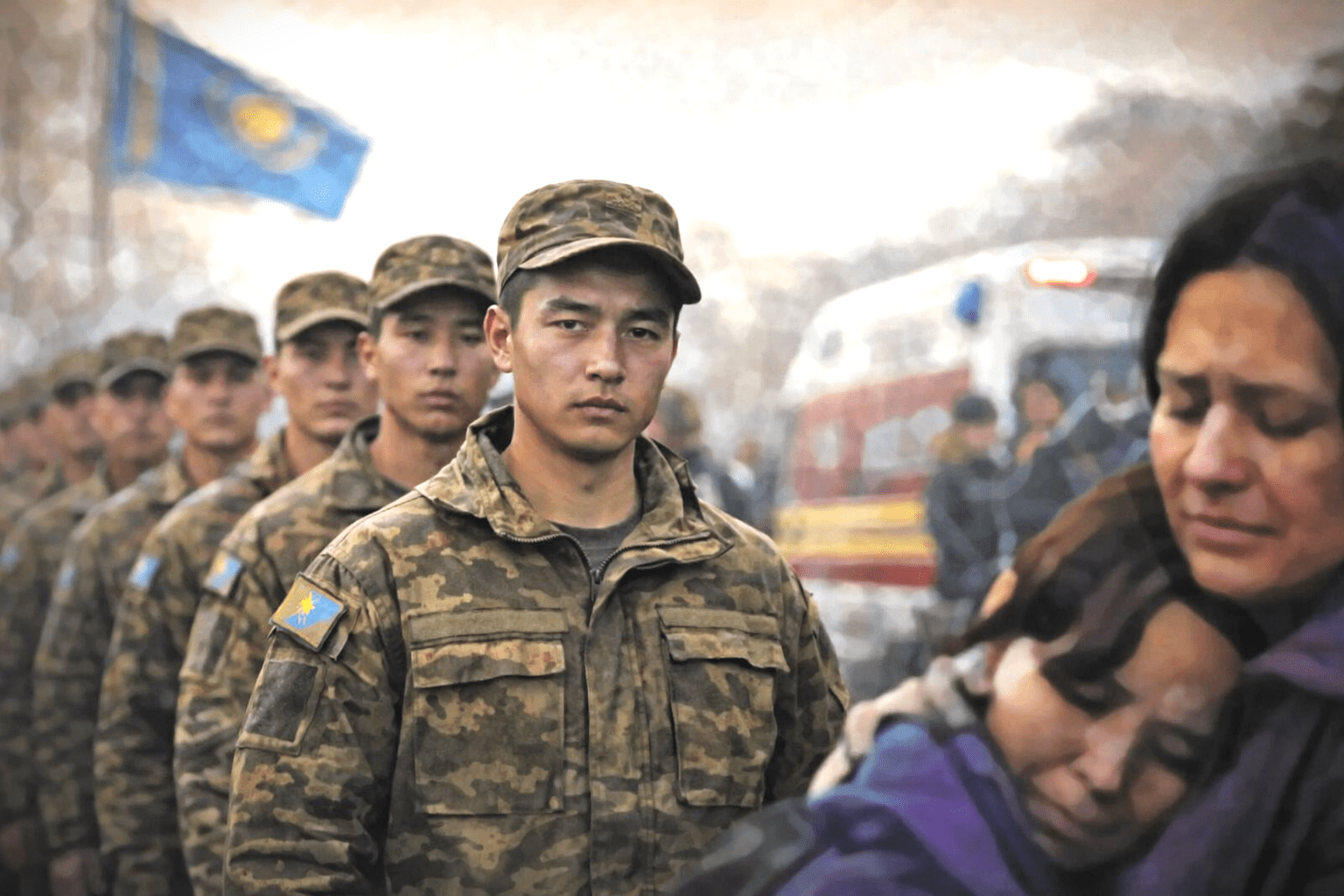
Kazakhstan mandates universal military conscription for men between the ages of 18 and 27, with a standard service term of 12 months. Tens of thousands of young men are drafted into the military each year during two annual call-up periods. Evasion is illegal, yet public attitudes toward mandatory service are increasingly ambivalent.
Officially, military service is presented as an honorable civic duty, with promises of educational preferences and social benefits upon completion. In practice, many young Kazakhs seek ways to avoid conscription, motivated not just by the disruption of a year out of civilian life, but by fears of hazing and abuse.
‘Hazing’ refers to a covert system of informal hierarchy in which senior conscripts intimidate and mistreat new recruits. Although the Ministry of Defense claims such practices were eradicated in the 2010s through reform and a transition to a mixed staffing model combining conscripts and contract soldiers, hazing has remained a persistent issue.
According to a Demoscope survey from September 2025, 37.8% of Kazakhstanis said violence and informal power structures in the army are excessive. Among respondents aged 18–29, support for a full transition to a professional contract army was significantly higher, reflecting broader concerns about conditions and safety. For many families, a draft notice is not a matter of honor but a potential sentence.
The Dark Side of the Barracks: Fatalities and Scandals
Kazakhstan’s armed forces have faced a troubling number of peacetime deaths in recent years, prompting growing public concern. Between 2020 and 2022, 259 servicemen died across the armed forces and other security agencies, with at least 11 more deaths reported in early 2023. In late 2025, MP Nartay Sarsengaliyev noted that 270 soldiers had died in three years.
In January 2026 alone, three incidents raised alarms: a National Guard serviceman died in Shymkent on January 6; another soldier died from a gunshot wound in Ust-Kamenogorsk on January 23; and a serviceman in the Zhambyl region died from a firearms injury on January 27. While the causes ranged from illness to the accidental mishandling of weapons, many families suspect hazing and abuse as underlying factors.
Several high-profile cases from 2025 further damaged public trust. In January, 18-year-old Dastan Kurmanbek was found dead from a gunshot wound in a Saryozek unit; the military declared it a suicide, but his family alleged murder. That spring, 18-year-old Salamat Sabitov, who was drafted despite serious health issues according to his family, died of meningitis just one month into his service. In September, 19-year-old Dinmukhamed Shynarbek was found dead in a military unit in the Almaty region; officials again claimed suicide, but relatives rejected the explanation and demanded an independent investigation.
Officers have also been implicated in violence. In summer 2024, a conscript in the Mangystau region was reportedly shot in the face by a superior officer. One of the most publicized cases was that of 22-year-old National Guard soldier Yerbayan Mukhtar, who suffered a severe head injury under suspicious circumstances in a barracks bathroom in December 2023. Though military doctors initially claimed he had fainted, his family pointed to a broken nose and multiple injuries as signs of assault. After 19 days in a coma, Yerbayan awoke with permanent brain damage and signaled to his mother that he had been attacked. The case, delayed for months, was eventually reclassified under a criminal statute for grievous bodily harm related to hazing.
The public outcry has grown with each successive incident, with relatives and activists taking to platforms like Instagram, TikTok, and Telegram to share their stories and demand justice. Yerbayan’s family, in particular, used social media to raise awareness and call for accountability. In November 2025, activists and the relatives of deceased and injured soldiers staged a peaceful protest outside the Ministry of Defense, demanding the reopening of investigations. Though some participants were briefly detained, their message resonated widely.
The movement reached the highest levels of government. President Kassym-Jomart Tokayev ordered the Prosecutor General to review the legality of investigations into military deaths, thrusting the issue of hazing into the national spotlight.
“I’m Afraid to Serve”: Voices from Kazakhstan
The wave of revelations has triggered deep unease among Kazakhstan’s youth. The following testimonies, gathered in early 2026, reflect personal perspectives from individuals grappling with the realities of military service. All surnames have been changed to protect their privacy.
Altair Omarov, 19, student, Almaty:
“I’m afraid to go into the army. News reports about deaths and abuse really make you think. My parents are worried; they’ve even looked into buying a military ID. It’s not just a lost year; it’s the uncertainty and pressure. The promised benefits seem questionable, too. Friends who served say they didn’t see any.”
Maksat Akhmetov, 24, former conscript, Astana:
“My service was fine, no serious incidents, but it depends a lot on the unit and leadership. Some teams are disciplined; others aren’t. I came back more organized, but I support switching to a professional army. Service isn’t for everyone.”
Aliya Muratova, 22, sister of a serviceman, Shymkent:
“When my brother was drafted, we were all anxious. After his return, he became withdrawn and irritable. He never mentioned anything specific, but you could tell it wasn’t easy.”
Daniyar Yessimov, 27, entrepreneur, Almaty:
“I didn’t serve. I focused on education and business. I’ve heard mixed stories; some say it built character, others talk about harsh conditions. I support a contract army. If people choose to serve, they’ll be more motivated.”
Reform or Silence: What Lies Ahead?
Has Kazakhstan reached a turning point on military reform? For the first time in years, hazing and the safety of conscripts are part of public discourse. Officials have been forced to act. As outlined in MoD statements following President Tokayev’s January 2026 address on military reforms, stronger oversight, new monitoring systems, and greater transparency have been pledged.
“In the army, there can be no place, and there will be no place for hazing, hooliganism, tribalism, or regional favoritism. I will personally oversee this,” Tokayev stated.
Tokayev sharply criticized military leadership for inadequate educational efforts and demanded immediate reforms.
Whether these developments will lead to systemic change or fade under institutional inertia remains uncertain. What is clear is that open discussion has shifted public expectations. The outcome now depends not on rhetoric but on implementation and whether Kazakhstan’s military can become a safer, more accountable institution for future generations.