• KGS/USD = 0.01144 0%
  • KZT/USD = 0.00202 0%
  • TJS/USD = 0.10618 -0.28%
  • UZS/USD = 0.00008 0%
  • TMT/USD = 0.28490 -0.28%
  • KGS/USD = 0.01144 0%
  • KZT/USD = 0.00202 0%
  • TJS/USD = 0.10618 -0.28%
  • UZS/USD = 0.00008 0%
  • TMT/USD = 0.28490 -0.28%
  • KGS/USD = 0.01144 0%
  • KZT/USD = 0.00202 0%
  • TJS/USD = 0.10618 -0.28%
  • UZS/USD = 0.00008 0%
  • TMT/USD = 0.28490 -0.28%
  • KGS/USD = 0.01144 0%
  • KZT/USD = 0.00202 0%
  • TJS/USD = 0.10618 -0.28%
  • UZS/USD = 0.00008 0%
  • TMT/USD = 0.28490 -0.28%
  • KGS/USD = 0.01144 0%
  • KZT/USD = 0.00202 0%
  • TJS/USD = 0.10618 -0.28%
  • UZS/USD = 0.00008 0%
  • TMT/USD = 0.28490 -0.28%
  • KGS/USD = 0.01144 0%
  • KZT/USD = 0.00202 0%
  • TJS/USD = 0.10618 -0.28%
  • UZS/USD = 0.00008 0%
  • TMT/USD = 0.28490 -0.28%
  • KGS/USD = 0.01144 0%
  • KZT/USD = 0.00202 0%
  • TJS/USD = 0.10618 -0.28%
  • UZS/USD = 0.00008 0%
  • TMT/USD = 0.28490 -0.28%
  • KGS/USD = 0.01144 0%
  • KZT/USD = 0.00202 0%
  • TJS/USD = 0.10618 -0.28%
  • UZS/USD = 0.00008 0%
  • TMT/USD = 0.28490 -0.28%
12 February 2026

Viewing results 1 - 6 of 3

The Battle for Control Over Central Asia’s Digital Future

Central Asia is digitalizing quickly. Governments across the region have invested in smart cities, 5G, and AI-powered platforms. Kazakhstan ranks 24th in the world in global e-government indexes, and in Tashkent and Bishkek, young, tech-savvy populations are pushing for innovation. But such progress is not without risks. A new report from the German Marshall Fund (GMF), a Washington-based think tank, outlines how Central Asia is becoming ever more reliant on Chinese and Russian technology. These two countries, the report argues, are using digital tools not just to supply infrastructure but to shape how governments in the region manage data, surveillance, and speech. Beijing and Moscow’s tech exports act as snares, tying customers into their own economies. “Central Asian governments are aware of these challenges,” Dylan Welch, the author of the report and a China analyst at the GMF, told The Times of Central Asia. But he notes that it can be difficult to convince policymakers to prioritize the dangers of such overexposure. “For the national leaders, their imperative is to deliver economic growth because they have these young, dynamic populations that need jobs… if they don't deliver on that, then they're in for a long period of instability at home,” he said. This makes Chinese and Russian offers to develop their digital industries extremely tempting. An Entrenched Presence The report coincides with a flurry of Russian and Chinese engagement in the region. Over the weekend, Kazakhstan announced that between them, Beijing and Moscow will be responsible for delivering a new generation of nuclear reactors to the country, currently leaving French and Korean alternatives out in the cold. Then came this week’s visit of Chinese President Xi Jinping to Astana for a summit with the five Central Asian leaders. On the digital front, one notable announcement from this summit included a plan to develop an Artificial Intelligence Cooperation Center in Kyrgyzstan. China has used the term “Digital Silk Road” to describe its investments in Central Asia, and it has built much of the physical infrastructure behind the region’s digitization drive. For its part, Russia has exported its software, legal models and surveillance practices. Taken together, these systems are helping local governments tighten control over digital life. “This strategic integration makes it more difficult for regional states to diversify in the future, even though many continue to pursue multi-vector foreign policies aimed at balancing global partnerships,” Yunis Sharifli, Non-Resident Fellow at the China-Global South Project, told TCA. Where the Vulnerabilities Lie The report uses a “technology stack” framework to explain the problem. This framework looks at five layers: network infrastructure, data storage, consumer devices, digital platforms, and government policies. Across these layers, it argues, Central Asia is exposed to Chinese and Russian influence. Take Kazakhstan. It may be the most advanced digital economy in the region, but most of its internet traffic still passes through Russia. Telecom firms across the region are also required to install a Russian-made surveillance technology known as SORM (System for Operative Investigative Activities), which can intercept internet...

Central Asian and Pakistani Leaders Showcase Digital Future at GSMA Summit in Tashkent

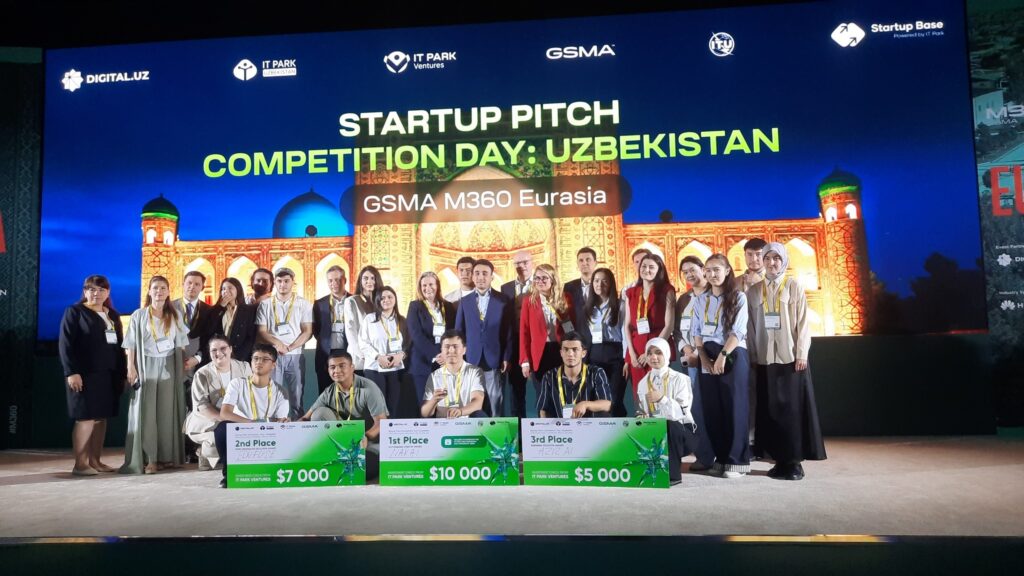
The second day of the GSMA M360 Eurasia conference, held on May 21 in Tashkent, delivered a resounding message of partnership, innovation, and forward-looking digital strategies. Leaders from Kazakhstan, Uzbekistan, and Tajikistan, alongside delegates from other countries, shared insights on fostering resilient digital economies through collaboration and technology. Kazakhstan: Digital Leadership and AI Strategy Kazakhstan’s Minister of Digital Development, Innovation and Aerospace Industry, Zhaslan Madiyev, highlighted his country’s digital advancements. Over the past decade, Kazakhstan has ascended into the global top ten for online service quality and now ranks 24th in e-government development. “More than 90% of transactions are cashless,” he noted, “and over 35 personal documents are exclusively digital. Digital documents now carry the same legal weight as paper ones.” Citizens can even travel domestically using only a digital ID on their phones. Madiyev spotlighted Astana Hub, Kazakhstan’s primary IT cluster, which hosts over 1,600 startups and global tech firms, with outposts in Silicon Valley, Singapore, Saudi Arabia, and the UK. “We recently signed an agreement with Uzbekistan’s IT Park,” he said, “and we will soon open a joint mobile lab with Tcell in Uzbekistan.” He emphasized that cross-border collaboration enables startups to access global markets. Artificial intelligence (AI) featured prominently in Madiyev’s address. He announced the formation of a national AI committee and the adoption of a five-year strategy that includes ethical guidelines, product labeling, and a public AI platform. A newly acquired supercomputer, boasting two exaflops of processing power, will soon support universities, startups, and companies. Kazakhstan also plans to train one million individuals over five years, spanning schoolchildren to government employees. Madiyev invited Uzbekistan to join a regional AI collaboration centered around the forthcoming International Center of AI in Astana, which will host labs, exhibits, hackathons, and workspaces for startups and major tech firms. Uzbekistan: Building a 5G Future In an interview with The Times of Central Asia, Dmitriy Shukov, CEO of Perfectum, the first stand-alone 5G mobile network operator in Uzbekistan, discussed the company’s vision. Perfectum primarily serves the business sector with advanced network solutions. “We focus on B2B clients and will continue to develop cutting-edge services for a fast-growing economy,” Shukov stated. On expanding 5G access nationwide, Shukov pointed to device compatibility. “People need access to 5G stand-alone service. We hope GSMA can facilitate discussions with handset manufacturers to unlock all 5G features here,” he said, underscoring that broader access is essential for digital inclusivity. Perfectum’s pioneering role in the region sets a benchmark for others. Discussing Uzbekistan’s telecom infrastructure, Shukov expressed optimism. “Our population grows by 700,000 annually. Sixty percent are under 30, demanding high-speed, low-latency services. And the regulatory environment is now very favorable to investors,” he said. These dynamics, he concluded, set a strong foundation for the next three years. Tajikistan: Rethinking Telecom Models Tcell CEO Ozodkhon Davlatshoev, whose company serves over two million customers and is Tajikistan’s largest mobile operator, addressed the pressures facing the sector. “Our market share is about 14%, growing 7% annually, but with just 2% population...

Perfectum, Nokia to Launch 5G Network in Uzbekistan

Last month a two-year deal to supply, install, and operate 5G standalone (SA) network equipment in Uzbekistan was agreed between Rubicon Wireless (a Perfectum trademark), Nokia and the Uzbek Ministry of Digital Development. The €100m ($110m) agreement was signed at the Mobile World Congress 2024 exposition in Barcelona, Spain. Under this agreement, radio access network (RAN) subsystems and core 5G SA hardware will be delivered and installed at the same time. In order to facilitate product management and billing for the 5G SA network, equipment from the Finnish provider Qvantel will be delivered, installed, and put into service concurrently with the delivery of Nokia equipment. The joint effort by Perfectum and Nokia is being funded by Western banks, with additional support from Uzbek lender Sanoatkurilishbank.