• KGS/USD = 0.01144 0%
  • KZT/USD = 0.00215 0%
  • TJS/USD = 0.10641 0%
  • UZS/USD = 0.00008 0%
  • TMT/USD = 0.28530 0%
  • KGS/USD = 0.01144 0%
  • KZT/USD = 0.00215 0%
  • TJS/USD = 0.10641 0%
  • UZS/USD = 0.00008 0%
  • TMT/USD = 0.28530 0%
  • KGS/USD = 0.01144 0%
  • KZT/USD = 0.00215 0%
  • TJS/USD = 0.10641 0%
  • UZS/USD = 0.00008 0%
  • TMT/USD = 0.28530 0%
  • KGS/USD = 0.01144 0%
  • KZT/USD = 0.00215 0%
  • TJS/USD = 0.10641 0%
  • UZS/USD = 0.00008 0%
  • TMT/USD = 0.28530 0%
  • KGS/USD = 0.01144 0%
  • KZT/USD = 0.00215 0%
  • TJS/USD = 0.10641 0%
  • UZS/USD = 0.00008 0%
  • TMT/USD = 0.28530 0%
  • KGS/USD = 0.01144 0%
  • KZT/USD = 0.00215 0%
  • TJS/USD = 0.10641 0%
  • UZS/USD = 0.00008 0%
  • TMT/USD = 0.28530 0%
  • KGS/USD = 0.01144 0%
  • KZT/USD = 0.00215 0%
  • TJS/USD = 0.10641 0%
  • UZS/USD = 0.00008 0%
  • TMT/USD = 0.28530 0%
  • KGS/USD = 0.01144 0%
  • KZT/USD = 0.00215 0%
  • TJS/USD = 0.10641 0%
  • UZS/USD = 0.00008 0%
  • TMT/USD = 0.28530 0%

Viewing results 1 - 6 of 53

Kyrgyzstan to Export Agricultural Products to China

On February 6, in Beijing, Kyrgyzstan’s Deputy Chairman of the Cabinet of Ministers and Minister of Water Resources, Agriculture, and Processing Industry, Bakyt Torobayev, and China’s Head of the General Administration of Customs, Sun Meijun, signed protocols allowing the export of Kyrgyz agricultural products to China. The approved goods include beans, wool, cashmere, poultry meat, and offal. Torobayev emphasized that these agreements represent an important step forward in strengthening trade and economic ties between Kyrgyzstan and China. According to the Kyrgyz Ministry of Water Resources, Agriculture, and Processing Industry, trade turnover between the two countries nearly tripled from 2019 to 2023, reaching $5.433 billion - a 31.6% increase from 2022. In January-November 2024, bilateral trade continued to grow, rising by 6.9%. The Kyrgyz minister expressed optimism about the early signing of additional export protocols for dried fruits, fresh fruits, vegetables, berries, raw cattle hides, and heat-treated meat. "We are confident that these goods will be in demand in the Chinese market," he stated. To facilitate trade, Torobayev proposed establishing a Chinese certification body’s representative office in Kyrgyzstan to simplify the certification process for Kyrgyz exports to China. During his visit to Beijing, Torobayev also met with Jilin Teyan Biotechnology Co., Ltd., a Chinese manufacturer of veterinary vaccines, to discuss the supply of vaccines to Kyrgyzstan. The company expressed interest in building a vaccine production plant in Kyrgyzstan to manufacture treatments for cattle and poultry diseases. These discussions took place as part of Kyrgyz President Sadyr Japarov’s state visit to China from February 4 to 7. During a meeting on February 5, Chinese President Xi Jinping reaffirmed China’s commitment to expanding economic, trade, and investment cooperation with Kyrgyzstan and expressed China’s willingness to import more high-quality agricultural products from the country.

Kazakhstan Reports Record Grain Harvest of 26.7 Million Tons in 2024

Kazakhstan harvested 26.7 million tons of grain in 2024, marking its largest grain yield in 13 years, according to the Ministry of Agriculture. The latest figures, published on January 29, slightly revise the previously reported total of 26.5 million tons, gathered from 16.7 million hectares of farmland. Kazakhstan is the largest grain producer and exporter in Central Asia, annually shipping 8 to 9 million tons of grain abroad, including 6.5 to 7.5 million tons of wheat. In 2024, exports reached 8.1 million tons. For the 2025 season, Kazakhstan aims to export approximately 12 million tons of newly harvested grain. While traditional markets such as Central Asia, Afghanistan, China, Turkey, and Italy remain key destinations, Kazakhstan is also expanding into Azerbaijan, Iran, Pakistan, Indonesia, Brazil, and Malaysia. Kazakhstan has already begun exporting grain from the new harvest, with 3.7 million tons shipped between September and December 25, 2024 - a 54% increase compared to the same period in 2023.

Kazakhstan Restricts Poultry Imports from U.S. and Germany Due to Avian Flu

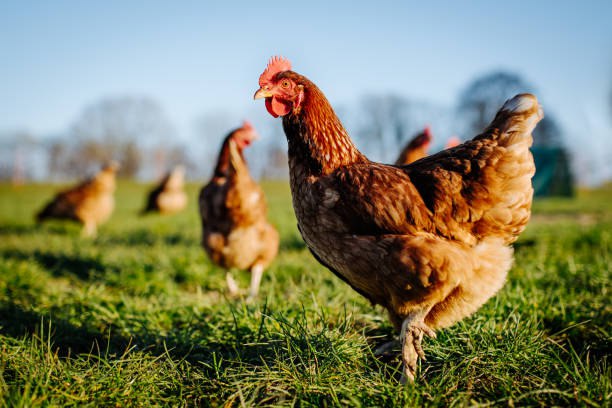
Kazakhstan has temporarily suspended the import of poultry products from Delaware and South Carolina in the United States, as well as from the German state of Baden-Württemberg, due to outbreaks of avian flu in these regions. The decision was announced by Kazakhstan's authorities and is based on data from the World Organization for Animal Health. The ban covers a broad range of items, including live poultry, hatching eggs, down and feathers, poultry meat, and any poultry products that have not been heat-treated at a minimum temperature of 70°C. Additionally, the restrictions apply to feed and feed additives (excluding those derived from plants or produced through chemical or microbiological synthesis), hunting trophies from game birds that have not undergone taxidermy treatment, and used equipment for poultry farming, slaughter, and processing. The measures concerning Baden-Württemberg took effect on January 20. These steps follow earlier restrictions imposed on January 14, when Kazakhstan banned livestock imports from Germany due to an outbreak of foot-and-mouth disease in the Brandenburg region. Kazakhstan’s veterinary authorities continue to monitor the global epizootic situation closely in order to respond swiftly to any threats posed by the spread of dangerous animal diseases.

Kazakhstan Aims to Boost Agricultural Exports to Russia

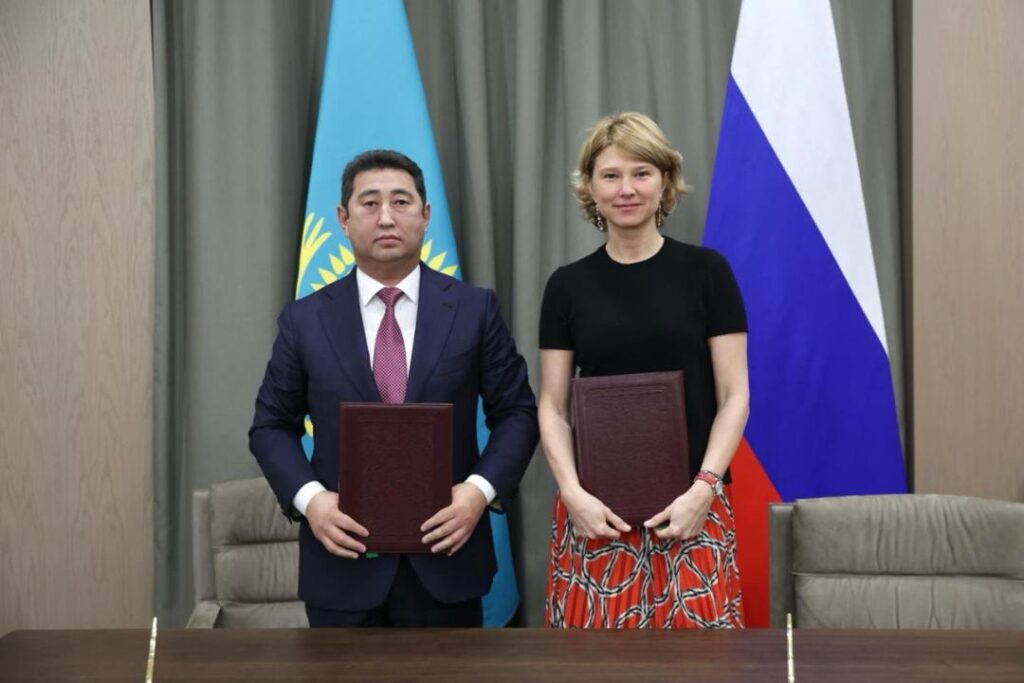
Kazakhstan is seeking to expand its agricultural exports to Russia as part of efforts to strengthen bilateral trade ties. On January 21, Minister of Agriculture Aidarbek Saparov met with his Russian counterpart Oksana Lut in Moscow to discuss lifting restrictions on the import and transit of agricultural products. Trade turnover in agricultural goods between the two countries reached $3.4 billion from January to November 2024, marking a 4.3% increase compared to the same period in the previous year. According to Saparov, Russia remains Kazakhstan's largest trading partner in the agricultural sector. Over the first 11 months of 2024, Kazakhstan’s agricultural exports to Russia totaled $502.9 million. “Kazakhstan is interested in increasing the presence of its agricultural products on the Russian market,” Saparov said. In recent months, both countries have made progress in easing trade restrictions. Kazakhstan has lifted all restrictions on Russian agricultural products, while Russia this month removed temporary bans on tomato imports from 36 Kazakh enterprises. Discussions are ongoing to further relax restrictions on the import and transit of Kazakh livestock and plant products. The Moscow meeting concluded with the signing of an action plan to enhance Russian-Kazakh agro-industrial cooperation. Key elements of the plan include: Preparing a joint project to establish an agrobiotechnopark. Creating a favorable framework for mutual food supplies. Finalizing the integration of veterinary and phytosanitary control information systems. These measures are expected to strengthen agricultural trade between the two countries and support the development of new joint projects in the agro-industrial sector.

Kyrgyzstan Boosts Exports of National Dairy Products

Exports of Kyrgyzstan's dairy products have seen significant growth, with member states of the Eurasian Economic Union (EAEU) increasing their imports from the republic. Just six months ago, Kyrgyzstan lagged behind its EAEU counterparts in dairy production and exports. Impressive Growth in Exports According to the Ministry of Agriculture, milk sales by Kyrgyz farms rose by 124% in 2024, while dairy exports increased by as much as 167%. By the end of 2024, Kyrgyzstan had exported more than 33,000 tons of milk and dairy products, compared to just under 30,000 tons in 2023. The growth was driven not only by traditional products - such as cheese, butter, ice cream, cream, milk powder, and pasteurized milk - but also by national dairy specialties made from cow's milk. Notably, Kyrgyzstan exported over 120 tons of fermented milk products, such as the national beverages chalap and bozo, to Russia, Kazakhstan, and Uzbekistan in 2024. Additionally, exports of kurut, a traditional Kyrgyz snack made from dried curd balls, exceeded 3.3 tons last year, reflecting the growing demand for unique national products abroad. Context Within the EAEU This progress comes in the wake of criticism from the Eurasian Economic Commission (EEC) last summer, which ranked Kyrgyzstan among the lowest milk producers in the Union. According to EEC data, Armenia was at the bottom with an annual production of 123,000 tons of milk, while Kyrgyzstan was second-to-last with 620,000 tons. For comparison, neighboring Kazakhstan produces over 2 million tons annually, while Russia leads the EAEU with 13.5 million tons of milk produced per year. International Support Spurs Growth The Kyrgyz Ministry of Agriculture attributed the surge in dairy production and exports in part to foreign assistance programs, particularly a USAID initiative. This project has funded the construction of new dairy processing facilities for dozens of farmers in southern Kyrgyzstan. Additionally, more than 100 farmers continue to receive training and counseling on modern cow husbandry practices, which have improved productivity and product quality.

Kazakhstan’s New Harvest Grain Exports Surge by 54%

Between September and December 25, 2024, Kazakhstan exported 3.7 million tons of grain from its new harvest - a dramatic 54% increase compared to the same period in 2023, when 2.4 million tons were exported. The announcement was made by Kazakhstan’s Ministry of Agriculture, citing data from Kazakhstan Temir Zholy (KTZ), the national railways company responsible for grain transportation. Significant increases were reported across the traditional markets for Kazakh grain: Uzbekistan: Exports grew by 44%, rising from 994,000 tons to 1.427 million tons. Tajikistan: Exports increased by 53%, from 385,000 tons to 589,000 tons. Afghanistan: Exports surged by 52%, from 120,000 tons to 182,000 tons. Kyrgyzstan: Exports rose by 22%, from 59,000 tons to 72,000 tons. Iran has emerged as a highly promising new market. Exports to Iran (via the Caspian port of Aktau) soared by a staggering 30.2 times, from just 14,000 tons to 435,000 tons. Kazakhstan harvested over 26.5 million tons of grain from 16.7 million hectares in 2024, as previously reported by The Times of Central Asia. The country plans to export approximately 12 million tons of the new harvest to both traditional markets - Central Asia and Afghanistan - and new ones, including Iran, Pakistan, Indonesia, Brazil, and Malaysia. China is also seen as a key growth market. In 2023, Kazakhstan exported 1.43 million tons of cereals to China - a 5.5-fold increase from the previous year. Kazakhstan’s grain export surge underscores the country’s growing role as a major supplier to both regional and global markets, bolstered by strong demand and strategic diversification efforts.