• KGS/USD = 0.01143 0%
  • KZT/USD = 0.00213 0%
  • TJS/USD = 0.10593 0.47%
  • UZS/USD = 0.00008 0%
  • TMT/USD = 0.28571 0%
  • KGS/USD = 0.01143 0%
  • KZT/USD = 0.00213 0%
  • TJS/USD = 0.10593 0.47%
  • UZS/USD = 0.00008 0%
  • TMT/USD = 0.28571 0%
  • KGS/USD = 0.01143 0%
  • KZT/USD = 0.00213 0%
  • TJS/USD = 0.10593 0.47%
  • UZS/USD = 0.00008 0%
  • TMT/USD = 0.28571 0%
  • KGS/USD = 0.01143 0%
  • KZT/USD = 0.00213 0%
  • TJS/USD = 0.10593 0.47%
  • UZS/USD = 0.00008 0%
  • TMT/USD = 0.28571 0%
  • KGS/USD = 0.01143 0%
  • KZT/USD = 0.00213 0%
  • TJS/USD = 0.10593 0.47%
  • UZS/USD = 0.00008 0%
  • TMT/USD = 0.28571 0%
  • KGS/USD = 0.01143 0%
  • KZT/USD = 0.00213 0%
  • TJS/USD = 0.10593 0.47%
  • UZS/USD = 0.00008 0%
  • TMT/USD = 0.28571 0%
  • KGS/USD = 0.01143 0%
  • KZT/USD = 0.00213 0%
  • TJS/USD = 0.10593 0.47%
  • UZS/USD = 0.00008 0%
  • TMT/USD = 0.28571 0%
  • KGS/USD = 0.01143 0%
  • KZT/USD = 0.00213 0%
  • TJS/USD = 0.10593 0.47%
  • UZS/USD = 0.00008 0%
  • TMT/USD = 0.28571 0%

Viewing results 1 - 6 of 53

Kazakhstan Bans Wheat Import to Protect Domestic Market

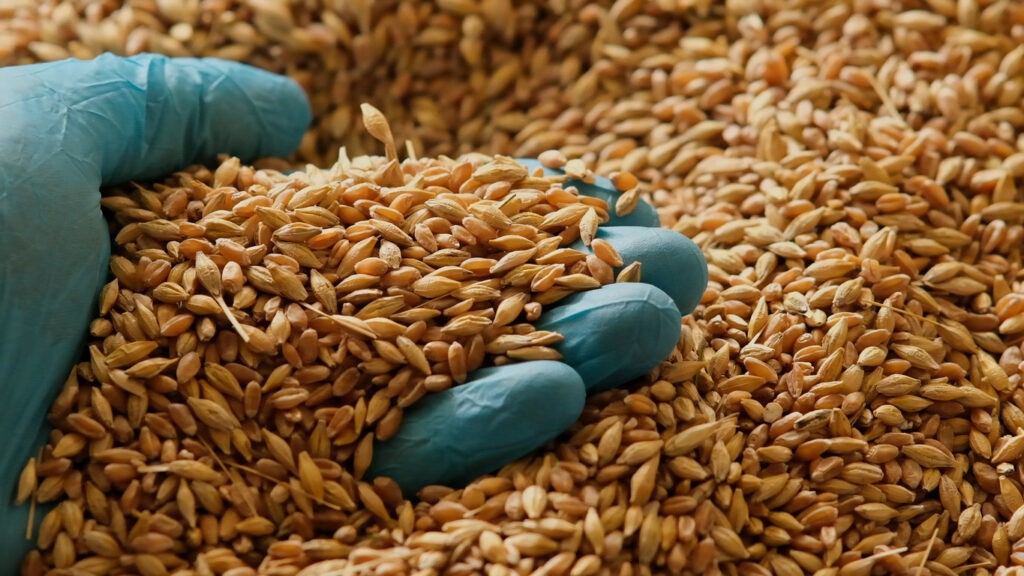
The Kazakh Ministry of Agriculture announced on August 20 a ban on importing wheat to Kazakhstan. This applies to all countries, including fellow members of the Eurasian Economic Union (Armenia, Belarus, Kyrgyzstan, and Russia). The ban applies from August 21 to December 31, 2024, and does not apply to the transit of wheat through Kazakhstan's territory. The ministry explained that the move was necessary to protect the domestic market. In the first half of this year, Kazakhstan imported 1.3 million tons of wheat, which is almost equal to the import volume for the entire 2023. The country's domestic market has sufficient wheat left over from last year's harvest. As of 1 July 2024, Kazakhstan had wheat reserves of 5.1 million tons, including 4 million tons for food. Due to favorable weather conditions during this year’s growing season, the ministry expects a good grain harvest, which would create an excess supply on the domestic grain market, considering the carryover stocks. Kazakhstan's total area under grain crops this year is 16.7 million hectares. Regarding wheat production, Kazakhstan is in 14th place in the world, with a production volume of more than 12 million tons per year. According to the Food and Agriculture Organization of the United Nations (FAO), Kazakhstan’s wheat production in 2023 stood at 12.1 million tons. Wheat exports in the 2023/24 marketing year (July/June) were estimated at 9 million tons.

Kyrgyz Farmers Unite Into Cooperatives To Maximize Export Potential

This year, 47 new agricultural cooperatives appeared in Kyrgyzstan — a total of 741 associations. Experts say that merging into large farms will allow farmers to increase yields and the export potential of their products. In 2023, Kyrgyzstan exported more than 850,000 tons of agricultural products — vegetables, fruits, milk, and meat. More than 40% of these exports went to the countries of the Eurasian Economic Union (EAEU). However, to increase the export potential and the geography of supplies, it is necessary to move away from so-called "small-scale production." When farmers produce goods in small batches, experts believe the way out of this situation can be the cooperation of farms. "The issue of creating cooperatives is a sore point in Kyrgyzstan's farming sector. For over 10 years, we have been saying there is a problem — small-scale commodity production. According to official data, we have more than 460,000 farmers in the country, but, unfortunately, there is no volume of production," Rustam Baltalbayev, Executive Director of the Association of Agroindustrial Complex (AAC), told The Times of Central Asia. Baltabayev said an agricultural co-op is the most convenient form of doing business in agriculture. It solves the problem of wholesale supplies abroad. According to the AAK, agrarians in Kyrgyzstan's southern regions — producers of white rice and bell peppers — are actively joining agricultural cooperatives. "This mechanism, in my opinion, is the most profitable and convenient regarding agricultural development. It is only necessary to finalize the legal forms so that large holdings could join associations," he noted.

Kazakhstan and Turkey to Increase Agricultural Trade

During Kazakh Minister of Agriculture Aidarbek Saparov's visit to Turkey on August 12, agreements were signed for Turkish investments of $2 billion in Kazakhstan’s agro-industrial sector and trade in agricultural products Six projects have already been implemented in Kazakhstan with participation of Turkish investors.  The imminent launch of a further ten projects totaling $553 million, include the construction of greenhouse complexes, plants for deep processing of wheat and beans, and vegetable storage facilities. Armada Gıda, one of  Turkey's leading companies in producing and exporting agricultural products, is to increase the import of lentils from Kazakhstan, while Tiryaki Holding, is to import of 250 thousand tons of Kazakh wheat. According to Minister Saparov, in 2023, the volume of Kazakh-Turkish trade in agricultural products increased by 13%. Kazakhstan has long exported crop products to Turkey and following the abolishment of restrictions in June, Kazakh agricultural producers can now begin exporting livestock products. Minister Saparov stated that Kazakhstan expects a good crop harvest this year and is ready to increase the export of high-quality agricultural products to Turkey.

China Seeks to Import 20,000 Tons of Pork from Kazakhstan

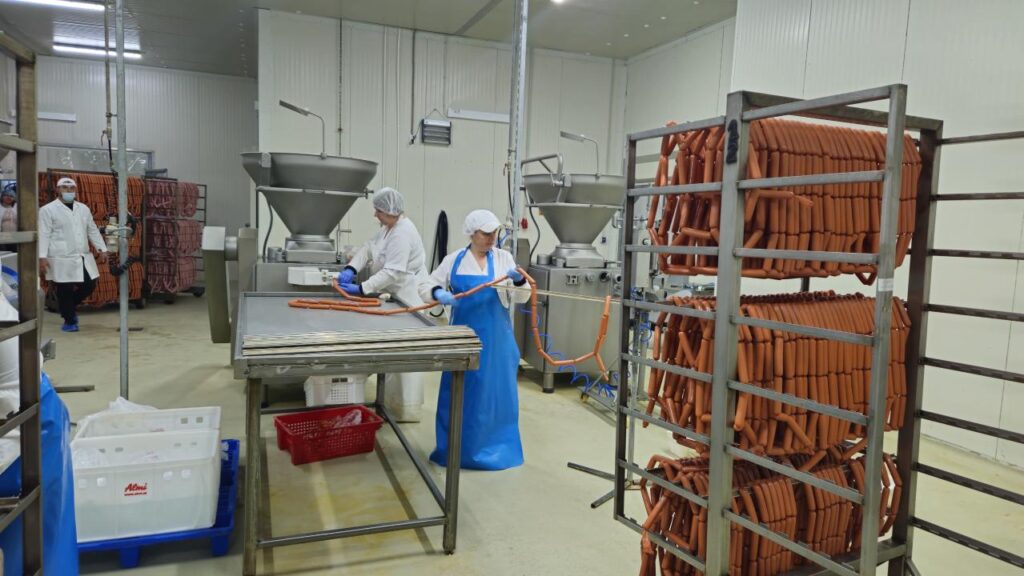
Representatives of the Chinese Meat Association visited EMC Agro, one of the largest meat processing enterprises in Kazakhstan, with an interest in importing 20 thousand tons of pork per year. The Kazakh Ministry of Agriculture reported that during their tour of the facility in North Kazakhstan, the Chinese delegation witnessed the processing cycle from slaughter to packaging. Fully automated, the process complies with international sanitary and epidemiological standards, with quality control monitored around the clock by a laboratory equipped with German analysers. The produce is then frozen. Regarding the company’s readiness to supply China with 60% of its produce, EMC Agro head Erzhan Yeleubaev stated, “China has great demands. Supply volumes must be stable and raw materials must be safe. Our meat is of high quality, we have no doubt in our products, and we are ready for fruitful cooperation. The Chinese market is important for us.” The EMC Agro meat processing plant has a production capacity of 20,000 tons of meat per year and 30 tons of finished meat products per day. In February 2024, China finally cancelled the ban in place since 2022, on the import of meat imposed by concerns over foot-and-mouth disease in Kazakhstan.  

New Plant for Deep Processing of Grain in Kostanay, Kazakhstan

At the Kazakh-Chinese Business Council meeting in Astana on July 2, the administration of Kostanay, Baiterek Venture Fund, KazFoodProducts, and the Chinese company Myande Group signed a Memorandum of cooperation for the construction of the Qostanay Grain Industry plant in Kostanay. As reported by Kazakh Invest, the plant for the deep processing of wheat into amino acids, bioethanol, gluten, animal feed, and wheat bran, when launched in 2027, will manufacture 430 thousand tons of products per year and create about 600 jobs. Hailing the agreement as an important step in strengthening bilateral relations, Rong Zhen, CEO of Myande Group, stated, “We see huge potential in the agro-industrial sector of Kazakhstan, and this cooperation will increase its efficiency and manufacturability and open up new opportunities for Kazakh products to enter the Chinese market." Alikhan Kairatbek, CEO of KazFoodProducts, added: "Based on the quadripartite agreement, it is planned to increase the production of starch molasses to 33 thousand tons per year for further use by domestic confectionery companies. New jobs will be created. Together with the Akimat (administration) of Kostanay region and Baiterek Venture Fund, we are launching large–scale projects in the field of agriculture and are very pleased to have a strategic partnership with Myande Group." Myande Group will also upgrade the AsiaGrowFood plant for deep processing of corn in the Almaty region to increase its production from 200 to 300 tons per day. Deep processing of grain is one of the most promising areas in the manufacturing industry regarding products with high added value. Kazakhstan annually harvests 16-17 million tons of grain, a third of which are exported. Over 260 different types of products with added value can be produced from grain.    

Kazakhstan Set to Develop Halal Market

From 4 to 12 June, over 100 certification and accreditation specialists from Kazakhstan attended a training seminar on Halal standards in Astana. Over the duration of the course, participants received training on Halal requirements and OIC/SMIIC international standards set by international experts in Halal accreditation and certification. In her address, Zhanna Esenbekova, Chairperson of the Technical Regulation and Metrology Committee of the Ministry of Trade and Integration of Kazakhstan, emphasized the importance of national legislation adapted to ISO SMIIC standards for Kazakhstan’s economy as well as the need for trained specialists to promote and monitor compliance with Islamic requirements and standards. “Halal standards are receiving increasing attention worldwide and the areas of Halal standardization are expanding. Not so long ago, Halal concerned only a few types of everyday products, but today Halal has expanded its boundaries to areas such as transport and logistics, finance and credit, tourism and hospitality, clothing and footwear production, restaurant business and many others,” reported Esenbekova. One of the seminar’s lecturers, international expert Emre Kırıcıoğlu, added: “Today, the Halal market has over 1.8 billion consumers worldwide and a turnover of 2 to 5 trillion dollars, with regard to Halal financing. Kazakhstan has a reputation for self-sufficiency in food supply. Local meat, grain and vegetables are fine in quality and grown under favourable conditions. Given the profile of a large sector of the population, your country is well positioned to compete in international markets in products acceptable by Islam.”