• KGS/USD = 0.01143 0%
  • KZT/USD = 0.00213 0%
  • TJS/USD = 0.10593 0.47%
  • UZS/USD = 0.00008 0%
  • TMT/USD = 0.28571 0%
  • KGS/USD = 0.01143 0%
  • KZT/USD = 0.00213 0%
  • TJS/USD = 0.10593 0.47%
  • UZS/USD = 0.00008 0%
  • TMT/USD = 0.28571 0%
  • KGS/USD = 0.01143 0%
  • KZT/USD = 0.00213 0%
  • TJS/USD = 0.10593 0.47%
  • UZS/USD = 0.00008 0%
  • TMT/USD = 0.28571 0%
  • KGS/USD = 0.01143 0%
  • KZT/USD = 0.00213 0%
  • TJS/USD = 0.10593 0.47%
  • UZS/USD = 0.00008 0%
  • TMT/USD = 0.28571 0%
  • KGS/USD = 0.01143 0%
  • KZT/USD = 0.00213 0%
  • TJS/USD = 0.10593 0.47%
  • UZS/USD = 0.00008 0%
  • TMT/USD = 0.28571 0%
  • KGS/USD = 0.01143 0%
  • KZT/USD = 0.00213 0%
  • TJS/USD = 0.10593 0.47%
  • UZS/USD = 0.00008 0%
  • TMT/USD = 0.28571 0%
  • KGS/USD = 0.01143 0%
  • KZT/USD = 0.00213 0%
  • TJS/USD = 0.10593 0.47%
  • UZS/USD = 0.00008 0%
  • TMT/USD = 0.28571 0%
  • KGS/USD = 0.01143 0%
  • KZT/USD = 0.00213 0%
  • TJS/USD = 0.10593 0.47%
  • UZS/USD = 0.00008 0%
  • TMT/USD = 0.28571 0%

Viewing results 1 - 6 of 53

Rise in Grain Exports from Kazakhstan to China

As announced last week at the first Kazakh-Chinese grain forum in China, the volume of cargo transportation between Kazakhstan and China in 2023 increased by 22% compared to 2022. Reaching a record high of over 28 million tons, the total includes 12.6 million tons of Kazakhstan’s export, 35% more than in 2022. During their visit, the Kazakh delegation toured China’s new terminal in the bonded zone of the Alashankou station for unloading grain and vegetable oils, and according to  Kazakhstan’s Ministry of Transport, agreements were reached by both sides regarding transportation technicalities and increasing the throughput of Kazakh agricultural products. Nurzhan Kelbuganov, Deputy Chairman of the Committee of Railway and Water Transport at the Ministry of Transport of Kazakhstan, commented, “Today, the main crops supplied by Kazakhstan to China are barley and wheat. In 2023, after the pandemic, it was possible to resume transportation to China, which allowed for a 2.5-fold increase in Kazakh grain exports. Hence, in 2021, about 347 thousand tons were exported [to China], in 2022 — 747 thousand tons, and in 2023 — over 2.2 million tons.”

Kazakhstan and EU Seek Increase in Trade of Agricultural Products

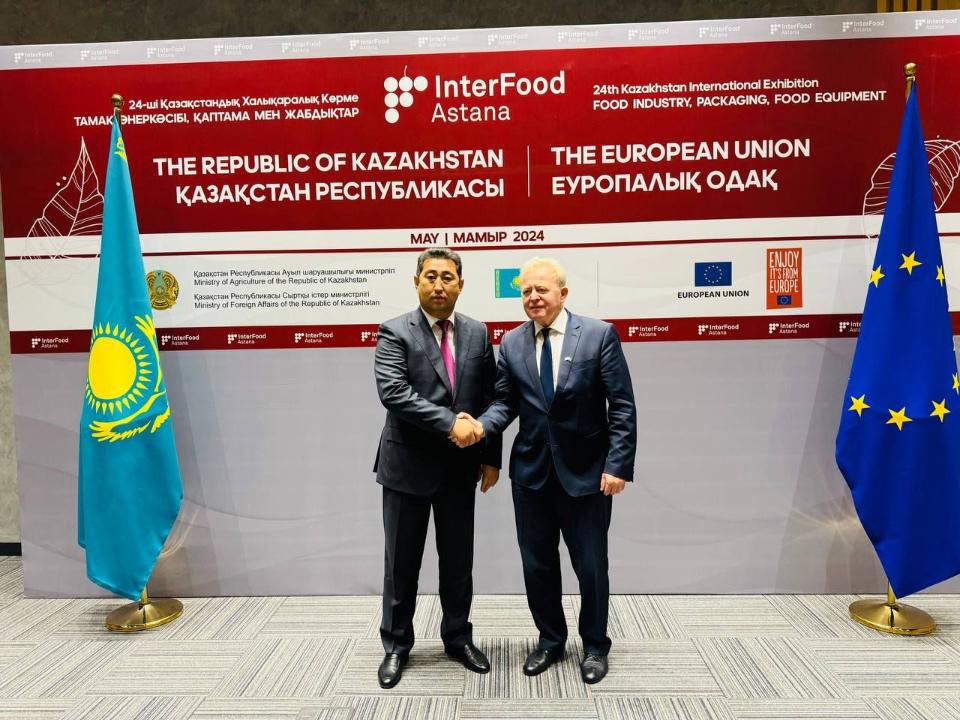
On May 29, Kazakhstan Agriculture Minister Aidarbek Saparov entered discussions with European Commissioner for Agriculture Janusz Wojciechowski for the removal of trade barriers for agricultural products. The conference took place during the European Commissioner’s first High-Level Mission to Kazakhstan, attended by a delegation of 40 agri-food businesses and organizations from across the European Union. Saparov and Wojciechowski agreed to continue discussions on the technicalities of opening the EU market for Kazakh honey, meat, and dairy products, as well as the export of pig and poultry products from EU countries to Kazakhstan. In 2023, Kazakhstan exported 650 thousand tons of wheat to EU countries, alongside flax seeds, rapeseed, and processed grain crops. Although Kazakh producers are not yet licensed to export livestock products to the EU, Kazakh fish is in high demand by European buyers. Of Kazakhstan’s 70 fish processing enterprises, 18 have been granted the right to export their products to the European Union countries. In 2023, Kazakhstan’s exports of fish products amounted to around 25 thousand tons, worth $85 million. About 11 thousand tons were exported to EU countries including Germany, the Netherlands, Denmark, and Lithuania for a total of $60 million. With a long tradition of livestock farming, Kazakhstan is naturally eager to export its meat, particularly horsemeat. Minister Saparov therefore proposed intensifying efforts to export such produce in tandem with securing approval to export  Kazakh honey to the EU. In a press statement ahead of his visit, Commissioner Wojciechowski announced, “This High-Level Mission is a strong signal of our intention to further strengthen our partnership and our bilateral trade in agri-food products with Kazakhstan.” Kazakhstan remains a key gateway for EU food and beverage producers seeking entrance to the Central Asian market, and Kazakhstan itself, is an important destination for EU agricultural exports, which in 2023, amounted to €702 million.    

Kazakhstan and Netherlands Cooperate in Agriculture and Healthcare

On 10 May in Astana, contracts were signed by Kazakhstan and the Netherlands to promote bilateral relations in both agriculture and healthcare, reported Kazakh Invest. The Ministry of Agriculture of Kazakhstan and the Dutch company VISCON signed a memorandum of understanding to implement the construction of an automated center for crop production. Employing artificial intelligence technologies and in vitro cultivation methods, the project will improve the sustainability, quality, and yield of crops in Kazakhstan. Running from 2024-2030, the initiative is set to produce 12 million seedlings annually. The Ministry of Agriculture also signed a contract with Royal GD to modernize Kazakhstan’s current veterinary service. By upgrading quality control, the joint project will ensure that Kazakhstan’s livestock products meet international standards and hence, boost its exportation to Western markets. With regard to the nation’s health, the Ministry of Healthcare of Kazakhstan and Royal Philips signed a memorandum of cooperation through which the Dutch company will localize the production of portable ultrasound devices in Kazakhstan.    

Kazakhstan Suspends Sugar Exports Until August

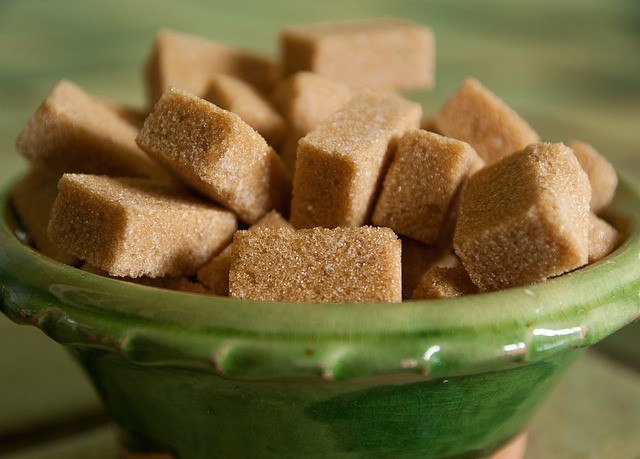
To ensure an uninterrupted supply of sugar to residents during the summer season, Kazakhstan’s government has announced a temporary ban on its export of sugar to third countries until 31 August. The decision made on 6 May, will affect fellow members of the Eurasian Economic Union - Armenia, Belarus, Kyrgyzstan, and Russia - but will not impact international transit. Kazakhstan’s warehouses can store about 256 thousand tons of its own reserves and imported sugar, which is enough to meet half of the country’s annual requirement of 500-550 thousand tons. According to Deputy Minister of Agriculture Erbol Taszhurekov, current stocks of sugar and raw cane amount to 136 thousand tons. Combined with the quota of 120 thousand tons of imported Russian sugar, reserves will reach 256 thousand tons by 31 August. In addition, Kazakhstan has a duty-free import quota of 300 thousand tons of raw cane for processing until the end of 2024. The average monthly sugar consumption is 46 thousand tons, and in summer, reaches 60 thousand tons.  Thus, explained the deputy minister, “the existing sugar reserves are more than enough to meet demand until the new harvest.” Kazakhstan also plans to negotiate with Russia to increase the quota of its supply of sugar by 100 thousand tons until the end of the year.  

Uzbekistan to Increase Production and Export of Agricultural Produce

At a government meeting chaired by President Shavkat Mirziyoyev on March 18th, it was reported that in 2023, Uzbekistan produced 23 million tons of fruit and vegetables, but exports reaped just $2 billion, far short of the anticipated $5 billion. Over the past year, over ten new markets have opened for Uzbek agricultural exports, including Australia, New Zealand, Singapore, Colombia, and Indonesia, raising the number of countries importing agricultural products from Uzbekistan to 85. There are however, shortfalls in the sector. The potential of one million hectares of land previously used for grain and earmarked for the cultivation of fruit and vegetables is yet to be exploited. The same applies to 508,000 hectares of household plots plus a further 260,000 hectares of land lying barren. At the meeting, the head of state expressed his readiness to consider any steps necessary for increasing agricultural and food exports in the coming year: “Controlling inflation and ensuring currency stability are directly related to exports. If we do not expand the conditions for export along with an increase in production, the result will not meet expectations.” To that end, the head of state supported the proposal to boost agricultural exports by opening Uzbekistan’s trading houses in major port cities such as Nagoya, Mersin, Rotterdam, Qingdao, Klaipeda, and Doha. One of the most vital issues is the certification of Uzbek agricultural produce for export. Following the launch of the first private laboratory with international accreditation at the Agricultural Services Centre in Yukorichirchik, $8 million will be invested in similar modern laboratories in Zangiata, Fergana, and Samarkand this year. A reference laboratory will also be opened in Tashkent to ensure that private laboratories comply with international standards.

Kazakhstan to Satisfy Italy’s Appetite for Horsemeat

The Kazakh Minister of Trade and Integration Arman Shakkaliev has announced plans by Kazakhstan and Italy to create a joint product brand 'Made in Kazakhstan'. The venture aims to address Italy's growing demand for horsemeat; a commodity currently imported from other countries and reportedly valued at over $140 million worth per year. In addition to chilled horsemeat, the minister reported that 'Made in Kazakhstan' would also supply Italy with locally sourced caviar and honey. The initiative will benefit both countries. For Italy, it represents a fresh source of high-quality meat for the country's economically significant restaurant sector, and for Kazakhstan, open up a new market which by promoting agricultural development, will contribute to economical growth, especially in rural communities. Kazakhstan is currently a major supplier of horsemeat to countries such as Mongolia, Argentina and Uruguay.